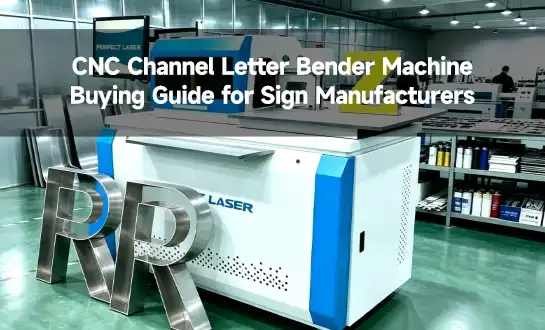
Why Sign Factories Are Switching to CNC Channel Letter Bending Machines
The way that sign companies across the United States make lighted signs is changing. The move toward CNC channel letter bending machine technology shows that the industry as a whole knows that old ways of doing things can't keep up with the speed and quality needs of today's markets. These computer-controlled systems take over the bending process, making it more precise while also cutting down on the need for work and waste. Sign makers can make more signs without lowering the quality or making them harder to use by using automatic letter bending equipment with advanced computer interfaces and strong mechanical design. This change fixes important problems that have been holding back the signs industry's ability to make money and grow for a long time.
Limitations of Traditional Channel Letter Bending Methods
For decades, the signage business has been based on hand and semi-manual ways of making channel letters. Skilled workers bend aluminum, stainless steel, and other materials by hand or with simple hydraulic tools. They rely on their knowledge to get good results.
Variable Precision and Inconsistent Output Quality
Participation boosts variety. Even expert workers make letters of varying sizes, especially when doing many at once. These little errors complicate creating hundreds of identical characters for large business installations. Customers want building exteriors to match, yet people struggle. Copying complex fonts or graphic forms that must be curved complicates the problem.
Slower Production Speeds Constrain Business Growth
Handbending takes time. The letters must be measured and adjusted independently. Depending on complexity, one individual may write 20–30 letters in eight hours. This output constraint causes bottlenecks when demand grows or enterprises add roles. Hiring and training extra workers takes months and raises fixed costs as factories develop.
Increased Material Waste Erodes Profit Margins
Handbending usually renders materials useless. Scrap metal strips may arise from overcorrecting a bend, misaligning angles, or exerting uneven pressure. Materials make up most production expenses for stainless steel and aluminum alloys. High waste rates hurt profitability, especially on low-margin contracts. Traditional methods lack the prediction accuracy needed to optimize material utilization across runs.
Training Requirements and Labor Dependency
Successful channel letter technicians need hands-on training. New personnel need 6–12 months of training before taking on difficult tasks. The high learning curve makes labor planning difficult and exposes the company to staff changes. Small-team manufacturers may be affected by key individuals departing or becoming unavailable. Manual bending demands higher wages to recruit and retain skilled professionals.
How CNC Channel Letter Bending Machines Revolutionize Sign Making
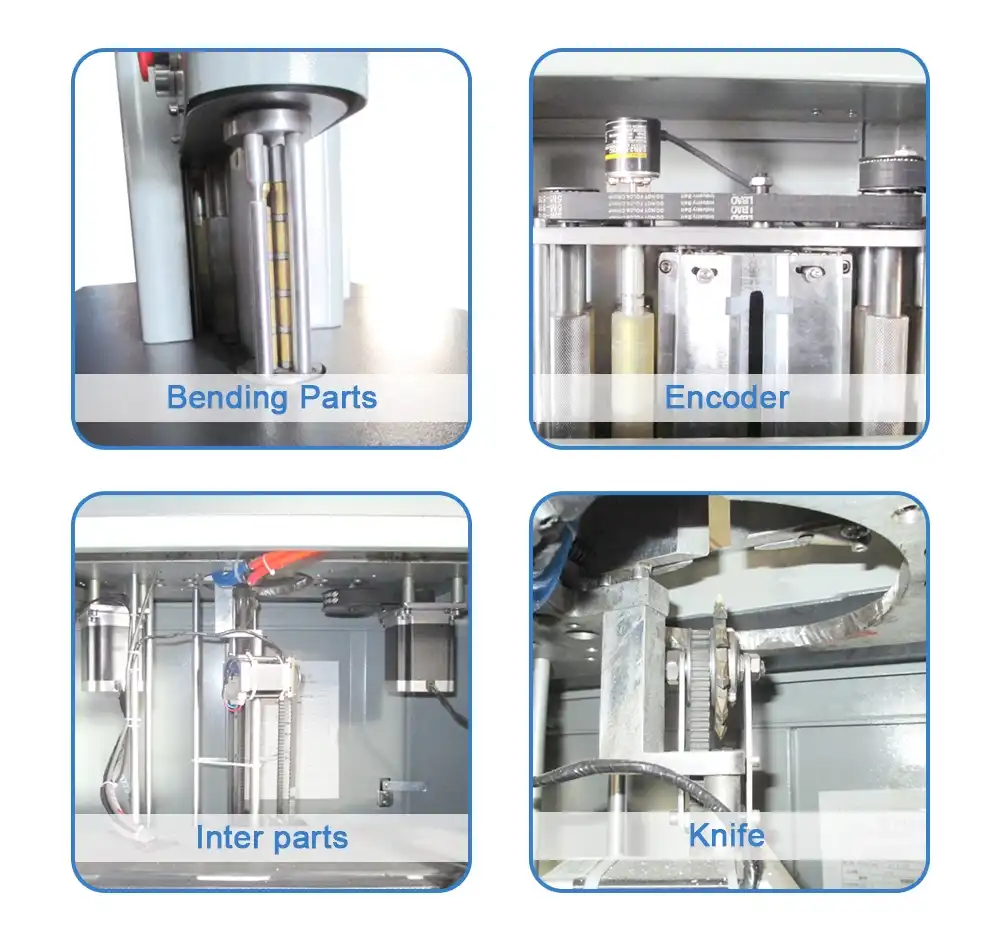
Automated letter-forming technology gets around all of the problems that come with doing things by hand. CNC channel letter bending machine systems use software to organize the movements of many parts of a computer to turn digital design files into real channel letters.
Precision Engineering Delivers Consistent Quality
Automation allows for repeatability in bending tools. Robots may print identical letters with millimeter-scale mistakes once established. This accuracy ensures that the fifty-first letter matches the first, making the system seem the same. Modern linear guides and servo motors perfectly regulate bending angles, avoiding forming mistakes. Skilled work satisfies client and architectural requirements.
Dramatically Increased Production Throughput
Modern machines may process materials at speeds that influence industrial costs. Automated systems can write 60–100 characters every shift with little help, depending on letter difficulty. The machine fills, measures, notches, and turns simultaneously, minimizing downtime. With output multiplication, firms may meet quality standards with more labor and shorter deadlines. The number of materials, not operators, limits production.
Material Optimization Reduces Operating Costs
Computers determine the best way to cut and bend goods to save material. Before processing, software analyzes plan files to find resource-efficient solutions. Precise mechanical performance reduces rejects and waste. Over thousands of letters, these little savings add up to a lot. Automation reduces material waste by 30–40% in factories, increasing project profits.
Simplified Training and Flexible Workforce Deployment
Instead of being able to move things by hand, operating automated equipment needs technical knowledge. The staff learns how to use design tools, load materials, and keep an eye on how machines work in weeks instead of months. This makes it easier for more people to find work and lowers the cost of training. As the needs of the work change, operators can switch between different pieces of equipment or run multiple machines at the same time. Not having to rely on skilled artists as much gives operations more freedom and lowers risk.
Perfect Laser makes complete sets of tools that meet a wide range of production needs in the signage business. Our product line shows how flexible technology can be used to meet real-world production needs.
For companies moving away from manual processes, LCD control channel letter bending equipment simplifies. Its simple interface lets users enter basic design variables and watch the bending process. A stainless steel automatic letter bender can bend strong external materials. It is precise and mechanically powerful for thick-gauge metal. When bending, auto-edge-cutting models quickly apply shaping features, saving time and steps.
PC-controlled single and double metal trim cap bending equipment expands channel letter profile producers' options. These systems meet business demands and may process unique designs. Economic gadgets provide fundamental functions at prices small and emerging automation enterprises may afford. The stainless steel, iron plate, and aluminum three-in-one bending design lets you bend several materials on one base, saving money and equipment.

Automatic notching machines accurately twist and cut materials for easier assembly. Acrylic vacuum suction goes beyond metal sculpting. They may assist sign-making overall. These solutions unify production settings with one set of controls for operations.
They employ the latest operating systems and applications due to their current technology. A simple interface helps workers focus on quality, not machine operation. PC control with USB transmission reduces file compatibility and slow data transfer, making it easy to integrate into design processes. For international workers, full English operating systems facilitate paperwork and cooperation.
The best mechanical design and control methods that cut down on cycle times without losing accuracy lead to high efficiency. Auto-bending and fitting functions combine several tasks into a single pass, which cuts down on material handling and boosts output. Because it can be made from aluminum, stainless steel, iron, and other materials, it gives manufacturers more options for meeting the needs of a wide range of advertising clients and market segments. This includes identification signs, nameplates, illuminated displays, billboards, lightbox fabrication, and outdoor advertising.

Best Practices for Implementing CNC Channel Letter Bending in Sign Factories
To successfully adopt new technology, you need to do more than just buy the right tools. When factories try to automate with a CNC channel letter bending machine, they get a faster return on investment (ROI) and more seamless operating changes.
Conduct Thorough Production Assessment Before Procurement
What tools to buy depend on labor volume and method. Get beyond production figures to learn when demand was highest, what letter sizes were most popular, and what materials customers liked. This research shows which robotic traits will affect your firm most. Make sure equipment fits without expensive building changes by checking space and energy needs. During this examination, manufacturing staff highlight everyday equipment selecting issues.
Invest in Comprehensive Operator Training Programs
Basic automated systems require systematic training to optimize use. Training should include software, loading materials, basic maintenance, and problem-solving. Hands-on experience builds operator trust and skill more than passive instruction. Schedule training at low-demand times to learn without pressure. Building internal knowledge makes a company less reliant on outside technological help.
Establish Preventive Maintenance Schedules
Equipment requires frequent maintenance to last and work. Write down mechanical part inspection, cleaning, and lubrication. Software updates may improve speed and stability by fixing bugs. Complete service logs assist uncover trends that may suggest difficulties before they stop operations. Making time for maintenance avoids delays during busy times, when equipment failures cost the most.
Develop Troubleshooting Protocols and Support Networks
Though more reliable, technology still has basic flaws. Write down common issues and solutions for channel letter bending machine to build institutional knowledge and save downtime. Pre-establishing partnerships with equipment and professional support tools speeds up assistance. Workers may be technical contacts in certain companies. Employees are internal tools and learners. Cloud monitoring is used in modern equipment. You may solve problems remotely without service workers coming.
Integrate Quality Control Checkpoints
Automation improves consistency but doesn't remove checking. Set up testing at critical production phases to find material or calibration faults before they affect significant quantities. Random letter samples assess dimensions and systemic concerns. Digital measurement devices provide us accurate, objective data to develop and meet consumer paperwork needs.
Making the Right Procurement Decision: Selecting the Best CNC Channel Letter Bending Machine
Choosing the right CNC channel letter bending machine is a big investment that affects how well the business can run for years. To make an informed choice, you need to look at more than just the original purchase price.
Evaluate Core Performance Specifications
Precision determines which tasks your organization can do. Machines handle complicated patterns and demanding construction with finer tolerances. Work production and release time depend on processing speed. Maintenance and ownership expenses are shown by average breakdown time and warranty coverage. Your production objectives and market position should meet these factors.
Assess Total Cost of Ownership
Only half the expense is tools. The cost of building modifications and power equipment installation is included. Replacement parts, software rights, and maintenance are recurrent costs. Energy use affects manufacturing costs. Include training fees and how they affect your initial learning efficiency in your budget. Detailed cost assessments over five to seven years of ownership assist investors comprehend their investment.
Verify Supplier Reputation and Support Infrastructure
Equipment quality is less significant if help is unavailable when issues develop. See how reliable and quick the manufacturer replies to customers by studying their history. Make new parts available and fulfill popular requests quickly. Knowing the warranty's exclusions may help you avoid pricey repairs. North American service networks respond quicker than cross-border cooperation. Customer examples from similar-sized companies may clarify ownership.
Consider Scalability and Future Expansion
Growing businesses may need additional power. Modular equipment or extensible software may be used when needs change instead of updating the system. Use standard file formats and communication methods to prevent provider lockup and facilitate integration. Upgradeable equipment that increase features or space protect investments and help organizations grow.
Explore Financing and Acquisition Options
Capital instrument purchases may strain cash flow, especially for emerging companies. Costs are spread and working capital is maintained using equipment loans. Leasing gives companies that are uncertain about their long-term production rates or wish to improve technology more options. Customers who don't want to pay for unneeded features might customize equipment specs to corporate needs from many sources. Cash flow-based payment agreements simplify money management as technology advances.
Future Trends and Strategic Benefits of CNC Channel Letter Bending Machines
The signs business is always changing to meet the needs of the market and new technologies. To set up your business to take advantage of these trends, you need to know about new patterns and what they mean for the channel letter bender and the CNC channel letter bending machine market.
Rising Demand for Customized and Complex Signage
More and more, clients want one-of-a-kind patterns that set their names apart in crowded markets. Businesses that want to stand out from the crowd no longer need generic writing. Automated forming tools can work with complicated shapes and custom styles that would be too expensive or hard to do by hand. This feature lets you get into higher-end markets where more complex designs bring in more money. Letter-bending factories that use cutting-edge technology fight not just on price, but also on creativity.
Software Integration and AI-Driven Process Optimization
Smart modern machines quickly find the best production settings. Machine learning improves material handling and bending by studying successful production runs. Remote tracking and periodic maintenance via the cloud reduce system breakdowns. Integrate with larger industrial workflow systems to monitor output in real time and make data-driven decisions. These software advances increase autonomous hardware production.
Environmental Sustainability and Material Efficiency
Sustainable manufacturing is needed because to government and BSR laws. Reducing material waste helps costs and the environment. Energy-efficient tools save costs and carbon emissions. Since automated procedures are exact, thinner-gauge materials may be used without affecting building strength. Environment is even less impacted. Buyers that care about the environment choose factories that increase sustainability.
Workplace Safety and Ergonomic Improvements
Regular machine work decreases musculoskeletal injuries. Workers inspect machines instead of moving commodities. Ergonomics decreases occupational injuries, medical costs, and lost time. Safer workplaces attract and retain workers in competitive labor markets. Automatic defect detection, emergency stops, and guards protect workers from machine risks.
Long-Term Return on Investment
Automation costs a lot up front, but it saves money in the long run because the equipment lasts longer. When flow goes up, income goes up without costs going up at the same rate. Every project's profit margins go up when costs go down for things like materials and labor. Better quality and regularity cut down on guarantee claims and the cost of doing work over. Being able to take on more varied and difficult jobs opens up more market possibilities. When factories invest in technology, they usually get their money back in full within two to four years. After that, they just get more efficiency in the years that follow.
Conclusion
The switch from making channel letters by hand to using a CNC channel letter bending machine is more than just replacing old equipment; it's also a sign of strategic planning to stay competitive. Variable quality, limited output, and a high reliance on labor are some of the problems that come with traditional bending methods that make it hard to grow and make money. These problems are no longer a problem with today's automatic systems, which also add new features that create new market possibilities. To make deployment work, you need to plan carefully, train everyone, and follow strict upkeep procedures. You can see a clear return on investment in the form of higher throughput, better product, less waste, and safer working conditions. In the changing signage business, companies with modern forming tools will get a bigger part of the market as customers want more customization and technology improves.
FAQ
1. How do automated systems improve production accuracy compared to manual methods?
Replace hand-bending with computer-controlled equipment to reduce dimension discrepancies. With hundredths-millimeter repeatability, servo motors and guides move predefined objects. Software optimizes bends based on material and design. It checks every letter's dimensions. This quantitative accuracy removes hand-made method inconsistencies and maintains production run consistency.
2. What maintenance practices keep these machines performing at peak efficiency?
Regular cleaning eliminates metal and other dirt that affects sensor accuracy and mechanical part movement. Lubricating moving parts periodically avoids wear and keeps the machine running smoothly. Manufacturer software upgrades fix bugs and enhance performance. Normal calibration tests guarantee reliable readings. Recording maintenance and performance metrics may help uncover problems before production stops.
3. Are automated bending systems suitable for small and medium-sized sign factories?
Modern tools scale with production and money. Small businesses can afford basic robotics. How the economy is structured may enhance output without large enterprises or sophisticated equipment. Simple solutions that don't need much training may be used by firms with few professionals. Scalability lets companies increase production as required.
Partner With Perfect Laser for Advanced Channel Letter Production Solutions
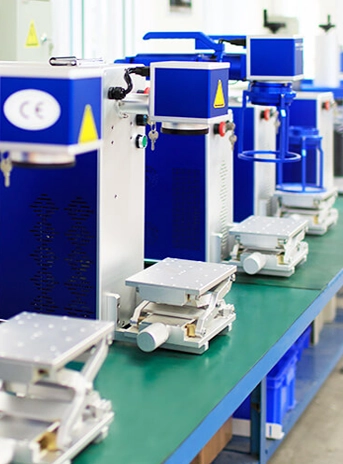
Perfect Laser has everything sign makers need for reliable CNC channel letter bending. Over 30 years of manufacture, we have 20 product lines with 300 tools for advertising, electronics, and industrial fabrication.
Perfect Laser makes popular automated signage equipment. They sell CE, TUV, and SGS-certified tools that meet global safety and performance standards. Our engineers' 63 patents show their mechanical design and control system innovation. Two study centers co-adapt abilities for business.
Our facility uses laser power meters, precision cutting systems, and variable voltage models to test equipment in different settings before it departs for quality assurance. Due to intensive testing, tool results are consistent over time. Our equipment is used in Russia, South Korea, Turkey, Brazil, India, UAE, and Saudi Arabia. It performs well in many industrial settings.
The technical support infrastructure includes consultations that are available 24 hours a day, free application testing, and solution suggestions that are made to fit the needs of the output. We're so sure of the quality of our products that we offer two-year warranties on marking systems and one-year warranties on bigger production tools. When procurement professionals look at CNC channel letter bending machine makers, Perfect Laser has the advanced technology, large-scale production, and support systems that are needed for long-term relationships to work. Get in touch with our team at [email protected] to talk about how our automated making solutions can help you meet your production goals and management needs.
References
1. Smith, J. & Anderson, K. (2023). "Automation Trends in Commercial Signage Manufacturing: A Comparative Analysis." Journal of Manufacturing Technology and Industrial Engineering, 45(3), 127-145.
2. Roberts, M. (2024). "Computer Numerical Control Systems in Metal Forming Applications: Performance Metrics and ROI Analysis." Industrial Automation Quarterly, 18(1), 56-73.
3. Thompson, L., Chen, W. & Martinez, R. (2023). "Material Efficiency and Waste Reduction in Automated Fabrication Processes." Sustainable Manufacturing Review, 31(4), 203-218.
4. Patterson, D. (2022). "Workforce Development and Training Requirements for Advanced Manufacturing Equipment." Journal of Technical Education and Skills Development, 29(2), 89-106.
5. Williams, S. & Jackson, T. (2024). "Market Analysis of Channel Letter Production Technologies: Industry Trends and Future Projections." Signage Industry Research Report, 12(1), 34-58.
6. Henderson, A. (2023). "Total Cost of Ownership Models for Capital Equipment Investment in Small Manufacturing Enterprises." Business Technology Investment Journal, 16(3), 145-162.

share your inquiry, get the quotation accordingly.
第一张审核员说包含其他公司不能用_1755049724891.webp)
Perfect Laser – Global Manufacturer of Reliable Laser Solutions