Wall Printing Machine for Parking Lot Floor Markings Explained
Taking care of parking lot signs needs to be accurate, last a long time, and not cost too much. Parking lot managers, property developers, and industry buying professionals can use a wall printer that has been modified to work on floors. This is a new and better way to paint lines than the old way of doing it. Using automated inkjet technology, these high-tech tools print high-resolution images directly on concrete, asphalt, and other floor surfaces. Modern floor printing equipment, unlike stenciling or spray painting, produces uniform line quality, complex patterns, and weather-resistant finishes that stay visible for years. This method gets rid of mistakes made by people, lowers the cost of work, and greatly speeds up the time it takes to finish a job.
Understanding Wall Printing Machines and Their Role in Parking Lot Floor Markings
Core Technology Behind Floor Printing Equipment
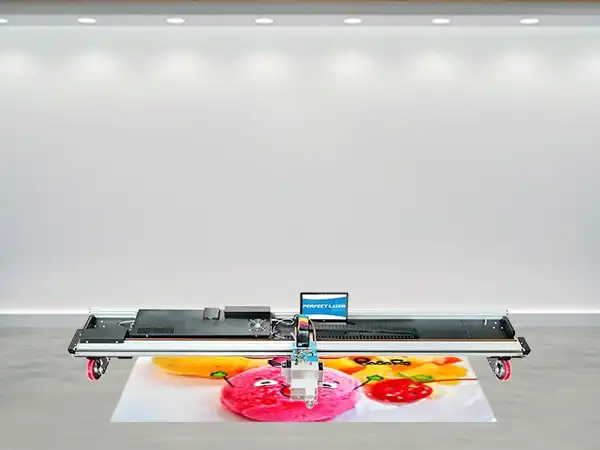
A floor wall printing machine uses high-tech inkjet systems spraying UV-curable or eco-solvent inks precisely onto flat surfaces. Perfect Laser PE-S20 features AI control and 6-core processor for real-time adjustments during printing. Dual ultrasonic sensors detect surface flaws instantly, compensating for slopes, cracks, or uneven textures in parking lots. This floor wall printing machine ensures consistent ink adhesion whether on smooth ceramic tiles or rough cement floors.
Hardware Components That Ensure Precision
A floor wall printing machine includes a print head unit with multiple nozzles achieving resolutions up to 9600 DPI for clear directional signs and parking numbers. Base configuration has 2GB DDR memory processing large design files, enabling 32 square meters per hour printing. Dual ultrasonic sensing constantly measures distance changes and adjusts print head height in real time. This floor wall printing machine overcomes drainage slopes, expansion joints, and worn surface textures.
Types of Floor Printing Systems for Different Project Scales
Portable floor wall printing machine units suit smaller commercial parking lots, moving easily between job sites and fitting through tight spaces. These handle 200–1000 square meter projects for apartment complexes and temporary event areas. Industrial floor wall printing machine systems like PE-S20 serve large parking lots, airports, transit hubs, and municipal garages. Weatherproof construction protects components. Interrupt automatic marking allows resuming without restarting whole areas after power outages.
Benefits of Using Wall Printing Machines for Parking Lot Markings
Superior Precision and Regulatory Compliance
Automated floor wall printing machine eliminates inconsistency of manual striping, following digital specifications to the millimeter. ADA accessibility standards, fire lane dimensions, and loading zone requirements are easily met when the floor wall printing machine repeats exact measurements programmed into control systems. Precision reduces liability risk for property owners needing safety compliance verification during inspections. Sharp, high-contrast lines from a floor wall printing machine remain visible from low-light underground garages to sun-exposed open lots.
Cost Efficiency Through Labor and Material Optimization
A floor wall printing machine requires one operator instead of three or four workers. Projects taking days of manual labor finish in hours with a floor wall printing machine, minimizing facility closure time. The floor wall printing machine applies ink only where design specifies, eliminating overspray and edge bleeding. PE-S20 color mode optimizes ink intensity. UV-curable inks bond instantly with built-in curing lights, eliminating drying time and allowing immediate vehicle traffic over floor wall printing machine applications.
Customization Capabilities for Branding and Functionality
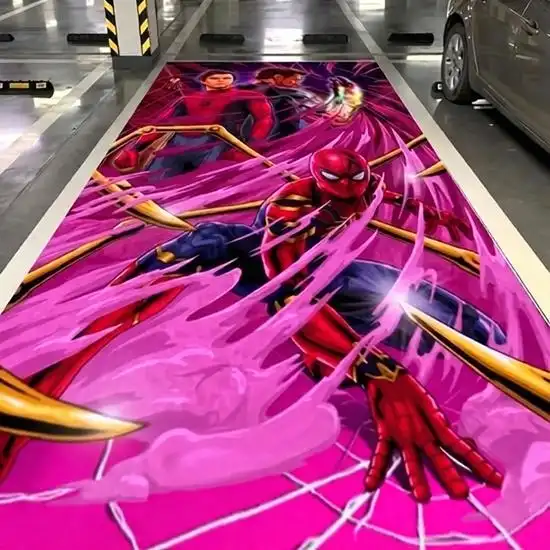
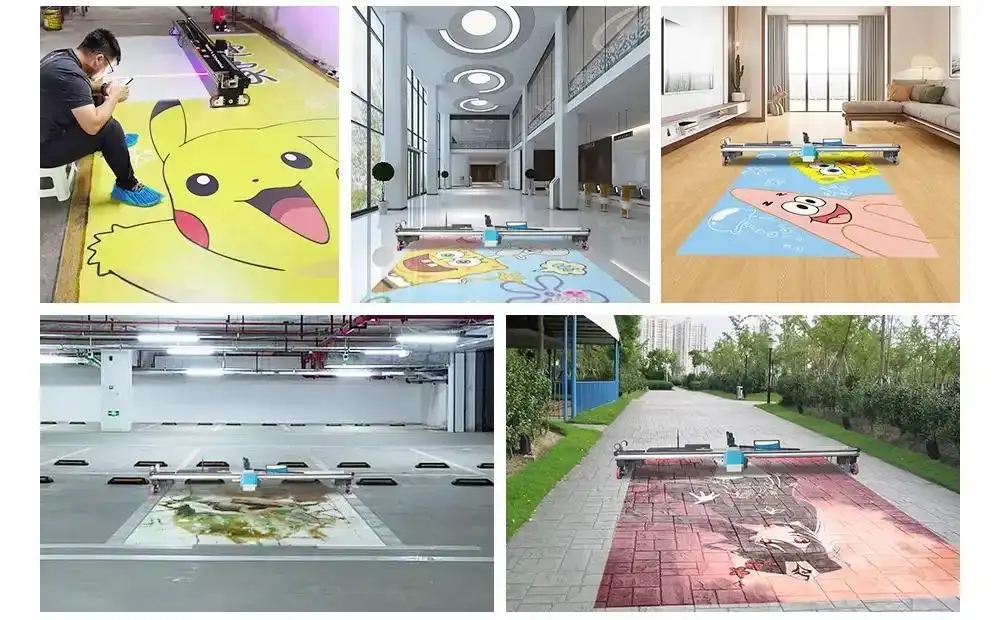
A floor wall printing machine prints complex designs impossible with conventional methods. Corporate parking lots feature brand logos, color schemes, and directional graphics reinforcing company identity. Retail locations print promotional messages and holiday decorations. The floor wall printing machine handles full-color striping, photographic images, and intricate patterns. EV charging station indicators and accessible parking symbols with precise dimensions can be printed directly onto pavement by a floor wall printing machine.
Durability Against Environmental Factors
Floor wall printing machine uses inks engineered for outdoor permanence, resisting fading, cracking, and delamination. UV-curable inks polymerize instantly upon application, creating molecular bonds that withstand pressure washing, snow removal, and constant traffic. A floor wall printing machine extends recoating intervals to 3–5 years versus annual repainting. Advanced 5D printing on some floor wall printing machine models creates textured effects improving slip resistance while maintaining color vibrancy for parking lot applications.
Choosing the Right Wall Printing Machine for Your Parking Lot Project
Evaluating Project Scale and Surface Characteristics
Before purchasing a floor wall printing machine, assess parking lot size and flooring material. Small lots of 500–2,000 square meters benefit from portable printers balancing coverage and cost. Facilities exceeding 10,000 square meters require industrial-grade tools maintaining output quality over long production runs. Surface type affects tool choice as different substrates need specific ink formulas. PE-S20 works on ceramic tiles, wood, stone, cement, floor leather, composites, terrazzo, and brick. Traffic volume projections determine required abrasion resistance levels.
Comparing Technical Specifications Across Models
Procurement managers should evaluate print resolution for marking sharpness when selecting a floor wall printing machine. Higher DPI creates crisper lines for small text and detailed symbols. PE-S20 handles 9600 DPI, exceeding typical parking lot requirements. Printing speed directly affects labor costs and project completion time for a floor wall printing machine. Machines covering over 30 square meters per hour finish medium parking jobs in one shift. 6-core CPU ensures smooth operation for high-resolution logos. Ink compatibility matters—UV-curable inks offer outdoor durability with instant curing while eco-solvent options provide lower odor for enclosed garages.
Procurement Strategies and Supplier Selection
Buying from established manufacturers ensures genuine parts, comprehensive warranties, and expert support networks for your floor wall printing machine. Perfect Laser operates since 1995 with distribution across Germany, Japan, Italy, Russia, South Korea, Turkey, Brazil, India, UAE, and Saudi Arabia. Direct manufacturer relationships enable customization including specialized inks, custom software, or building management system integration for your floor wall printing machine. High-end makers cover electronic parts for two years and mechanical systems for one year. Extended service plans offer on-site repair and online diagnostic support. Rental programs help test technology before purchase commitment.
Operating and Maintaining Wall Printing Machines for Parking Lot Markings
Preparation and Calibration Procedures
Proper surface preparation precedes floor wall printing machine operation. Remove oil residues, loose dirt, and moisture through power washing followed by adequate drying. Existing markings may need removal or recoating depending on project requirements and substrate condition. Operators transfer design files via USB or Wi-Fi to the floor wall printing machine, verifying dimensions match field measurements. Built-in touchscreen guides sensor calibration where the floor wall printing machine samples surface areas establishing baseline height references. Test prints on sample sections verify ink flow rates, color accuracy, and adhesion properties before full-scale floor wall printing machine production.
Routine Maintenance Best Practices
Regular floor wall printing machine maintenance maximizes equipment life. Print head cleaning prevents nozzle clogging causing voids in printed marks. Automatic cleaning cycles run during floor wall printing machine startup and shutdown. Sensor accuracy verification should occur weekly during peak production for the floor wall printing machine. Ink system maintenance includes checking supply line integrity, cartridge levels, and filter replacement. PE-S20 floor wall printing machine alerts operators to low ink levels before production stops. Climate-controlled ink storage maintains formulation stability. Mechanical components including rail systems and drive belts require periodic lubrication and tensioning following manufacturer schedules.
Operational Advantages Over Traditional Methods
Automated floor wall printing machine eliminates manual stenciling and measuring, reducing project work to machine operation and surface preparation. Digital technology enables design changes through software rather than physical templates for your floor wall printing machine. Interrupt recovery function allows stopping for weather or facility operations without losing position on the floor wall printing machine. UV-curable inks have low VOC levels and cure without hazardous vapors. The floor wall printing machine produces no overspray, empty aerosol cans, or contaminated masking materials requiring special disposal, reducing waste significantly compared to solvent-based spray paints.
Future Trends and Innovations in Wall Printing Technology for Parking Solutions
Emerging AI-Enhanced Quality Control Systems
Adding artificial intelligence is the next step forward in wall printer technology. Machine learning systems look at the quality of the print in real time and change the ink flow rates, print head height, and movement speeds automatically to account for changes in the material. These systems find problems like broken nozzles or insufficient ink supplies before they cause noticeable flaws. They then take corrected actions or send user alerts that stop waste.
Computer vision systems take pictures of finished parts and compare them to digital specs to make sure the dimensions and colors are correct. For government reviews, this automatic quality assurance records compliance, which cuts down on the work that needs to be done by humans for inspections. Pattern recognition algorithms find early signs of wear on equipment and suggest preventative maintenance to be done before a part fails.
Advanced Ink Formulations for Enhanced Performance
Next-generation ink formulas are being studied with the goal of making them last longer while having less of an effect on the environment. Hybrid formulations combine the fast drying time of UV inks with the flexibility and weather protection of advanced plastics that are used outside. The heat expansion cycles that make hard coatings crack and peel off don't affect the elasticity of these materials.
Photochromic and thermochromic additives make marks that look different depending on the temperature or lighting. Parking garages could have directing signs that shine brighter when a car's headlights hit them or temperature-sensitive marks that make the ground stand out when it's icy. Adding reflective pigments makes things easier to see at night without using extra lighting, which saves energy and makes things safer.
Bio-based ink components made from green materials meet the sustainability standards set by companies that care about the environment. These products work just as well as options based on petroleum, but they leave smaller carbon footprints and support the ideas of the circular economy.
Market Dynamics Driving Adoption
As more people move to cities and buy cars, the need for parking structures around the world also grows. Economies that are still growing put a lot of money into business property, logistics hubs, and transportation hubs that need a lot of parking spaces. More and more, these projects call for computerized marking technologies that make sure the quality of large-scale growth is the same.
As businesses see parking lots as branding possibilities instead of just functional places, the desire for customization grows. Premium car shops, high-end shopping malls, and business sites all use unique floor graphics to set their properties apart and make the visiting experience better. When compared to handmade tile work or inlaid materials, floor printing technology makes these uses more cost-effective.
As safety rules change, equipment needs to be updated to meet stricter standards for exposure, dimensions, and usability. To meet new building codes, many old buildings have to be completely redone. This creates replacement cycles that favor automated systems that work quickly over human methods that require a lot of work.
As manufacturers set up regional service centers and relationships with approved dealers, their distribution networks grow. Perfect Laser has locations on several countries, so procurement managers can always get local expert help, spare parts, and training materials, no matter where their facilities are located. This regional spread lowers the operational risks that come with equipment breakdowns and speeds up the time it takes to complete projects.
Strategic relationships between companies that make machines and companies that sell materials help to create combined solutions where machines, inks, and surface processes work best when used as a whole. When component suppliers work together, they can promise performance in ways that individual suppliers can't. This gives procurement managers clear responsibility and the ability to plan for what will happen.
Conclusion
When wall printers are modified to work on floors, they turn marking parking lots from a labor-intensive job that needs to be done by hand into an efficient automatic process. Traditional methods can't match the accuracy, longevity, and flexibility of this technology. It also cuts costs and project timelines by a large amount. The Perfect Laser PE-S20 model shows off the most advanced features, such as controls that are smarter with AI, ultrasonic surface tracking, and high-resolution output that can handle tough commercial and industrial settings. When choosing tools for floor printing, procurement professionals should think about the size of the project, the surface's features, and how much long-term upkeep it will need. The investment pays off with lower labor costs, longer-lasting markings, and a better look for the building that helps the company reach its business goals.
FAQ
1. What surfaces can wall printers mark effectively?
Ceramic tiles, concrete, asphalt, wood, stone, terrazzo, brick, and other man-made floor surfaces can all be printed on by modern floor printers. The PE-S20 is designed to work with a wide range of surfaces. It does this by using adaptive ink formulas and automatic height adjustment systems that keep the print head in the best position even when the texture changes.
2. How long do printed parking lot markings last?
When used with good floor printing tools, UV-curable colors usually stay visible and intact for three to five years with normal foot traffic. How long something lasts relies on how well it was prepared, how much traffic it gets, how much weather it gets, and how well it is maintained. In places with a lot of foot traffic, markings may need to be touched up less often, while markings that are safe indoors last a lot longer.
3. Can floor printing machines operate in outdoor weather conditions?
Weather-resistant construction means that industrial-grade tools can be used outside in temperatures range from 5°C to 40°C. But for the best results, surfaces should be dry and the temperature should be reasonable when the product is applied. The built-in battery system lets the system work in places that don't have access to electricity, which makes adoption more flexible for a wide range of site conditions.
Partner With Perfect Laser for Your Floor Marking Solutions
Perfect Laser has been making high-quality products for 30+ years and has 63 patents and foreign approvals from groups like CE, TUV, and SGS to back up its claims. Our PE-S20 wall printer meets the high standards of parking lot managers and buying workers around the world with its industrial-grade performance and easy-to-use interface. The AI control system, dual sonar sensors, and 9600 DPI resolution all work together to make sure that the results are the same on all surfaces and project sizes. We help our customers with all aspects of the equipment's lifecycle, from the original consultation and unique configuration to installation, operator training, and ongoing technical support.
Our multilingual support team is available 24 hours a day, seven days a week, and our global service network spans six countries. This gives big projects the dependability they need. Get in touch with our experts at [email protected] to talk about your unique parking lot marking needs and find out why top companies choose Perfect Laser as their floor printing machine provider. We provide trial units, sample printing services, and a range of flexible purchasing choices that can be tailored to the needs and budget of your project.
References
1. Chen, M., & Roberts, D. (2022). Advanced Inkjet Technologies for Industrial Surface Applications. Journal of Applied Coating Systems, 18(4), 234-251.
2. Industrial Marking Standards Committee. (2023). Best Practices for Automated Floor Marking in Commercial Facilities. International Facility Management Association Press.
3. Thompson, K. L. (2021). UV-Curable Ink Formulations: Chemistry and Performance in Outdoor Applications. Polymer Coatings Review, 45(2), 112-128.
4. Wang, S., Liu, P., & Anderson, J. (2023). AI Integration in Digital Printing Equipment: Quality Control and Predictive Maintenance. Manufacturing Technology Quarterly, 31(1), 67-89.
5. European Parking Association. (2022). Technical Guidelines for Parking Facility Floor Markings and Safety Compliance. EPA Technical Publication Series, Volume 14.
6. Martinez, R., & Kim, H. (2021). Lifecycle Cost Analysis of Automated Versus Manual Parking Lot Marking Systems. Facility Maintenance Economics, 29(3), 145-162.

share your inquiry, get the quotation accordingly.
第一张审核员说包含其他公司不能用_1755049724891.webp)
Perfect Laser – Global Manufacturer of Reliable Laser Solutions