What Is a Laser Rust Remover? Types and Applications
A laser rust removal machine is a new kind of industrial cleaning tool that uses high-energy laser beams to clean metal surfaces of rust, rusting, and other contaminants without using chemicals or physical touch. This cutting-edge technology uses laser ablation, a process in which directed light energy melts away unwanted layers while leaving the base material intact. These systems, which come in both handheld and stationary versions, clean precisely and in an eco-friendly way in the industrial, aircraft, automobile, and conservation industries. The process doesn't need any consumables, makes very little trash, and can be accurate down to the micron level. This makes it a better choice for current industrial repair than sandblasting and chemical treatments.
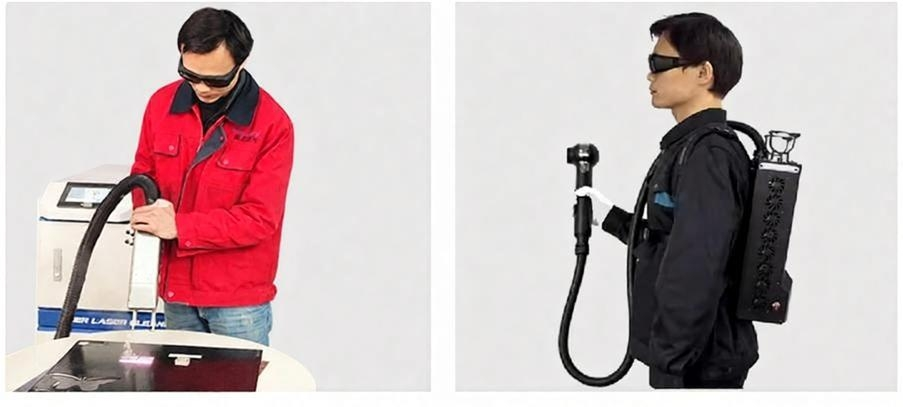
Understanding Laser Rust Removers: Technology and Working Principles
Lasers are used to get rid of rust because rust absorbs laser energy differently than clean metal. This process is called selective photothermolysis. When the beam hits a surface that has been rusted, the rust particles quickly heat up to the point where they can evaporate. The metal below, on the other hand, is mostly untouched because it is better at conducting heat and reflecting it.
How Laser Rust Remover Works?
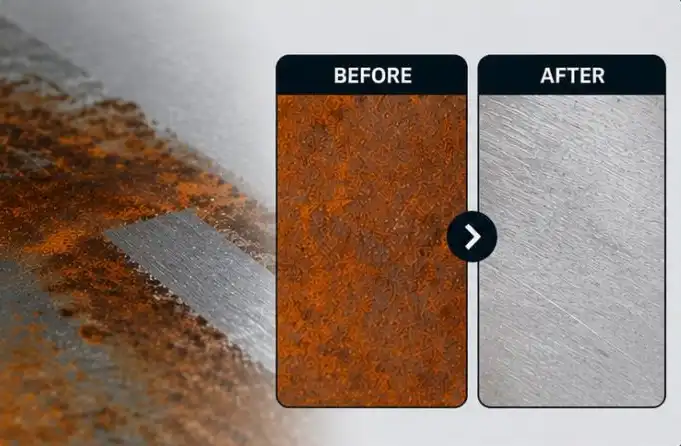
Laser Rust Remover work by sending focused laser bursts at areas that need cleaning. The layer of rust takes in the energy, quickly rising to temperatures above 3000°C and changing from a solid to a gas. This melting process makes a small plasma cloud that grows and lifts the trash off the metal, leaving clean metal below. Because this method is so precise, operators can control the cleaning level with amazing accuracy, taking off only what needs to be taken off without scoring or warping the base.
Advantages Over Traditional Methods
Chemical rust removers are bad for the environment, need to be thrown away in a certain way, and often damage sensitive parts. Sandblasting pollutes the air with dust, leaves behind scratchy waste, and can change the size of surfaces—all of these issues become very important when maintaining precise machinery. These worries are completely taken away by laser systems. They don't make any extra trash, don't need any water or chemicals, and can keep their dimensions within microns. Automatic shutoffs when the beam angle gets too dangerous and real-time tracking systems that change the power output based on feedback from the surface are built in for safety.
Environmental and Safety Benefits
The move toward laser technology is due to more stringent rules and goals for companies to be more environmentally friendly. These tools cut down on the dangers of working with dangerous materials, get rid of the risks of storing chemicals, and greatly lower the cost of getting rid of waste. When operators wear the right safety glasses and work at a safe distance, the limited process keeps the area around them from getting contaminated. Because of this, laser rust removal is very useful in places like food processing plants and cleanrooms where chemical leftovers are not allowed.
Types of Laser Rust Removal Machines: Choosing What Fits Your Business Needs
What tools you need varies on the size of your business, the types of materials you work with, and the environment where you make things. Knowing the differences between the systems that are out there helps make sure that investments are made in ways that meet real-world needs.
Handheld Versus Stationary Units
Handheld laser rust removers (15-30 lbs) access tight spaces like ship hull seams and pipe interiors. Automatic distance aiming ensures consistent results on uneven surfaces. Backpack power packs suit repair teams in remote locations. Stationary units integrate with robot arms or production lines for automated cleaning of high-volume parts. They offer higher power (500W-3000W) for removing heavy rust or thick coatings in single passes.
Power Output and Wavelength Considerations
Lower power (100W) suits light oxidation. Mid-range (200W-500W) removes moderate rust and paint. Industrial units (1000W+) handle severe corrosion and thick coatings. Fiber lasers at 1064 nanometers effectively absorb rust and grime while reflecting off clean steel and aluminum. This wavelength transmits through fiber optic cables, enabling compact, maintenance-free designs without bulky optics or mirror alignments.
Key Features of Modern Systems
Smart controls include touchscreens with preset cleaning modes for rust, grease, paint, and coatings. Systems automatically adjust pulse length, frequency, and power. Real-time monitoring alerts operators to overheating or worn parts. Built-in dust extractor ports connect to industrial vacuums. CE certification ensures safety and electromagnetic compatibility. ISO-certified manufacturers demonstrate consistent quality management. Perfect Laser systems undergo extensive testing before shipping.
Industrial Applications of Laser Rust Removal Machines
Laser cleaning has become popular in many fields because it can be used in a variety of situations and has benefits that standard methods can't match.
Heavy Manufacturing and Metalworking
Shipyards quickly started using lasers to get rid of rust on the hulls of ships to maintain and fix them. A person using a handheld machine can clean welding cracks and remove marine rust from steel plates faster than a three-person sandblasting crew, and they don't have to build containment buildings or make hazardous waste. These systems are used in railroad repair shops to fix up track parts and train parts, where exact measurements are important for safety and performance. The non-contact process keeps the original surface shapes, which is very important for parts that need to fit together very closely.
Precision Machinery and Mold Maintenance
Laser cleaning removes vulcanized rubber from tire mold tread patterns without damaging details, restoring original contours and extending mold life. Tool and die shops maintain injection molds, pressing dies, and machining fixtures where minor surface changes affect part quality. The non-contact process eliminates abrasive wear that degrades precision surfaces over time. Laser cleaning reduces downtime between production runs significantly.
Aerospace and Automotive Surface Preparation
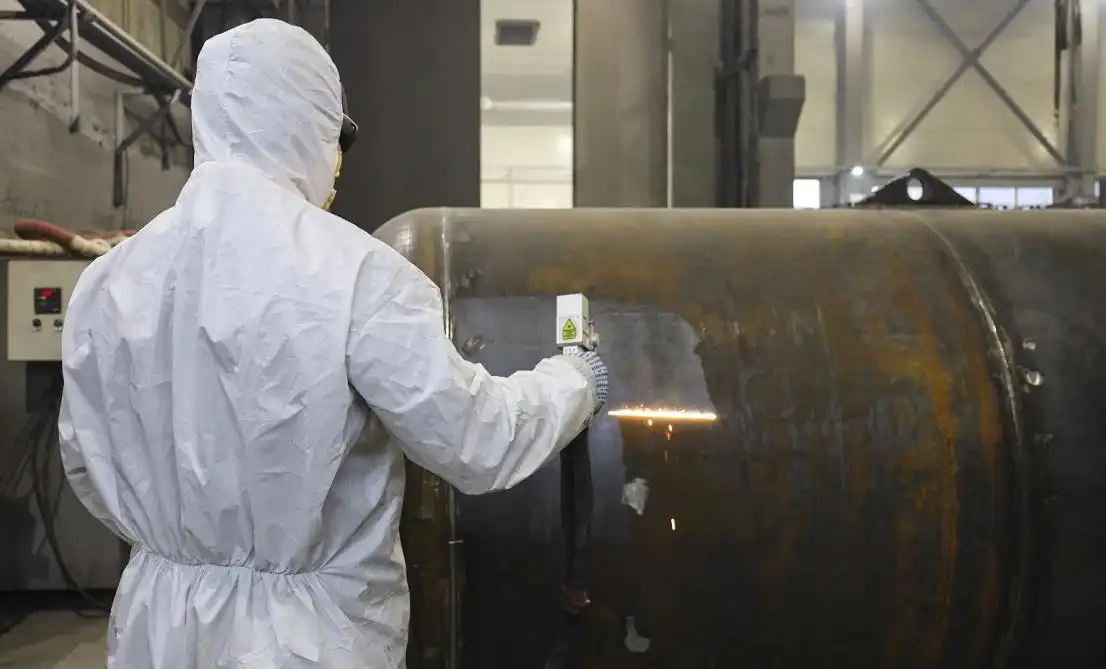
As part of maintaining airplanes, paint and coatings must be stripped off aluminum metals without changing their qualities or adding stress risers. This is done by laser rust removal equipment, and workers check the results in real time by monitoring the process. Controlled energy supply from laser rust removal equipment prevents heat-affected zones that could weaken the structure. Automakers use automated laser rust removal equipment to clean stamping panels before welding, removing mill scale and oils. Laser rust removal equipment ensures uniform weld penetration and reduces porosity flaws, improving overall vehicle quality and crash performance.
Electronics and Delicate Component Cleaning
Low-power laser devices remove flux residues, oxidation, and organic contaminants from circuit boards without mechanical contact or static discharge. No chemical or moisture residues remain to cause corrosion or electrical leakage. Medical device manufacturers use laser cleaning to prepare implant surfaces, removing machining oils while preserving biocompatible surface finishes required for regulatory approval. The gentle process suits heat-sensitive electronic components.
Conservation and Food Industry Applications
Museums use laser rust removal to clean centuries-old corrosion without damaging patinas or original surfaces, working layer by layer. Food processing equipment benefits from chemical-free cleaning that meets hygiene standards. Stainless steel cutting, mixing, and conveying equipment can be deep-cleaned without detergents that could leave harmful residues. Laser cleaning provides documented, repeatable results for regulatory compliance.
Key Considerations When Procuring a Laser Rust Removal Machine
To make an informed tools buy, you need to look at more than just the price. The right choice maximizes both short-term output and long-term costs of doing business.
Technical Specifications and Requirements
Handheld units use standard 220V single-phase power (15-30 amps), running from normal industrial outlets. Larger stationary systems may require three-phase 380V with dedicated circuits. Check facility electrical capacity before purchase. Compact systems integrate laser source, cooling, and controls in under four square feet for shops with limited floor space. Larger automated systems need dedicated floor area and possibly rigging equipment.
Software Capabilities and Integration
Basic systems offer manual power settings. Advanced units feature programmable cleaning routines, teach-pendant programming for robotic integration, and data logging for quality records. For ISO manufacturing, equipment that logs cleaning parameters and generates batch reports simplifies traceability. Integration with PLC controls allows automated cleaning cycles triggered by conveyor signals, coordinating with upstream and downstream processes to increase throughput while reducing manual labor.
Evaluating Suppliers and Support Networks
Perfect Laser brings decades of laser manufacturing expertise serving 60 countries. At least two-year warranty on light sources and one year on mechanical parts shows confidence. Spare parts availability minimizes downtime. Full operator training covers troubleshooting, safety protocols, and material-specific cleaning methods. Ongoing technical support via phone, email, and remote diagnostics resolves issues quickly.
Cost Analysis and Return on Investment
Even though laser systems require a big upfront investment, they often have a lower total cost of ownership than traditional ways when you add up the costs of maintenance, repairs, and removal. In industrial settings that used chemical treatments or media blasting before, a mid-range small laser rust removal machine usually pays for itself in 18 to 36 months. Costs of consumables are cut, work hours are cut, processing times are sped up, and environmental compliance costs are avoided.
Buying in bulk and credit choices make it easier for growing businesses to make purchases. Many sellers have leasing programs that match payments with business savings. This makes cash flow better during implementation. In some places, government encouragement to use better technologies may help lower costs even more.
Maintenance and Operational Best Practices for Longevity and Performance
Taking good care of your tools will make it last longer and clean better every time. Setting up regular repair plans keeps your investment valuable and stops problems from happening out of the blue.
Routine Maintenance Activities
Daily checks include fiber optic connections, protective lens condition, and cooling system operation. Remove dust from cooling vents to maintain heat dissipation. Weekly calibration verification using sample materials. Replace protective windows every 500-1000 operating hours. Monthly maintenance includes cleaning cooling system filters, checking chiller fluid levels, and inspecting electrical connections. Software updates may include performance improvements or new features.
Operator Training and Safety Protocols
Operators must understand laser safety classes and proper protective equipment. Class 4 lasers require laser safety glasses rated for the specific wavelength. Training covers adjusting pulse frequency, scanning speed, and power output for different contaminants and base metals. Safety interlocks and emergency stops require regular testing. Work areas need proper signage and access controls. Documented standard operating procedures and regular refresher training maintain high safety standards.
Troubleshooting Common Issues
Slow cleaning speed usually indicates dirty protective windows. Uneven cleaning patterns suggest misaligned optics or inconsistent scanning patterns. Cooling system alarms indicate clogged filters, low coolant, or high ambient temperature. Power fluctuations may indicate loose electrical connections. Technical support teams can remotely diagnose issues using system diagnostics. Complex repairs requiring specialized knowledge should be performed by manufacturer-trained service technicians.
Conclusion
Laser rust removal machine technology is a big change in how industrial surfaces are prepared and maintained. A laser rust removal machine offers unmatched accuracy, benefits for the environment, and increased operating efficiency. With a laser rust removal machine, facilities can achieve precise cleaning without chemicals or abrasive media. The laser rust removal machine eliminates hazardous waste, reduces labor costs, and provides consistent results across diverse applications from heavy shipbuilding to delicate electronics restoration, making each laser rust removal machine a valuable investment for modern industrial operations.
The technology gets rid of dangerous chemicals, cuts down on labor costs, and gives uniform results in a wide range of settings, from building heavy ships to fixing delicate electronics. To make sure the adoption goes well, it's important to know the differences between handheld and stationary systems, compare power needs to specific uses, and choose approved providers with strong support networks. Manufacturing companies are under more and more pressure to use environmentally friendly methods while still remaining competitive. Laser cleaning systems are a tried-and-true way to meet both environmental and economic goals. Companies that are ahead of the curve buy modern laser rust removal tools to stay on the cutting edge of industry innovation.
FAQ
1. How does laser cleaning compare to chemical rust removal in terms of effectiveness?
Laser cleaning is faster and more accurate than chemical cleaning. Chemical solutions need time to be applied, neutralized, and rinsed well, which can take hours per part. When the beam hits something, laser devices clean it right away, and jobs are done in minutes. Chemicals have trouble with complicated shapes where solutions pool, but laser beams can reach any surface in their line of sight, no matter what form it is. Because laser energy is selective, operators can choose exactly what to remove, leaving behind protective coats or only certain surface layers when needed. This is not possible with chemicals, which attack all visible material without discrimination.
2. What safety measures are necessary when operating laser rust removal equipment?
Everyone in the minimum danger zone must still wear eye protection that is rated for the specific wavelength of the laser. Protecting your skin with the right clothes keeps you from getting burned by random shadows. Particles that have been dissolved can be controlled by good ventilation or fume extraction, but the amounts are very small compared to grinding or sanding dust. Physical barriers or safety interlocks used as perimeter controls keep people who aren't familiar with the activities from accidentally being exposed. Safety standards in the workplace are always met by getting regular safety training and following OSHA rules for Class 4 laser systems.
3. Can laser rust removal machines handle severe corrosion on large industrial equipment?
Heavy rust and scale can be removed from big parts like ship hulls, bridge structures, and industrial tanks using high-power laser devices. Units with more than 1000W of power can melt thick layers of rust in a single pass, which can clean up to square meters per hour. Multiple workers using handheld units or robotic systems with automated scanning patterns can work on big amounts of surface area in a planned way. Laser rust removal machines don't have to deal with uneven surfaces like mechanical methods do; they can remove rust from dips and peaks evenly without putting stress on the surface that could make cracks worse.
Transform Your Industrial Cleaning Operations with Perfect Laser's Advanced Solutions
Upgrading to laser rust removal technology improves operations right away and gives you long-term benefits in the market. Every system Perfect Laser makes is the result of 30+ years of technical greatness. We combine cutting-edge fiber laser technology with strong construction that is made for harsh industrial environments. We have small handheld laser rust removal machines that are great for maintenance departments, mid-range systems for job shops, and high-power automatic solutions for production settings. Our dedication to quality and safety standards that protect your employees and your investment is shown by the CE and ISO certifications that come with each system.
Our engineering team knows how to solve the unique problems that come up in heavy manufacturing, maintaining precision machinery, preparing surfaces for aircraft use, and other specialized uses in many different industries. We offer full advice to make sure that the tools we provide meets your exact needs, whether you need to remove oxidation from stainless steel molds or get aluminum aircraft parts ready for painting. Perfect Laser stands behind our equipment with a full guarantee, extra parts that are easy to find, and helpful technical support that you can reach at [email protected]. Get in touch with us to talk about how our laser rust removal machine options can help you get rid of bottlenecks, lower your costs, and put your business at the forefront of environmentally friendly production.
References
1. Chen, G., & Xu, X. (2019). "Laser Cleaning Technology: Fundamentals and Industrial Applications in Surface Treatment." International Journal of Advanced Manufacturing Technology, 104(5-8), 2345-2362.
2. Morrison, R. T. (2021). "Comparative Analysis of Rust Removal Methods: Chemical, Mechanical, and Laser Ablation Techniques in Heavy Industry." Journal of Materials Processing Technology, 287, 116-134.
3. Williams, K. P., & Anderson, L. M. (2020). "Environmental and Safety Considerations in Modern Surface Preparation: The Transition to Laser-Based Cleaning Systems." Industrial Safety and Environmental Management Quarterly, 45(3), 78-95.
4. Zhao, H., Liu, S., & Wang, T. (2022). "Fiber Laser Applications in Precision Manufacturing: From Rust Removal to Surface Modification." Optics and Laser Technology, 149, 107-125.
5. Patterson, D. J. (2018). "Economic Analysis of Laser Cleaning Implementation in Automotive and Aerospace Manufacturing." Manufacturing Cost Engineering Journal, 33(2), 156-173.
6. Kumar, S., & Nakamura, Y. (2023). "Advanced Laser Ablation Techniques for Heritage Conservation and Industrial Maintenance: A Technical Review." Surface Engineering and Applied Electrochemistry, 59(1), 23-41.

share your inquiry, get the quotation accordingly.
第一张审核员说包含其他公司不能用_1755049724891.webp)
Perfect Laser – Global Manufacturer of Reliable Laser Solutions