Top Reasons Manufacturers Choose Dot Peen Marking Over Laser or Inkjet
Manufacturers choose dot peen marking machines over laser and inkjet for industrial marking. A hardened carbide stylus continuously hits material surfaces to create permanent, deep indentation marks for alphanumeric letters, serial numbers, and Data Matrix codes. Unlike inkjet systems that fade under harsh conditions or laser equipment requiring significant safety infrastructure, dot peen technology provides cost-effective, maintenance-free performance across automotive, aerospace, shipbuilding, and electronics sectors, making it the preferred choice for demanding production environments.
Introduction
Industrial marking technologies underpin current industrial traceability systems. Permanent marking solutions help US industrial facilities comply with regulations, monitor components across supply chains, and verify product authenticity every day. Choice of marking technology influences operating costs, manufacturing efficiency, and dependability.
The procurement landscape has changed significantly in recent years. Manufacturing executives are questioning whether pricey laser systems or interim inkjet solutions meet their operational objectives. Practical experience shows that dot peen marking machine technology solves real-world problems better than alternatives with excellent specs but restricted applicability.
This comprehensive analysis examines why procurement professionals across automotive plants, aerospace manufacturing facilities, shipyards, and precision manufacturing operations choose impact-based marking systems. Understanding these technical and economic variables helps decision-makers choose marking equipment that improves output rather than increasing technology.
Understanding Dot Peen Marking Technology
Core Operating Principles
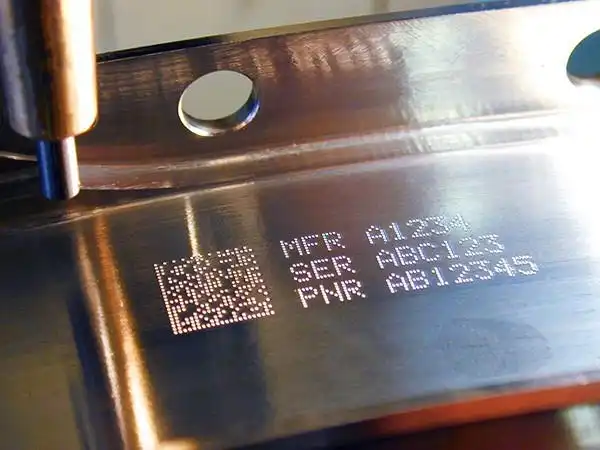
A dot peen machine uses controlled mechanical impact. The system positions a hardened stylus—typically crafted from tungsten carbide reaching HRA92 hardness—above the workpiece surface. This pin is repeatedly lowered by pneumatic or electromagnetic force, generating accurate indentations. Characters, numerals, and graphics are formed from these dots. Material hardness and application requirements determine marking depth from 0.02mm to 0.5mm. This physical displacement of material creates marks that remain legible even after surface treatments, paint application, or decades of environmental exposure. Unlike surface-level laser oxidation or inkjet deposits, indented markings become part of the component.
System Configurations and Capabilities
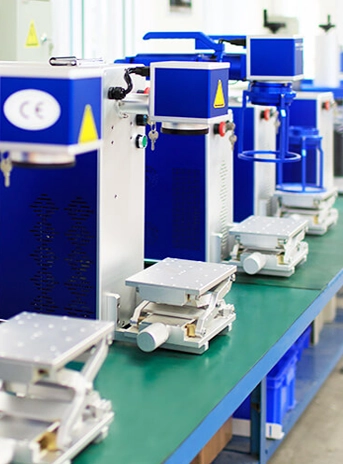
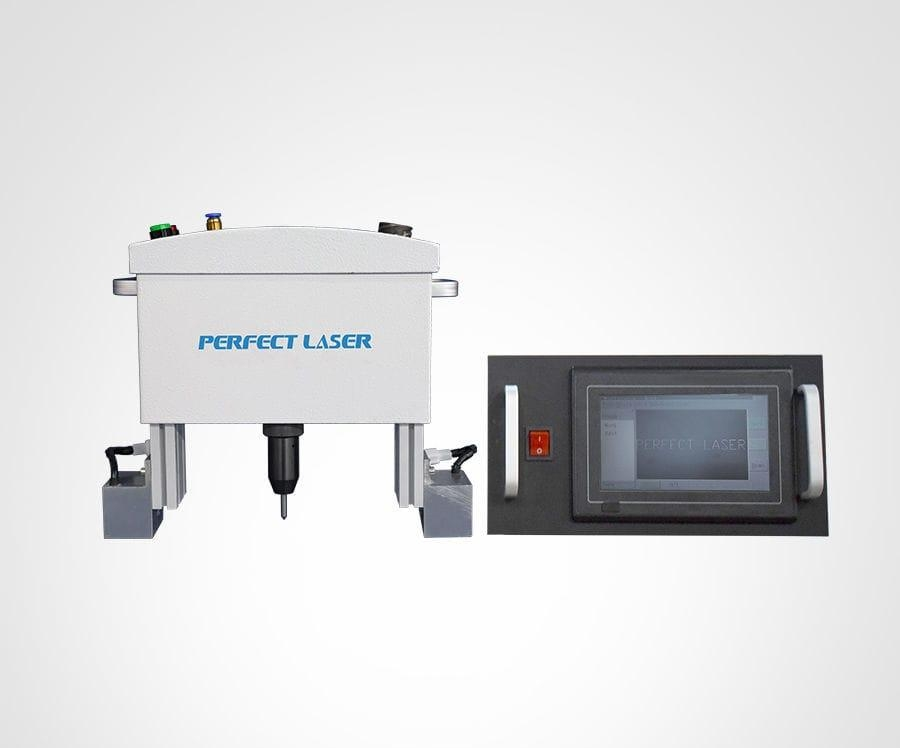
Modern marking systems accommodate different industrial conditions. Benchtop units connect into manufacturing lines carrying components to marking stations. These automated setups label pieces during assembly for high-volume operations.Portable models like Perfect Laser's PEQD-030E weigh 2 kilos. Large assemblies, heavy gear, and installed equipment may be marked using these handheld devices. The LCD control interface lets workers program marking content at the workpiece without a computer.For quieter operation in clean production settings, electric versions use electromagnetic coil systems to move styluses. Compressed air increases impact force, marking tougher objects or generating deeper indentations for optimal durability.
Material Interaction and Mark Quality
Impact marking benefits all materials due to its mechanical nature. The stylus displaces material rather than alters surface chemistry when marking aerospace stainless steel components. This avoids laser-induced heat-affected zones that might damage stress-critical component materials.Properly setup systems work on uneven terrain. Curved pipes, welded joints, and unusual castings are marked consistently by the stylus. Marking as-forged or rough-machined pieces before finishing requires this skill.
Key Advantages of Dot Peen Marking Over Laser and Inkjet Technologies
Manufacturers select marking technologies based on practical operational requirements rather than theoretical capabilities. Our interactions with production engineers across multiple industries reveal consistent patterns in why facilities transition to impact-based marking systems.
Permanent Mark Durability
Main benefit: real-world mark persistence. Road salt, extreme temperatures, and decades of exposure test car chassis. Aircraft components experience jet fuel, hydraulic fluids, and -65°F to 250°F temperature cycling. Shipbuilding components receive saltwater and abrasion. These conditions don't erode impact indents. After blast cleaning, chemical processing, and powder coating, marks appear. Extreme service conditions have produced 15-year-old components with excellent readability. Same exposure erases inkjet markings in months. Surface preparation and chemical cleaning may eliminate laser-oxidation markings.
Comprehensive Material Compatibility
A single dot peen marking machine handles diverse materials without reconfiguration. Morning production runs might mark aluminum aerospace brackets, afternoon shifts process hardened steel tooling, and evening operations label brass electrical components. The system accommodates this variety by adjusting impact force and marking speed through software parameters.
This versatility reduces equipment investment. Facilities avoid purchasing separate marking systems for different material families. The same unit that marks stainless steel pressure vessels also labels ABS plastic housings and copper electrical components. Laser systems often require different configurations or fail entirely on reflective materials, while inkjet systems struggle with porous surfaces.
Economic Advantages Throughout Ownership
Initial acquisition costs for impact marking systems typically range 40-60% below equivalent laser marking equipment. Beyond purchase price, operational economics favor mechanical systems significantly. Laser equipment requires periodic source replacement, sophisticated cooling systems, and electrical infrastructure supporting high power consumption. Inkjet systems demand continuous consumable purchases—inks, solvents, and printhead replacements.
The PEQD-030E system we manufacture demonstrates true maintenance-free operation. The imported high-frequency valve sustains 0.1 to 20 million vibration cycles, supporting operational lifespans exceeding 10 years with MTTF ratings above 15,000 hours. Facilities report operational costs limited to compressed air for pneumatic models or negligible electricity for electric variants. No consumables, no replacement parts, no service contracts required for normal operation.
Operational Flexibility and Portability
Handheld units transform marking from a fixed-station operation to a flexible capability deployed wherever needed. When shipyards must mark identification numbers on assembled hull sections weighing hundreds of tons, portable markers travel to the workpiece. Automotive plants marking VINs on completed vehicles avoid moving assembled units to marking stations.
The standalone operation enabled by LCD interfaces eliminates computer dependency. Operators program marking content directly at the machine, store frequently used templates, and modify parameters without returning to engineering workstations. This independence accelerates production transitions and reduces downtime associated with computer connectivity issues.
Comparative Insights: Dot Peen vs Laser and Inkjet Marking Solutions
Mark Quality and Precision Analysis
Laser systems achieve exceptional visual precision, creating fine characters with sharp edges and minimal mark width. This precision suits applications prioritizing aesthetic appearance on visible surfaces. Impact systems create marks composed of individual dots, producing characters with slightly less visual refinement but far superior functional durability.
The practical question becomes whether aesthetic perfection or functional permanence serves manufacturing objectives. When marking internal components, hidden serial numbers, or parts subjected to subsequent finishing operations, the superior durability of mechanical marking outweighs the visual refinement of laser-created marks.
Production Speed Considerations
Marking speed varies significantly based on content complexity and material properties. Laser systems excel at marking large graphics or extensive text blocks, completing complex marks in seconds. Impact systems mark individual characters sequentially, requiring additional time for lengthy content.
Production environments typically mark concise information: part numbers, date codes, serial numbers, and simple logos. For these typical applications, marking time differences become negligible. A six-character serial number requires 2-4 seconds with impact systems compared to 1-2 seconds with lasers. In production cycles measuring minutes or hours per component, this difference creates no bottleneck.
Safety and Environmental Factors
Laser equipment generates safety concerns requiring protective enclosures, warning signage, and operator training regarding eye hazards. Class 4 laser systems demand room modifications and safety protocols that complicate facility layouts. Maintenance personnel require specific authorization before approaching laser work areas.
Impact marking systems present no unusual safety requirements beyond standard machine shop practices. Operators work directly with portable units without protective equipment beyond normal industrial PPE. This simplified safety profile reduces training requirements, eliminates facility modifications, and allows flexible deployment across production areas.
Inkjet systems introduce chemical handling requirements. Inks and solvents require proper storage, disposal procedures, and exposure monitoring. Ventilation systems must address solvent vapor emissions. These environmental management requirements add operational complexity absent from mechanical marking systems.
Software Integration and Control
Modern marking systems integrate with enterprise manufacturing systems regardless of marking technology. The PEQD-030E supports multiple font standards including MG Font, SHX Font from AutoCAD, CHR from Borland, and TTF Windows fonts. Logo and graphic import accepts DXF format files from AutoCAD and CorelDraw, enabling seamless integration with existing design workflows.
The distinction lies in operational simplicity rather than capability. Impact systems achieve enterprise integration without requiring constant network connectivity or real-time computer control. The LCD interface stores programs locally, allowing continued operation during network disruptions that would halt computer-dependent laser systems.
How to Choose the Best Dot Peen Marking Machine for Your Manufacturing Needs
Selecting appropriate marking equipment, including a dot peen marking machine, requires systematic evaluation of application requirements, operational environment, and integration needs. Procurement decisions benefit from structured assessment rather than feature-list comparisons.
Application-Specific Requirements Assessment
Material hardness determines required impact force and stylus specifications. Marking hardened steel tooling demands higher energy pneumatic systems, while aluminum components accept lighter electric units. Surface finish requirements influence marking depth parameters—rough castings tolerate deeper marks than precision-machined surfaces requiring minimal material displacement.
Production volume affects automation requirements. High-volume operations justify integration expense for automated marking stations within production lines. Lower-volume facilities or job-shop environments benefit from portable units offering deployment flexibility across multiple work centers.
Pneumatic Versus Electric System Selection
Pneumatic systems deliver higher impact force from compact mechanisms, marking harder materials and creating deeper indentations. These units require compressed air infrastructure, typically 6-8 bar pressure at modest flow rates. Facilities with existing pneumatic systems incur minimal additional cost. Operations without air systems must evaluate compressor installation against electric system selection.
Electric markers operate from standard electrical power without ancillary systems. The electromagnetic drive mechanisms deliver adequate force for most marking applications while generating less operational noise. These characteristics suit clean manufacturing environments, electronics assembly facilities, and operations prioritizing minimal infrastructure requirements.
Supplier Evaluation Criteria
Equipment reliability depends heavily on component quality and manufacturer support capabilities. Our PEQD-030E incorporates imported German linear motion guide rails providing automatic lubrication, dust protection, and wind shielding. Japanese positioning switches ensure stable performance and high precision. United States-sourced high-frequency valves sustain millions of operational cycles.
Component sourcing represents one aspect of supplier evaluation. After-sales support, warranty terms, and technical assistance accessibility prove equally critical. Manufacturing equipment serves production for decades—supplier stability and support commitment matter more than minor specification differences. Perfect Laser has supported manufacturing operations since 1995, maintaining consistent technical support and parts availability throughout equipment lifespans.
Software Compatibility and Customization
Marking systems must accommodate existing design and manufacturing execution systems. Evaluate native file format support, database connectivity for variable data marking, and integration capability with MES or ERP systems. The ability to import standard graphic formats prevents design file conversion requirements that complicate workflow integration.
Programming interface complexity affects operator training requirements and production flexibility. Systems requiring specialized programming knowledge create dependency on specific personnel. Intuitive interfaces with template libraries and guided setup procedures enable broader operator autonomy and faster production transitions.
Best Practices for Operating and Maintaining Dot Peen Marking Machines
Proper operation and minimal maintenance requirements sustain marking quality and equipment reliability throughout the extended service life of a dot peen marking machine. These practices apply broadly across impact marking systems regardless of specific configuration.
Operational Setup and Quality Verification
Begin each marking session with stylus condition verification. Visual inspection reveals worn or damaged tips requiring replacement. Test marks on scrap material confirm proper depth, character formation, and positioning accuracy. Parameter adjustment addresses variations in material hardness or surface condition before marking production components.
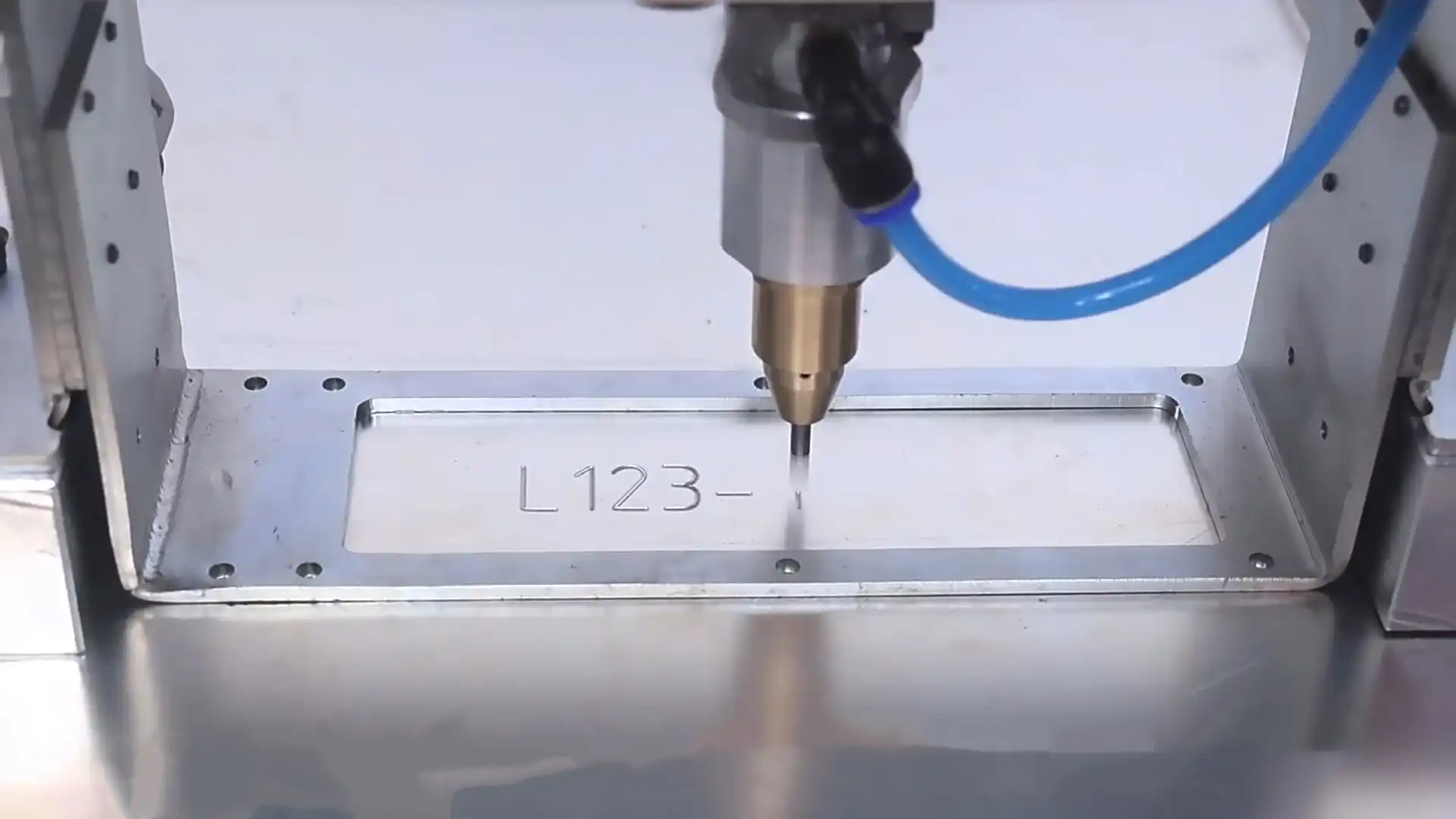
Workpiece fixturing ensures stability during marking cycles. Movement during stylus impact creates incomplete characters or position errors. Simple clamping arrangements suffice for most components—elaborate fixtures prove unnecessary given the modest forces involved in impact marking.
Routine Maintenance Protocols
The maintenance-free design of quality systems minimizes service requirements. Pneumatic units benefit from inline air filtration preventing contamination from compressed air systems. Monthly filter inspection and replacement as needed prevents moisture or particulate introduction.
Stylus replacement intervals depend on material hardness and marking volume. Typical lifespans range from several hundred thousand to several million characters depending on application severity. Stock appropriate replacement stylus assemblies to minimize downtime when replacement becomes necessary. The HRA92 hardness tungsten carbide pins we supply sustain extended operation even on hardened materials.
Linear guide rails benefit from periodic inspection although automatic lubrication systems minimize attention requirements. Annual inspection verifies proper lubrication distribution and absence of contamination affecting smooth movement.
Troubleshooting Common Issues
Incomplete character formation typically indicates insufficient impact force or worn stylus tips. Verify pressure settings on pneumatic systems or drive current on electric units. Inspect stylus condition and replace if wear becomes evident. These adjustments resolve most marking quality concerns within minutes.
Position accuracy problems suggest mechanical alignment issues or software calibration requirements. Verify secure mounting of marking head components and proper workpiece fixturing. Software calibration procedures compensated for any mechanical positioning variations, restoring accuracy to specification.
Long-Term Performance Optimization
Document marking parameters for different materials and applications. This reference library accelerates setup when returning to previously marked component types. Photograph or retain samples of acceptable marks providing visual standards for quality verification.
Operator training emphasizing proper setup procedures and basic troubleshooting prevents minor issues from escalating into production delays. The straightforward mechanical operation makes training uncomplicated—most operators achieve proficiency within hours rather than the extended training periods required for complex laser systems.
Conclusion
Manufacturing facilities selecting permanent marking solutions increasingly recognize that sophisticated technology doesn't always serve practical needs better than proven mechanical systems. The metal laser engraving machine delivers exactly what production environments demand: permanent, durable marks on diverse materials, minimal operational costs, and reliable performance without specialized maintenance. With its sophisticated design and superior imported components, the 2-kilogram PEQD-030E offers these benefits. Impact marking technology's mechanical reliability, material versatility, and economic efficiency explain why experienced procurement professionals in automotive, aerospace, shipbuilding, and manufacturing sectors choose it over theoretically superior options.
FAQ
1. What materials can dot peen marking machines mark effectively?
Impact marking systems handle virtually all metals including stainless steel, aluminum, brass, titanium, and hardened tool steels. These machines also mark hard plastics, composites, and certain ceramics. Material hardness affects marking speed and depth rather than capability—softer materials mark faster while harder materials require additional impact energy or multiple passes. The mechanical nature of the process ensures consistent results across this material range without the compatibility limitations affecting laser systems on reflective surfaces or inkjet systems on porous materials.
2. How does mark permanence compare to traditional engraving?
Both technologies create permanent marks through material displacement, but impact marking offers advantages in speed and flexibility. Traditional engraving removes material in continuous paths, creating smooth characters requiring longer processing time. Impact marking displaces rather than removes material, completing marks faster while achieving comparable permanence. The resulting indentations withstand identical environmental exposure, chemical processing, and surface treatments. Depth adjustment allows impact systems to create subtle marks on precision components or deep indentations matching traditional engraving permanence.
3. What operational lifespan should facilities expect from these systems?
Quality impact marking equipment sustains operational life exceeding 10 years with minimal maintenance. The PEQD-030E achieves MTTF ratings above 15,000 hours based on imported component specifications and field performance data. High-frequency valves sustain 0.1 to 20 million vibration cycles before service requirements. Stylus replacement represents the primary wear item, with lifespans ranging from hundreds of thousands to millions of characters depending on material hardness. Facilities report decades of reliable operation from properly maintained systems, far exceeding typical laser source lifespans requiring periodic replacement at substantial cost.
Partner with Perfect Laser for Superior Marking Solutions
Perfect Laser stands as a trusted dot peen marking machine manufacturer serving production facilities worldwide since 1995. Our PEQD-030E portable system demonstrates our commitment to practical innovation—combining imported German guide rails, Japanese positioning switches, and United States high-frequency valves within an intelligently designed 2-kilogram package. CE, TUV, and SGS certifications validate our quality standards, while 63 registered patents demonstrate continuous technical advancement. We provide comprehensive support including free product consultation, application testing, two-year warranty coverage, and responsive technical assistance. Manufacturing professionals seeking reliable, cost-effective marking solutions for sale benefit from our decades of experience across automotive, aerospace, shipbuilding, and precision manufacturing applications. Contact our team at [email protected] to discuss your specific marking requirements and discover how our systems enhance traceability, compliance, and operational efficiency throughout your production environment.
References
1. Anderson, M.J. & Roberts, K.L. (2021). Industrial Marking Technologies: Comparative Analysis of Permanence and Durability. Journal of Manufacturing Processes, 67, 234-247.
2. Chen, W. & Thompson, R.S. (2020). Cost-Benefit Analysis of Permanent Marking Systems in Automotive Manufacturing. International Journal of Production Economics, 228, 107-119.
3. Davies, P.R. (2022). Material Compatibility and Surface Integrity in Impact Marking Applications. Surface Engineering, 38(4), 445-458.
4. Industrial Marking Association (2023). Best Practices Guide for Direct Part Marking in Aerospace Manufacturing. IMA Technical Publication Series, Volume 15.
5. Martinez, L.A. & Wong, S.H. (2021). Traceability Systems and Marking Technology Selection in Modern Manufacturing Environments. Production Planning & Control, 33(8), 892-906.
6. National Institute of Standards and Technology (2022). Permanent Marking Methods for Component Identification and Traceability. NIST Special Publication 1500-Series.

share your inquiry, get the quotation accordingly.
第一张审核员说包含其他公司不能用_1755049724891.webp)
Perfect Laser – Global Manufacturer of Reliable Laser Solutions