Buying Guide: How to Choose a Die board Laser Cutting Machine
When packing companies, printing companies, and advertising firms choose the right die board laser cutter, it changes how they do precise cutting jobs. Focused CO2 laser beams are used by this machine to cut complex designs into 15mm to 25mm thick corrugated cardboard, wooden die boards, and other similar materials. Modern laser systems include CAD software for direct digital-to-cut processes, while older sawing tools need to be drawn and aligned by hand. Perfect Laser specializes in this technology and has 400W and 600W types that can cut die, boards very accurately and with very low costs. If you know which specs match your production rate and material needs, you can be sure that the tools you buy will give you steady results for years to come.
Understanding Die Board Laser Cutting Technology
How Laser Cutting Works for Die Boards
Die board laser cutters use precision optics. Lasers melt or vaporize substrate in predefined lines, leaving clean, untouchable margins. Perfect Laser machines use 300W to 600W sealed CO2 laser tubes to cut 25mm hardwood die boards in one pass. The Auto Following and Focus System adjusts the cutting head to maintain laser focus on uneven surfaces. The method solves mechanical cutting concerns such worn blades, material migration, and fluctuating kerf widths.Y. Workspaces range from 900x900mm to 1200x1800mm. Create CAD designs and transfer them to the DSP remote via USB. LCD tablets simplify manufacturing parameter modifications without computers. Better than mechanical cutters, Panasonic servo motors install imported ball screws on reinforced guide rails. Accuracy is needed to cut die board component bridge slots (0.45mm, 0.71mm, 1.05mm, 1.42mm).
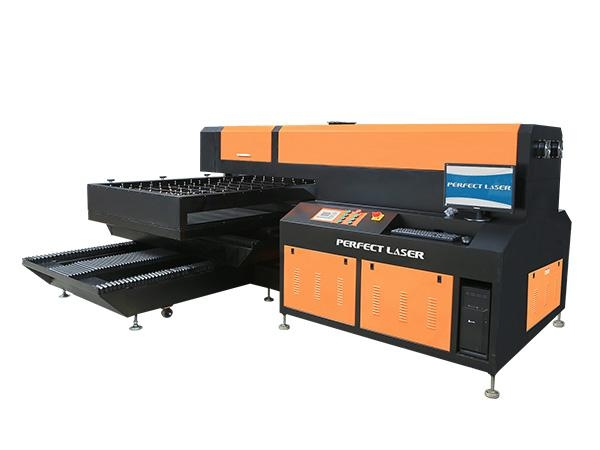
Advantages Over Traditional Methods
Pencils mark die board patterns, band saws cut them, and bridge holes are hand-drilled. At each level, people squander and make errors. Automation reduces laser die cutting inefficiencies. Once configured, the machine cuts continually. You get actual benefits that boost revenue and output. Due to their smaller base, narrow laser kerfs (0.3mm to 0.5mm) utilize more material than saw blades. Perfect Lasers provide commercial-grade output with 10% industrial laser power. These devices use compressed air instead of costly neutral gases like nitrogen or argon to cut straight. Maintenance is lower for modules since fewer moving parts wear out. These characteristics reduce ownership expenses over conventional instruments. Manufacturing plans rise. A laser system can operate 24/7 without operator fatigue affecting quality. The item is the appropriate size because non-contact cutting prevents pressure warping. Packaging businesses say laser automation speeds up turnaround by 40–60%. Printers can swiftly develop and fulfill bespoke orders by changing designs without retooling.
Key Factors to Consider When Choosing a Die Board Laser Cutter
Laser Power and Material Compatibility
Power output determines cutting speed and material thickness. 300W laser tubes perform well with folded cardboard and 15mm boards. Use 400W or 600W for heavy materials or boards up to 25mm thick. Perfect Laser has both power ranges, so you may match its talents to your task. Higher power cuts smaller materials faster, which speeds your everyday labor while you're processing several orders.
Material compatibility extends beyond breadth. varying media absorb laser energy at varying rates depending on their composition and wetness. Sealed CO2 lasers cut cardboard, wood, MDF, and certain polymers used in die board manufacture. Beam quality influences edge finish. Ideal laser tubes deliver constant output with minimum power fluctuation, resulting in clean cuts that don't need finishing. Make sure a die board laser cutter has been tested with your materials before buying it.
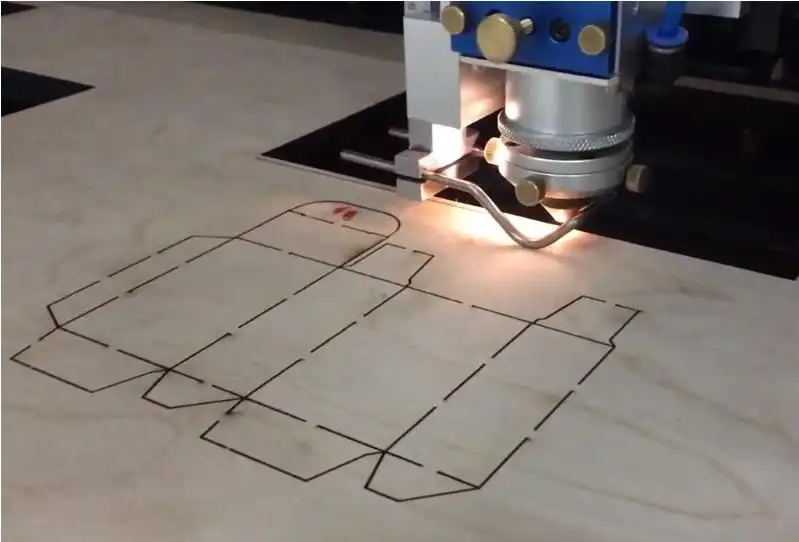
Cutting Area and Workspace Requirements
Choose the proper bed dimensions to avoid output jams. Standard die board sizes for packaging are 1050mm x 750mm, although unique sizes may vary. The 1200×1200mm work space is suitable for most company requirements and may be easily installed via standard doors. Larger 1200×1800mm models are ideal for large printing plates or simultaneous tasks. Consider your largest regular project plus 50mm on each side for clamping and alignment.
Physical presence matters in packed meetings. Perfect Laser creates tiny frames that maximize cutting surface for floor space. The tempering heat-treated lathe bed doesn't flex after years of usage, therefore calibration accuracy is seldom verified. Installation usually requires 380V three-phase power and adequate airflow to remove laser fumes. For the operator to load materials, leave 500mm around the machine's edges.
Automation and Software Integration
Modern die board laser cutters may function as industrial cells when properly configured. DSP offline control systems save task files on their hard drives, so work may continue if the attached computer breaks or is disconnected. Connecting design tools to USB simplifies file transfer. Advanced kinds may handle tasks on numerous computers over a network. Perfect Laser LCD touchscreens display cutting factors live. This enables staff monitor progress and adjust parameters without training.
Working with CAD and CAM technologies speeds up the idea-to-product process. The laser driver can receive DXF, AI, and PLT files without the stages that might cause format errors. Some systems employ auto-nesting to save waste and combine numerous patterns on one board. High-end camera tracking systems must automatically align cutting paths with printed registration markings for multi-step procedures. Check whether the tools you want will function with your design program or need additional software.
Budget and Total Cost Analysis
The purchasing price just covers the first expenditure. Daily operational expenses include electricity, replacement parts, and maintenance. Compressed air instead of gasses makes Perfect Laser systems efficient. This cuts supply costs by thousands annually. Normally, 300W and 400W sealed CO2 tubes survive 8,000 to 10,000 hours, or 4 to 5 years of single-shift operating. Modular architecture simplifies maintenance, reducing downtime when pieces need to be changed.
Laser die cutting financing lets developing enterprises use high-tech equipment. Many suppliers offer payment options depending on machine revenue. Multiple units may be discounted, which helps growing enterprises. Calculate the ROI by calculating how much labor automation, increased productivity, and better quality will save, reducing errors. Most packaging firms report an 18–24-month ROI on laser cutting technologies vs manual operations.
Comparing Market Solutions: Which Die Board Laser Cutter Fits Your Business?
Technology Comparison: Laser vs. Mechanical Cutting
Router-based die board laser cutters use spinning carbide bits to shape hardwood bases. Though cheaper, these methods need frequent tool replacement. Dull bits slow cutting, and tool breadth restricts feature size, making fine details difficult. Mechanical shaking noise above 80dB requires hearing protection at work. Processing using vacuum tables and clamps may damage surfaces or misalign objects.
Laser die cutting avoids these issues by not touching. Quality beams never fade or shatter after millions of cuts. Since there is no minimum tool radius, complicated designs with sharp corners and thin bridges work effectively. Noise is below 65dB, like a discussion. This enhances workplace comfort. Lasers with one cutting head and flight optical path are ideal. The laser source is static and mirrors direct the beam, making maintenance easier than with moving gantries. Years of use make this setup stronger.
Lasers are safer than other technologies when used appropriately. Operators cannot touch the beam in closed cutting rooms. If anything goes wrong, emergency stop buttons stop procedures. Mechanical cutting bits may break or snag loose clothing. Opened linked doors in modern laser systems cut the beam. This meets OSHA safety standards. Fume extraction improves air quality. This is essential in enclosed environments.
Brand and Model Selection
Perfect Laser has 30 years of printing and packaging expertise. Over 10,000 customers worldwide helped us improve our die board cutting equipment. The 400W variant is fast and affordable for small to medium-sized enterprises that make 50 to 200 boards each week. A factory that manufactures a lot or employs thick materials should upgrade to 600W. Both locations share computer systems and software, making operator training straightforward as capacity grows.
For fair product comparison, reliable manufacturers supply detailed specs. Verify claims using a cutting thickness sample from genuine materials. Max releases may need optimum conditions. Quality-check laser tubes, servo motors, and guide rails. Perfect Laser employs precision ball screws and Panasonic servos. Frames and optical equipment are made in-house to exact specifications. This method offers industrial-grade performance at costs comparable to imported systems.
Case studies and customer reviews show the product's genuine efficacy, not just promotion. Packaging companies employing Perfect Laser devices report 99.2% uptime following setup and training. The Auto Following and Focus System keeps fixed-head designs focused, ensuring high-quality full-thickness die and boards. Consider on-site training and installation while comparing vendors. Complex equipment needs correct configuration to work. For initial system functionality, Perfect Laser offers engineer-led installation internationally.
Matching Equipment to Business Scale
Starting systems with 900x900mm cutting surfaces are suited for small print companies and packaging startups. They can accommodate standard die board sizes and are small. Businesses may estimate market demand before buying bigger instruments since the initial expense is minimal. Perfect laser designs allow adding power tubes or workstations easy as production rises. This adaptability enables you increase features without purchasing new systems, saving money.
Medium-sized organizations with different duties need 1200x1200mm or 1200x1500mm workstations. These models handle huge orders without moving materials, boosting accuracy and efficiency. The extra space lets the machine process more tiny boards at once, maximizing capacity. Heavy-use facilities with two or three shifts should prioritize strong construction and high-quality parts. Foreign motion systems and tempering heat-treated frames make Perfect Laser industrial-grade.
Contract die board and packaging makers want maximal automation. Utilize the 1200×1800mm configuration with 600W laser power for efficient daily manufacture of hundreds of boards. Integrate company resource planning with automated material loading, barcode job tracking, and network connection. Customizing tools to your workflow boosts productivity beyond traditional configurations. Specialized tools and fittings may cut cycle times and labor costs further when their job volume justifies the cost.
Procurement Best Practices for Die Board Laser Cutting Machines
Finding Reliable Suppliers and Distributors
Foreign consumers should buy die board laser cutters from authorized distributors. Electrical, safety, and commercial rules are known by local officials. To reduce replacement downtime, they store extra parts. Perfect Laser has European, Asian, and North American partners. It guarantees help when required. Unlike resellers, authorized distributors get manufacturer training and technical assistance.
Industrial fairs and trade shows allow you try equipment before purchasing. Large printing and packaging displays allow tool testing with your own materials. This hands-on experience determines convenience, cutting ability, and production speed. Visitors are welcome at Perfect Laser factories worldwide. Watching production and quality control builds trust in the tools and source.
In-person review supplements online studies. Instead of maker websites, check industry forums and social media for customer reviews. Clarify and verify technical specs. The concepts "high precision" and "fast cutting" are useless. Perfect Laser boasts exact positioning (±0.01mm), cutting speed, power consumption, and file formats. Author confidence and fair comparison of possibilities are shown via clear data presentation.
Evaluating Total Cost of Ownership
While purchase price is important, recurring costs show an item's actual worth. Energy costs are calculated using expected power demand and local rates. Perfect laser systems cut 6–8 kW, or $1.20–$1.60/hour at industrial power prices. Compressed air tools cost less than nitrogen or argon ones. Replace tubes once a year if used regularly. They last longer with regular maintenance.
Implementation output is affected by training expenses. Complete instructions decrease operator mistakes that harm equipment. Perfect Laser equipment comes with free design software, machine operation, and maintenance training. As staff changes, expect two to three days of initial training and refresher sessions. Some vendors include training or teach basic procedures, making advanced skills useless. Make training scope and expense clear throughout purchasing discussions.
Customer happiness and tool productivity rely on after-sales assistance. Perfect Laser lifetime technical support responds within 24 hours, across time zones. The one- to two-year warranty covers manufacturing flaws and damaged parts, depending on model. How durable is the provider? A decades-old company may maintain your equipment forever. Newer enterprises may be cheaper, but they may collapse, leaving you without components or skilled help.
Negotiation Strategies for Optimal Terms
Most bulk purchases are cheaper than single-lot purchases. Package deals that include many tools over time may help you grow. When suppliers know order quantities, they may discount. Perfect Laser prioritizes distributors and bulk purchasers since your success is vital to our image and future. Free value-added services including extended warranties, training, and spare parts packages are available to one-unit purchasers.
Payment periods affect planning and cash flow. As usual, a 30–50% payment and balance are due before shipping. Leases and loans stretch expenditures across 24–60 months, saving cash for items and labor. Financing firms may provide cheap rates and easy approval to equipment vendors. Compare totals and interest rates for each choice. Some manufacturers provide discounts if you pay in full, but they lose money they might use for expansion.
Delivery and installation need coordination of shipping, customs clearance, and building preparation. Customs requires business receipts, certificates of origin, and technical requirements for foreign tool purchases. Perfect Laser advises on export documentation and machinery-moving goods forwarders. Fit installation into your production plan to minimize disturbance. Make sure your estimate includes skilled setup and delivery. Low bids may cost more.
Safety, Troubleshooting, and Best Practices for Optimal Use
Essential Safety Protocols
Laser energy may damage, thus operators must be aware and take precautions. Always link cage doors that turn off the beam when opened. All viewing windows should prevent CO2 wavelengths as even reflected laser light may damage your eyes. Perfect Laser tools include global safety measures but must be maintained. Check door locks and interlocks periodically for safety.
Fume extractors remove burning debris from biological cutting. Wood and cardboard smoke include particles and volatile chemicals that might irritate the lungs with extended exposure. A laser exhaust port should be linked to outside air ducts or filters. Fumes are hard to perceive and fire-prone, thus airflow is crucial. Follow manufacturer instructions for filter cleaning or replacement. Mobility issues reduce cutting quality and equipment damage.
Cut fire-prone items carefully to avoid fires. Leave the machine alone while using fresh media. Carry a decent fire extinguisher. The ABC dry chemical laser cuts most projects. Laser hits may ignite cutting bed dust, so clean it regularly. High-end Perfect Laser systems disable flame detection sensors immediately after ignition. Good material handling and equipment cleanliness may avoid most fires.
Common Troubleshooting Issues
Poor cutting quality in a laser die cutting machine frequently results from focus location, laser power, or material issues. Make sure the focus point is deep enough for the material thickness if the sides seem burnt or incomplete. In Perfect Laser machines, Auto Following systems do this for you, while manual systems need careful setup. Check laser tube output using a power meter. Tubes weaken over thousands of hours. Due to limited power, cutting rates must be lowered, or many passes are needed to maintain quality.
Unexpected software and control issues halt production. Moving complicated designs on low-quality USB devices damages data. Install dependable storage devices and verify file opening before commencing work. Restarting a frozen DSP device may require turning it off and on again. Perfect Laser's offline control methods function without a computer. It prevents IT issues from disrupting work. Update your remote program for bug fixes and new features.
Mechanical difficulties arise from routine wear and tear. Listen for odd noises of wear or loose parts. Grinding or screaming during motion indicates unoiled guide rails and ball screws. Perfect Laser recommends lubricating belts every 500 hours and monitoring belt tension. The modular design enables you to replace parts without disassembling. Repairs usually take one to two hours. On-time preventive maintenance, as indicated in operating manuals, prevents costly malfunctions that shut down production without notice.
Maximizing Performance and Longevity
How well material cuts depend on preparation. Make sure the die boards are level on the cutting bed and don't bend or twist to modify the focus distance. Cleaning surfaces before touching them prevents contaminants from absorbing laser energy and reducing cutting efficiency. Maintain materials in climate-controlled areas with 40–60% relative humidity. Laser cutting is less effective in damp circumstances, whereas static electricity is worse in dry settings.
Optimising layer and material characteristics improves quality and speed. To finish cutting thicker boards, proceed slowly and make more passes. Try varying power and feed rates on scraps before dealing with critical items. Perfect Laser offers beginning options for most substrates, but you may need to adjust for optimum results. The best parameters should be recorded so future output runs get the same results.
Regular calibration maintains positioning accuracy over time. Check the motion system squareness every three months using precision squares and gear markers. Place alignment markers on the bed to check laser beam alignment along the optical path. Perfect Laser's single-head cutting design with flying optical path simplifies multi-point calibration compared to expensive gantry systems. Regular maintenance will keep your tools running like new for almost 10 years.
Conclusion
To choose the best die board laser cutter, you need to think about technical specs, your budget, and how you will get help in the future. Perfect Laser systems have been used by over 10,000 people around the world for 20 years and have a track record of success. Our 400W and 600W models use compressed air instead of expensive inert gases to cut die boards up to 25mm thick with great accuracy. The Auto Following and Focus System, motion components that were brought in from other countries, and flexible design all work together to make the machine very reliable and low-maintenance. Whether you run a small print shop or a large packaging plant, making sure that the tools you buy match the amount of work you do will give you the best return on your investment and give you an edge in competitive markets.
FAQ
1. What thickness of die board can Perfect Laser machines cut?
Die board laser cutters from Perfect Laser can cut 15mm to 25mm thick materials simultaneously. Popular packaging materials including hardwood die boards, corrugated cardboard, and MDF may be cut by the 400W and 600W CO2 laser tubes. Material density affects cutting speed; soft materials cut quicker than hard ones. The Auto Following and concentration System maintains the greatest cutting concentration. This ensures quality throughout, regardless of surface thickness.
2. How does laser cutting compare to traditional saw-based methods?
Laser die cutting eliminates hand-marking, reduces waste by narrowing the kerf width, and may be used continuously without reducing quality due to tool wear. Cutting effectively with a conventional saw requires expertise, and shifting workpieces between operations may cause alignment errors. Perfect Laser technologies achieve ±0.01mm precision, whereas human techniques typically achieve ±0.5mm. By preventing pushing forces from warping the die board, the non-contact laser process maintains its dimensions. Laser cutting employs pressurized air instead of cutting tools that need to be changed, lowering corporate costs.
3. What maintenance does a die board laser cutter require?
Regular maintenance includes cleaning optical components monthly, oiling guide rails and ball screws every 500 hours, and checking belt tension every three months. 8,000 to 10,000 hours—4 to 5 years of single-shift use—is the lifespan of the sealed CO2 laser tube. The modular architecture of Perfect Laser makes parts easy to access, reducing maintenance time and effort. If used often, fume extraction screens must be cleaned or changed to maintain airflow. Operation manuals provide a maintenance strategy to prevent equipment from breaking down unexpectedly and maintain quality for over 10 years.
Partner with Perfect Laser for Superior Die Board Cutting Solutions
Perfect Laser has been making industrial laser tools for more than 30 years. They work with packing companies, printing companies, and advertising firms in more than 60 countries. Our types of die board laser cutters come with high-tech features like Auto Following and Focus Systems, Panasonic servo motors, imported precision guide rails, and sealed CO2 laser tubes that put out 300W to 600W. As a reliable company that makes die board laser cutters, we offer full support, such as free consultations, lifetime technical support, installation by an engineer from another country, and full training. Our machines can cut die boards up to 25mm thick very accurately using compressed air, so they don't have to use expensive inert gas as other systems do. Email our experienced team at [email protected] to talk about your unique cutting needs and get suggestions that fit your budget and output volume. We offer demo cutting services so you can see how well your real materials work before you decide to buy them.
References
1. Yilbas, B.S., "Laser Cutting Quality Assessment and Thermal Efficiency Analysis," Journal of Materials Processing Technology, Vol. 155-156, 2004.
2. Powell, J., "CO2 Laser Cutting," Springer-Verlag London Limited, 1998.
3. Chryssolouris, G., "Laser Machining: Theory and Practice," Springer Science & Business Media, 2013.
4. Steen, W.M. and Mazumder, J., "Laser Material Processing, Fourth Edition," Springer-Verlag London, 2010.
5. Ion, J.C., "Laser Processing of Engineering Materials: Principles, Procedure and Industrial Application," Elsevier Butterworth-Heinemann, 2005.
6. Dubey, A.K. and Yadava, V., "Laser Beam Machining—A Review," International Journal of Machine Tools and Manufacture, Vol. 48, Issue 6, 2008.

share your inquiry, get the quotation accordingly.
第一张审核员说包含其他公司不能用_1755049724891.webp)
Perfect Laser – Global Manufacturer of Reliable Laser Solutions