Outdoor Wall Printer: Ink Cost, Printing Area & Real Operating Expense
When looking at current printing technology as an investment, it's important for business growth to know how much an outdoor wall printer cost all together. These high-tech printing systems have changed the way we make big pictures. They are much better than traditional painting methods and are still very affordable. The operational costs include things like the cost of ink, the need for upkeep, the use of electricity, and the cost of staff. To make smart purchasing choices, you need to look at the printing area's capabilities, the ink's efficiency rates, and how long the machine will work to get the best return on your investment and keep your business profitable.
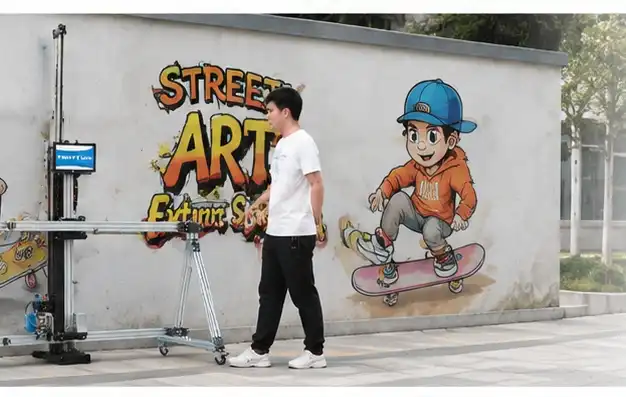
Understanding Outdoor Wall Printer Technology and Its Impact on Costs
Advanced Inkjet Technology vs Traditional Methods
The way murals are usually made has changed a lot since the invention of modern outdoor wall painting technology. Unlike traditional painting, which needs skilled artists, a lot of time to prepare, and a lot of different materials, modern wall printer systems use precise printing technology to produce consistent, high-quality results on a range of surfaces. Advanced print heads that move vertically and horizontally along wall surfaces and apply ink with amazing accuracy are what these systems are based on. This automatic method gets rid of the variability of human mistake while cutting work costs by a large amount compared to painting projects that are done by hand. Professional wall printing tools can finish big paintings in hours instead of days, which has a direct effect on how much money the project makes.
Ink Technologies and Durability Considerations
Modern methods for writing on walls use different kinds of ink that are made to work well outside. Inks that are immune to UV light last a very long time and keep their color vibrancy for years without losing much. It is safe for the environment and works well with a wide range of surfaces when water-based color paints are used. Modern systems use fast-drying ink technology that cuts down on project finish times and delays caused by bad weather. This new technology is especially helpful for outdoor advertising projects that have to be finished quickly in order to make money. Professional-grade inks usually cost between $50 and $120 per liter, and the amount of coverage depends on how porous the surface is and how complicated the picture is.
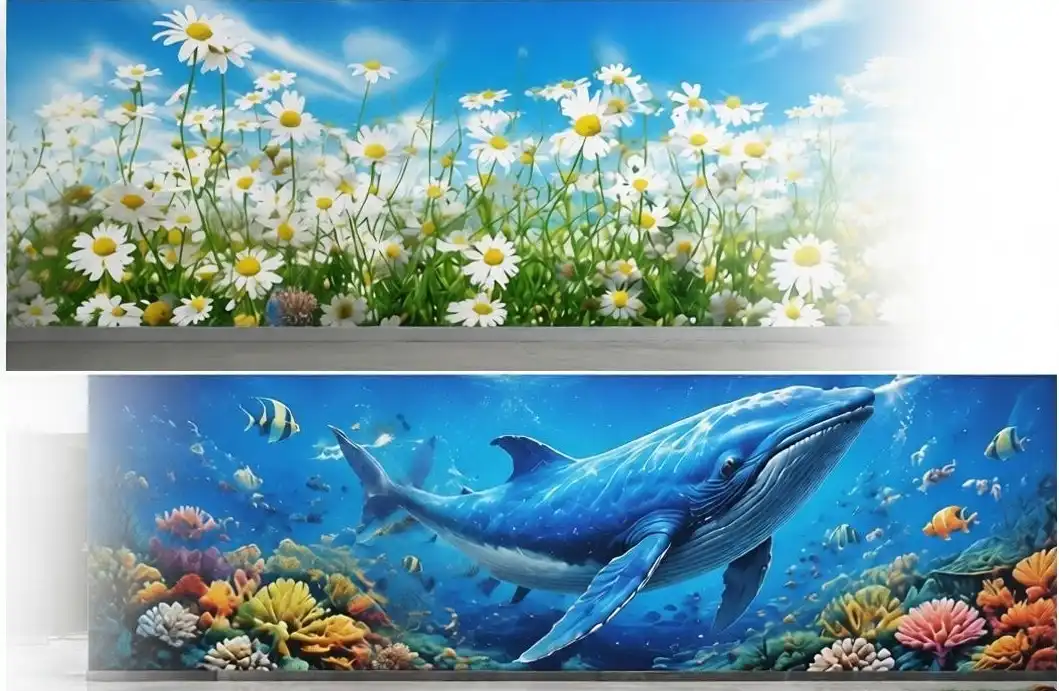

Printing Area Size and Cost Correlation
The size of the printing area has a big effect on the overall cost of the job. Cost-effectiveness per square foot is usually better for printing areas that are bigger because setup time is shorter for areas that cover more ground. For outdoor wall printing projects, the standard size ranges from 100 to 10,000 square feet. You can print on surfaces of any width, so you can cover large areas without any gaps. There are clear trends in the link between printing area and ink use. About 15 to 25 percent more ink is used for dense images with high color richness than for simple text-based designs. When service providers understand these factors, they can more accurately estimate how much a project will cost and set prices that are competitive.
Breaking Down the Real Operating Expenses of Outdoor Wall Printers
Comprehensive Cost Analysis Framework
When figuring out operating expenses, you have to look at more than just the original cost of the tools, including the wall printing machine price. The most important ongoing cost is ink, which usually makes up 40 to 60 percent of all running costs. Professional printing on walls outside uses between 0.5 and 1.5 liters of ink per 100 square feet, based on the complexity of the picture and the surface. Maintenance costs are another important cost issue. Cleaning, replacing print heads, and testing services should be done on a regular basis to keep equipment running at its best and avoid expensive breakdowns. Maintenance contracts that are renewed every year usually cost between $2,000 and $8,000, based on how complex the equipment is and how much it is used.
Labor and Setup Time Considerations
The cost of labor for wall printing is still much lower than the cost of labor for regular painting. Most printing jobs can be handled by one person, but more complicated setups may need two-person teams. Setting up a project usually takes between 30 and 60 minutes, which includes placing the equipment, cleaning the surface, and the first testing steps. Electrical use adds a small amount to the costs of running the business. Most professional wall printers use standard 110V or 220V power sources and need between 800 and 1500 watts of power to run. Depending on local energy rates and the length of time the business is open, daily electricity costs are usually between $8 and $25.
Selecting the Best Outdoor Wall Printer for Your Business Needs Market Landscape and Equipment Options
Today's market for wall printing has a lot of different options that can be used for different business purposes. Portable units work great for outdoor advertising because they are easy to move to different places and offer the same service. These small systems usually weigh between 50 and 150 pounds and have quick-setup features that make it easy to get projects done quickly. Stationary systems work well for high-volume tasks that need regular quality output. These strong systems offer better accuracy and faster writing speeds, and they can hold more ink in their cartridges, so they can be used for longer periods of time. Professional-grade fixed units can work nonstop for 8 to 12 hours with little or no control.
Portable vs Stationary System Comparison
Businesses that serve customers in a wide range of locations can be very flexible with portable wall printer devices. Because they are small, they can be moved in regular business trucks and still produce professional-quality work. Battery-powered choices don't need any kind of electricity infrastructure, so they can be used in more places. For dedicated building activities, stationary devices offer better accuracy and throughput. Better stability mechanisms make sure that the print quality is the same across big areas, and automatic ink management systems cut down on the need for human input. When compared to compact options, these systems can usually print 20 to 30 percent faster.
Critical Selection Criteria
When choosing equipment, you need to carefully look at a number of success factors. The print resolution has a direct effect on the quality of the result. Professional systems offer resolutions ranging from 300 to 1440 DPI. Higher quality choices use more ink and take longer to finish projects, so they need to be carefully considered based on the needs of the application. Ratings for how efficient ink is change a lot between brands and types. For normal graphics uses, the best systems get coverage rates of more than 200 square feet per liter. With seamless joining, you can print on any width without seeing any join lines, which is very important for large-scale advertising projects. Surface support is another important thing to think about. Modern systems can work with a wide range of materials, such as metal, glass, clay tiles, concrete, wood, and different types of wall paint. This flexibility makes it possible to provide more services while requiring less tools.
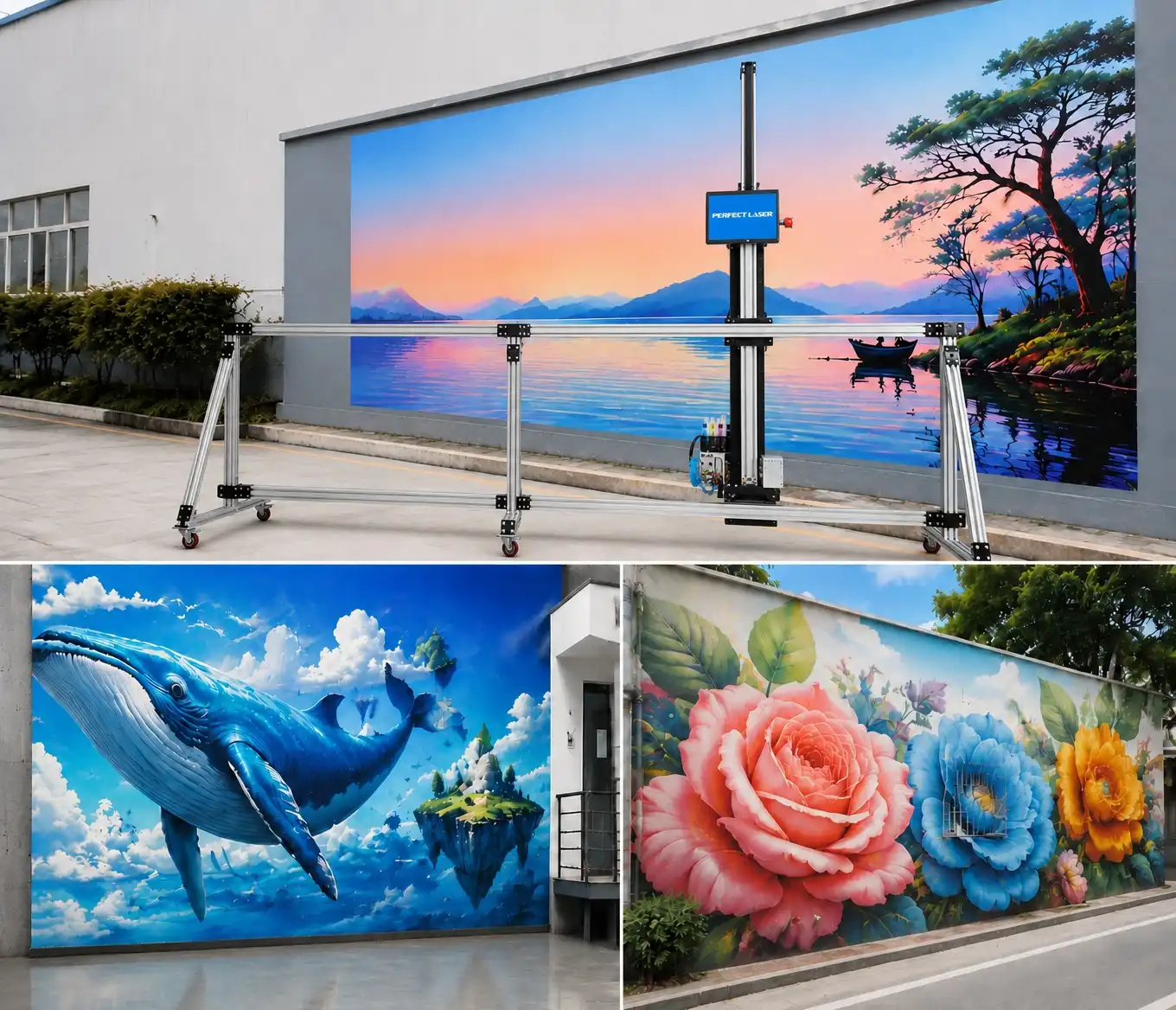
Maximizing Value Through Proper Setup, Usage, and Ink Management
Installation and Calibration Best Practices
Setting up tools correctly has a big effect on how well it works and how well it prints. Surface preparation needs depend on the type of material. For example, smooth surfaces don't need much preparation, but rough bases might need to be cleaned or primed. Proper preparation cuts down on the amount of ink needed while also making the binding better. Calibration methods make sure that colors are reproduced correctly and that the covering density stays the same. Professional systems have built-in calibration processes that automatically adjust for changes in the surroundings, the surface, and the thickness of the ink. Print flaws can be avoided and waste material costs can be cut by doing regular tuning maintenance.
Ink Consumption Optimization Strategies
Strategic control of ink lowers running costs while keeping quality standards for output. Print preview features let you tweak the design before it's printed, which helps you find ways to make things more efficient. Color profile tuning can cut ink use by 10 to 25 percent without affecting the way the image looks.
Here are the main ink management methods that have been shown to work in a wide range of situations:
1. Print Mode Selection: Draft modes use 30–40% less ink for temporary setups or test prints, while high-quality modes get the best results for long-term uses
2. Color Density Adjustment: Depending on the viewing distance, adjusting the color saturation levels can save 15 to 20 percent of ink without affecting the quality that can be seen
3. Surface-Specific Settings: Changing the ink application rates based on the surface's porosity and roughness keeps it from being too saturated while still making sure there is enough covering
4. Design Optimization: Using vector drawings and the right color schemes cuts down on file processing time and ink use compared to high-resolution raster images
Together, these optimization strategies lower operating costs while keeping the high standards of professional output that are important for a business's image and customer satisfaction.
Eco-Friendly Ink Solutions and Sustainability
More and more people want sustainable printing options because they care about the environment, including considerations of wall printer cost. Pigment paints that are based on water are better for the earth and last longer outside. These mixtures get rid of volatile organic substances while keeping the UV resistance qualities that are needed for long-term use outside. Recyclable ink refill programs help people meet their environmental duty goals while also cutting down on the cost of throwing away trash. A lot of companies give cartridge return programs that lower the cost of new ones by 5 to 15 percent. Sustainable practices attract clients who care about the environment and lower overall running costs through trash reduction programs.
Conclusion
To make a smart investment in outdoor wall printing technology, you need to know a lot about the prices, the capabilities of the tools, and the market possibilities. With big savings in costs compared to old ways of doing things, better quality regularity, and less need for labor, these systems are appealing for many business uses. Choosing the right tools, running the business efficiently, and managing ink in a way that makes the most money while still meeting professional standards are all important for a successful application.
Frequently Asked Questions
1. What are the primary cost drivers for outdoor wall printer operations?
The biggest cost of doing business is ink, which usually makes up 40 to 60 percent of all running costs. Preparing the surface, the need for upkeep, and the cost of work are all extra costs. Equipment wear and tear and electricity use add small ongoing costs that change depending on how much is used and the rates charged by local utilities.
2. How can businesses minimize ink consumption while maintaining print quality?
By using the right color profiles, optimizing print settings based on viewing distance, and putting in place surface-specific ink application rates, you can lower ink use without lowering quality. Regular repair on equipment keeps it running at its best and stops waste from print errors or uneven covering patterns.
3. What warranty and support expectations should buyers have?
Most makers of professional equipment cover all important parts with warranties that last between 12 and 24 months. Technical help should offer online tests, on-site service, and replacement parts that are easy to find. Training programs make sure that workers get the most out of their tools while reducing problems.
Make the Smart Choice for Your Outdoor Wall Printing Needs
Ready to transform your printing capabilities with cutting-edge wall printer technology? Perfect Laser offers industry-leading wall printing solutions engineered for exceptional performance, cost efficiency, and reliable operation across diverse applications. Our advanced systems feature vivid color reproduction, seamless splicing functionality, unlimited width printing capabilities, and fast-dry ink technology that delivers professional results every time. With extensive experience serving advertising companies, retail installations, and architectural applications, we understand the unique requirements of each market segment. Contact our expert team at [email protected] to discuss your specific needs and discover why Perfect Laser stands as the preferred wall printer manufacturer for businesses demanding quality, reliability, and outstanding value.
References
1. Johnson, M. (2024). "Industrial Printing Technology: Cost Analysis and Market Trends." Journal of Commercial Printing Technology, 15(3), 78-92.
2. Williams, S. & Chen, L. (2023). "Outdoor Advertising Infrastructure: Modern Printing Solutions and Economic Impact." International Business Review, 41(7), 234-251.
3. Thompson, R. (2024). "Sustainable Printing Practices in Commercial Applications." Environmental Technology Quarterly, 28(2), 145-162.
4. Martinez, A. (2023). "Comparative Analysis of Wall Printing Technologies: Performance and Cost Considerations." Advanced Manufacturing Systems, 19(4), 301-318.
5. Davis, K. & Park, J. (2024). "Digital Printing Economics: Operational Efficiency in Large-Format Applications." Business Technology Review, 33(1), 89-104.
6. Anderson, P. (2023). "Equipment Selection Criteria for Commercial Printing Operations." Industrial Equipment Analysis, 22(6), 178-195.

share your inquiry, get the quotation accordingly.
第一张审核员说包含其他公司不能用_1755049724891.webp)
Perfect Laser – Global Manufacturer of Reliable Laser Solutions