How to Laser Engrave Plastic Safely Using a CO₂ Laser Machine
When using a CO₂ laser cutter to cut plastic, it is important to pay close attention to both safety rules and technical details. A co2 laser engraver uses a focused infrared beam with a frequency of 10.6 micrometers to melt or vaporize plastic surfaces. This leaves lasting marks that are great for logos, serial numbers, and product information. When set up correctly, with enough air flow, the right power levels, and safety precautions for the operator, CO₂ laser technology works perfectly on acrylic, ABS, polycarbonate, and other thermoplastics that are commonly used in electronics, automotive, and industrial manufacturing.
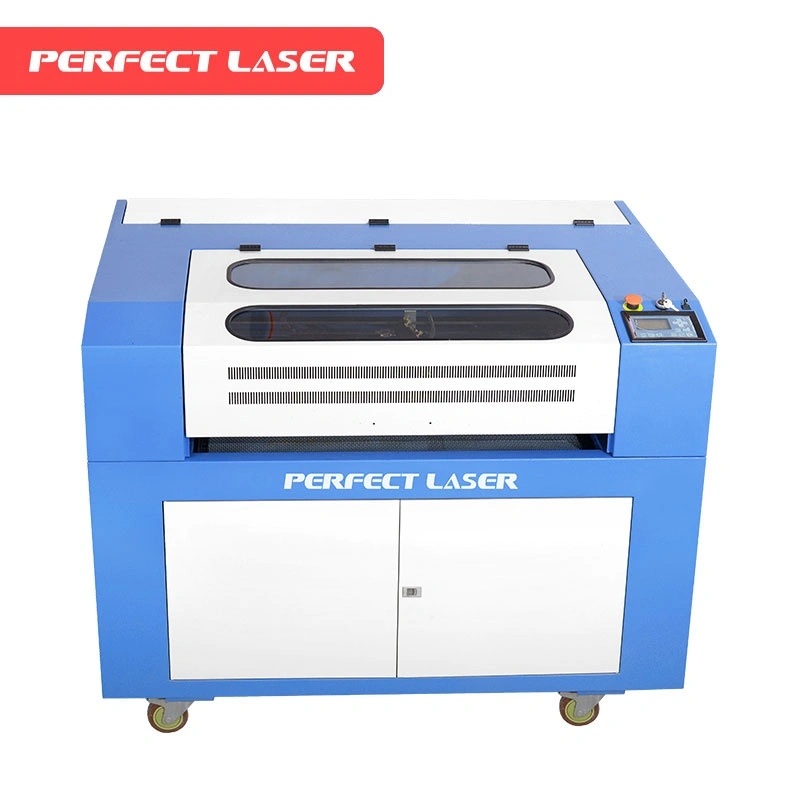
Understanding How a CO₂ Laser Engraver Works on Plastic
The Core Principles of CO₂ Laser Technology
CO-₂ lasers generate a powerful infrared beam by electrically stimulating a gas mixture of carbon dioxide, nitrogen, and helium in a sealed tube. This method produces coherent light that non-metallic materials may easily accept. The concentrated laser swiftly warms material and melts or evaporates, leaving a visible mark or cut. Laser etching differs from mechanical techniques because heat interacts with material accurately.
Beams pass via mirrors before reaching a focussed lens on a moving head. The co2 laser engraver employs computer-controlled motors to precisely set its head, allowing for intricate drawings, text, and patterns. Focusing the beam affects its strength. Focusing is crucial for clean etching without destroying neighboring objects with heat.
Wavelength and Material Compatibility
The CO₂ laser's 10.6-micrometer wavelength significantly impacts polymers' chemical structure. CO₂ systems excel in thermoplastics used in industrial applications, unlike fiber lasers that excel in metals or diode lasers with limited capabilities. This frequency converts into heat energy in the top layer, allowing controlled material removal or surface modification.
Material absorption varies greatly. Acrylic effectively absorbs CO₂ laser energy, resulting in clear, stain-free sides. ABS plastic works, however certain factors may need to be modified to prevent yellowing. Polycarbonate is robust, however power must be used carefully to avoid melting. Knowing how these materials react lets carvers establish the proper parameters and predict the outcome.
Common Plastics Suitable for CO₂ Laser Engraving
Plastics with different characteristics are commonly mixed in manufacture. Acrylic signs and exhibit elements may be etched with white lines or sliced smoothly. ABS material, used to build vehicle components and computer housings, can be deeply carved without losing form. Impact-resistant polycarbonate gear and machine parts are valued. Keep the surface from crazing with moderate force.
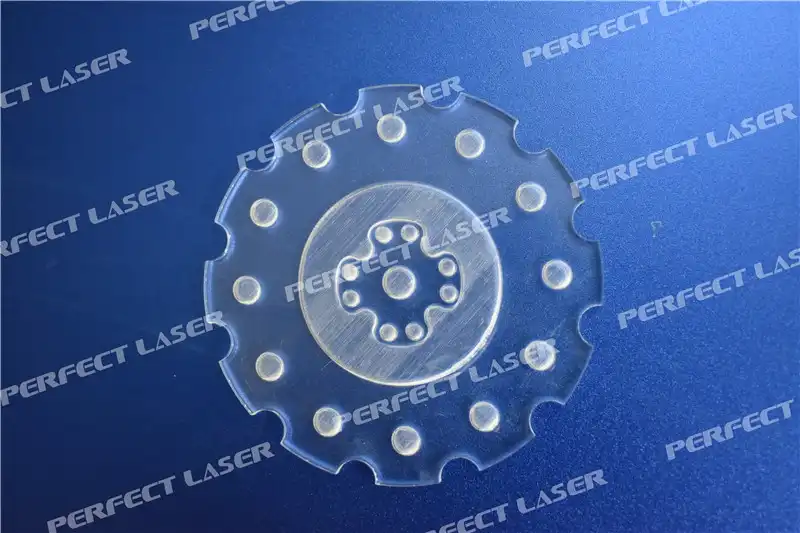
Engineering polymers like polyamide and polyoxymethylene respond reliably to laser processing when parameters are adjusted right. However, engraving PVC-based materials releases harmful chlorine gas and should never be utilized. Material safety data sheets describe chemicals and handling concerns. Purchasers should ensure a co2 laser engraving machine works with their plastics before purchasing one.
Key Safety Precautions for Laser Engraving Plastic
Controlling Toxic Fumes and Particulate Emissions
Dangerous smoke, dust, and volatile organic compounds result from plastic etching. Acrylic primarily emits light-smelling methyl methacrylate fumes. High levels of styrene from ABS processing might irritate the lungs. Some industrial plastics emit complex chemical mixtures that must be screened. Air is needed for worker health and tool performance.
Industrial facilities utilize dedicated pollution systems to capture emissions at source. These systems should maintain the cutting chamber under negative pressure to prevent unclean air from entering the workspace. The exhaust pipe must be outdoors, away from air intake and humans. HEPA filters collect tiny particles before air is recirculated, while activated carbon beds remove organic substances.
Regular filter checks and replacement maintain system performance. A dip in airflow indicates a full or obstructed filter, which monitoring equipment may detect. Heavy-material manufacturing firms should create repair plans based on their working hours and material volume. When air systems are neglected, residue builds up on optical equipment, reducing safety and printing quality.
Essential Machine Safety Features
Modern laser etching equipment includes various safety measures to protect operators from laser radiation. Interlocked enclosures immediately cut off the laser beam when the entrance doors open, eliminating risks while transferring or inspecting items. If an emergency arises, having emergency stop keys nearby makes powering down easier. These characteristics are the product of decades of safety engineering and regulation.
You may monitor the procedure without radiation via laser-safe plastic or glass observation windows. IR waves must be blocked while visible light passes through the windows. Layering red pointing devices on the work area shows the beam without turning on the main laser. This visual assistance helps workers arrange goods safely away from the cutting zone.
Perfect Laser tools satisfy worldwide safety requirements with many safety features. The 6040 tiny co2 laser engraver is safer with a thicker, transparent plexiglass viewing window. The equipment stops the laser beam instantly when the protective cover is opened, preventing radiation exposure. This automated shutdown function greatly improves safety during daily operations.
Operator Training and Personal Protective Equipment
Laser users have extensive training on how they function, interact with materials, and handle emergencies. Training should include parameter selection, focus adjustment, and maintenance. Operators must recognize symptoms of equipment failure, such as unusual noises, a lot of smoke, or uneven carving. Recording training completion establishes accountability and aids compliance.
Personal safety equipment required vary by machine setup and operation. Regular use of enclosed systems with the correct interlocks reduces the need for special glasses. Service techniques that reach enclosures may need wavelength-specific laser safety eyewear. Respiratory safety is essential when ventilation systems are inadequate or while handling novel goods. Work with freshly etched parts safely using heat-resistant gloves.
Safety Standards and Compliance Requirements
Business laser engraving instruments must fulfill CE and OSHA safety regulations. Electricity safety, radiation control, ergonomic design, and documentation are covered by these requirements. Organizations with uncertified equipment risk penalties and legal issues. Supplier-certified tools that have been third-party-tested for compliance should be prioritized when buying.
Perfect Laser is CE-compliant and TUV and SGS-certified, demonstrating its commitment to international quality and safety standards. These certifications prove that the design, manufacture, and completed items fulfill external criteria. Companies in restricted sectors or selling parts to quality-conscious clients should use equipment with formal license.
Optimizing CO₂ Laser Settings for Safe and Efficient Plastic Engraving
Balancing Power, Speed, and Resolution Parameters
Knowing how laser power, engraving speed, and sharpness work together yields the greatest results. Power and speed determine how much energy is supplied to the top of the material and how long each spot is exposed. High power speeds up the process but increases melting and burning danger. Slower speeds are essential to attain the proper depth since lower power settings create weaker markings.
Number of dots per inch (resolution) affects etching detail and polish. Better resolution implies more microscopic details, but slower processing. Programs that demand detailed pictures or tiny text should use 500–1000 DPI. Serial numbers or basic logos may reduce cycle time and increase production at 250 to 500 DPI for industrial application. The optimal balance between these criteria boosts quality and production.
Material thickness and composition greatly impact parameter selection. Thin plastic sheets need less power to prevent twisting and perforation. Thick polycarbonate screens may require the greatest power for excellent marks. Production starts are determined by evaluating various parameter combinations on sample materials. Writing down the best parameters for each material speeds up setup and reduces waste.
Preventing Material Damage and Defects
Too much heat might cause quality issues that damage the part's appearance and function. Melting creates higher lines surrounding etched regions, which might affect precise components. Charring generates unsightly lines that may indicate chemical breakdown. Warping affects measurement quality, which may make assembly difficult. Choosing the appropriate settings may prevent these issues and maintain production.
Air assist devices on co2 laser engraving machines reduce flaws by cooling material and removing garbage. This movement prevents dissolved debris from igniting and removes surface particles. High air pressure cleans without displacing light items or causing turbulence that distributes fumes beyond the extraction zone.
Pay attention to emphasis placement since even little modifications may improve writing. Perfect Laser machines contain parts that alter focus length, making lens centering and focus distance setting easy. Focusing evenly throughout the work area ensures that all markings are the same depth and prevents larger portions from distorting. Regular focus test patterns detect optical alignment issues before they affect manufacturing quality.
Regular Maintenance and Inspection Protocols
Systematic maintenance keeps technology secure and performing when expected. Dust from processing fumes on optical parts steadily affects beam power and etching quality. Cleaning schedules based on working hours and material consumption optimize efficiency. Use the correct chemicals and lint-free towels to clean lenses to avoid scratching their coatings. Maintaining mirror surfaces requires the same attention.
Mechanical systems including guide rails, drive belts, and bearings require oiling and adjustment. Worn components generate positioning errors that reduce etching precision. The synchronous belt technology in Perfect Laser equipment enables workers evaluate material placement and increase engraving precision, reducing material loss. Checking the belt's tension regularly prevents it from sliding and affecting design alignment during extended engraving cycles.
Laser tubes lose performance after thousands of hours. Proper maintenance may extend the lifespan of a Perfect Laser machine's sealed CO₂ glass laser tube to 10,000 hours. A professional test ensures tube functionality and laser point quality before delivery. You may check power output during regular operation to identify whether a tube's efficiency is declining and replace it before quality issues arise. Follow manufacturer instructions for replacement to maintain safety certifications.
Advanced Control Software Capabilities
Advanced laser control systems improve cutting accuracy and manufacturing speed. Perfect Laser's LCD screen control board uses USB drives to function without a computer. The 1GB memory can keep AutoCAD, CorelDraw, and other design files, so the computer doesn't need to be connected during production.
The beam, position, and safety system are tracked in real time. Alarms immediately alert, preventing cooling system failures and exhaust delays. Production data recording tracks cycle times, material use, and maintenance schedules to improve things constantly. Integrating software with business systems allows qualified factories to schedule projects and complete quality documentation.
Comparing CO₂ Laser Engraving with Alternative Cutting Technologies for Plastic
Advantages Over Diode Lasers
Many polymers don't absorb diode laser systems' shorter bands. While diode technology has its uses, it typically generates less power and operates slower than CO₂ devices. CO₂ glasses provide a concentrated spot size for better detail capture and edge definition. The flexibility of CO₂ technology makes it ideal for industrial applications requiring consistent quality across various plastic materials.
Additional costs should be considered beyond tool purchase. Although cheaper, diode lasers are less productive in high-volume situations. The longer cycle durations required to achieve the same carving depth increase component cost and manufacturing time. CO₂ devices efficiently manage resources, reducing costs and expediting order fulfillment. Considering production costs and material options, CO₂ technology is often the most cost-effective option for established industrial processes.
Comparison with Plasma Cutters and CNC Routers
Plasma cutting works well with thick metals but not polymers. High temperatures from a plasma spark melt and burn thermoplastics immediately. Compared to laser processing, heat-touched portions need more finishing and have worse edges. Plasma systems are too inaccurate for engraving tiny parts or intricate engraving, which electronics and automotive makers need.
CNC cutters utilize machinery to work with plastic. These machines produce chips instead of fumes using spinning cutting blades. Routers cut thick materials and big quantities cheaply. However, tool wear generates dimension variances that need frequent replacement and adjustment. They can't accomplish precise details like laser systems, and mechanical contact may damage fragile plastics.
Non-contact laser etching protects sensitive parts from mechanical stress. Quality keeps the same over large production runs without support since tools don't wear out. Design changes are quick since they just need software updates, not toolpath rewrites and tool modifications. These characteristics make co2 laser engraver systems desirable to firms that create several goods with many model variants.
Cost Efficiency and Scalability Considerations
Laser cutting tool investments are large and must be justified. Where equipment is utilized, how much power it generates, and its characteristics determine its cost. A compact laser engraving machine, the Perfect Laser 6040 comes in 40W, 50W, and 60W models. It is tiny, versatile, and affordable. This makes it simple for makers to add a laser or small enterprises to start creating.
Electricity, consumables, and maintenance are operating expenses. CO₂ laser systems with CW-5000 or CW-5200 water chillers are energy-efficient, quiet, and have low power consumption. Longer tubes offer less downtime since they need to be changed less frequently. A 10,000-hour Perfect Laser tube rate is unusual in the industry. This reduces equipment lifetime ownership costs.
Scalability involves expanding production and product variety. Modular machines may have larger work surfaces, greater power tubes, and more complex automation functions. The additional automated raising platform for Perfect Laser 6040 machines may process varied quantities of material without assistance with a vertical adjustment range of 1–400 mm. Growing and adding items without buying new equipment is possible with this flexibility.
Bulk Purchasing and Supplier Relationships
Establishing relationships with reliable co2 laser engraver manufacturers benefits business. Volume purchase offers minimize equipment costs while maintaining specifications across configurations. Standardizing brands simplifies maintenance, spare parts, and operator training. Working with the same supplier for a long period frequently gets you priority technical support and early notification of product modifications or obsolescence.
Perfect Laser has over 10,000 clients worldwide, demonstrating their expertise and customer service. Due to its long-term presence, parts will always be accessible and qualified advice will be available. The firm claims two-hour response time and 24-hour after-sales assistance to promptly address production issues, reducing downtime expenses. Engineer abroad installation services ensure everything is set up properly in nations with little local understanding.
How to Choose the Right CO₂ Laser Engraver for Plastic for Your Business
Matching Power and Work Area to Production Needs
Power balances tool cost, working power, and operational flexibility. Thin materials and surface etching may work with cheaper 40–60W devices. These non-cutting tools are useful for marking, labeling, and embellishing. High-volume production cuts thicker materials and finishes faster using 80–150W power units.
The work area size determines the largest part and how fast minor pieces are produced. The 6040 equipment, with a 600mm ×400mm work area, is appropriate for most marking tasks and requires little space. Continuous materials like cloth rolls or big panels benefit from the front and back running-through arrangement. Without expanding laser engraving machine size, passthrough technology enhances options.
Besides batch sizes, throughput, cycle times, and shift schedules influence capacity needs. Insufficient equipment affects output and company development. Size makes big tools more costly to buy and use. Predicting demand and watching process times help choose capacity. Slow expansion planning prolongs equipment life.
Working Table Configurations and Material Handling
Working tables suit diverse materials and tasks. Honeycomb workbenches support things while letting smoke and dust pass via thousands of tiny cells. The honeycomb structure flattens flexible fabrics and circulates air, making it excellent for fabric printing. This setting is recommended for fabrics by Perfect Laser.
Heavy plastic and PVC board may fit on thick strip work tables. A strong surface evenly distributes weight, reducing deflection that might impede big screen concentration. This arrangement is better for cutting than engraving because structural stability is more important than honeycomb shapes' smoke extraction. Superior durability increases service life in harsh industrial environments.
Custom double working tables may be used for different materials and production runs. This arrangement allows rapid application switching without exchanging tables. This gives fabric and hard plastic sellers more options. Purchase application-specific tables to accelerate setup and enhance tools.
Brand Evaluation and After-Sales Support
Equipment buyers must compare manufacturers' technological features, quality reputation, and support methods. Perfect Laser, established in 1995, has made laser tools for decades. Its 63 patents and research collaborations show its continual innovation and technological advancement. This knowledge suggests the items are reliable since they use established technology and best practices.
Warranty and after-sales service affect machine uptime and cost. Perfect Laser stands out with two-year laser marking instrument warranties and one-year system warranties. Lifelong professional support, sample processing, and pre-sale consultation are free. This guarantee mitigates equipment purchasing risks and supports ownership.
For optimal production uptime, service response time is critical. Perfect Laser's two-hour response and 24-hour assistance quickly resolve important problems, maintaining productivity. Experts help operators improve parameters, quality, and preventive maintenance. These help options are usually more beneficial than minor equipment specs differences.
Installation, Training, and Integration Support
Effective tools need more than delivery and setup. Workers get extensive training to operate and repair equipment safely. Factory-trained Perfect Laser personnel install and train operators at the customer's location. Working hands-on speeds up productivity and lowers technology learning curves.
Integration with existing production processes requires consideration of electricity, building infrastructure, and work flow. Powerful 3mm body shells make Perfect Laser machines warp-resistant for 5–10 years. A shiny US-imported aluminum alloy working foundation can hold weight without deforming. Quality equipment can withstand harsh industrial conditions for long durations.
Conclusion
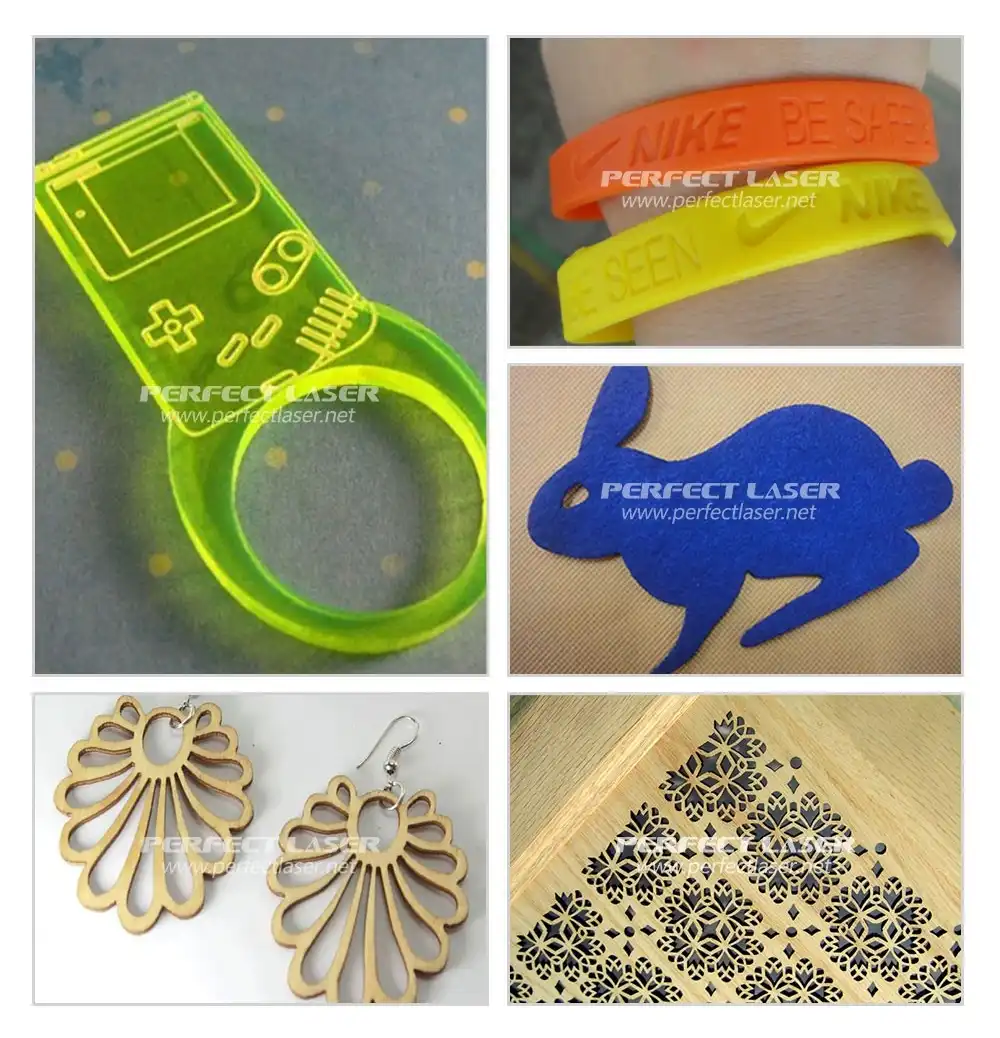
Laser cutting plastic safely and successfully using CO₂ technology requires choosing the right tools, following all safety rules, and working with the best settings. Knowing the properties of the material, making sure there is enough air flow, and keeping the tools in good shape are all things that can help you get regular results and keep your workers healthy. Modern co2 laser engraver systems are very accurate and can be used in a lot of different ways for writing things in the making of cars, electronics, and machines. If you buy good equipment from well-known brands, it will work well, come with good support, and have a low total cost of ownership. This will help your business succeed in the long run and make your production more efficient.
FAQ
1. What plastics work best with a CO2 laser?
When the parameters are set correctly, CO₂ laser processing works great on acrylic, ABS, and polycarbonate, leaving clean marks. Polyamide and other engineering plastics also work well. Stay away from all PVC-based materials because they give off dangerous chlorine gas when they are engraved. Always read material safety data sheets (MSDS) before working with plastics you haven't worked with before.
2. How important is air flow when cutting on plastic?
Ventilation is very important for both the safety of the operators and the life of the equipment. Plastic etching makes fumes that contain volatile organic compounds and small particles that can irritate the lungs and damage visual parts. For industrial settings, there must be separate exit systems that keep the negative pressure inside the engraving room and make sure that the air is properly filtered before it is vented or recirculated.
3. Can I use a CO₂ laser device to carve metal parts?
CO2 lasers are mostly used to work with non-metallic materials and can't cut metals well. They can, however, leave marks on coated metals like anodized aluminum or powder-coated stainless steel by taking off the coating layer on the top. When writing bare metal, fiber laser technology works better and more efficiently.
Partner with Perfect Laser for Your CO₂ Laser Engraving Solutions
Perfect Laser has a lot of experience making co2 laser engraver units, which helps manufacturing companies that need solid plastic etching. For workplace marking needs, our 6040 small laser engraving machine offers professional performance in a small, inexpensive package. The machine has many safety features, such as an automatic laser shutdown when the protective cover is opened. These features protect the operator at all times during production. Perfect Laser's world service network offers quick technical help, with a promise of two hours of feedback and availability 24 hours a day to meet urgent production needs. Our free pre-sales consultation and trial processing services help you make sure that the equipment will work with your needs before you buy it. Get in touch with us at [email protected] to talk about your needs and find out how our approved CO₂ laser systems can help you make more things.
References
1. Ready, J.F. (2001). LIA Handbook of Laser Materials Processing. Laser Institute of America, Orlando, Florida.
2. Steen, W.M. & Mazumder, J. (2010). Laser Material Processing, Fourth Edition. Springer-Verlag London Limited.
3. Ion, J.C. (2005). Laser Processing of Engineering Materials: Principles, Procedure and Industrial Application. Elsevier Butterworth-Heinemann, Oxford.
4. Chryssolouris, G. (1991). Laser Machining: Theory and Practice. Mechanical Engineering Series, Springer-Verlag New York.
5. Migliore, L. (1996). Laser Materials Processing. Marcel Dekker Inc., New York.
6. Dahotre, N.B. & Harimkar, S.P. (2008). Laser Fabrication and Machining of Materials. Springer Science+Business Media, LLC, New York.

share your inquiry, get the quotation accordingly.
第一张审核员说包含其他公司不能用_1755049724891.webp)
Perfect Laser – Global Manufacturer of Reliable Laser Solutions