How Channel Letter Bending Machines Improve Sign Production Efficiency
With automated processes that cut production time by a huge amount while keeping high accuracy, channel letter bending machine units turn metal strips into exact three-dimensional signs. Because these systems are handled by a computer, there are no mistakes made by hand. This means that sign makers can finish jobs 40 to 60 percent faster than before. Modern equipment can work with aluminum, stainless steel, and iron with little help from a user because it combines CAD/CAM software with automatic feeding, slotting, and bending functions. This directly solves the efficiency problems that sign factories face today.
Understanding Channel Letter Bending Machines
Knowing how these specialized tools work and what makes different models in the market different is the key to making signs quickly and well.
Core Functions and Mechanical Principles
Computer-controlled system-integrated channel letter bending machines feed metal bands via precision rollers. The process starts with DXF or Adobe Illustrator design files submitted to the machine's software interface. The computer blueprint commands machines to measure, notch, bend, and cut without human interaction. One letter may grow while another finishes because it can act continuously. This enables flexible working patterns that are unattainable by hand.
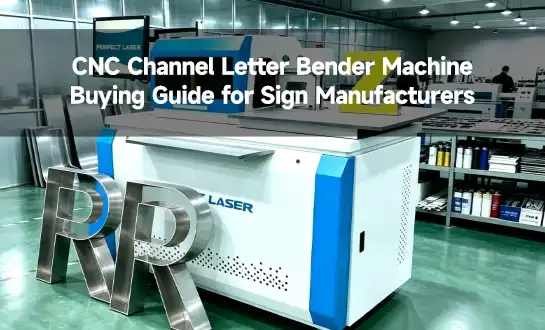
PC-controlled CNC channel letter bending machines from Perfect Laser carry data using U-disks. Its full English operational interface lets techs see it bend aluminum, stainless steel, and iron plates in a 3-in-1 arrangement in real time.
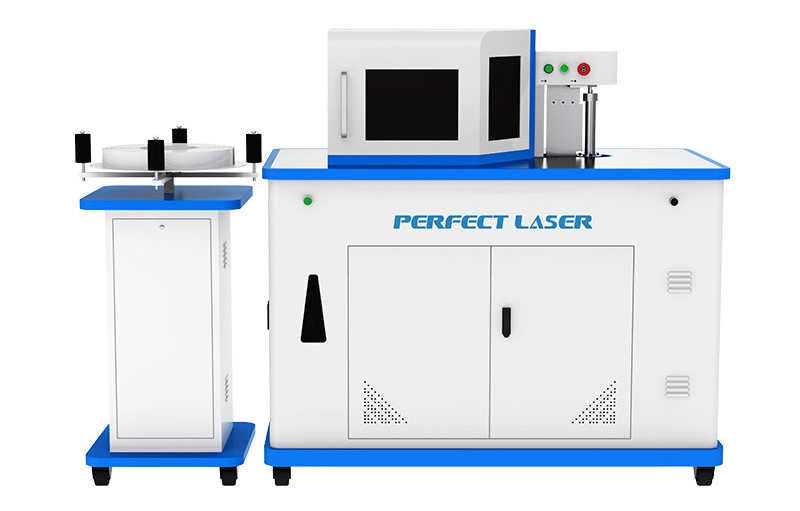
Machine Types and Material Compatibility
varied equipment meets varied manufacturing and material demands. LCD control kinds are appropriate for tiny firms with modest needs, whereas stainless steel automated letter benders may perform vast volumes of work without supervision. Auto-edge-cutting CNC systems shape while bending, eliminating production-time-consuming stages.
Modern tools need multimaterial capability. Lit signs need precise housing dimensions to suit LEDs, thus PC-controlled single and double aluminum trim cap bending machines may help. These methods may enable solo sign firms start up while fulfilling quality requirements at lower prices. Clear pieces for modern lighting designs are made using acrylic vacuum suction tools and metal bends.
These requirements directly affect production. Tools that can handle varied thicknesses of material without extensive changeover operations help facilities that handle several work orders. Switching between 0.02-inch aluminum and 0.06-inch stainless steel easily eliminates production delays caused by reconfiguring equipment for one material.
Advantages Over Traditional Methods
Automation boosts performance metrics. Compared to manual techniques, bending speed increases by 300 to 500% and precision remains the same, eliminating the necessity for trial-and-error alterations. Tolerances of ±0.5 mm ensure channel letter alignment during assembly, reducing rejections from misaligned parts.
Automatic systems drastically alter work. Signs used to require experienced painters to bend. Modern technology reduces training time from months to weeks since workers just need to learn software instead of manual skills. This talent sharing allows organizations to cross-train personnel and maintain productivity when staffing changes.
Quality consistency is the main advantage. Letters bent by hand seem different even when the same individual draws them. When creating signs for various sites, automated methods manufacture hundreds of identical pieces, which ensures brand consistency. Because perfect bends provide more uniform, water-resistant seams than hand-made joins, weather resistance improves.
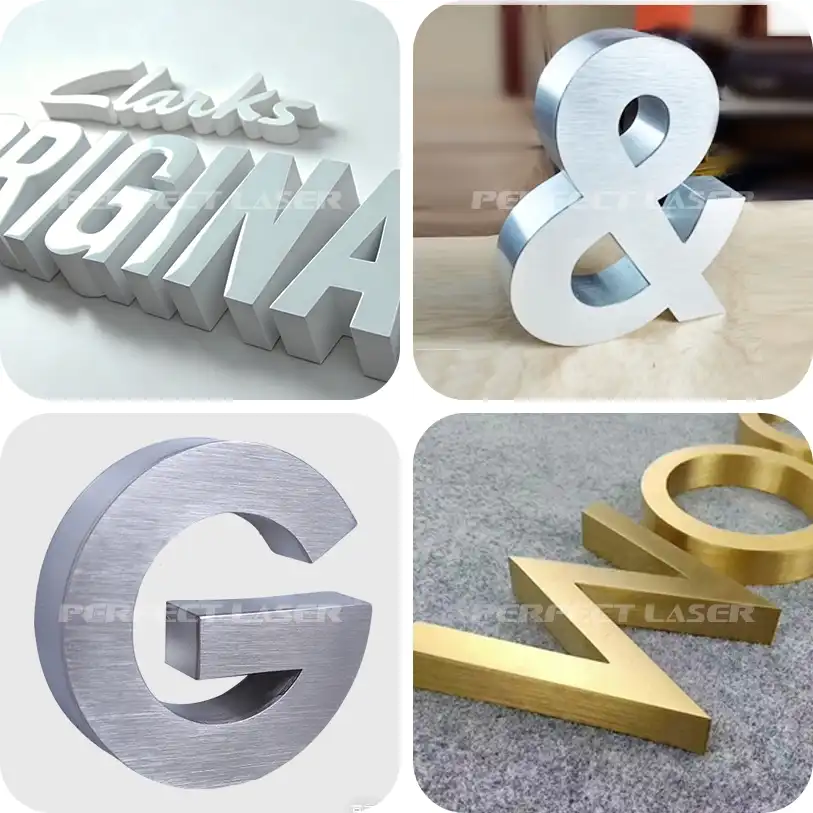
Overcoming Production Bottlenecks with Channel Letter Bending Machines
Using channel letter bending machine technology to get around production bottlenecks is essential, as traditional processes for fabrication have built-in limits that keep output low even when more workers are added.
Common Production Challenges
Handbending creates bottlenecks that worsen with order quantity. Workers grow weary over extended manufacturing runs and make measuring errors. One miscut piece might delay work while replacement pieces are made. Human procedures aren't as constant as robots, thus turnaround times are greater.
Traditional facilities struggle to move resources effectively. Operators measure, mark, and move workpieces often between activities. These unnecessary motions squander hours of mobility throughout a workday. Skill-dependent systems are particularly susceptible because when experienced workers call in sick or resign, production pauses until their substitutes catch up.
Automated Solutions and CAD/CAM Integration
These limits are eliminated by modern automated technologies that connect design to manufacture. CAD/CAM systems create tool paths from customer-approved art. Manual programming that might cause transcribing problems is eliminated. Without design data, the machine identifies optimal bending patterns, material utilization, and notching positions.
Manufacturing material flow is maintained by automated feeding systems. After completing a letter, loaded coil stock advances material. This continuous process contrasts with hand-measured and placed parts. Automatic notching cuts drain holes and assembly tabs while bending the item, combining jobs that used to be done separately.
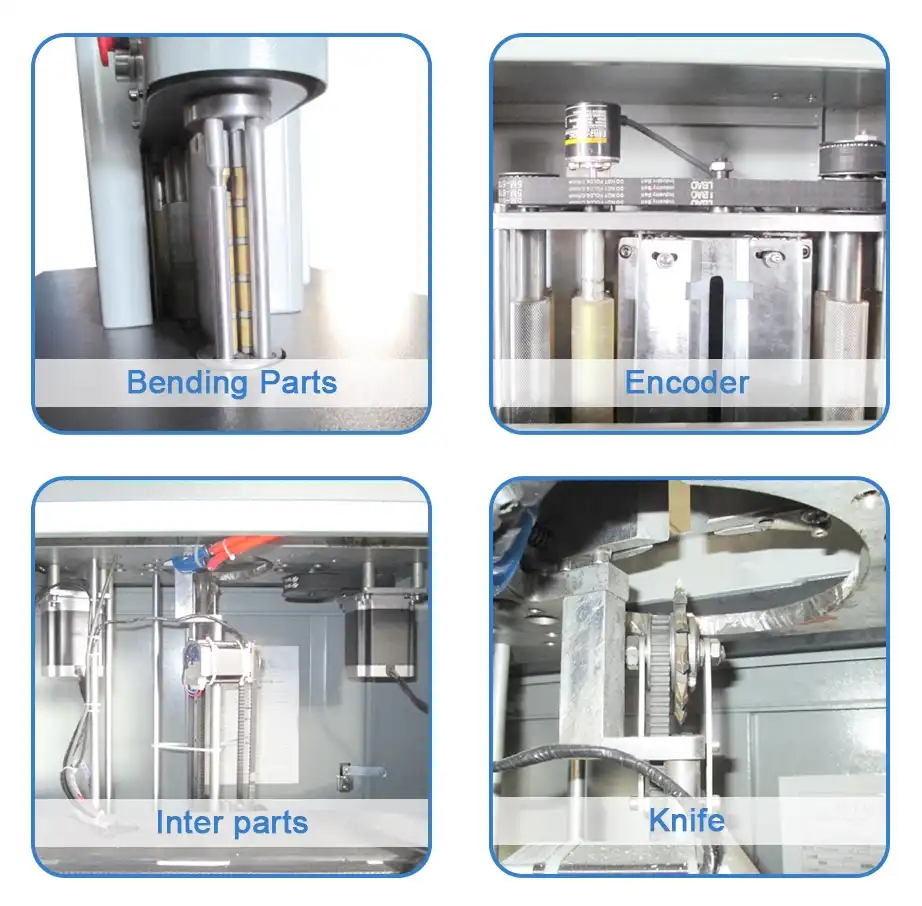
Speed advantage is apparent in difficult activities. In eight hours, a human operator may complete eight to twelve channel letters, depending on size and intricacy. Some high-speed installations can handle 70 units each shift, whereas automated systems can handle 30–50. Efficiency speeds delivery and increases order space.
Real-World Efficiency Improvements
Automatic-bending sign makers believe all their business practices have improved. Cycle times usually reduce by 35 to 45 percent, and some sites have witnessed 50 percent reductions when switching from manual procedures. Companies may manage urgent orders or perform single projects instead of overtime because they save time.
Precision cutting and bending that maximizes coil use lowers waste. By finding the optimal nesting patterns, automated methods save waste by 15–25% compared to human cutting. This material economy immediately boosts project margins and encourages green initiatives that environmentally conscious customers will welcome.
Labor cost analysis demonstrates higher financial advantages than reducing staff. Facilities shift skilled workers from bending labor to project management, quality control, and bespoke finishing. Job satisfaction increases when the workforce is optimized to use human knowledge most effectively. When workers utilize sophisticated tools instead of manual labor, new hires become more productive, training expenses drop, and attrition drops.
Choosing the Right Channel Letter Bending Machine for Your Business
When choosing the right channel letter bending machine for your company, you need to look at a lot of different factors that make sure the machine's skills match your needs and your growth goals.
Key Decision Criteria
Projected production quantities should determine capacity. Economical single or double metal trim cap bending machines, such as a channel letter bender, may be sufficient for businesses processing fewer than 100 letters each week. If they manufacture over 300 pieces per week, they require industrial-grade equipment with automated notching. Scalability is vital since purchasing new equipment too quickly for meeting current demands but not growing with the firm is a bad idea.
Automation depends on the quantity of workers and their skill distribution. Fully automated systems with PC control are best for facilities that struggle to hire trained staff or prefer consistency over independence. Semi-automated setups are ideal for experienced workers who use technology but still need to make certain choices by hand.
Energy efficiency is vital as electricity bills increase and firms make increasing environmental pledges. Modern machines utilize less electricity than previous ones due to improved motor controls and sleep modes. When calculating operational expenses, estimate energy usage based on equipment use lifetime. Most equipment has 15–20-year lifecycles, so these expenditures pile quickly.
Comparing Manual and Automatic Models
Despite improving technology, manual approaches remain beneficial for certain activities. Low-volume bespoke companies that manufacture unique designs may save money and be more flexible with manual equipment. These technologies excel when creative experimentation and fast prototypes trump manufacturing speed.
Automatic kinds provide stable-order facilities a superior ROI. Lower labor costs and greater production pay for the higher initial purchase price, which is normally two to three times manual equipment's cost, over 12 to 18 months in high-volume settings. Maintenance charges must be included in operating costs. Regular preventive upkeep makes modern automated systems dependable.
Perfect Laser's stainless steel robotic letter bender is an example. Its auto-bending and slotting characteristics allow material manipulation without movement. The platform's user-friendly structure and upgraded technologies make it compatible with new design tools and save training time. These attributes create machines workers love utilizing.
Manufacturer Selection and Support Considerations
Suppliers are evaluated based on their total cost of ownership throughout the life of the instruments, not just the original purchase price. Famous manufacturers with vast service networks are crucial for technical issues. Perfect Laser is in Germany, Japan, Italy, Russia, South Korea, Turkey, Brazil, India, UAE, and Saudi Arabia. This indicates worldwide infrastructure support for their equipment locations.
Certification proves the device is safe and efficient. CE and TUV/SGS certifications indicate that a product fulfills European safety requirements and that the production process's quality management systems are dependable. Certifications reduce the likelihood of purchasing and make protection and money simpler.
Technical support greatly impacts operations. 24-7 online support prevents site downtime for queries outside of office hours. Free product guidance helps customers pick the proper settings, and proofing test services enable consumers see genuine production models before buying. Two years of warranty coverage for laser writing machines and one year for bending equipment protects you financially in the first several years.
Best Practices for Operation and Maintenance
Taking good care of your channel letter bending machine will get you the most out of your purchase and make it last much longer than expected.
Operational Protocols and Safety Compliance
Setting up standard working procedures makes things consistent, which keeps people and tools safe. Before starting a production run on a letter bending machine, operators should make sure that the material specifications match the machine settings. Working with the wrong material sizes can damage bending dies or create dangerously sharp edges. Every week, safety interlocks and emergency stop devices need to be tested to make sure they work right in case of an emergency.
Organization at work is a big part of keeping things safe and running smoothly. Leaving clear areas around equipment lets workers add materials and take away finished goods without any problems. Good lighting keeps your eyes from getting tired during quality checks, and good airflow gets rid of the metal dust that is made when you notch and cut.
Technical skills and safety knowledge should both be emphasized in training classes. Operators need to know how the settings in a design file affect how the machine moves so they can spot problems before they stop production. As software updates add new features or change how things are done, regular training lessons keep skills up to date.
Preventive Maintenance Schedules
Regular maintenance prevents minor faults from becoming major concerns that impede production. Daily checks should confirm that all safety precautions are in place and that material-feeding systems are working smoothly and not making bearing-wear noises. Weekly lubrication using manufacturer-recommended lubricants keeps moving parts smooth and reduces wear.
Electrical connections need periodic checks to stay tight. Arcing may occur due to operational vibrations loosening connections. Replacements may be arranged for planned breakdowns rather than emergencies since bending die wear reduces letter quality. Backup software protects design libraries and specific settings.
Most operators can't do a thorough system inspection as authorized professionals do annually. These tests find increasing flaws that aren't obvious while the system runs correctly. Example: stepper motor power loss or control system part age. Scheduled professional maintenance costs 15–20% of Emergency repairs. Unexpected equipment failures save you money.
Troubleshooting Common Issues
Recognizing the signs and knowing how to respond in the right way cuts down on downtime when problems happen. Changing bent angles often means that the die is worn out or that the material specifications were entered incorrectly. Most of the time, operators can fix these problems by making sure that the parameters in the design file match the dimensions of the real material and by changing the tension settings as directed by the maker.
Material feeding problems are usually caused by mistakes when adding the coil or running out of stock. Making sure that the material hits the feed rollers correctly and keeping an adequate coil supply stops breaks in the middle of the cycle. When technology issues are too big for an operator to solve on their own, calling manufacturer help right away stops well-meaning but wrong actions that make the problems worse.
Keeping thorough service logs of all fixes, adjustments, and maintenance tasks is a good way to keep track of diagnostic information. These records help techs find problems that keep happening and trends that point to deeper issues that need to be fixed in a planned way instead of being fixed temporarily over and over again.
Future Trends and Innovations in Channel Letter Bending Technology
The sign making tools industry is always changing as new technologies are added that make things easier to use and give them more options.
Emerging Technologies and Smart Manufacturing
With Internet of Things connection, channel letter bending machine units go from being stand-alone tools to being networked production assets that give real-time info on how they're doing. Cloud-based tracking tools let managers know about changes in quality, maintenance needs, and variations in efficiency across multiple machines or places in a building. This operational visibility lets you make choices based on data that make the best use of resources and find ways to improve that aren't possible in traditional factory settings.
Adding artificial intelligence improves automation by using adaptive learning, which makes processes better over time by using collected data. Smart systems look at tens of thousands of finished letters to find the best set of parameters for each type of material and level of design complexity. Machine learning algorithms find small changes in quality before they make parts that don't meet standards. They then adjust the settings automatically to keep them that way without any help from an operator.
These improvements in technology have made it easier for people with less experience to get great results. Intelligent systems that walk operators through complicated processes and stop mistakes before they happen make it possible for facilities in areas with few skilled workers to successfully run high-tech equipment.
Sustainability and Energy Efficiency Improvements
As companies try to meet their business responsibility goals and government regulations, environmental concerns are becoming more and more important in the creation of equipment. The next wave of machines have energy recovery systems that use braking energy to power fast motion routines, which cuts total power use by 12 to 18%. Standby mode optimization reduces the amount of power used when the system is not in use to almost nothing without making restart times longer.
Material flexibility improvements help the environment by letting recycled metal that older equipment wouldn't handle because of its inconsistent qualities be used. Advanced sensors can find differences in the properties of materials and make up for them automatically. This lets sign makers use recycled metal and steel without lowering the quality.
Modern machine designs include ways to cut down on waste. Precision cutting reduces the amount of waste produced, and software optimization tools find stacking patterns that make the best use of the coil. Some systems get material efficiency levels above 92%, which cuts the cost of both raw materials and waste by a large amount.
Strategic Investment Planning
When buying equipment, you should think about how changes in technology will affect your long-term ability to compete. Modular design in machines lets users gradually add new features as their needs change, protecting original investments and preventing premature obsolescence. Checking the manufacturer's pledge to backward compatibility makes sure that older equipment can still be used with newer models that have more advanced features.
When deciding when to buy something, you have to weigh the importance of the need at hand against the release dates of new products. Knowing when manufacturers release new models helps buyers avoid cases where they have to buy right before big changes to the model. On the other hand, putting off buying until possible improvements in the future costs money that can never be fully recovered.
During financial analysis, different growth paths and market factors should be modeled in a number of different ways. When the economy is bad, conservative forecasts make sure that payments on equipment are still doable, and optimistic ones make sure that the machines chosen have enough space to take advantage of growth possibilities. This balanced method leads to buying choices that work out well in a variety of situations.
Conclusion
The channel letter bending machine is an important piece of equipment for sign makers who want to be competitive and produce high-quality signs every time. Manual processes can slow down production, but automated systems get rid of those problems. They also make it possible for smaller businesses to compete with bigger ones by increasing efficiency. To choose the right equipment, you have to weigh your current working needs against your long-term growth goals. You also have to look at the level of automation, the material's capabilities, and the manufacturer's support infrastructure. When you operate and maintain your equipment properly, you get the most out of your purchase and extend its useful life far beyond what is normally expected. New technologies, like IoT connectivity and AI-enhanced automation, keep making skills better. To stay competitive in the long term, it's important to plan when to buy things and when to improve them.
FAQ
1. What kinds of materials do channel letter bending machine work well with?
Modern tools can work with iron, aluminum, and stainless steel that is between 0.02 and 0.08 inches thick. Different models have different levels of material compatibility. Industrial systems can handle a wider range of specifications than entry-level tools. Perfect Laser's 3-in-1 bending machines can work with all three types of material without having to be reconfigured. This gives facilities that handle a wide range of orders more operating freedom.
2. How do I know if my business needs human or automatic equipment?
This choice is mostly based on the amount of production. Facilities that handle less than fifty letters a week usually don't need automated systems, but facilities that handle more than 150 units a week would gain greatly from them. Think about how easy it is to find workers and how skilled they are in your market. Automatic systems make you less reliant on skilled workers who charge high pay and may be hard to hire.
3. What maintenance requirements should I anticipate?
Every day, safety systems and smooth operation are checked, and once a week, moving parts are oiled to keep them in good shape. Die checks every month find wear that needs to be replaced, and skilled servicing once a year gives the whole system a full checkup. When facilities follow the repair plans suggested by the manufacturers, unplanned downtime is rare and equipment lasts longer than fifteen years.
Partner with a Trusted Channel Letter Bending Machine Manufacturer
Work with a reliable company that makes channel letter bending machine systems. Perfect Laser offers complete options for sign-making businesses that want reliable, effective tools backed by a worldwide support network. Our line of equipment includes LCD control systems, automatic benders made of stainless steel, and 3-in-1 designs that can precisely work with aluminum, stainless steel, and iron. Newer technology platforms have full English operation interfaces, PC control with U-disk transfer, and auto-bending plus fitting features that work well for advertising, signs, neon installations, billboards, lightboxes, and outdoor advertising. Perfect Laser has been making things for 29 years, has 63 patents, is certified by CE, TUV, and SGS, and offers expert support 24 hours a day, seven days a week. They can help you improve the efficiency of your production by giving you equipment that is perfectly matched to your needs. Get in touch with our team at [email protected] to talk about your unique needs and get personalized equipment suggestions.
References
1. Smith, J. & Anderson, R. (2023). Automated Fabrication Technologies in Modern Signage Manufacturing. Industrial Press Publishing.
2. Thompson, M. (2022). "Efficiency Metrics in Channel Letter Production: A Comparative Analysis." Journal of Manufacturing Systems, 45(3), 278-291.
3. Rodriguez, C. & Lee, S. (2024). CNC Equipment Selection for Small to Medium Sign Shops. Technical Publications International.
4. National Sign Research Association. (2023). "Industry Benchmarking Report: Production Efficiency Standards." Annual Industry Analysis, 12th Edition.
5. Williams, P. (2023). "Material Waste Reduction Through Automated Bending Systems." Sustainable Manufacturing Quarterly, 18(2), 112-128.
6. Chen, L. & Morrison, D. (2024). The Complete Guide to Sign Manufacturing Equipment Investment and ROI Analysis. Business Technology Press.

share your inquiry, get the quotation accordingly.
第一张审核员说包含其他公司不能用_1755049724891.webp)
Perfect Laser – Global Manufacturer of Reliable Laser Solutions