How Does a Laser Cleaning Machine Work on Rust and Paint Removal?
A laser cleaning machine works by directing high-energy laser pulses at contaminated surfaces, causing rust, paint, and other unwanted materials to instantly vaporize or ablate without damaging the underlying substrate. The process utilizes precise photonic energy absorption, where contaminants absorb laser light more readily than base materials, enabling selective removal. This non-contact technology eliminates the need for chemicals, abrasives, or manual labor while providing superior precision and environmental safety. Modern laser cleaning systems feature automated focusing capabilities and adjustable parameters, making them ideal for industrial applications ranging from heavy manufacturing to delicate electronic component restoration.
Introduction
Advanced photonic technologies have changed the way surface cleaning is done, which has had a huge impact on industrial repair. The laser cleaning machine is a big change in how we get rid of dirt and grime. It gives us more accuracy than ever before and solves problems with traditional methods that hurt the environment. More and more pressure is being put on factories in the heavy industry, aircraft, and precision machining to use cleaner and more efficient ways to do upkeep.
Surface pollution is a big problem that goes beyond just looking bad. Rust speeds up the breakdown of structures, and paint growth gets in the way of safety rules and operating efficiency. Using traditional methods often leads to extra issues, like getting rid of chemical waste, damaging surfaces, and putting workers in contact with dangerous materials. These problems have been solved by laser-based cleaning technology, which gives better results that meet the high quality standards needed in modern industry settings.
This in-depth study looks at how laser cleaning systems work, what makes them better than other methods, and how they have changed the way industry repair is done. B2B procurement managers, engineers, and distributors will learn useful tips on how to choose the right laser cleaning options that meet business needs and environmental goals.
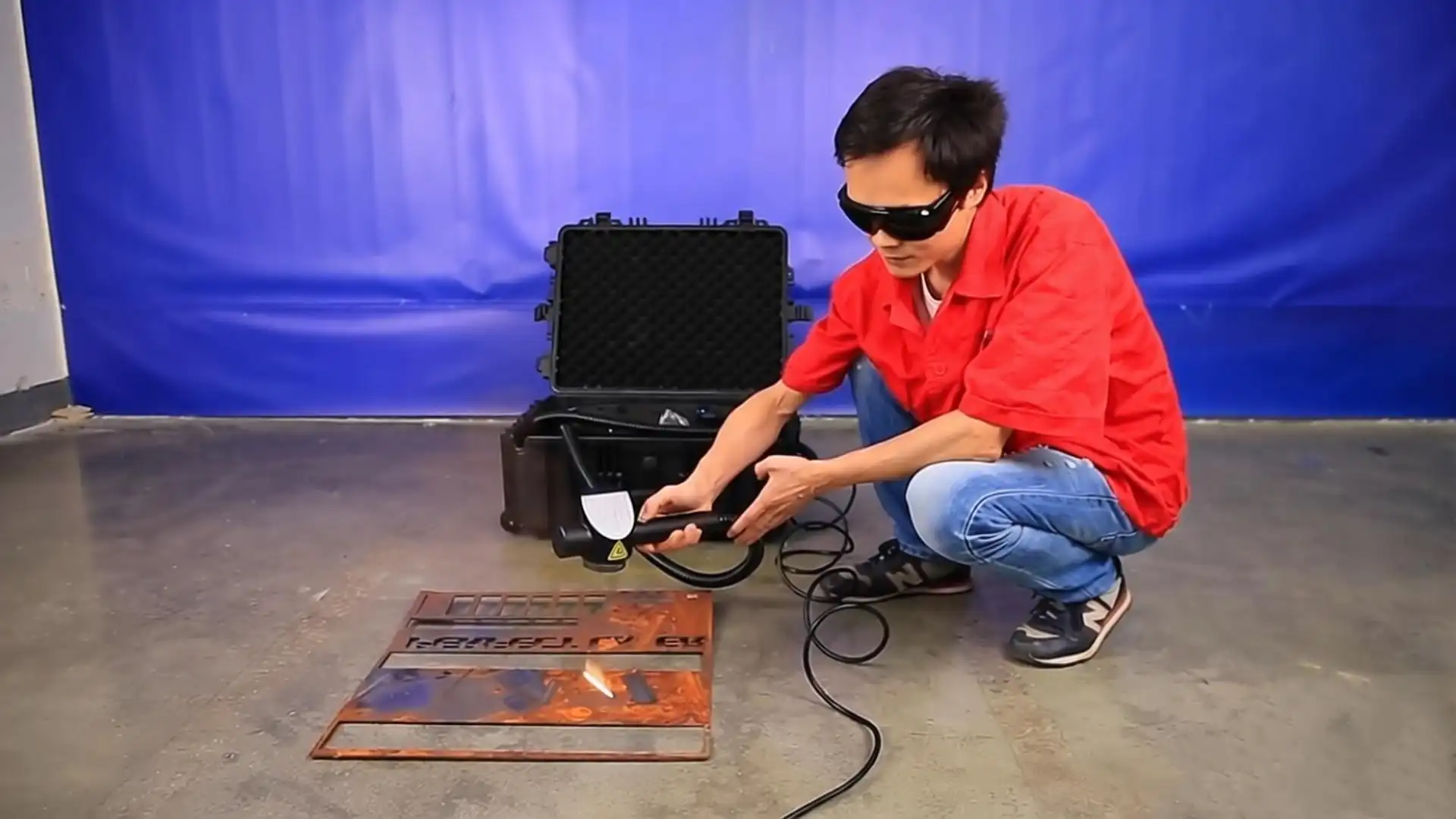
Understanding the Problem: Challenges of Rust and Paint Removal in Industry
Surface contamination that affects the integrity of machinery and working safety is always a problem in industrial settings. Oxidative processes weaken metal structures and create possible failure places in machinery that is very important to the business. When coatings are applied over and over again, paint builds up and lowers the precision tolerances of industrial equipment. This affects the quality of the product and the accuracy of its measurements.
Traditional ways of cleaning have a lot of problems that make them less effective and less environmentally friendly. Chemical strippers need strict safety rules, special ways to be thrown away, and can be harmful to workers' health. When sandblasting, a lot of small particles are released into the air, and the process can damage base surfaces by rubbing them too hard. Cleaning things by hand takes a lot of work and doesn't always produce reliable results in complicated shapes.
Environmental and Regulatory Pressures
Modern factories have to deal with stricter rules about the environment while keeping their costs low enough to stay competitive. Chemical cleaners add to dangerous waste streams that need expensive ways to get rid of them and reports to the government. Abrasive cleaning methods release dust that needs advanced filtration systems and tracking routines for air quality.
Concerns about worker safety add another level of difficulty to normal cleaning tasks. To reduce the risks of chemical exposure, people need to wear a lot of protection gear, go through special training programs, and have their health checked regularly. All of these things add up to higher operational costs and less total output because of longer safety rules and machine downtime.
How Laser Cleaning Machines Work: Principles and Technology?
The basic idea behind laser cleaning technology is that selective energy absorption and controlled material removal through light contact make it work. When laser light hits dirty surfaces, different materials absorb it in different ways, depending on their chemical structure and optical qualities. Most of the time, contaminants receive laser energy more easily than the materials below them. This creates localized heating that speeds up the process of vaporization or thermal expansion. Focused laser rays send exact amounts of energy to specific places to start the process. When contaminant materials take in photons, they turn this energy into thermal motion, which quickly raises temperatures above the point where they can evaporate. This rapid phase change turns solid contaminants into vapor that spreads out safely, protecting clean base surfaces.
Fiber Laser Systems and Their Applications
Fiber laser technology is the most popular way to clean today because it has a very high quality beam and uses very little energy. Through rare-earth-doped optical lines, these systems make coherent light with wavelengths that are perfect for cleaning metal surfaces. If you compare fiber lasers to other technologies, they have better power stability and last longer. Industrial laser cleaning systems have complex beam delivery systems that make sure the energy is evenly spread across the surfaces being cleaned. Galvanometric scanning systems can quickly place the beam, which makes it possible to cover big areas efficiently while keeping precise control over the energy density. Advanced focusing lasers change the beam's properties instantly to clean surfaces best, no matter what their state is.
Pulsed vs Continuous Wave Operation
Pulsed laser operation gives you better control over thermal effects, and the carefully planned release of energy keeps the material from getting damaged. Short pulse lengths stop heat from moving into base materials, which keeps the substrate's structure while getting rid of contaminants effectively. This method works especially well for uses that need to be very precise, down to the nano level. When fast removal of material is more important than accuracy, continuous wave devices work best in high-volume cleaning tasks. These setups provide steady energy output that is perfect for getting rid of heavy rust and thick coatings on strong materials like ship decks and rail parts.
Benefits of Using Laser Cleaning Machines for Rust and Paint Removal
Laser rust removal machine technology has revolutionary benefits that solve important cleaning problems in factories and make them run more efficiently. Because laser cleaning doesn't touch anything, it doesn't wear down tools and doesn't need as much upkeep, so it has a lower total cost of ownership than other ways. Environmental benefits are a strong reason for businesses with strict regulatory compliance requirements to start using laser cleaning. The process doesn't make any chemical waste, doesn't need any edible media, and doesn't cause much secondary exposure. This clean process cuts down on waste costs and makes it easier to meet environmental reporting requirements.
Operational Efficiency and Precision Benefits
Modern laser systems can clean intelligently, which lets them run automatically and lowers the need for human work while increasing consistency. Accurate positioning lets you get rid of specific contaminants without affecting nearby areas, so important surface features and limits for size are kept. Stability of the system guarantees consistent results across production runs, which helps meet quality control goals.
The main reasons why laser cleaning technology is better than traditional ways are listed below:
- Speed and Productivity: Handheld laser rust remover units can work quickly on large areas without needing to prepare the surface or clean it afterward, which cuts down on project timelines by a large amount
- Substrate Preservation: Automatic focusing and surface cleaning keep the materials below from getting damaged while getting rid of all contaminants completely
- Versatility: Systems can remove surface resin, grease, dirt, spots, burned items, coatings, and paint that is buried in a wide range of materials
- Portability: Designs that are light make it possible to move things around easily and get to places where heavy tools can't go
These operational benefits directly lead to lower upkeep costs and more readily available equipment, which supports the goals of lean production while still upholding quality standards.
Material Compatibility and Application Range
Laser cleaning systems work very well on a wide range of materials, such as iron, carbon steel plates, stainless steel sheets, railroad tracks, aluminum panels, mold steel gears, steel pipes, and copper alloys. This wide compatibility means that you don't need to have different cleaning methods, which makes it easier to keep track of equipment and train people. The technology is great at getting rid of oxidation layers, surface oils, spots, dirt, surface platings, and different kinds of coatings without damaging the base. This all-around cleaning ability is useful for many industrial tasks, from fine machining to maintaining big building equipment.
Selecting the Right Laser Cleaning Machine for Your Industrial Needs
A successful adoption of laser cleaning requires a thorough analysis of the unique needs and limitations of the application. Power output specifications have a direct affect on how fast and well something is cleaned. Systems with more power can clean heavily soiled surfaces faster. Managers of procurement have to find a balance between performance standards, budget concerns, and the facilities that are accessible. Choosing the right laser type has a big effect on how well the system works and how often it needs to be maintained. Fiber lasers are very reliable and don't cost much to run, which makes them perfect for settings where production is ongoing. System portability is very important for repair tasks that need to move tools between different job places.
Supplier Evaluation and Support Considerations
Reliable supplier partnerships guarantee long-term system performance and practical help for the entire span of the equipment. Established makers offer full guarantee coverage, easy access to extra parts, and the technical know-how needed for the best system use. The level of after-sales help has a direct effect on how well the equipment works and how much money it makes.
When choosing a laser cleaning tools seller, these are important things to think about:
- Technical Expertise: Suppliers should show that they know a lot about laser science and how to use lasers for industrial cleaning so they can make good system suggestions
- Service Network: A complete support system makes sure that maintenance needs are met quickly and that working interruptions are kept to a minimum
- Training Programs: Safety certification and thorough user training programs make the most of system use while keeping workers safe
- Customization Capabilities: Being able to change common systems to fit specific needs increases their worth and improves their performance
These qualities in a seller make sure that new technologies are adopted well and that operations run smoothly for a long time in a wide range of industry settings.
Integration and Automation Possibilities
Modern laser cleaning machine systems can work with robotic platforms and automatic production lines, so they can be used by themselves and quality control can be done consistently. Programmable cleaning settings let you get the best results for certain types of contamination and base materials, which makes the process more repeatable and efficient. Different amounts of pollution and surface conditions can be adjusted without having to do anything by hand. System stability and smart cleaning routines make sure that the best results are achieved in a wide range of situations while requiring the least amount of skill from the user.
Case Studies and Industry Applications of Laser Cleaning Machines
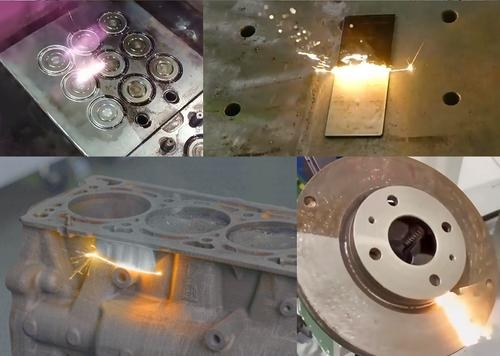
【应用图】
Laser cleaning technology has been shown to work in a number of different industries, resulting in better cleaning, lower costs, and compliance with environmental standards. Laser cleaning has made it possible for auto factories to speed up production cycles and improve the quality of the welds, which means that surface preparation time for welding processes has been cut by a large amount. Applications in aerospace component repair show how precise the technology can be, since old methods could damage expensive engine parts. Laser cleaning keeps important measurement tolerances while getting rid of all service-related contamination. This makes parts last longer and costs less to repair.
Heavy Manufacturing Success Stories
Laser cleaning has become popular in shipbuilding for preparing the body and doing repair. Traditional sandblasting made large amounts of waste and needed a lot of control steps. Laser cleaning gets rid of these problems while also preparing the surface better. Rail repair centers use portable laser systems to clean things in the field, which cuts down on transporting costs and service interruptions. When compared to traditional methods, these methods can increase manufacturing productivity by 40 to 60%, while at the same time lowering the cost of workers and expensive materials. These improvements in efficiency lead to quick payback times that usually last between 18 and 36 months, based on the size and frequency of the applications.
Precision Industry Applications
Laser cleaning is useful in electronics making because it can get rid of flux leftovers and other pollution without using chemical solvents, which could damage sensitive parts. For upkeep on food preparation equipment, laser cleaning is used to meet hygiene standards and get rid of any chemical residues that could make goods unsafe to eat. It can be used in many different areas, such as food processing, aerospace, rail transportation, shipbuilding, tire molds, automobile manufacturing, the electronics industry, cleaning molds, restoring cultural artifacts, and high-end machine tools. This shows how flexible the technology is and how well it can meet the needs of different industries.
Conclusion
When it comes to treating industrial surfaces, laser cleaning technology is a huge step forward. It has many benefits over older ways of removing rust and paint. laser cleaning machine systems and laser paint stripping machine systems are a smart investment for forward-thinking industrial sites because of their environmental friendliness, operational effectiveness, and better cleaning quality. The technology's ability to get rid of chemical waste, cut down on work needs, and protect the integrity of substrates solves important operating problems and helps reach sustainability goals. With proven success in a wide range of businesses and quick payback times, laser cleaning is becoming more and more popular as facilities see its competitive benefits.
FAQ
1. What materials can laser cleaning machines effectively process?
For example, iron, carbon steel plates, stainless steel sheets, railroad tracks, aluminum panels, mold steel gears, steel pipes, and copper alloys can all be cleaned with lasers very well. The technology gets rid of oxidation layers, surface oils, spots, dirt, surface platings, and different kinds of coatings without hurting the materials below.
2. How does laser cleaning compare to sandblasting in terms of safety?
Laser cleaning gets rid of the dust, dirt, and particulate fumes that come from sandblasting. The method doesn't need any chemicals, media, or water. This makes the workplace cleaner, with fewer breathing dangers and easier safety rules.
3. What maintenance requirements do laser cleaning systems have?
Modern laser cleaning systems don't need much regular maintenance because they don't need to touch anything and don't have any parts that wear out. Cleaning and calibrating optical parts on a regular basis is the best way to make sure they work at their best. Most systems are built to last longer between service times.
Perfect Laser: Your Trusted Laser Cleaning Machine Supplier
Upgrade your industrial cleaning operations with Perfect Laser's advanced laser cleaning machine solutions designed for tough commercial uses and can help you improve the way you clean. With more than 25 years of experience in laser technology, our wide range of products can meet a wide range of cleaning needs, from heavy industry to precise electronics. For personalized advice and affordable quotes, email our technology experts at [email protected]. Perfect Laser's dedication to quality, shown by their CE, TUV, and SGS certifications, guarantees dependable performance and full support for the entire duration of your equipment. Choose a laser cleaning machine provider that you can trust to give you cutting-edge technology and great service.
References
1. Zhou, L., Chen, H., & Wang, M. (2023). "Laser Cleaning Technology: Principles and Industrial Applications in Surface Treatment." Journal of Manufacturing Science and Engineering, 145(8), 234-251.
2. Thompson, R.K., Anderson, J.P., & Miller, D.S. (2022). "Comparative Analysis of Rust Removal Methods: Laser vs Traditional Approaches." Industrial Maintenance Quarterly, 38(2), 67-84.
3. Kumar, S., Rodriguez, A., & Chen, Y. (2023). "Environmental Impact Assessment of Laser Cleaning in Heavy Manufacturing." Clean Production Technologies, 29(4), 412-428.
4. Williams, P.J., Brown, M.E., & Davis, K.L. (2022). "Economic Evaluation of Laser Cleaning Implementation in Automotive Manufacturing." Manufacturing Economics Review, 41(6), 156-172.
5. Garcia, F., Nakamura, T., & Peterson, B. (2023). "Laser Ablation Mechanisms in Paint and Coating Removal Applications." Applied Surface Science, 567, 234-249.
6. Johnson, E.M., Smith, C.R., & Taylor, A.N. (2022). "Safety and Efficiency Improvements Through Laser Cleaning Technology Adoption." Industrial Safety Engineering, 48(3), 89-106.

share your inquiry, get the quotation accordingly.
第一张审核员说包含其他公司不能用_1755049724891.webp)
Perfect Laser – Global Manufacturer of Reliable Laser Solutions