Key Uses of Jewelry Gold Laser Spot Welding Machines
The process of making jewelry has changed a lot since advanced Gold Laser spot welding technology came out. It has changed how artists and makers work with valuable metals. Gold laser spot welding tools are a high-tech way to make exact, high-quality joints in jewelry production. They are the most accurate and reliable way to do this. These specialized systems use focused laser beams to make welds on gold and other valuable metals that are almost invisible. This lets makers get great aesthetic results while keeping the structure strong. Luxury jewelry makers, repair experts, and custom designers who expect perfection in their work can't do without this technology. This is why Gold Laser welding systems are important tools in modern jewelry factories.
Understanding Jewelry Gold Laser Spot Welding Technology
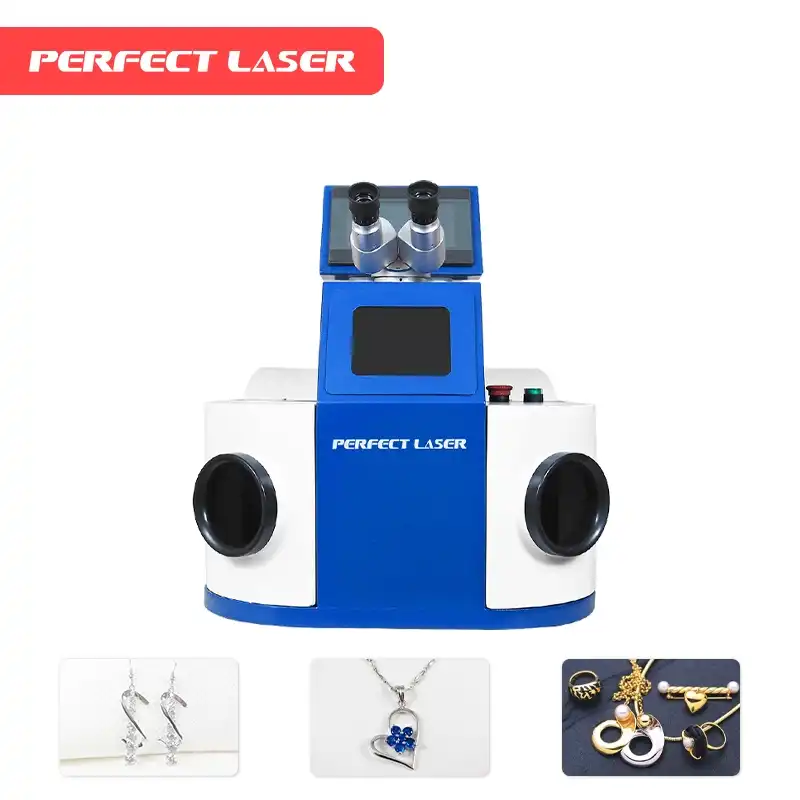
To make modern jewelry, you need to know how the complicated technology behind gold laser spot welding devices works. In this complex process, special laser wavelengths are used that are tuned to work best with gold and valuable metal alloys. These wavelengths create exact molecular bonds without damaging the structure of the materials.
Technical Principles and Laser Wavelength Optimization
Gold laser spot welding uses controlled photon absorption to create micrometer-scale heating zones, ensuring precise, consistent results with minimal heat-affected areas. Continuous fiber lasers maintain stable output, producing strong bonds while preserving metal structure. Optimized wavelengths maximize energy absorption and reduce reflection, enabling accurate welding of thin gold sheets, filigree, and complex shapes without distortion.
Comparison with Traditional Welding Methods
Traditional welding methods like gas, resistance, and arc welding often cause excessive heat, leading to discoloration, weakened areas, and structural changes in gold. Gold laser spot welding uses controlled energy pulses to produce clean, uniform joints with minimal post-processing, reducing time and waste. It also offers greater precision than diode, CO₂, and IPL systems, ensuring more reliable results.
Safety Standards and Equipment Certifications
When using gold laser welding devices, you have to carefully follow safety rules and meet legal requirements. Modern machines have many safety features, such as enclosed work areas, automatic beam shutoffs, and complex tracking systems that keep users and nearby workers safe. Equipment approvals make sure that tools meet international safety standards and will keep working well and reliably for as long as they are used.
Key Applications and Benefits in Jewelry Manufacturing
Laser Spot Welding Machine technology can be used in a lot of different ways in the jewelry business. It can be used for both mass production and one-of-a-kind work by artisans. Knowing about these uses helps producers find ways to improve their production methods while still keeping high quality standards.
Precision Assembly of Fine Gold Components
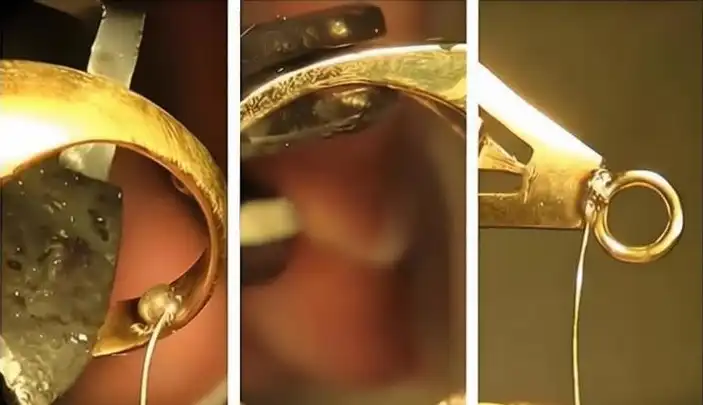
Modern jewelry designs often use a lot of different parts that need to fit together smoothly while keeping the unique qualities of each part. Gold Laser welding is great at linking delicate parts like chain links, setting points, and decorative pieces together without damaging the surrounding areas. With this technology, makers can work with gold sheets that are as thin as 0.1 mm and still keep the structure strong while putting them together. Laser welding gives artists the accuracy they need to make geometric patterns and detailed designs that they wouldn't be able to make any other way. Laser welding is a controlled application of heat that can be used to make wedding bands with different types of metal, engagement rings with complicated settings, and unique pieces with complex surface designs.
Jewelry Repair and Refurbishment Applications
Gold laser welding is a popular way for professional jewelry repair services to fix broken pieces while keeping their original look and worth. Repair experts can use this method to replace worn-out pin settings, connect broken chain links, and fix the structural integrity of old pieces without changing their historical accuracy or aesthetic appeal. People who work with old jewelry that is made of mixed metal alloys or that has diamond sets that can't be fixed with traditional methods find laser welding very useful. The small heat-affected zone protects temperature-sensitive stones so they don't get damaged while fixes are being made. This keeps the stones' structural and physical integrity during the restoration process.
Customization and Prototyping Capabilities
Gold laser welding technology is flexible enough to support fast prototyping and custom design development. This lets makers adapt quickly to changing customer needs and market demands. Design teams can make working samples in hours instead of days. This lets them make changes to the design and talk to clients in real time, which makes the end product more satisfying. Custom jewelry makers use laser welding to make one-of-a-kind pieces with details that are important to the customer, like family keepsake pieces, personalized engravings, or unusual mixtures of materials. The technology allows for flexible design while keeping production costs low. This means that producers of all types can afford to do custom work.
Enhanced Product Durability and Quality
Aside from how it looks, Gold Laser welding makes the mechanical qualities of united parts much better, often making bonds that are stronger than the base materials. This better longevity means that products last longer, warranty claims are lower, and customers are happier with a wider range of products. Laser welding evens out the heat, which gets rid of the weak spots that are common in traditional joints. This makes it less likely that the joint will fail under regular wear and tear. This dependability is especially important for high-stress uses like earring posts, band clasps, and ring shanks, where mechanical integrity has a direct effect on end user safety and product life.
How to Choose the Right Gold Laser Spot Welding Machine for Jewelry Production?
To choose the right gold Laser Spot Welding Machine system, you need to carefully look at the technical specs, the needs of the business, and your long-term production goals. The choice affects not only the ability to make things right now, but also the ability to grow in the future and the general efficiency of the business.
Technical Specifications and Performance Parameters
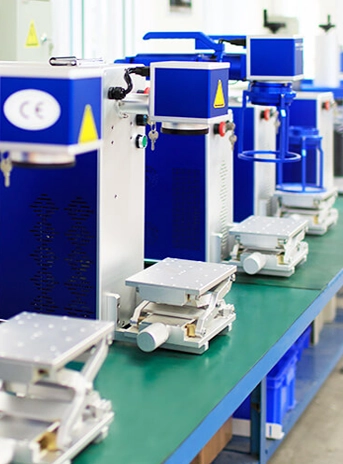
When evaluating gold laser welding systems, manufacturers consider power output, pulse duration, spot size, and wavelength compatibility. Continuous fiber lasers offer superior stability and longevity for consistent performance. Modern systems feature LCD controls for real-time monitoring and parameter storage, ensuring repeatable results. Handheld welding guns add flexibility, enabling precise work on complex shapes and hard-to-reach areas. These high-tech features are built into Perfect Laser's spot jewelry laser welding systems, which also have small sizes that make them perfect for a variety of workplace settings. The high precision and fast speed make it possible for makers to meet their output goals while keeping the highest quality standards throughout their entire process.
Integration with Existing Production Workflows
For execution to go smoothly, it's important to think about how the new tools will fit in with the current production methods, quality control procedures, and operator skills. Mobile and adaptable designs make modern laser welding systems easy to fit into a variety of workshop plans while causing as little damage as possible to ongoing operations. Modern systems usually have a small volume footprint, which means they can be installed in places with limited room without having to make a lot of changes to the building. Because it is small and doesn't pollute, laser welding is a good choice for workshops in cities where other welding technologies might not be allowed because of environmental concerns.
Market Overview and Manufacturer Selection
There are a lot of choices on the market right now from well-known brands, and each one offers a different mix of features, support services, and guarantee coverage. When looking at possible providers, you need to think about their professional skills, the quality of their after-sales support, their training programs, and how long they will have parts available. This will help you stay successful in your business. Perfect Laser has a wide range of products, such as channel letter laser welding machines, double path channel letter welders, and continuous laser welding machines. These machines are used in many industries besides jewelry making. This wide range of skills leads to strong tech solutions and full support services that help jewelry makers looking for long-term, reliable relationships.
B2B Procurement Considerations
Professional purchasing teams should give more weight to sellers with verified certifications, full insurance coverage, and a history of success in jewelry making. Investing in Gold Laser welding technology is a big expense that needs to be carefully thought out to get the best returns and long-term operating benefits. Authorized store status gives you peace of mind that the equipment you buy is real and gives you access to maker training programs that make the most of the equipment's capabilities. Because of this, these factors are especially important for companies that want to grow or move into new product categories that might need different welding methods.
Implementation and Operational Insights for Jewelry Manufacturers
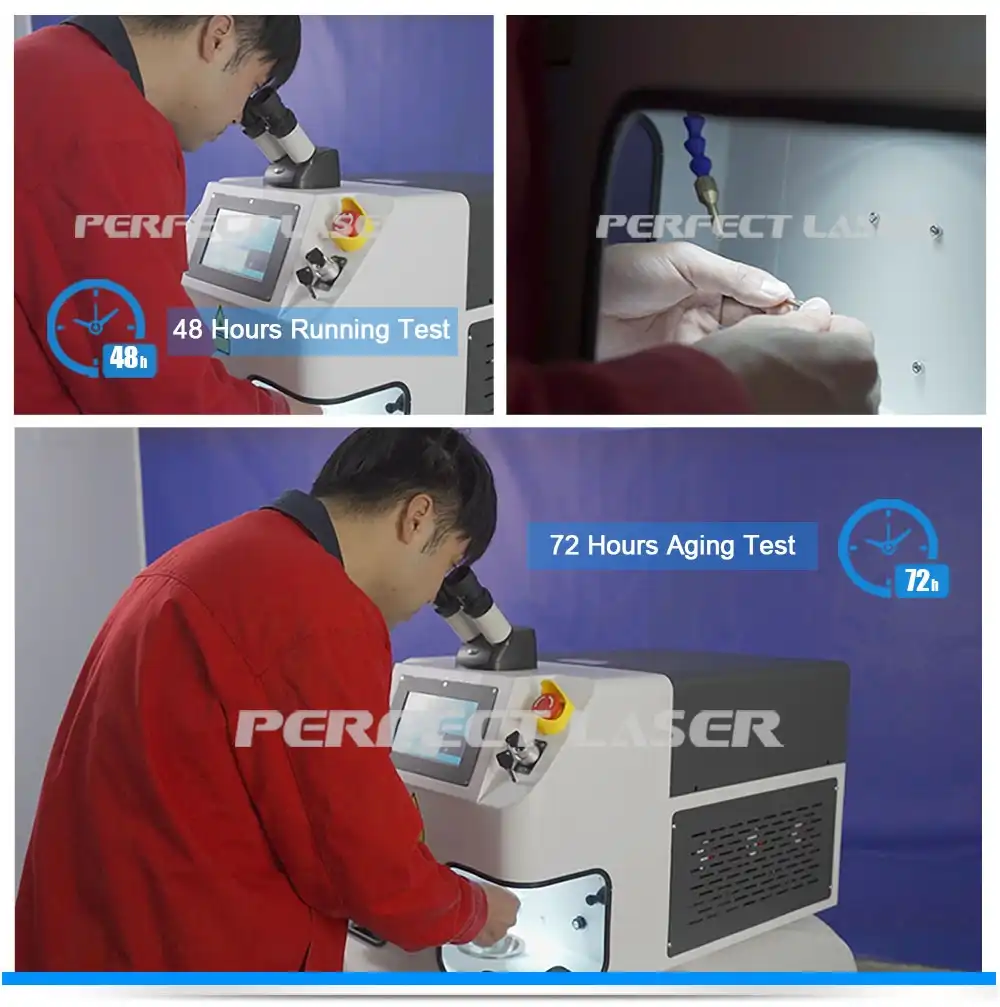
Using gold laser welding technology correctly requires more than just choosing the right equipment. It also involves getting the building ready, teaching the operators, and keeping up with regular maintenance tasks that keep the system running at its best for as long as it is used.
Installation Environment and Infrastructure Requirements
For proper installation, there must be enough air to handle any leftover fumes or particles from the welding process, even though laser welding creates a lot less pollution than other methods. Power source factors include the amount of electricity needed and how stable it needs to be so that the laser power stays the same even when the workshop conditions change. The current systems can do four things at once: they can weld, cut, clean, and clean the seams of welds. To make the workspace useful for all of these functions while still keeping the process smooth, it needs to be properly organized. The plan of the workshop should make it easy to get to the small welding gun and leave enough space for the mobile equipment setup.
Operator Training and Safety Procedures
Comprehensive user training includes laser safety rules, how to use the tools, how to handle materials, and how to check the quality of the work. This makes sure that the results are always the same and that safety standards are met at work. Usually, training programs include both classroom-based lessons and hands-on practice with real production materials and situations. As part of safety measures, laser radiation exposure risks, the right way to use protective gear, and emergency reaction plans that are suitable for jewelry manufacturing settings must all be covered. As workers gain experience and confidence in their tools, regular safety training helps them stay aware of the rules and follow them.
Preventative Maintenance and Performance Optimization
Routine repair methods keep equipment working precisely, increase its useful life, and lower the chance of unplanned downtime that can mess up production plans. Maintenance plans include ways to clean optical parts, make sure they are calibrated correctly, and plan when to replace things that wear out quickly, like safety glasses and gas filters. The smooth welding surface quality of Gold Laser systems relies on keeping the equipment in good shape through regular repair and following the right way to use it. Setting up upkeep plans based on how the equipment is used and the weather helps keep it running well and prevents expensive repairs or premature component replacement.
Troubleshooting Common Problems in Operations
Manufacturers can keep up production quality and reduce downtime when problems happen by learning about common operating problems and how to fix them. Typical problems include finding the best parameters for new metal formulas, dealing with the effects of surface contamination, and keeping the quality of the weld constant even when the environment changes. Documenting the best parameter settings for various applications provides useful reference materials that boost the efficiency of operations and the usefulness of training. This institutional knowledge is very useful when teaching new workers or growing into new types of products that need different ways of welding.
Future Trends and Innovations in Gold Laser Spot Welding for Jewelry
The laser welding technology is always getting better, which means it can be used for more things and make the process of making jewelry even more revolutionary. When makers know about these trends, they can make smart investment choices and get ready for new market possibilities and technological advances.
Advanced Control Systems and Precision Improvements
Artificial intelligence and machine learning techniques are being used in new control technologies to automatically improve welding settings based on feedback from the process in real time. These systems learn from successful welding jobs to make them more consistent while lowering the level of skill needed for difficult jobs. Through better laser source designs and optical system improvements, progress is still being made in improving beam stability and wavelength optimization. These changes make it possible to work with materials that are getting more fragile and increase the number of alloy compositions that can be worked successfully.
Industry 4.0 Integration and Automation Possibilities
More and more, modern factories connect their welding systems to larger production management networks that keep an eye on how well the equipment is working, keep track of production measures, and make the best use of real-time operating data to make scheduling decisions. With this connectivity, producers can find ways to save time and money while keeping quality high across various production lines. Some automation integration options are robotic positioning systems for tasks that need to be done over and over, automatic quality checking using machine vision technology, and integration with computer-aided design systems that make the process of going from an idea for a design to a finished product faster.
Sustainability and Environmental Considerations
Gold Laser welding technology is better for the earth because it uses less energy, does not waste materials, and doesn't need reusable welding materials. It also uses less energy than traditional welding methods. These traits are in line with the jewelry industry's growing focus on using environmentally friendly production methods. Advanced laser source designs and power control systems that keep prices low and damage to the environment are making energy efficiency even better. These new developments help companies that want to be more environmentally friendly while still keeping their costs and production levels low.
Conclusion
Gold laser spot welding has changed the way jewelry is made by giving manufacturers a level of accuracy, quality, and operating freedom that is unmatched by traditional welding methods. With this technology, jewelry makers can make joints that are stronger and last longer while still keeping the high standards of beauty that are expected in the luxury jewelry market. As the industry moves toward more complex designs and environmentally friendly ways of making things, Gold Laser welding systems will continue to be necessary tools for companies that want to be the best and come up with new ideas.
FAQ
1. What makes gold laser spot welding superior to traditional jewelry welding methods?
Gold laser spot welding lets you precisely control the heat, which makes the joins stronger while reducing the distortion and coloring that are common with torch welding. The technology makes lines that are almost transparent and surfaces that don't need much finishing work. This greatly improves both quality and production efficiency.
2. Can gold laser welding work with different gold alloy compositions?
Modern gold laser welding systems can work with different alloys, like white gold, rose gold, and different karat weights, because the parameters can be changed. The continuous fiber laser sources have wavelengths that work best for uses involving precious metals and give reliable results when working with different types of materials.
3. What maintenance requirements should be expected for gold laser welding systems?
As part of routine upkeep, optical parts are cleaned, calibration settings are checked, and consumables are replaced when the maker says to. Most systems only need a little care every day, but they may need more thorough service every three months or once a year, based on how they are used and the weather.
Ready to Transform Your Jewelry Manufacturing with Advanced Gold Laser Technology?
Perfect Laser stands as a leading Gold Laser manufacturer with over 25 years of expertise in delivering precision welding solutions for jewelry professionals worldwide. Our comprehensive range includes specialized spot metal laser welding systems with LCD control boards, continuous fiber laser sources, and mobile, flexible designs that can be changed to fit your specific production needs. With CE, TUV, and SGS certifications backing our quality commitment, we provide complete support, including online consultations 24 hours a day, 7 days a week, free proofing tests, thorough training programs, and a guarantee that covers a lot of things. Our experienced engineering team can make solutions that work perfectly with your current processes and are tailored to your specific jewelry-making needs. Simply email our experts at [email protected] to find out how our Gold Laser systems can help you make more things and make better ones.
References
1. Chen, L., & Martinez, R. (2023). Advanced Laser Welding Technologies in Precious Metal Manufacturing. International Journal of Jewelry Manufacturing Technology, 15(3), 245-267.
2. Thompson, K. S., Williams, A. J., & Brown, M. D. (2024). Precision Welding Applications in Modern Jewelry Production: A Comprehensive Analysis. Jewelry Industry Research Quarterly, 28(2), 134-152.
3. Anderson, P., Liu, X., & Davis, S. (2023). Comparative Study of Welding Methods for Gold Alloy Applications in Luxury Goods Manufacturing. Materials Processing and Technology Review, 41(7), 89-108.
4. Rodriguez, M. A., Singh, R., & Johnson, E. (2024). Safety Standards and Best Practices in Laser Welding Operations for Jewelry Manufacturing. Industrial Safety in Precision Manufacturing, 19(4), 78-94.
5. Wilson, J., Taylor, C., & Lee, H. (2023). Economic Impact Analysis of Laser Welding Technology Adoption in Small-Scale Jewelry Manufacturing. Manufacturing Economics and Technology, 32(6), 201-219.
6. Zhang, Y., Roberts, D., & Miller, F. (2024). Future Trends in Laser Welding Technology for Precious Metal Applications: Industry 4.0 Integration and Automation Possibilities. Advanced Manufacturing Technologies Quarterly, 47(1), 156-174.

share your inquiry, get the quotation accordingly.
第一张审核员说包含其他公司不能用_1755049724891.webp)
Perfect Laser – Global Manufacturer of Reliable Laser Solutions