Key Factors When Choosing a Fiber Laser Cutter
To pick the best fiber laser cutting machine, you must evaluate several technical and practical variables that affect its performance and profitability. Modern fiber lasers cut carbon steel, stainless steel, and aluminum quickly and accurately. They are essential for manufacturers of large machinery, transportation equipment, appliances, and commercial manufacturing services. Knowing the primary selection considerations will help you ensure that your investment satisfies production demands and provides the greatest practical advantages and long-term value.
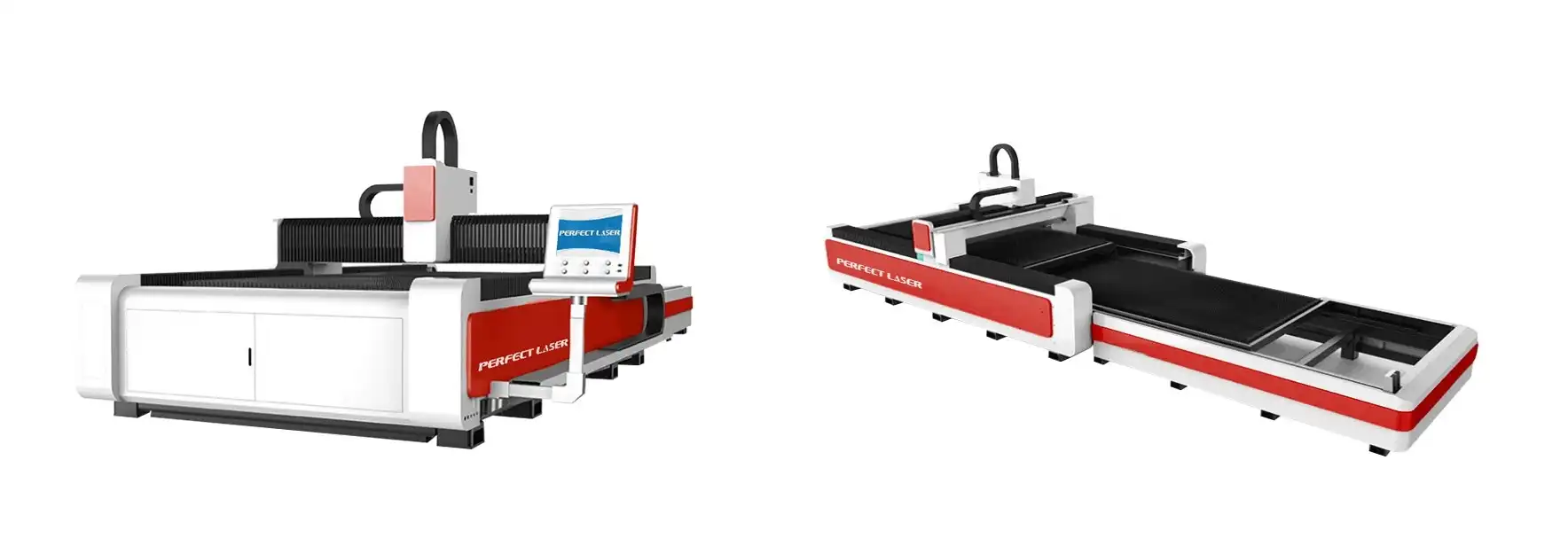
Understanding Fiber Laser Cutting Technology
Fiber laser cutting advances metalworking. Strong laser beams are produced by mixing optical fibers with rare-earth materials. Fiber lasers employ a more focused wavelength of 1064 nanometers, improving beam quality over CO2 lasers. This allows precise cutting with little hot spots.
How Fiber Laser Systems Operate
The fundamental process involves sending a laser beam over fiber optic wires to a lens that focuses on the object's surface. Focused energy melts, burns, or vaporizes material, making clean cuts. To remove liquid material and prevent oxidation, the procedure requires oxygen, nitrogen, or compressed air, depending on the material and edge quality.
Power Capabilities and Material Processing
Most modern fiber laser cutting machines are 1500–6000 watts. Powerful cutters cut tougher materials. A 3000 watt system can readily cut 12 mm carbon steel, 8 mm stainless steel, and 6 mm aluminum. However, a 6000-watt system can handle tougher materials. Power impacts cutting breadth depending on material, speed, and edge quality.
Advantages Over Traditional Methods
Several practical aspects make fiber laser technology ideal for industrial usage. Most systems obtain 25–30% energy efficiency, compared to 10-15% for CO2 systems. System operating expenses are lower. Fewer moving parts and solid-state architecture reduce maintenance. Cutting rates are 100–300% quicker than previous methods, depending on material thickness.
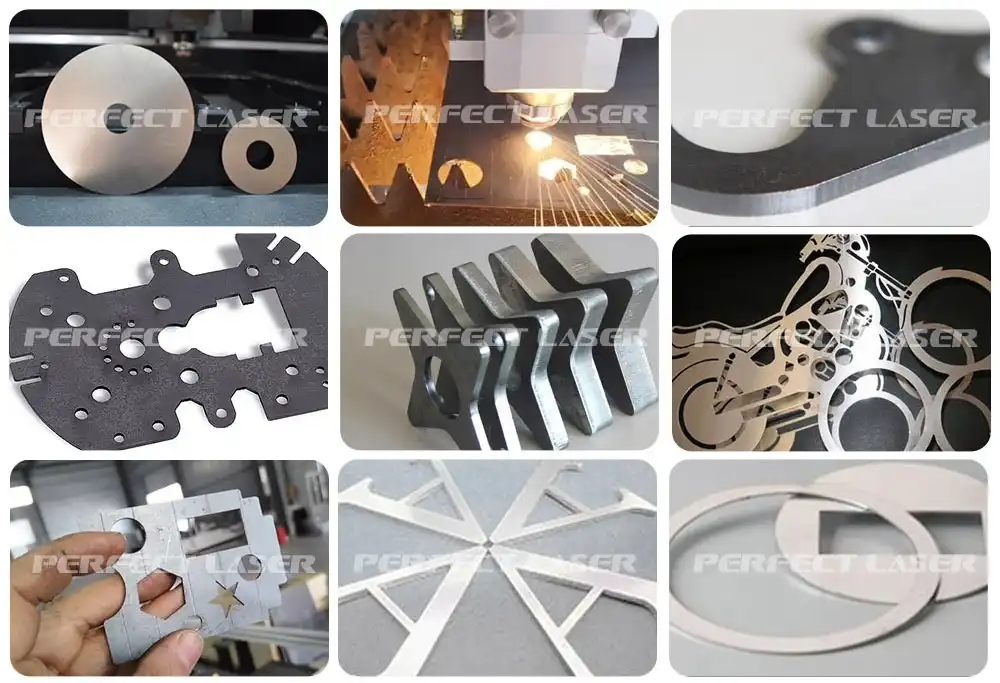
Core Criteria for Selecting the Right Fiber Laser Cutter
To choose the best laser cutting system, consider the job's technical criteria and output objectives. The selection procedure considers materials, thicknesses, production numbers, and accuracy to ensure the system operates well.
Laser Power and Source Quality Assessment
Laser source selection affects speed and reliability. Famous companies including IPG, Raycus, Max Phoenix, JPT, and N-Light manufacture lights with different performance and pricing ranges. The finest beam quality and longest longevity make IPG sources excellent for demanding tasks that need stable performance over time. You must consider the maximum material width, cutting rates, and production objectives to determine power needs.
Build Quality and Mechanical Components
Body stiffness impacts fiber laser cutting machine stability and performance. Heavy-duty welded steel frames reduce vibrations for precision during fast procedures. Driving components, linear guide systems, and servo motors must put pieces precisely. Check shielded lenses, focusing lenses, and beam delivery devices for cut and substance regularly.
Software Integration and Automation Features
Modern manufacturing requires seamless integration of CAD/CAM tools and production processes. Advanced control software should optimize stacking, read several file kinds, and track in real time. Automation features like automatic edge detecting, dynamic laser focusing, and material handling integration boost machine productivity with minimal human input.
Industry 4.0 connectivity allows remote monitoring, maintenance planning, and production data analysis. These qualities are ideal for high-volume jobs that need constant availability and efficiency.
Comparing Fiber Laser Cutting Machines Against Alternative Technologies
Knowing what other companies are out there helps makers make smart choices based on application needs and price limits. Each cutting tool has its own pros and cons that make it better or worse for different tasks.
Fiber vs. CO2 Laser Systems
The technology behind fiber laser cutting machine systems is great for quickly and efficiently cutting thin to medium-thick metals. CO2 devices are still a good option for working thick materials and some non-metallic tasks. Fiber systems have lower operating costs because they use less energy, need less upkeep, and have parts that last longer. But CO2 systems might be better for some tasks that need specific edge properties or that need to work with very thick materials.
Plasma and Waterjet Comparisons
Plasma cutting systems can cut thick materials cheaply, but they are less accurate and create worse edges than laser cutting machines. Waterjet technology cuts many materials accurately, but it's slower and costs more for consumables. The technology used depends on how exact the demands are, how thick the material is, how much is being created, and how much the company costs.
Market Variants and Investment Considerations
Most entry-level systems only have the most basic features, making them good for small businesses or certain tasks. High-precision models have advanced features like power control in real time, automatic focus change, and better tracking systems. Not only the initial purchase price, but also operating costs, productivity gains, and long-term dependability should be taken into account when making an investment choice. Certified pre-owned equipment can be a good option for buyers on a budget, but the guarantee coverage and support options need to be carefully looked over. When you buy new equipment, it usually comes with the newest technology, a full guarantee, and a full support package.
Practical Considerations: Maintenance, Safety, and Running Costs
To operate a fiber laser successfully, you need to know a lot about safety rules, servicing needs, and the total cost of ownership. These things have a big effect on how well operations run and how profitable they are in the long run.
Maintenance Requirements and Procedures
Regular repair plans keep equipment running at its best and extend its life. Cleaning protective lenses, reviewing cutting heads, checking gas supply systems, and calibrating positioning accuracy are some of the most important upkeep jobs. Optical parts need extra care because damage or contamination directly affects the quality and speed of cutting. As a general rule, preventative maintenance plans include daily checks, weekly cleaning, monthly tuning checks, and full service once a year. By doing what the maker says and keeping thorough service records, problems can be found before they affect production.
Safety Protocols and Training
Laser safety rules say that operators must get a lot of training and make sure that their safety gear is set up correctly. Class 4 laser systems need protected work places for cutting, safety systems that work with each other, and the right warning signs. Laser safety glasses are part of personal protection equipment, and workers need to know how to shut down the machine in an emergency. Training programs should cover safe operation methods for the laser cutting machine, material handling techniques, upkeep routines, and what to do in an emergency. Regular safety checks and repeat training make sure that safety standards are always being met.
Total Cost of Ownership Analysis
Knowing all of your business costs is important for figuring out your return on investment (ROI) and making your budget. Energy use depends on the power of the laser, the length of time it cuts, and the needs of any other systems that are being used. Consumable costs include help gases, safety lenses, focusing lenses, and nozzles. The amount of time these items are used depends on the material being cut and the cutting conditions. Support and service costs include things like monthly upkeep, getting spare parts, and getting in touch with expert support. Choosing providers with nearby service and a large inventory of parts lowers the risk of downtime and the cost of upkeep.
Selecting a Trusted Supplier and Ensuring Support
The choice of supplier has a big effect on how well equipment works, the level of help, and the long-term success of operations. When looking at possible providers, you need to look at their technical skills, service facilities, and customer service quality.
Manufacturer and Distributor Evaluation
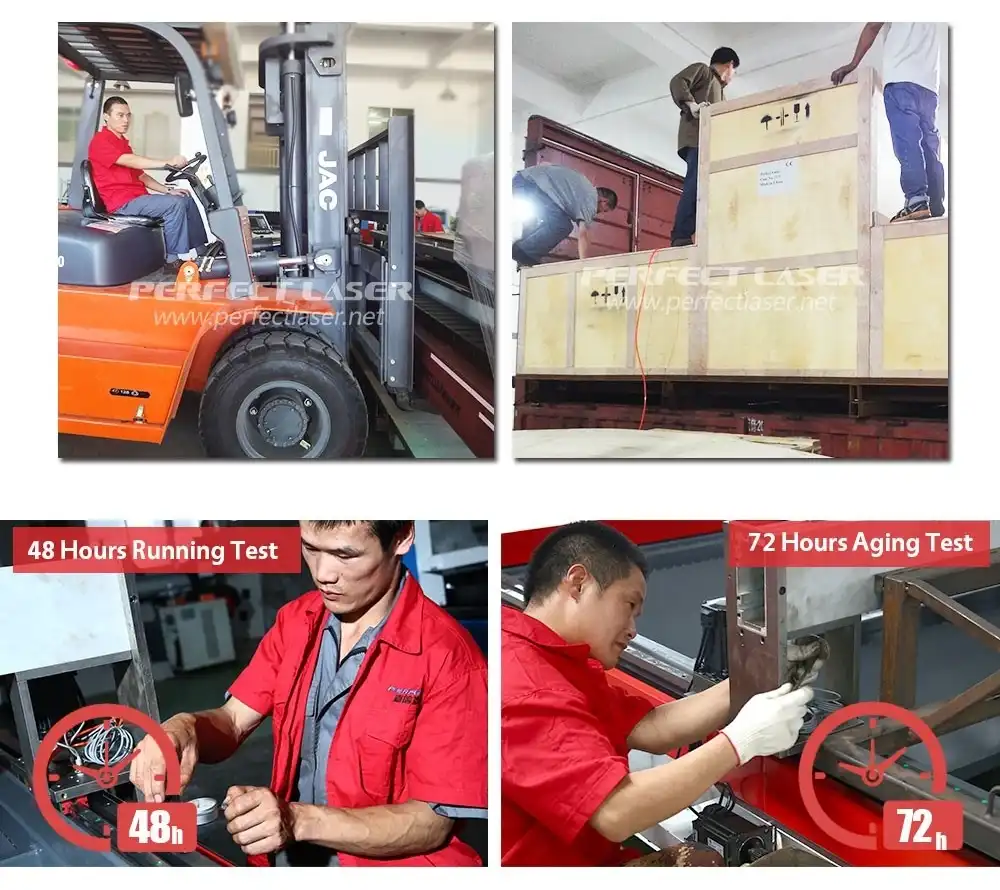
Reputable companies that make laser cutting machine price systems show that they have a track record by giving customer references, industry certifications, and technical know-how. Authorized dealers offer local training, support, and service that makes the customer experience better and lowers operating risks. As an example of high-quality production, Perfect Laser Co., Ltd. has been in business for over 25 years and has many approvals, such as those from CE, TUV, and SGS. The business has a wide range of products with laser strengths ranging from 1500 watts to 6000 watts. They use high-quality laser sources from IPG, Raycus, Max Phoenix, JPT, and N-Light to meet different cutting needs.
Service and Support Infrastructure
A full support system includes help with installation, training for operators, professional support, and maintenance services. Access to online services 24 hours a day, 7 days a week means that technology problems can be fixed quickly and work stops are kept to a minimum. The warranty should cover both the equipment and its parts, and it should be clear what the reaction times and service responsibilities are. The availability of neighborhood repair technicians and spare parts has a big effect on how long downtime lasts and how much it costs to maintain. Suppliers who already have service networks in place can respond faster and offer more cost-effective help options.
Financing and Delivery Considerations
Different budgets and cash flow issues can be met by financial choices that are flexible. There are alternatives to direct buy agreements, such as leasing programs, equipment loans, and trade-in possibilities. Order customization lets you make sure that the specs of the tools you buy meet the needs of your application without adding extra features or costs. Logistics for delivery, such as shipping, installation, and commissioning, should work with production plans and the needs of the building. Full project management makes sure that the equipment is installed smoothly and that production is interrupted as little as possible.
Conclusion
To choose the best fiber laser cutting machine, you need to carefully look at its technical specs, working needs, and the supplier's abilities. Some important factors are laser power and source quality, machine build standards, the ability to integrate software, and a full support system. Knowing the total cost of ownership, the upkeep needed, and safety concerns helps you make smart decisions that get you the best return on your investment. Choosing reputable suppliers that offer high-quality tools, thorough training, and reliable ongoing support to improve factory processes is key to a successful implementation.
FAQ
1. What laser power rating do I need for my cutting applications?
How much power a laser needs depends on how thick the material can be and how fast it needs to be cut. A 1500-watt system can easily work with thin materials up to 6 mm thick, and a 3000 watt system can easily work with materials up to 12 mm thick. 6000-watt units work best and are most productive for cutting thick plates up to 20 mm thick.
2. How do fiber lasers compare to CO2 systems for metal cutting?
The energy economy of fiber laser cutting machine systems is higher than that of CO2 technology. They also cut faster and need less upkeep. Instead of using 10-15% as much energy, fiber lasers use 25-30%, and they can cut metals that are thin to medium-thickness 2-3 times faster.
3. What maintenance intervals ensure optimal machine performance?
As part of daily upkeep, protective lenses need to be cleaned and assist gas stores need to be checked. Every week, you have to check the cutting heads and adjust the setting systems. Maintenance that is done once a month includes thorough cleaning, greasing, and checking the balance. Professional cleaning once a year makes sure that the equipment works at its best and extends its life.
Partner With Perfect Laser for Advanced Cutting Solutions
Perfect Laser offers state-of-the-art fiber laser cutting machine technology designed for demanding industrial applications across heavy machinery, transportation, and commercial fabrication sectors. Our wide range of products includes 1500-watt to 6000-watt systems with top-of-the-line laser sources from IPG, Raycus, Max Phoenix, JPT, and N-Light, so you can get the best results for all of your metal-cutting needs. We offer competitive laser cutting machine price along with full solutions, including installation, training, and ongoing upkeep. We have been manufacturing for more than 25 years, have foreign certifications, and offer technical help 24 hours a day, 7 days a week. Get in touch with our knowledgeable staff at [email protected] to talk about custom fiber laser cutting machine solutions that will help you make more things and run your business more efficiently.
References
1. Smith, J.A. "Industrial Laser Cutting Technology: Performance Analysis and Selection Criteria." Journal of Manufacturing Technology, Vol. 45, 2023.
2. Chen, L.M. "Fiber Laser vs. CO2 Laser Systems: Comparative Study of Energy Efficiency and Operating Costs." International Conference on Advanced Manufacturing, 2023.
3. Rodriguez, M.K. "Safety Protocols and Best Practices for High-Power Laser Cutting Operations." Industrial Safety Quarterly, Issue 3, 2023.
4. Thompson, R.D. "Total Cost of Ownership Analysis for Industrial Laser Cutting Equipment." Manufacturing Economics Review, Vol. 28, 2023.
5. Wang, X.F. "Maintenance Strategies and Performance Optimization for Fiber Laser Cutting Systems." Laser Technology International, Vol. 15, 2023.
6. Anderson, P.J. "Market Analysis and Technology Trends in Metal Cutting Laser Systems." Industrial Equipment Report, Annual Edition, 2023.

share your inquiry, get the quotation accordingly.
第一张审核员说包含其他公司不能用_1755049724891.webp)
Perfect Laser – Global Manufacturer of Reliable Laser Solutions