What Is a Wall Print? How Wall Printers Create Mural Art
Wall printing represents a revolutionary approach to creating custom murals and artwork directly on vertical surfaces. A wall print is a high-resolution image or design applied to walls using specialized wall printer technology that utilizes advanced inkjet systems to spray ink directly onto various surfaces, including concrete, wood, glass, and painted walls. Unlike traditional mural techniques that require skilled artists and extensive time investment, wall printers automate the entire process while delivering exceptional precision and vibrant colors. This innovative technology transforms how businesses and individuals approach decorative wall solutions, offering unprecedented speed and customization capabilities.
Understanding Wall Printing Technology
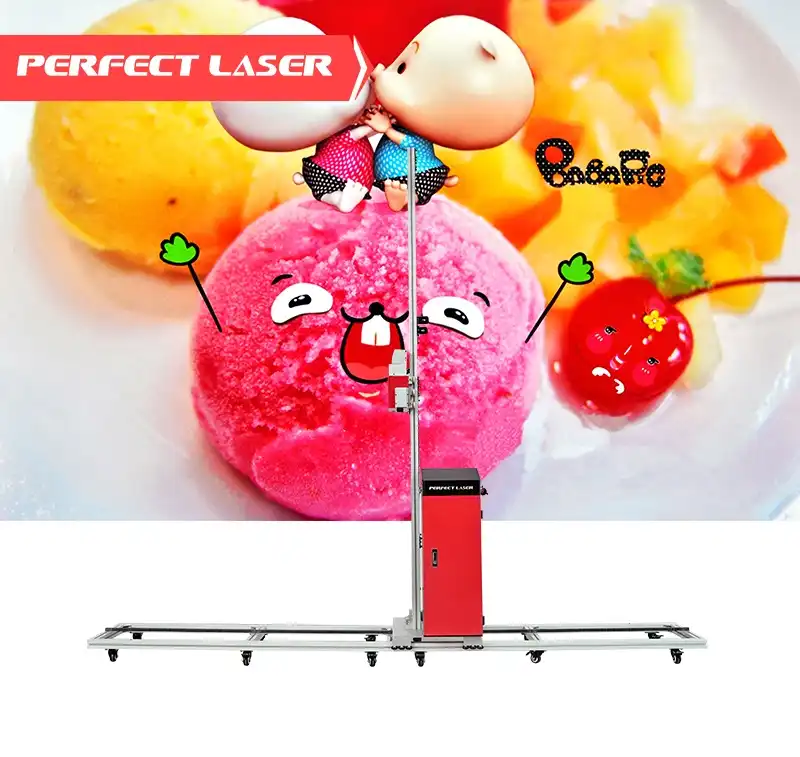
Modern wall printing technology revolutionizes mural art creation through sophisticated engineering that combines precision mechanics with digital artistry. The core mechanism involves advanced inkjet systems equipped with multiple print heads that move systematically across vertical surfaces, depositing layers of specially formulated ink to create detailed images.
How Wall Printers Function
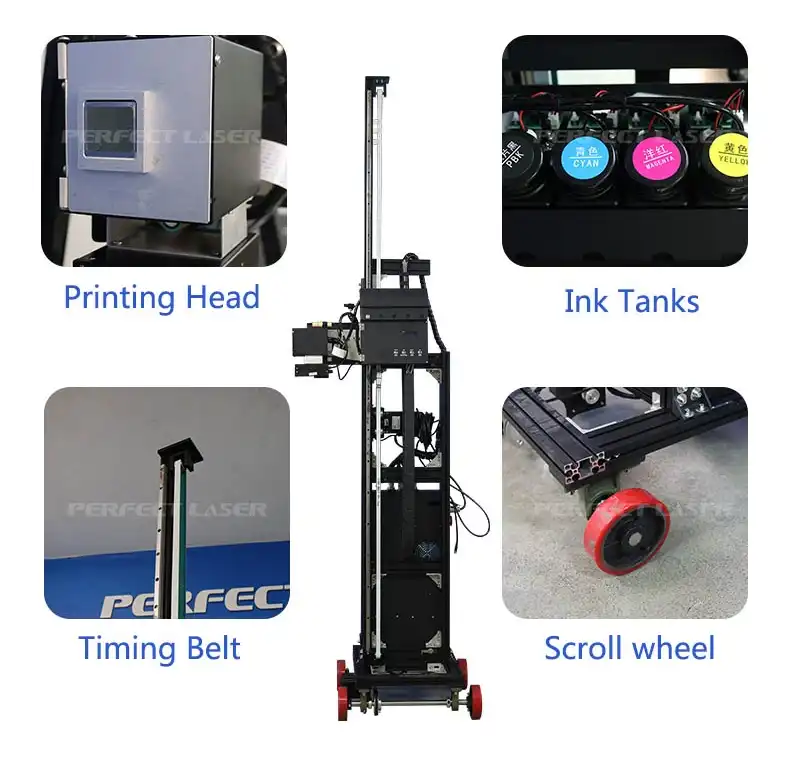
Wall printers operate using a combination of precise sensors, integrated software, and high-resolution print heads that work together to ensure accurate ink placement. The machine typically features a vertical rail system that allows the print head assembly to move smoothly up and down the wall surface. Sophisticated positioning sensors continuously monitor the printer's location, ensuring each ink droplet lands precisely where intended.
The printing process begins with digital file preparation, where artwork is processed through specialized software that optimizes color profiles and adjusts for surface characteristics. The printer then applies ink in multiple passes, building up layers to achieve the desired color depth and visual impact.
Ink Technologies and Surface Compatibility
Modern wall printing systems use a variety of ink formulas tailored to particular surface types and uses. UV-curable inks are perfect for outdoor applications because of their exceptional weather resistance and endurance. Water-based pigment inks are ideal for indoor business and residential settings because they provide vivid colors with no negative influence on the environment.
These printing technologies exhibit exceptional adaptability to a wide range of surface types, including metal surfaces, wood paneling, smooth painted walls, textured concrete, and even glass installations. Depending on the substrate, different surface preparation requirements apply; however, contemporary wall printers can handle small flaws and differences in texture.
Comparing Wall Printing with Traditional Wall Art Techniques
With its strong benefits over traditional creative techniques, the advent of wall mural printers has drastically changed the terrain of mural production. Businesses and individuals may make more educated decisions regarding their decorative wall initiatives by being aware of these distinctions.
Speed and Efficiency Advantages
Large-scale projects, including traditional mural painting, need weeks of human effort, several site visits, and thorough preparation. Expert muralists must work systematically, and managing intricate projects frequently calls for scaffolding and several workers. Outdoor projects can be greatly impacted by weather, which can result in delays and higher expenses.
By automating the creative process, wall printing technology significantly shortens project deadlines. Using digital printing techniques, a complicated mural that may take weeks of conventional painting can frequently be finished in a matter of days. Because wall printing is mechanized, it removes the need for specific creative talents and avoids weather-related delays for interior projects.
Cost-Benefit Analysis
The total cost of ownership frequently favors digital printing options, even if conventional mural processes may first seem less expensive. Ongoing labor expenditures, possible revision fees, and little design flexibility after work starts are all associated with creating murals by hand. The materials used and the surrounding environment have a big impact on how long hand-painted murals last.
Once criteria are set, digital wall printing provides consistent project prices with little fluctuation. Before actual installation starts, the technology allows for quick design revisions and customer approvals. The precision of automated application and the longevity of contemporary ink formulas usually result in lower long-term maintenance needs.
How To Operate to Create Mural Art and Maintain with Wall Printer
Successful wall printer implementation requires understanding operational procedures and maintenance protocols that ensure consistent performance and extended equipment lifespan. Proper training and adherence to manufacturer guidelines form the foundation of profitable wall printing operations.
Essential Preparation and Setup Procedures
Thorough surface assessment and preparation is the first step towards successful wall printing. The target wall's compatibility with the planned ink systems, surface smoothness, and structural soundness should all be evaluated. Significant inconsistencies would need to be corrected, although minor surface flaws can frequently be tolerated.
To get the best results, software setup is essential. For the particular ink system and surface combination, design files need to be appropriately prepared and color-corrected. Before starting large-scale projects, test prints on sample surfaces assist in confirming color accuracy and ink adherence.
Maintenance Protocols and Best Practices
Maintaining print quality and avoiding expensive downtime requires regular maintenance procedures. Print head upkeep, ink system purging, and mechanical component inspection are examples of daily cleaning operations. These standard procedures guarantee constant droplet generation and avoid ink accumulation.
Belt tension checks, thorough system diagnostics, and calibration verification should all be part of weekly maintenance routines. Deeper cleaning techniques, software upgrades, and component replacement in accordance with manufacturer standards are all part of the monthly routines. Optimizing replacement schedules and identifying patterns are made easier with proper maintenance documentation.
Choosing the Right Wall Printer: Key Considerations for Procurement Managers
It is important to carefully consider technical specifications, operational needs, and vendor capabilities when choosing wall printing equipment. The choice affects operational effectiveness and long-term profitability in a variety of project types.
Technical Specifications and Performance Metrics
The most important factor is print resolution; greater resolutions allow for more intricate artwork but may also slow down printing. While creative installations could benefit from greater specs, commercial applications usually need resolutions between 300 and 600 DPI. Project schedules and operational throughput are impacted by print speed; therefore, it's critical to strike a balance between productivity objectives and quality standards.
The variety of colors and surface applications that may be achieved depends on ink compatibility. While some systems work well with particular types of ink, others are more compatible with a wider range of formulas. For outdoor applications, environmental resistance becomes essential, necessitating UV-stable inks and weather-resistant parts.
Vendor Evaluation and Support Services
Long-term success with wall printing technology is greatly impacted by comprehensive vendor support. Technical training accessibility, spare parts inventories, and service call response times should all be considered evaluation criteria. Manufacturers differ greatly in the terms of their warranties; some provide extensive coverage, while others restrict protection to particular parts.
Adaptation to particular project demands and operating requirements is made possible by customization possibilities. Strong engineering assistance enables vendors to change equipment setups and provide unique solutions for difficult applications. As companies grow into new markets and application areas, this flexibility comes in handy.
Business Applications and Future Trends of Wall Printing Technology
The growing need for affordable ornamental solutions and adaptable visual messages is driving the commercial adoption of wall printing machines across a variety of sectors. Businesses might find opportunities and make strategic investment plans by comprehending these applications and new trends.
Commercial Sector Applications
Wall printing is being used more often in retail settings for brand reinforcement, promotional activities, and seasonal displays. While lowering the expense of traditional signs, the capacity to swiftly alter message and graphics helps dynamic marketing campaigns. Wall printing is used in shopping centers for advertising displays, navigation systems, and aesthetically pleasing common spaces.
Wall printing technology is used in hospitality venues to strengthen brand identification and provide immersive visitor experiences. While keeping costs under control, hotels might alter room décor to fit special occasions or seasonal themes. Restaurants use wall printing to complement their culinary ideas through menu displays, advertising messages, and atmospheric improvement.
Emerging Technology Trends
Innovation in printing techniques and ink compositions is fueled by environmental sustainability. While preserving performance features, new environmentally friendly ink systems lower volatile organic compounds. Environmental certification schemes and green construction projects are supported by biodegradable ink alternatives.
Predictive maintenance and remote monitoring are made possible via automation integration. Wall printers that are linked to the internet may automatically get software updates, give performance indicators, and predict when components will need to be replaced. These features increase equipment utilization rates and lessen operational complexity.
Company Introduction and Solutions
With over thirty years of experience producing laser equipment, Perfect Laser Co., Ltd. is at the forefront of wall printing innovation in the digital printing sector. We have been a reputable technology partner for companies looking for dependable, high-performance printing solutions since 1995.
Perfect Laser Wall Printer Technology
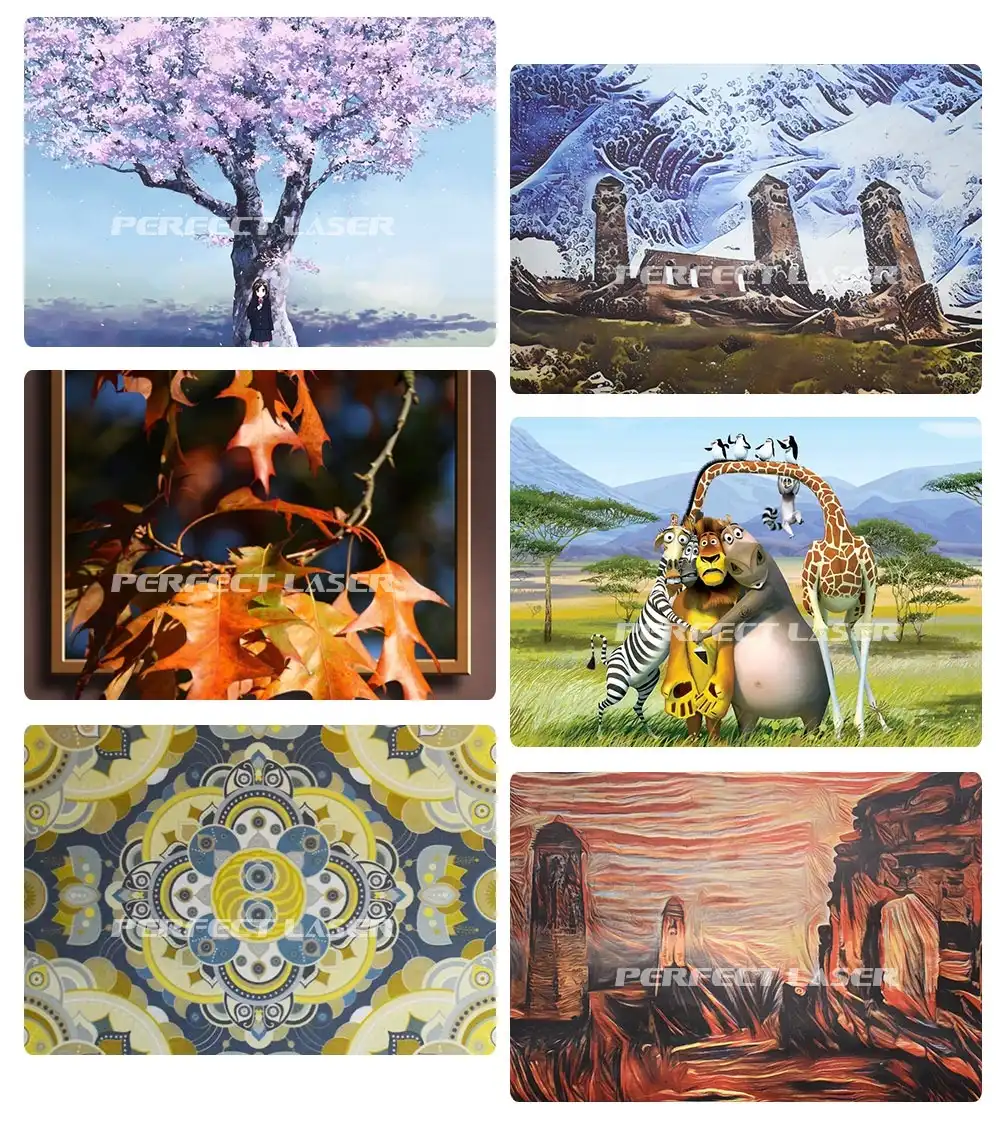
Our independently researched and developed wall printer machines deliver exceptional performance across diverse applications. The technology incorporates high-precision printing capabilities that produce perfect, colorful output with remarkable detail and accuracy. Advanced engineering enables easy 3D effect creation, expanding creative possibilities for artistic and commercial projects.
The core advantages of our wall printing systems include:
• Vivid Color Technology: Excellent color reproduction that catches minute details and delicate gradations is produced by sophisticated ink formulas and precise print heads, guaranteeing professional-quality results for all project types.
• Seamless Splicing Function: Large-scale works with a consistent look are supported by innovative software algorithms that allow continuous printing over several panels without obvious seam lines.
• Unlimited Width Printing: Flexible system architecture accommodates walls of virtually any width through intelligent print head coordination and automated positioning systems.
• High Precision Control: Accurate ink placement under strict tolerances is ensured by sophisticated sensors and precise mechanical parts, producing consistent results across long manufacturing runs.
• Fast Dry Ink Systems: Quick-drying inks with specific formulas reduce project completion times while preserving color stability and durability.
These technological advantages enable our clients to tackle complex projects with confidence while maintaining competitive pricing structures.
Versatile Material and Industry Applications
Our wall printing systems demonstrate remarkable compatibility across various surface types, supporting diverse installation environments and client requirements. The equipment performs effectively on multiple flooring options, including ceramic tiles, hardwood, stone surfaces, concrete, artificial materials, terrazzo, and brick installations. Wall applications encompass painted surfaces, tile walls, latex paint finishes, and concrete substrates.
Applications in the industry include indoor and outdoor parking lots, advertising sector initiatives, floor decorations for shopping malls, interior design for homes and businesses, educational establishments, government community outreach initiatives, and creative experience centers. Businesses may service several market segments with a single equipment investment because of its adaptability.
Conclusion
With its unparalleled speed, accuracy, and customizability, wall printer technology is a revolutionary development in the production of murals. Businesses now have tremendous instruments for income generation, ornamental enhancement, and brand expression thanks to the transition from manual painting techniques to automated digital systems. Wall printing will continue to become more popular in both commercial and residential sectors as ink formulas advance and automation features increase. Perfect Laser's creative solutions put companies in a position to take advantage of this expanding market while producing outstanding outcomes that surpass customer expectations.
FAQ
1. What surfaces can wall printers work on?
Painted walls, concrete, wood, metal, glass, and textured materials are all supported by contemporary wall printers. Although there are differences in surface preparation requirements, most systems manage small flaws well. Surface stability, cleanliness, and compatibility with the selected ink system are important considerations.
2. How long do wall prints last?
Environmental factors, surface preparation, and ink type all affect how long a print lasts. High-quality UV inks used inside usually don't fade much for ten to fifteen years. Due to weather exposure, outdoor installations may gradually change color over a period of five to eight years; however, premium ink systems significantly prolong this term.
3. What maintenance do wall printers require?
Regular maintenance includes daily print head cleaning, weekly calibration checks, and monthly comprehensive system diagnostics. Proper maintenance routines prevent costly repairs and ensure consistent print quality. Most manufacturers provide detailed maintenance schedules and training programs to support optimal equipment performance.
4. Can wall printers create textured or 3D effects?
With precise ink layering and specific software algorithms, sophisticated wall printing systems may produce visual 3D effects. The visual impact of well-designed 3D wall prints may be highly striking and captivating for viewers, even if actual physical texture necessitates extra processes.
Contact Perfect Laser for Your Wall Printer Solutions
Are you prepared to improve your mural and decorative printing skills? Perfect Laser offers comprehensive wall printer for sale and has over thirty years of manufacturing experience. To guarantee your success, our crew offers individualized consultations, equipment demonstrations, and continuous technical support. As a top producer of wall printers, we provide state-of-the-art technology together with a solid reputation for dependability and top-notch customer support. Contact our experts at [email protected] to explore how our innovative wall printing systems can enhance your business operations and creative possibilities.
References
1.Smith, J.R. (2023). "Digital Wall Printing: Technology and Applications in Modern Architecture." Journal of Advanced Printing Technologies, 15(3), 45-62.
2.Chen, L., & Rodriguez, M. (2024). "Ink Chemistry Innovations in Direct-to-Wall Printing Systems." International Coating Technology Review, 28(1), 112-128.
3.Thompson, K.A. (2023). "Cost-Benefit Analysis of Digital vs. Traditional Mural Creation Methods." Commercial Printing Economics Quarterly, 41(2), 78-91.
4.Williams, P.D., et al. (2024). "Surface Compatibility and Adhesion Characteristics in Wall Printing Applications." Materials Science in Printing Technology, 19(4), 203-219.
5.Davis, R.M. (2023). "Automation and Precision Control in Vertical Surface Printing Equipment." Industrial Automation Review, 33(7), 156-174.
6.Garcia, S.E., & Kumar, A. (2024). "Environmental Impact and Sustainability in Digital Wall Printing Technologies." Green Technology in Graphics Arts, 12(2), 89-105.

share your inquiry, get the quotation accordingly.
第一张审核员说包含其他公司不能用_1755049724891.webp)
Perfect Laser – Global Manufacturer of Reliable Laser Solutions