Spot Welding vs Laser Welding: Cost and Quality Compared
When evaluating welding technologies for industrial applications, the choice between spot welding and advanced laser welding machine systems significantly impacts both your bottom line and product quality. Modern laser welding technology offers superior precision, versatility, and long-term cost efficiency compared to traditional spot welding methods. Understanding these differences helps procurement professionals make informed decisions that align with their specific manufacturing requirements, whether they're joining lightweight automotive alloys, precision electronics components, or heavy-duty industrial materials.
Introduction
Manufacturing industries worldwide rely on robust joining technologies to create products that meet stringent quality standards while maintaining competitive production costs. Spot welding and laser welding represent two fundamental approaches that serve different manufacturing philosophies and requirements. The significance of choosing the right welding technology extends beyond immediate production needs—it directly influences product integrity, operational efficiency, and long-term profitability.
B2B procurement professionals face increasing pressure to optimize their welding processes while balancing cost considerations with quality demands. Strategic purchasing decisions require a comprehensive understanding of how different welding technologies perform across various applications, from automotive assembly lines to precision electronics manufacturing. The variance in cost structures and quality outcomes between traditional spot welding and modern laser welding systems can substantially impact manufacturing operations.
In order to assist large-scale production choices and precision-driven procurement activities, this research offers manufacturers, OEMs, and distributors comprehensive comparative data. We'll investigate how each approach tackles certain industrial issues while taking into account the particular needs of the automotive, aerospace, electronics, and heavy industry sectors by looking at both technologies through the prism of practical application.
Understanding Spot Welding and Laser Welding Technologies
Operational Principles of Spot Welding
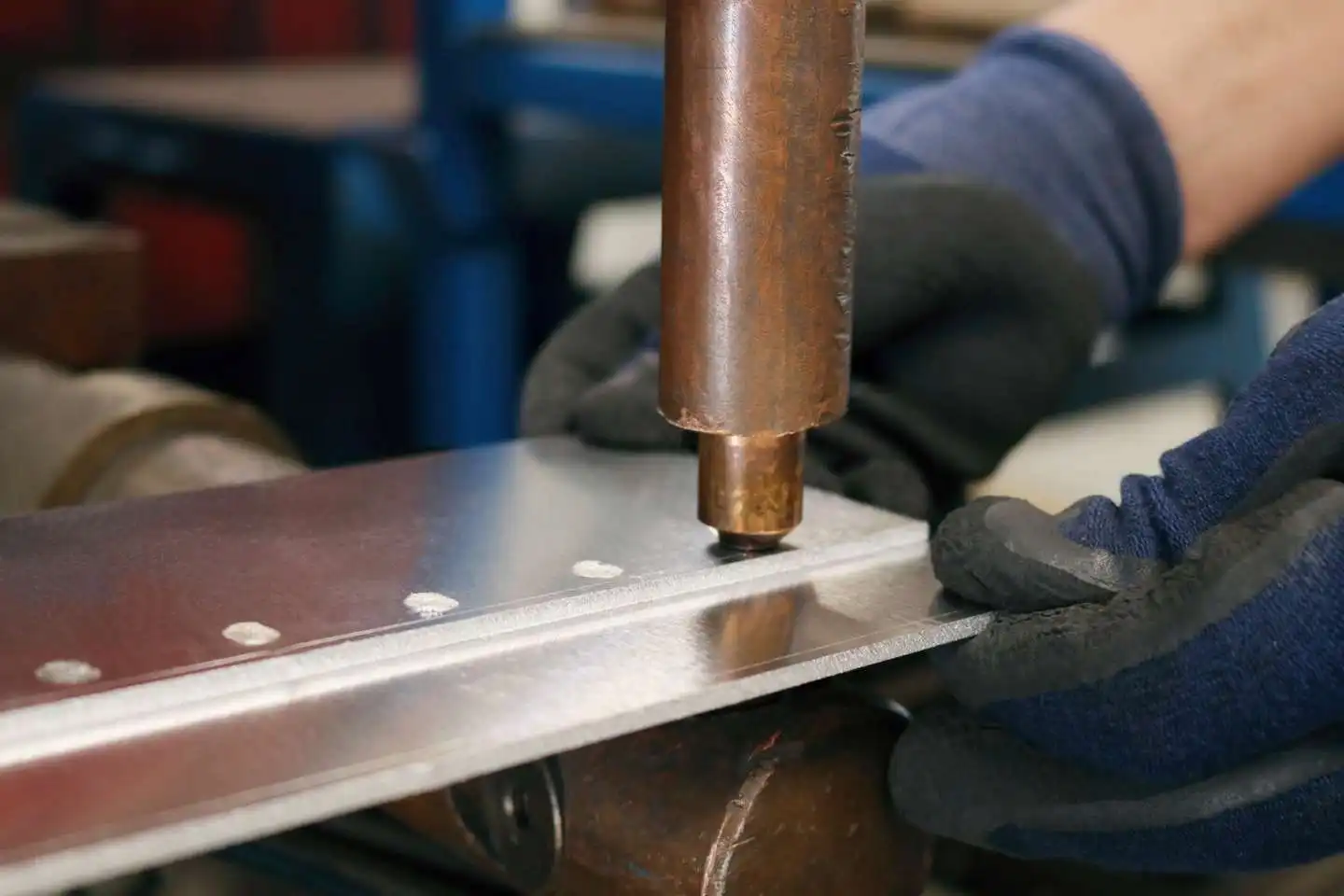
Spot welding operates through resistance heating, where electrical current passes through metal pieces held between copper electrodes. The resistance generates heat that melts the material at the contact point, creating a weld nugget when cooled. This process requires direct access to both sides of the workpiece and works best with similar metal thicknesses.
The technology excels in high-volume automotive manufacturing, particularly for joining steel body panels and structural components. However, spot welding faces limitations when working with dissimilar metals, heat-sensitive materials, or applications requiring aesthetic weld appearance. The process also generates significant heat-affected zones that can alter material properties in surrounding areas.
Advanced Laser Welding Technologies
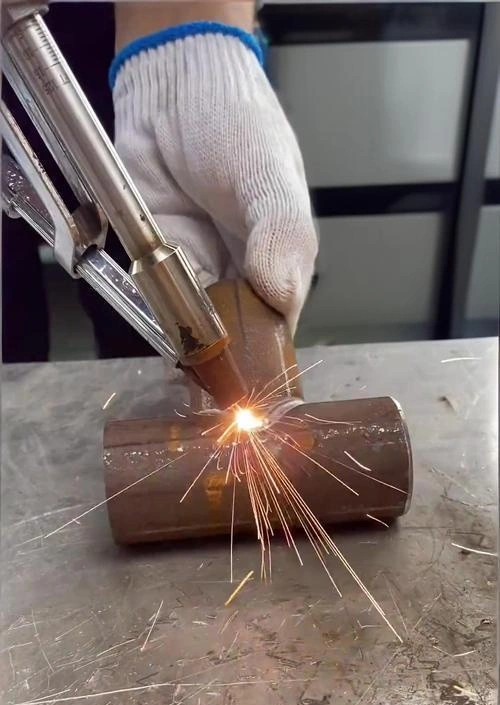
Modern laser welding systems encompass several sophisticated approaches, each designed for specific manufacturing requirements. Fiber laser welding machines utilize highly focused laser beams to create precise, controllable heat input with minimal thermal distortion. These systems offer exceptional beam quality and energy efficiency compared to older CO2 laser technology.
Continuous laser welding machinery provides steady power output ideal for seam welding applications, while pulsed laser systems deliver controlled energy bursts perfect for heat-sensitive components. The versatility of laser welding extends to various materials, including stainless steel, aluminum, titanium, and precious metals used in jewelry manufacturing.
Process Components and Automation Integration
Contemporary laser welding systems feature sophisticated control interfaces, including LCD control boards that enable precise parameter adjustment for different materials and joint configurations. The integration capabilities with automated production lines make these systems particularly valuable for manufacturers seeking to modernize their operations while maintaining consistent quality standards.
Cost Comparison: Spot Welding vs Laser Welding
Initial Capital Investment Analysis
Due to the advanced technology required, laser welding equipment usually requires a larger initial investment than spot welding systems. However, long-term operational advantages and manufacturing capacity must be taken into consideration when evaluating this initial cost discrepancy. Manufacturers can handle a variety of materials and joint types with a single system because of laser welding equipment' far greater adaptability.
When dealing with diverse materials or part geometries, spot welding equipment frequently requires numerous machines or significant tooling modifications, although typically requiring a smaller initial investment. The long-term financial factors that procurement experts must assess are increased by the expenses of replacing electrodes and the need for regular maintenance.
Operational Expense Breakdown
These technologies have quite different patterns of energy usage. When compared to conventional spot welding procedures, modern fiber laser systems exhibit improved electrical efficiency, especially when taking into account the power needs for generating similar weld strength. By controlling heat input more precisely, laser welding's accuracy also lowers material waste.
Another important component of operating costs is labor costs. Because of their automation capabilities and simpler setup, laser welding systems sometimes require fewer personnel. In high-volume manufacturing settings, the constant quality output reduces rework costs and quality control overhead, improving total cost efficiency.
Total Cost of Ownership Evaluation
When analyzing long-term financial impact, laser welding technology frequently demonstrates superior return on investment through multiple factors. Laser welding's speed advantages greatly boost production throughput, while its accuracy capabilities limit the need for post-processing and reduce material usage.
Compared to spot welding equipment, laser welding systems often have less frequent and more predictable maintenance expenditures. Reduced downtime and more reliable production schedules result from the lack of electrode wear and electrical contact problems that are typical in resistance welding. These factors contribute to a more favorable total cost of ownership profile for manufacturers with medium to high production volumes.
Quality Comparison: Product Integrity and Performance
Structural Integrity and Metallurgical Characteristics
Because laser welding uses tiny heat-affected zones and precision heat input control, it generates excellent metallurgical characteristics. Strong, reliable welds with little distortion are produced by the concentrated energy supply, which is especially advantageous for automotive and aerospace applications where structural integrity is crucial. While cutting down on processing time, the capacity to produce full penetration welds in a single pass improves joint strength.
For certain applications, spot welding produces strong connections, but it also produces bigger heat-affected zones that may damage the surrounding material's qualities. The thickness and composition of the material have a significant impact on the development of the weld nugget, which limits its efficacy with the increasing use of lightweight alloys in contemporary car manufacture.
Material Performance Across Industries
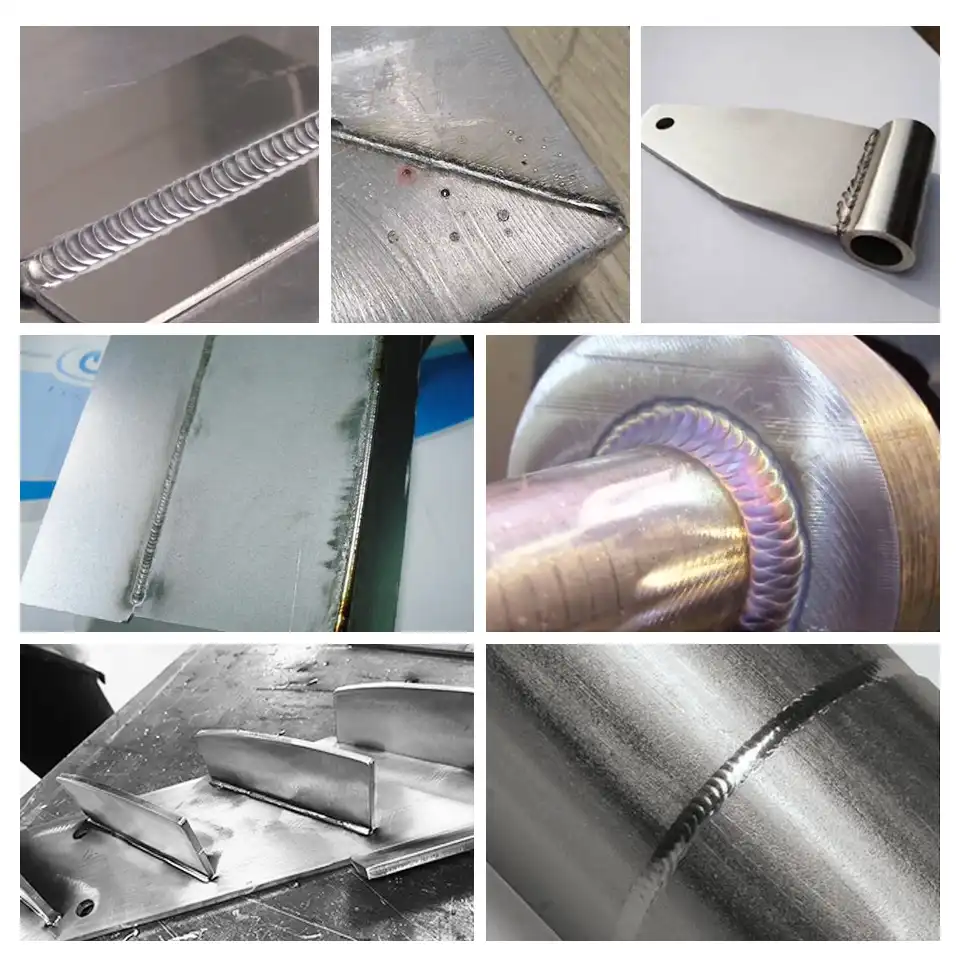
Each welding technique has a different effect on different materials, which affects quality results in a variety of applications. The precise heat control of laser welding avoids oxidation and preserves material qualities, which is advantageous for aluminum components, which are often used in automotive and aerospace applications. Laser welding's low heat input and less carbide precipitation provide stainless steel applications exceptional corrosion resistance.
The capacity of laser welding to produce nearly imperceptible seams on precious metals is very advantageous to the jewelry and luxury goods sectors. Welding delicate components without causing thermal harm to nearby surroundings or heat-sensitive gemstones is made possible by the precise control. Traditional spot welding techniques are still unable to provide this capacity.
Process Flexibility and Repeatability
With adjustable settings that support different material kinds, thicknesses, and joint configurations, laser welding machines exhibit remarkable process flexibility. In high-volume manufacturing settings, the digital control systems provide continuous repeatability throughout production runs, which is essential for upholding quality requirements.
With the capacity to quickly switch between several welding parameters without requiring mechanical changes, fiber laser machines provide unique flexibility benefits. Manufacturers may effectively manage a variety of product lines while upholding uniform quality standards across all applications thanks to this flexibility.
Making the Right Choice for Your Procurement Needs
Production Volume and Material Requirements
The best welding technique option is heavily influenced by manufacturing volume. While laser welding's accuracy and heat control are necessary for precision electronics manufacture, high-volume automobile production lines may benefit from spot welding's proven techniques for particular applications. Determining which technology offers the best value proposition requires an understanding of your production requirements.
Technology choice is also influenced by the variety of materials in your product assortment. The adaptability of laser welding is often advantageous for operations requiring numerous metal kinds, thicknesses, or alloy compositions. The increased initial expenditure is frequently justified by the system's capacity to handle complicated joint shapes and heterogeneous materials.
Precision Requirements and Quality Standards
Because of its accurate control and reliable output, laser welding is usually preferred in industries with strict quality standards, such as aerospace and medical device manufacture. When working with components whose dimensional precision directly affects functioning, the ability to limit thermal distortion and achieve particular penetration depths becomes crucial.
Technology selection is also influenced by quality certification criteria. Because contemporary systems can provide higher metallurgical characteristics and process reproducibility, laser welding is increasingly specified for essential components in many aerospace and automotive standards.
Supplier Evaluation and Partnership Considerations
Technical expertise, support services, and long-term relationship possibilities are all important considerations when choosing a technology provider. Through installation assistance, operator training, and continuing maintenance services, reputable manufacturers with extensive service networks offer significant benefits. System uptime and operational efficiency are greatly impacted by the availability of local technical help.
Financing options and scalability considerations play important roles in procurement decisions. Suppliers offering flexible financing arrangements and modular system designs enable manufacturers to align technology investments with business growth while managing cash flow requirements effectively.
Company Introduction and Our Laser Welding Solutions
Since 1995, Perfect Laser Co., Ltd. has been a globally recognized producer of industrial laser equipment, specializing in cutting-edge laser welding machines for sale that support a variety of manufacturing sectors. Our dedication to quality and innovation has produced complete welding solutions that tackle the particular difficulties encountered by manufacturers in the automotive, aerospace, electronics, and heavy industries.
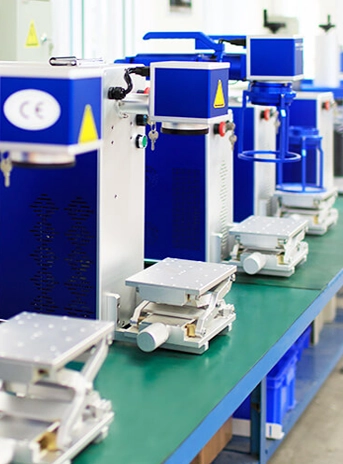
Our wide range of products includes advanced spot jewelry laser welding systems that provide precise results for the production of luxury goods, double path channel letter welders for increased productivity, and specialized channel letter laser welding machines for signage applications. The continuous laser welding machinery in our lineup serves heavy industry requirements, while our laser welders for mould and kitchenware industries provide versatile solutions for precision manufacturing applications.
Advanced Technology Features
Modern technology is incorporated into Perfect Laser's welding systems to optimize output quality and productivity. With integrated capabilities that do away with the need for different equipment, our 3-in-1 welding, cutting, and cleaning systems provide remarkable adaptability. The LCD control boards provide intuitive operation while ensuring precise parameter control for consistent results across diverse applications.
When compared to conventional welding methods, our systems' continuous fiber laser sources provide better beam quality and energy efficiency. Our tiny design reduces the amount of floor space needed, and our portable welding guns provide mobility and flexibility for intricate geometries. Our systems are perfect for contemporary production settings because of their high accuracy, quick processing rates, and pollution-free operation.
Comprehensive Support and Certification
Through extensive testing protocols and international certifications, such as CE, TUV, and SGS certifications, Perfect Laser upholds strict quality standards. With the help of two specialized research and development facilities, our skilled engineering team has produced 63 patents that show our dedication to technical innovation and improvement in laser welding applications.
Our systems' smooth welding surfaces satisfy the exacting standards of a variety of sectors, including electronics, automotive, steel processing, aerospace, shipbuilding, and jewelry manufacture. Our equipment exports to Germany, Japan, Italy, Russia, South Korea, Turkey, Brazil, India, and other nations show that our technology and service standards are widely accepted.
Conclusion
The majority of contemporary production applications clearly benefit from laser technology as compared to spot welding. While laser welding offers more variety, quality, and long-term cost effectiveness, spot welding is still relevant for some high-volume applications using standardized materials. For companies needing reliable quality and operational flexibility, laser welding is the best option because to its precise control, low heat distortion, and versatility.
With cutting-edge technology, dependable performance, and extensive support services, Perfect Laser's complete laser welding machine solutions meet the changing demands of contemporary manufacturers. Our laser welding systems are a great investment for companies looking to improve their production capabilities while minimizing long-term operating expenses because of their cutting-edge features, international certifications, and demonstrated worldwide performance.
FAQ
Which welding method works best for automotive manufacturing?
Because laser welding technology can handle lightweight metals, different materials, and complicated geometries inherent in current car design, it greatly aids automotive manufacturing. Manufacturers can create robust, lightweight joints while preserving the dimensional accuracy needed for body panels and safety systems thanks to precise control.
How often do laser welding machines require maintenance?
Compared to conventional welding techniques, modern laser welding systems require less maintenance. While major service periods happen once a year, routine maintenance usually entails cleaning optical components and monitoring system parameters every month. Maintenance needs and related downtime are greatly decreased by the lack of electrode wear and electrical contact problems that are typical in spot welding.
What financing options exist for small and medium enterprises?
Numerous manufacturers provide customizable financing options that may be tailored to different business sizes and cash flow needs. Options that enable firms to purchase cutting-edge welding technology while efficiently managing capital investment requirements include equipment leasing, rent-to-own programs, and extended payment options.
Partner with Perfect Laser for Advanced Welding Solutions
Ready to transform your manufacturing capabilities with cutting-edge laser welding technology? Perfect Laser offers comprehensive consultation services to help you evaluate the optimal welding solution for your specific requirements. Our experienced engineers provide detailed assessments of your production needs, material specifications, and quality objectives to recommend the most effective laser welding machine configuration.
Find out how our cutting-edge welding systems can save operating costs and increase production efficiency. With over thirty years of expertise as a reliable provider of laser welding machines, we offer full assistance from first consultation through installation, training, and continuing maintenance. Contact our team today at [email protected] to explore our comprehensive laser welding solutions and access detailed technical documentation tailored to your manufacturing applications.
References
1.American Welding Society. "Laser Welding Technology Handbook: Advanced Applications in Industrial Manufacturing." AWS Press, 2023.
2.Manufacturing Engineering Institute. "Comparative Analysis of Welding Technologies: Cost-Benefit Evaluation for Industrial Applications." MEI Technical Publications, 2023.
3.International Journal of Advanced Manufacturing Technology. "Metallurgical Properties Comparison: Spot Welding versus Laser Welding in Automotive Applications." Volume 127, 2023.
4.Society of Manufacturing Engineers. "Precision Welding Technologies: Selection Criteria for Modern Production Systems." SME Technical Papers, 2023.
5.Industrial Welding Research Foundation. "Total Cost of Ownership Analysis: Traditional versus Advanced Welding Methods." IWRF Annual Report, 2023.
6.Automotive Manufacturing Technology Review. "Laser Welding Adoption Trends in Global Automotive Production: Quality and Efficiency Metrics." AMTR Quarterly, 2023.

share your inquiry, get the quotation accordingly.
第一张审核员说包含其他公司不能用_1755049724891.webp)
Perfect Laser – Global Manufacturer of Reliable Laser Solutions