Ways to Cut Tempered Glass: What Works and What Doesn’t
When used for cutting in industry, tempered glass offers some unique problems. Unlike annealed glass, tempered glass goes through a thermal process that forms stress patterns inside the glass. This makes it four to five times stronger but almost impossible to cut with normal tools. As soon as the hardening process is over, trying to score or manually cut the material breaks it into pieces. The answer lies in either high-tech tools made for precise work before hardening or new technologies that can work with heated material. CNC control, servo motors, and optimized software are all parts of modern glass cutting machine systems that give industries like construction, green energy, consumer electronics, and display production the accuracy they need. Knowing which methods work and which don't will protect your investment and keep production going.
Understanding the Challenges of Cutting Tempered Glass
Because of the engineering of internal compression and surface tension, tempered glass is very different from regular glass. When glass is being made, it is heated to about 620°C and then quickly cooled. This creates a stress distribution that makes the glass stronger and more resistant to impact. Because of the same trait, cuts made after hardening can't be made without completely breaking down the material.
Material Properties That Complicate Processing
Toughened glass contains a carefully engineered stress balance, with compressed outer layers and a tensioned core. This structure gives strength but makes post-tempering modification extremely difficult. Any attempt to alter dimensions disrupts this balance and triggers full fragmentation into small fragments. As a result, manufacturers must finalize all cutting before tempering, since post-process adjustments usually mean full replacement of the glass piece and increased material cost and waste.
Common Breakage Risks and Safety Concerns
Incorrect processing methods on tempered glass can lead to sudden, high-energy breakage that sends sharp fragments outward. Even with protective equipment, operators face injury risks. Beyond safety issues, each failure causes direct material loss and production downtime. In industries like automotive glazing, a single broken unit can represent significant cost. When breakage rates exceed 2–3%, overall profitability and production stability are quickly and severely impacted in high-volume manufacturing environments.
Financial Impact of Inappropriate Methods
Using unsuitable cutting equipment leads to higher scrap rates, delayed delivery schedules, and potential contract penalties. In regulated industries such as automotive supply chains, even minor edge defects can cause full batch rejection. These losses extend beyond material waste to labor inefficiency and machine downtime. Poor procurement decisions based only on upfront price often ignore long-term operational costs, reducing competitiveness and increasing total cost of ownership significantly over time in production systems.
Proven Methods to Cut Tempered Glass — What Actually Works?
To work with tempered glass properly, you need to either cut it before hardening it or use special tools that can work with fully tempered glass. Each method has its own benefits that depend on the needs of the production, the budget, and the details of the application.
Pre-Tempering Cutting with CNC Systems
CNC glass cutting machines provide the most efficient pre-tempering solution, using programmed layouts to maximize material yield. Diamond or carbide wheels score precise cutting lines before controlled separation. Automation systems improve efficiency through optimized nesting, reducing waste. Servo-driven motion ensures accuracy within ±0.1 mm, suitable for electronics, automotive glass, and display panels. These systems combine speed, repeatability, and cost efficiency, making them the industry standard for high-volume flat glass manufacturing operations worldwide.

Laser Cutting for Tempered Material
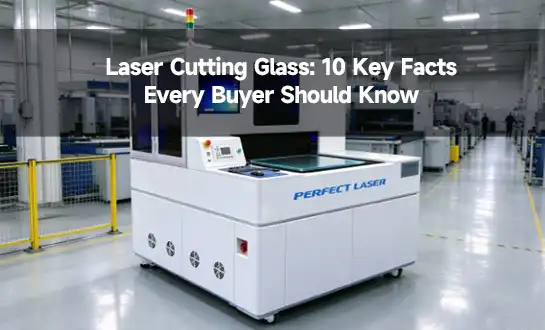
Laser cutting allows limited modification of fully tempered glass through localized thermal stress generation. CO2 and fiber lasers create controlled fracture paths without mechanical contact. While this enables post-tempering customization, the process is slower and more expensive than pre-tempering cutting. It is mainly used in high-precision industries such as electronics prototyping, where design changes may occur after initial production. Despite its flexibility, it remains a niche solution due to cost and speed limitations.
Waterjet Cutting Capabilities
Waterjet systems use high-pressure water mixed with abrasives to cut tempered glass without heat impact. Operating at extremely high pressures, they can handle thick laminated and reinforced materials. This method avoids thermal stress, making it suitable for safety-critical architectural components. However, high equipment cost and consumable usage increase operating expenses. Despite this, waterjet cutting remains highly valued for complex geometries and materials that require cold cutting and structural integrity preservation.
Automation Versus Manual Operation
Production scale determines the level of automation required. Manual systems suit small workshops handling custom orders, while semi-automatic machines offer balanced flexibility. Fully automated lines integrate loading, cutting, breaking, and inspection for high-volume industries like automotive and solar panels. These systems reduce labor dependency, improve consistency, and significantly increase throughput. In large-scale manufacturing, automation ensures stable output quality and enables continuous operation with minimal human intervention and reduced error rates across production cycles.

Methods That Don't Work or Are High-Risk for Tempered Glass
Understanding methods that don't work saves procurement funds and stops practical setbacks. Several ways that are often tried don't work reliably when used on toughened glass, which can be dangerous and wastes materials.
Conventional Handheld Scoring Tools
Manual glass cutters that are made to work with annealed glass can't cut through toughened glass. Handheld tools with carbide wheels or diamond tips leave marks on the surface that spread quickly and wildly through the structure of tempered glass. Once scoring starts, even skilled controllers can't stop the whole thing from breaking up. This method only works on glass that has been heated before it is tempered.
Standard Automated Cutters Without Proper Features
Generic glass cutting machines that don't have specific settings for feed rate, pressure modulation, and break time make a lot of scrap, even on annealed glass that will be tempered later. When binding methods aren't good enough, stress builds up and lowers the quality of the edges. When buying glass for technology or cars, procurement managers sometimes don't think about how precise the glass needs to be. They choose equipment based only on the initial purchase price, not the total cost of ownership, which includes the amount of glass that will be scrapped and the amount of upkeep that will need to be done.
DIY and Improvised Approaches
Online sources sometimes suggest making your own ways to cut using string soaked in burning liquids or thermal shock techniques. These methods always fail with toughened glass and pose a big risk of fire and harm. Even when tried on softened material, these ways make edges that are too rough to be used in business. In professional industrial settings, you need approved equipment, such as a mirror cutting machine that meets safety standards and gives the same results every time.
Mechanical Sawing and Grinding
Rotary cutting tools, like diamond saws and grinding wheels, cause stress and heat to build up in one area, which breaks up toughened glass. If you try to use these tools on tempered surfaces, they will immediately break. They work well on toughened glass, stone, and crystalline materials. Sawing processes involve shaking and mechanical force, which can upset the balance of stresses that is necessary for tempered glass to stay strong.
How to Choose the Right Glass Cutting Machine for Tempered Glass?
To choose the right cutting tools, you need to carefully consider your budget, quality standards, and output needs. The choice will have long-lasting effects on working efficiency, so it is important to do a lot of research before making a buy.
Key Procurement Criteria for Equipment Selection
The most important feature is the cutting capacity, which includes the largest glass measurements, the range of thicknesses that can be used, and the materials that can be cut. Architectural machines can work with panels that are longer than 3 meters, while electronics machines focus on being precise with smaller materials. The speed numbers show how much work can be done, and they are usually given in meters per minute for straight cuts or cycles per hour for complex designs. Applications depend on the accuracy limits. For example, consumer electronics need precision within ±0.1mm, while some building applications can handle precision within ±0.5mm.

Here are the main benefits that current automatic glass cutting systems bring to the table:
- Servo Motor Control: Stepper and servo motor systems make it possible to precisely place the cutting bed, so the results are the same after thousands of rounds. Imported drive components are reliable and can work for more than 10 years with regular care.
- Multi-Cutter Capability: Running multiple cutting heads at the same time greatly improves the throughput on large format glass sheets, which lowers the cost of making each unit in large-scale production.
- Intelligent Optimization: Built-in software looks at the needs of the job and figures out the best way to cut things so that as little material is wasted as possible. This increases the output of raw materials by 5–15% compared to planning by hand.
- Wide Material Compatibility: Advanced systems can work with strengthened glass, sapphire substrates, LCD panels, optical filters, mirrors, borosilicate glass, quartz, and automobile windows. They can also handle screens as thin as 0.3 mm and panels as thick as 19 mm.
Comparing Equipment Categories
When setup freedom is more important than throughput, manual cutting tables are best for specific work that is done in small quantities. CNC automated systems are the standard for middle to high-volume production because they offer precise programming without the need for a person to be present during each cut. Laser and waterjet tools are used in specific situations where changes need to be made after tempering or where extreme accuracy is needed on complex geometries. Consumables like cutting wheels, abrasives, and repair parts must be included in the total cost analysis, along with the initial investment in the equipment.
Supplier Evaluation and Support Considerations
How long a piece of equipment lasts depends in part on how well the maker supports it. Suppliers that have been around for a while offer full training, easy access to replacement parts, and expert support when operational problems appear. Perfect Laser, which has been in business since 1995 and has CE, TUV, and SGS standards, is an example of a company that makes high-quality equipment and offers support networks. For marking systems, the warranty lasts for two years, and for bigger cutting tools, it lasts for one year. Longer service contracts are also available. The supplier's image in your target market can help you figure out if a long-term relationship will work.
Maintenance Requirements and Operating Costs
Uptime and per-unit handling costs are directly affected by routine repair. Different types of tools have very different repair schedules for cutting wheels, lubrication routines, and frequency of calibration. Abrasive materials need to be replaced and high-pressure parts need to be serviced on waterjet systems. Laser equipment needs to have its sights cleaned and its gas refilled every so often. Depending on the type and thickness of the glass, CNC mechanical systems need to have their cutting wheels replaced every 5,000 to 15,000 meters. When you're reviewing tool options, you should take these ongoing costs into account.
Best Practices and Safety Tips for Cutting Tempered Glass
Operational excellence includes more than just choosing the right tools, such as a mirror cutting machine. It also involves managing processes in a planned and disciplined way and strictly following workplace safety rules. Using well-structured procedures protects workers and consistently improves overall production quality.
Workspace Environment and Material Handling
Climate control maintains steady glass temperature, preventing thermal stress that can reduce cutting quality. Humidity control reduces static electricity that attracts dust to surfaces. Dedicated storage areas protect raw materials from damage before processing. Material handling standards define proper lifting and support points to avoid localized stress, especially for large architectural panels. Transport carts with padded surfaces help move glass safely between processing stations and reduce the risk of edge damage during handling operations and transport efficiency.
Proper Clamping and Positioning Techniques
Vacuum hold-down systems distribute clamping force evenly across glass surfaces, eliminating stress points that can occur with mechanical clamps. Final part quality depends on precise positioning, requiring registration systems that consistently align sheets with cutting heads. Operators verify material placement before initiating automated cutting to prevent errors that could result in scrap. In non-automated systems, manual placement follows standardized instructions detailing approach angles, alignment steps, and release timing to ensure consistent and accurate positioning throughout production cycles.
Personal Protective Equipment Requirements
Safety glasses with side protection prevent injury from flying glass during cutting or breaking operations. Cut-resistant gloves reduce risk when handling sharp edges. Steel-toe shoes protect against falling glass sheets. In high-volume automated environments, hearing protection is required due to machine noise. Respirators may be necessary when processing coated glass that generates fine particles. Proper PPE selection ensures worker safety across different cutting conditions while maintaining compliance with industrial safety standards and regulations at all times strictly.
Post-Cutting Edge Treatment and Quality Verification
Edge finishing removes micro-stress areas that could develop into cracks during tempering or service life. Seaming uses diamond-coated belts or wheels to smooth edges and eliminate sharp projections. Before tempering, automated machine vision systems inspect dimensions and detect edge defects. Statistical process control identifies parameter drift before quality issues escalate, maintaining stable yield rates. Proper documentation ensures traceability and meets automotive and aerospace quality requirements, supporting consistent production and compliance with industry standards and certification demands requirements.
Conclusion
To properly process toughened glass, you need to understand how the material behaves, select the right technology, such as a glass cutting machine, and maintain strict control over every step of the production process. Cutting before tempering with high-tech CNC systems gives accurate results for most uses at a low cost. Laser and waterjet cutting enable limited post-tempering processing at higher cost. Avoiding unsuitable methods reduces accidents and waste. Equipment decisions should consider total lifecycle costs. Industry-specific cutting systems improve precision and efficiency, while reputable suppliers ensure ongoing support, training, and spare parts availability.
FAQ
1. Can tempered glass be cut after the tempering process completes?
Tempered glass generally cannot be cut after heat treatment using standard mechanical tools, as its internal stress causes it to shatter into small fragments. Laser and waterjet technologies can modify it in limited cases—laser uses controlled thermal stress, while waterjet avoids heat damage—but both are specialized, slower, and application-specific. Therefore, most manufacturers cut before tempering.
2. What equipment suits small to medium production volumes cost-effectively?
For daily production of about 50–500 m², semi-automatic CNC glass cutting machines offer the best balance of cost and performance. They automate cutting while still requiring operators for loading and unloading. Prices typically range from $15,000–$45,000, much lower than full automation. Buyers should focus on total cost per square meter, including labor, maintenance, and yield efficiency.
3. How important are warranty terms and after-sales service in equipment selection?
Warranty and after-sales service are critical for long-term equipment performance. Strong technic=al support helps optimize cutting parameters and reduces material waste from trial errors. Spare parts availability minimizes downtime, while training improves operator skill and safety compliance. Standard warranties last 1–2 years, but extended service plans are often available. Supplier reputation and installed base also indicate support quality.
Partner with Perfect Laser for Advanced Glass Cutting Solutions
Perfect Laser provides advanced glass cutting machine solutions for automotive, electronics, display, building, and energy industries. Our automated systems ensure high precision and efficiency with servo control and multi-head technology. Certified by CE, TUV, and SGS, we offer training, 24/7 support, and global service with warranties, serving major international markets. These systems also support customized configurations, fast installation, and reliable long-term performance for diverse production requirements.
Get in touch with us at [email protected] to talk about your glass processing needs with skilled glass cutting machine providers who know how to handle hardened materials and make precise products.
References
1. Haldimann, M., Luible, A., & Overend, M. (2008). Structural Use of Glass. IABSE-AIPC-IVBH, Zurich, Switzerland.
2. Pfaender, H. G. (1996). Schott Guide to Glass (2nd ed.). Chapman & Hall, London.
3. Tooley, F. V. (Ed.). (1984). The Handbook of Glass Manufacture: A Book of Reference for the Plant Executive, Technologist, and Engineer (3rd ed.). Ashlee Publishing Co., New York.
4. Gardon, R. (1980). Thermal Tempering of Glass. In M. Tomozawa & R. H. Doremus (Eds.), Glass Science and Technology, Volume 5: Elasticity and Strength in Glasses (pp. 145-216). Academic Press.
5. Karlsson, S., Jonson, B., & Stålhandske, C. (2010). The Technology of Chemical Glass Strengthening: A Review. Glass Technology: European Journal of Glass Science and Technology Part A, 51(2), 41-54.
6. Nielsen, J. H., Olesen, J. F., Poulsen, P. N., & Stang, H. (2010). Finite Element Implementation of a Glass Tempering Model in Three Dimensions. Computers & Structures, 88(17-18), 963-972.

share your inquiry, get the quotation accordingly.
第一张审核员说包含其他公司不能用_1755049724891.webp)
Perfect Laser – Global Manufacturer of Reliable Laser Solutions