CO₂ Laser Die Board Cutting: Accuracy, Speed, and Material Limits
It is very important to know how a laser die board cutting machine works and how it can be used for accurate production and current fabrication. This infrared laser technology uses a mix of gases to create a focused beam with a frequency of 10.6 micrometers. This allows for processing without touching the material and vaporizing it exactly where it is needed. If you are in charge of buying materials for advertising signs, making clothes, promotional items, or prototypes, choosing the right laser die board cutting machine can make a huge difference in improving accuracy and output while lowering the costs of waste and redo across all of your production lines.
Understanding CO₂ Laser Die Board Cutting Technology
CO₂ laser die board cutting uses infrared laser beams to cut and etch die boards very precisely and over and over again. A tube that is sealed and full of carbon dioxide, helium, and nitrogen gases is at the heart of this technology. When these gases are excited electrically, they make a strong infrared laser beam that moves through a set of mirrors and is then focused on the workpiece using high-tech optics.
Core Mechanics and Technical Specifications
Cutting accuracy is directly linked to the quality of the laser beam, which can be judged by its mode and deviation. Better beams make focal points that are more focused and lines that are cleaner. For detailed engraving on wood and plastic, laser power usually runs from 40W to 150W or more. For cutting thicker materials like plywood or dense cardboard, laser power can go above 150W. Reflective mirrors and focused lenses are used in beam delivery systems. These parts must stay perfectly aligned so that accuracy is maintained over long production runs.

Advantages Over Traditional Methods
When compared to mechanical die cutting or CNC shaping, CO2 laser cutting technology doesn't wear down tools or cause problems because of touch. Traditional mechanical systems need to have their blades replaced often and make noises that can make it harder to get accurate measurements. Laser systems, on the other hand, keep working well even after thousands of rounds, which cuts down on downtime and repair costs. This non-contact method is very helpful for many fields, including packing, car interior trim, electronics enclosures, and sign production. It also lets designers make changes quickly without having to wait for retooling.
Material Compatibility in B2B Applications
Paperboard, kraft paper, corrugated cardboard, and composite surfaces are all types of die board products that can be used with CO2 laser technology. At a wavelength of 10.6 micrometers, these materials absorb a lot of light, which lets energy move quickly and keep the edges clean. Understanding how materials respond helps procurement teams set the right laser settings and guess how long cycles will take, which is very important when reviewing supplier offers or planning to increase production capacity.
Maximizing Accuracy in CO₂ Laser Die Board Cutting
To get micron-level accuracy, you have to keep track of a lot of different system factors. Cutting precision is affected by the quality of the beam, how clean the optics are, and how stable the machine is. When purchasing managers look at different laser die board cutting machine models, they should choose the ones that have strong tuning tools and weather controls that keep the working conditions stable.
Factors Affecting Cutting Precision
Edge precision is still mostly determined by the strength of the laser beam. The choice of focus lens affects the size of the spot and the depth of field. The shape of the nozzle affects the flow of help gas and the width of the kerf. Digital plans are turned into precise motion orders by advanced CNC control software. This lets complex shapes and tight tolerances be made. Systems that can auto-focus require less help from the operator and keep the focal point in the same place even when the width of the material changes.
Calibration and System Alignment Best Practices
Mirror alignment, lens focal length, and motion system precision are checked regularly through calibration processes. By setting standard performance measures, operators can find drift before it affects the quality of the production. Changes in the environment, like temperature and shaking, need to be managed by setting up the area and installation correctly. To keep their accuracy over time, many businesses put laser systems in climate-controlled rooms with vibration-isolated bases.
Real-World Precision Achievement
A North American packing company just bought a laser die board cutting machine to make unique die boards and got positioning accuracy to within ±0.01mm. This precision level got rid of the need for extra trimming, cut material waste by 18%, and sped up the wait time for test tools. The system's closed-loop input and automatic height sensing made sure that the results were the same on a variety of substrates. This shows that investing in high-accuracy laser technology for B2B production processes is a good idea.

Speed and Efficiency: Enhancing Throughput Without Quality Sacrifice
Overall output efficiency is based on finding the right balance between cutting speed and edge quality. By setting the laser's specs to work best with certain sizes and materials, producers can get the most work done while still keeping accurate measurements and clean edge finishes that meet quality standards.
Recommended Cutting Speeds by Material
For 3 mm thick pieces of acrylic, the usual speed for processing is 300–500 mm/s. On the other hand, slower speeds of 200–350 mm/s may be needed for carving wood to keep it from getting burned. When cutting fabric for clothes, it is often done at faster speeds of 600 mm/s or more because the material is thin and absorbs a lot of it. Knowing these standards helps buying teams judge what vendors say and set reasonable goals for production capacity.
Advanced Methodologies for Efficiency
Layered cutting techniques, including laser die cutting, break up thick materials into several short passes. This keeps the quality of the edges while letting the machine move faster. Multi-pass engraving adds depth in small steps, so the surface finish is the same across big amounts. Workflow automation through integrated software cuts down on the time needed for setup by hand and lets high-volume production runs run without any lights on. When these methods are used together, they increase output without lowering the level of accuracy that customers want.
How Laser Die Board Cutting Machines Reduce Production Downtime
A modern Laser Die Board Cutting Machine improves production efficiency not only through faster cutting speeds, but also by reducing maintenance time and manual adjustments. Compared with traditional sawing equipment, CO₂ laser systems provide stable cutting accuracy and cleaner knife gaps, which lowers material rework during large-volume production. Perfect Laser’s PEC series machines support automatic operation, user-friendly software control, and reliable long-term performance for plywood, MDF, acrylic, and die board processing. With cutting thickness reaching 20–25mm and optimized motion control systems, manufacturers can maintain continuous output while keeping edge quality consistent across different packaging and mold applications.
Material Compatibility and Limitations of CO₂ Laser Die Board Cutting
Processing Wood, MDF, and Plywood with Stable Precision
A Laser Die Board Cutting Machine is widely used for processing plywood, MDF, bamboo, and wooden die boards because CO₂ laser technology provides clean cutting edges with minimal mechanical stress. Perfect Laser’s PEC series machines can handle die boards up to 20–25mm thick while maintaining stable cutting accuracy and smooth knife gaps. Compared with traditional sawing methods, laser processing reduces material deformation and improves consistency during long production runs. This makes the equipment highly suitable for packaging molds, carton factories, and advertising applications that require repeatable cutting quality and flexible design capabilities.
Acrylic and Plastic Cutting Capabilities
Besides wood materials, CO₂ laser die board cutting equipment can also process acrylic sheets, plexiglass, PVC boards, and certain plastic materials with high edge quality. The non-contact cutting method helps prevent cracking and surface damage, especially when handling transparent or decorative materials used in signage and display production. Perfect Laser machines support both thin and thick acrylic processing, including 10–20mm sheets in selected models. With optimized laser power options ranging from 400W to 600W, manufacturers can balance speed and finish quality for different production requirements while keeping operating costs under control.
Material Thickness Limits and Industrial Considerations
Although CO₂ laser systems offer broad material compatibility, cutting performance still depends on material thickness, density, and heat sensitivity. Thick wooden die boards above 25mm may require slower cutting speeds or multiple passes to maintain edge precision. Reflective metals and highly heat-resistant materials are generally less suitable for standard CO₂ die board cutting systems. Perfect Laser addresses these challenges through advanced motion control, stable focus systems, and strict machine testing procedures. For packaging, printing, and mold manufacturers, selecting the right machine configuration is essential for achieving both production efficiency and long-term cutting stability.
Maintenance for Consistent Performance
Schedules for cleaning optics should be in line with the amount of work being done and the properties of the materials. When you work with wood or cloth, you create more particle pollution than when you cut clean plastic sheets. The life of a laser tube relies on how well the cooling system is maintained and how often thermal cycle is avoided. For water chillers not to overheat, the filters need to be changed regularly and the coolant needs to be checked often. For systems that get a lot of use, mirror alignment checks should be done once a month. These preventative upkeep steps make tools last longer and keep the accuracy that makes the cost of investing in laser technology worth it.
Selecting and Procuring the Ideal Laser Die Board Cutting Machine for Die Board Applications
Technical skills, operational costs, and source reliability should all be taken into account when making buying choices. When evaluating laser die board cutting machine specifications for applications like die board cutting, it is important to understand how power output, work area size, and software compatibility influence flexibility, production efficiency, and total cost of ownership.
Key Technical and Financial Considerations
The highest material thickness and working speed are based on the power output. The size of your work area needs to be big enough to fit your biggest pieces of work while still leaving enough floor room. Software compatibility affects how well workflows work together and how long it takes for operators to learn new skills. Long-term support costs and the chance of machine downtime are affected by the terms of the warranty and the availability of the service network. Energy efficiency scores directly affect running costs, especially in high-duty-cycle situations where laser systems work multiple shifts every day.
Desktop vs. Industrial-Grade Systems
Businesses that do customization, testing, or low to medium production levels can use small-format laser engraving tools with work areas of 600x400mm, 900x600mm, 1300x900mm, or 1600x1000mm. Most of the time, these small devices work with single-phase power and can fit in most workshop areas. Industrial flatbed laser cutting tools with work areas of 1300x1800mm, 1300x2500mm, or 1600x2600mm are aimed at shops that make clothes, signs, and other things that need to be made quickly. These bigger systems can work on more than one piece at the same time, and they often have automatic material handling features that lower the cost of labor per unit made.
Perfect Laser Product Range for Diverse Applications
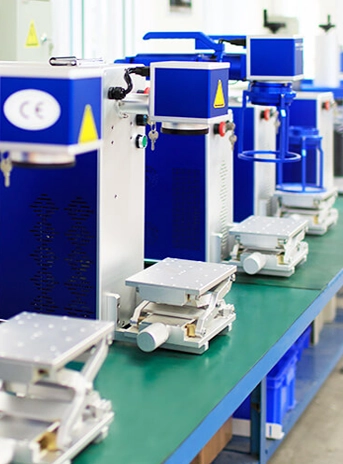
Perfect Laser has both small and large laser die board cutting machine types that are made for tough business-to-business uses. The small-format series mixes engraving and cutting in compact designs that make it perfect for ad shops that make custom acrylic signs and wood gifts. In the clothing business, flatbed types are used to precisely cut fabric and engrave leather. They are also used in signs for large-format acrylic cutting and wood engraving. These tools give accurate results and are easy to use. They are backed by Perfect Laser's 30+year history of making lasers and foreign certifications such as CE, TUV, and SGS compliance.

Operating simplicity and long service life characterize Perfect Laser systems, which feature rapid delivery timelines and comprehensive technical support. The combination of printing and cutting functions on a single platform, the cost of capital equipment is kept low while output needs are met in a variety of ways. Perfect Laser technology is trusted by customers in the advertising and clothing industries for tasks that need consistent quality and reliable operation, such as printing on acrylic, cutting acrylic, engraving on wood, cutting wood, and cutting fabric.
Conclusion
CO₂ laser die board cutting technology is faster, more accurate, and can cut a wider range of materials than older ways. Procurement experts can make smart equipment purchases if they understand the technical factors that affect accuracy, strategies for increasing output, and material compatibility parameters. If you want to gain a competitive edge through better production capabilities and lower operational costs, choose a laser die board cutting machine with the right specifications and a dependable supplier. This is true whether your business makes signs, clothes, promotional items, or general fabrication.
FAQ
1. How do I maintain long-term accuracy in CO2 laser cutting systems?
Regular care plans should include checking and cleaning the glasses once a week, making sure the mirrors are aligned once a month, and replacing the focus lens every three months. Controls for the environment that keep the temperature stable and reduce vibrations help keep mechanical precision. Using test patterns in calibration processes finds drift before it affects the quality of production. Maintenance on the water chiller stops temperature instability that lowers the quality of the beam. Following the manufacturer's repair times will make sure that parts work as expected for as long as they are supposed to.
2. What distinguishes CO₂ laser technology from fiber lasers for die board applications?
CO₂ systems work at a frequency of 10.6 micrometers, which non-metallic materials can easily absorb. This lets them make clean cuts and precise engravings on things like paper, acrylic, wood, and cloth. Fiber lasers have shorter wavelengths that work best for working with metal. However, they have trouble with plastics and organic materials that either let their beam energy pass through or return it. Material suitability is a bigger factor in choosing a technology than just its raw power or cutting speed.
3. What safety protocols are essential for laser operation in production environments?
Proper air systems with filters get rid of the smoke and dust that are made when you cut. Training operators on what to do in an emergency and what materials they can't use keeps dangerous situations from happening. Interlocked casings keep beams from being exposed while the machine is running. A study of the material safety data sheet shows which substances give off harmful fumes when they are laser handled. Regular checks of the equipment make sure that the safety interlocks, emergency stops, and cooling system work properly. Following local rules and industry standards saves both the investments in people and tools.
Partner with Perfect Laser for Superior Laser Die Board Cutting Machine Solutions
If you choose Perfect Laser as your laser die board cutting machine provider, you'll get access to technology that has been used successfully in more than 50 countries for 25 years. Our engineering team creates custom solutions for advertising signs, clothing production, promotional products, and general fabrication tasks. The tools they make is a perfect mix of fine engineering and ease of use. Our product line covers a wide range of production needs, from small laser etching machines for personalized prizes to large industrial flatbed systems for cutting a lot of fabric at once. The quality of our products is always the same, and our prices are always competitive.
Email our technical experts at [email protected] to talk about your unique application needs and get equipment suggestions that are made just for you. We offer free testing of materials, thorough reviews of specifications, and full training programs that speed up your way to being ready for production. Perfect Laser systems are shipped quickly from our factories and come with two-year warranties on laser marking tools and one-year warranties on bigger cutting platforms. This way, you can be sure that your investment will work well right away.
References
1. Chryssolouris, G. (2013). Laser Machining: Theory and Practice. Springer Science & Business Media.
2. Steen, W. M., & Mazumder, J. (2010). Laser Material Processing (4th ed.). Springer-Verlag London.
3. Powell, J. (1998). CO2 Laser Cutting (2nd ed.). Springer-Verlag London.
4. Ion, J. C. (2005). Laser Processing of Engineering Materials: Principles, Procedure and Industrial Application. Elsevier Butterworth-Heinemann.
5. Ready, J. F., & Farson, D. F. (Eds.). (2001). LIA Handbook of Laser Materials Processing. Laser Institute of America.
6. Dubey, A. K., & Yadava, V. (2008). Laser Beam Machining—A Review. International Journal of Machine Tools and Manufacture, 48(6), 609-628.

share your inquiry, get the quotation accordingly.
第一张审核员说包含其他公司不能用_1755049724891.webp)
Perfect Laser – Global Manufacturer of Reliable Laser Solutions