Top Handheld Laser Welder Brands for Beginners
As B2B buying pros look for more advanced ways to join metals, the handheld laser welder has become a game-changer in many fields, from jewelry making to aerospace. Precision, speed, and flexibility are all built into these portable fiber laser systems in a small package. This lets workers make clean, high-quality welds on a wide range of materials without the slag and distortion that come with arc welding. This guide helps engineers, purchasing managers, and OEM clients find their way around the different top brands, compare important features, and make smart buying choices that meet business needs and stay within budget.
Understanding Handheld Laser Welders – Basics and Benefits
How Laser Welding Technology Works
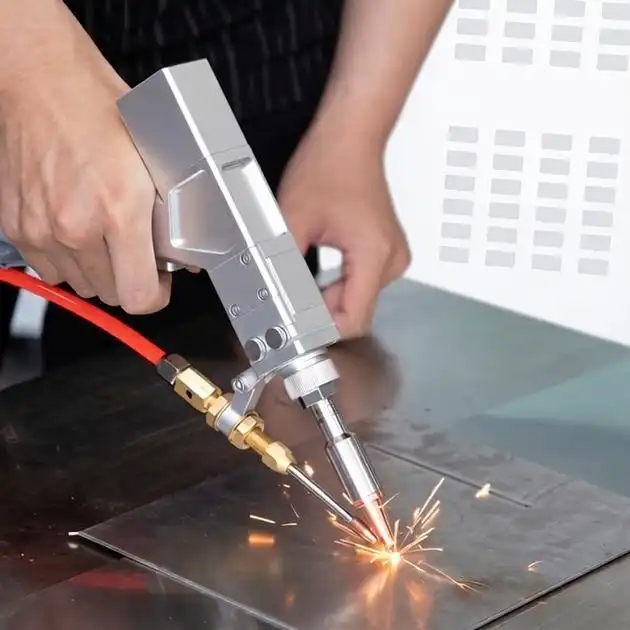
A focused fiber laser beam melts and joins metal surfaces at certain places on a handheld laser welder. Laser welders send concentrated energy through optical beams, which makes narrow join lines with little thermal distortion. Traditional MIG or TIG welding uses electrical arcs. The accuracy of the beam lets workers join thin sheets, metals that are not the same, and heat-sensitive parts that would get damaged using other methods.
Key Advantages Over Traditional Methods
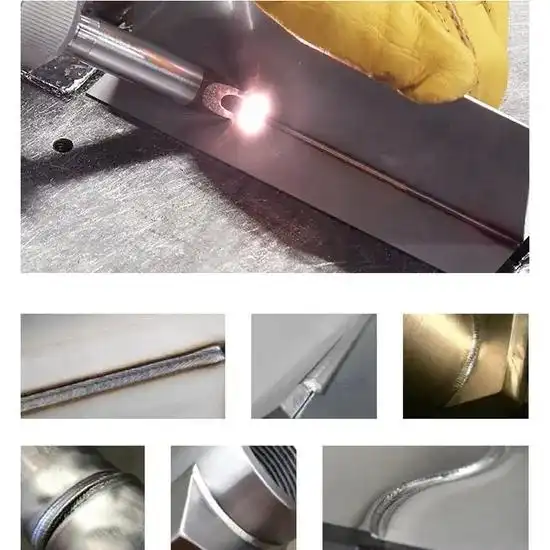
Portable laser welding equipment has a lot of great advantages that make it so popular in industrial settings. The technology greatly cuts down on heat-affected areas, which keeps thin materials like 3mm stainless steel or aluminum sheets used in car body panels from bending. The speed of welding goes up a lot; tasks that used to take fifteen minutes can now be finished in less than a minute. Compared to resistance welding, this method uses about 30% less energy, which lowers the costs of running factories that make a lot of things. In many situations, the clean welding process gets rid of the need for grinding and cleaning after the weld. This speeds up work in jewelry shops and electronics assembly lines.
Applications Across Industrial Sectors
Handheld laser welders can be used for many different tasks, which is great for our customers. These systems are used by aerospace companies to join titanium metals and lightweight composites in the body of airplanes. The strength-to-weight ratio of these parts determines how much fuel the plane uses. Manufacturers of electronics use microwelding to join battery tabs and circuit board parts together without damaging nearby semiconductors with heat. When luxury brands fix platinum watch cases or gold chain links, the seams are almost unnoticeable. When ships are being built, high-power portable systems are used to cut thick steel plates and make important structural welds in tight areas where fixed machines can't reach.
Safety and Operational Best Practices
Following the set safety rules in the handheld laser welding machine is necessary when using laser welding tools. To keep the retina from getting hurt by mirrored beams, operators must wear special glasses that are rated for certain laser bands. Good air systems get rid of the metal fumes that are made when you weld, especially when you're working with covered materials. Beam path awareness, emergency stop processes, and material compatibility tests should all be part of good training programs before production runs. These safety measures make sure that operations are safe while still meeting work goals.
Top Handheld Laser Welder Brands Perfect for Beginners
As more people want to get started with modern metal production but want an easier way to learn, the mobile laser cutter is becoming more and more popular. Perfect Laser is a trusted name for both home and business users because it has strong research and development (R&D) capabilities, strict quality control, and an emphasis on user-friendly design.
Perfect Laser's PE-W1000G: Beginner-Friendly Industrial Design
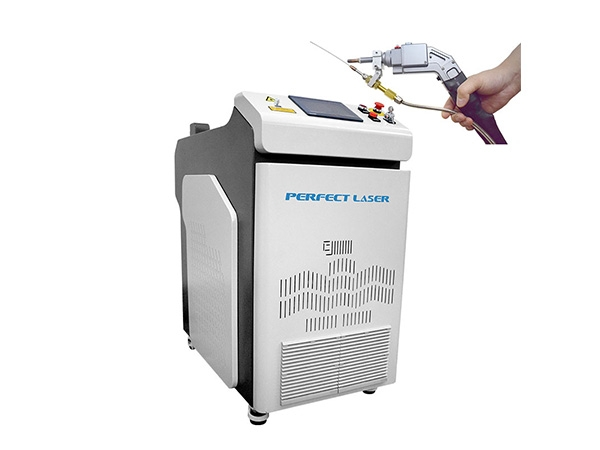
The PE-W1000G compact fiber laser welding machine from Perfect Laser was made to be easy to use and work well. Because it is all one piece, the device is small and easy to use, even for people who have never welded before. The stable beam output from the continuous fiber laser source ensures constant welding quality and lines that are smooth and clean. Beginners can use it easily with their hands, so they don't have to do long training rounds. The machine works reliably because Perfect Laser has strict rules for making and testing them. This makes them a good choice for people who want to start using lasers for welding.
High Efficiency and Precision for Entry-Level Users
One of the best things about Perfect Laser's small laser welder options is that they are much more efficient than older ways of welding. The PE-W1000G uses directional point-to-point welding, which makes it much faster to work while still being accurate. It works best with thin metal sheets up to 3 mm thick, where regular arc welding might bend them. The laser welding method also reduces the size of the heat-affected zone, which helps keep the purity of the material. For beginners, this means fewer mistakes, less waste, and a better learning curve. They can also get results that are on par with professionals right away.
Versatile Applications Supported by Perfect Laser Expertise
Perfect Laser makes its small laser welding systems to work in a lot of different fields and situations. Different welding heads can be used with the PE-W1000G, which makes it easy to use for jobs like corner welding, internal welding, tight space welding, and big spot welding. It is used a lot in advertising to make things like LED letters and signs, and it is also used for general metal crafting. Beginners get a strong R&D team and a global service network behind Perfect Laser. They also get a useful machine and solid technical help and after-sales service for long-term use.
How To Choose the Right Handheld Laser Welder Brand and Model
Define Your Procurement Requirements
To choose the right tools, you must first write down specific use cases and performance goals. Automotive suppliers who put together metal battery cases need different specs than jewelry makers who fix gold chains. Before hiring providers, write down the types of materials, thickness ranges, daily production amounts, and quality standards. This planning makes expert conversations more useful and stops people from making purchases that don't match.
Match Power and Portability to Workflows
The entry depth and operating speed are both controlled by the welding power. Systems with 1000W to 2000W can handle most thin- to medium-gauge jobs in the electronics and luxury goods industries. Heavy industrial users who need to weld solid steel that is more than 6mm thick need models with 3000W or more power. Think about more than just weight when thinking about portability. Think about the length of the cables, the design of the cooling system, and whether processes are better with handheld freedom or explain stationary installations with robotic integration.
Compare Laser Specifications and Ergonomics
Weld accuracy and regularity are affected by the quality of the beam. Check the specs to see the focus spot width, which affects the smallest feature size that can be welded in micro-welding situations. Handpiece weight, grip design, and how quickly the trigger is are all ergonomic factors that directly affect how tired an operator is after long shifts. Before placing an order, ask to see trial models to check out the comfort and control.
Evaluate Supplier Reliability and Technical Support
In terms of long-term happiness, choosing the right supplier is just as important as choosing the right tools. Look into the terms of the guarantee, the availability of spare parts, and the way expert help responds. Manufacturers with established service centers in the area can fix things faster than suppliers who have to wait for parts to arrive from other countries. To figure out how good the after-sales help is, look at case studies and customer references from buyers in related industries.
Procurement and After-Sales Considerations for B2B Buyers
Strategic Sourcing and Pricing
Strategies for buying things in a handheld laser welder should look at a number of different avenues, such as direct ties with manufacturers, approved distributors, and programs that let you rent equipment. When buyers negotiate the purchase of multiple units, they can often get big deals that range from 10% to 25% off the total price. Capital equipment budgets can be stretched with financing choices, which helps businesses keep their cash flow while they get technology that makes them more competitive.
Warranty Coverage and Maintenance Programs
Full guarantee packages protect against parts breaking down early and mistakes in the making process. Standard coverage lasts for one to two years, but longer terms are available for important work settings where the costs of downtime are higher than the premiums. To keep the beam quality high over thousands of hours of use, preventative maintenance plans should include regular checks on the cooling system, cleaning of the optical elements, and checking the performance of the laser source.
Operator Training and Skill Development
Training programs that work well mix classroom learning with supervised hands-on practice. The basics of material science, methods for optimizing parameters, and how to fix common problems like incomplete entry or porosity should all be covered in the curriculum. When manufacturers offer on-site training and licensing programs, buyers can build their own knowledge. This makes them less reliant on outside contractors, which lowers their long-term running costs.
The Implementation Case Studies
A company in the Midwest that makes cars uses portable handheld laser welders to put battery pack parts together. This cut cycle time by 60% and made the welds more consistent than spot welding could. An Italian jewelry company started using handheld laser welders to fix old pieces without damaging them with heat. This led to the creation of a restoration service that brought in an extra €150,000 a year. These cases show that choosing equipment strategically in line with business goals leads to measured returns.
Conclusion
To choose the best handheld laser welder, you need to weigh the technical specs against the dependability of the provider and the total cost of ownership. Beginners can benefit from companies like Perfect Laser that make technology easy to use and provide a lot of support. This makes it possible for people to confidently use the technology in a wide range of fields, from precision electronics to heavy manufacturing. B2B buyers can get equipment that boosts productivity, improves weld quality, and gives them a competitive edge in tough markets by writing down their needs, comparing brands in a structured way, and giving post-sale service skills the most weight. Making the switch from old-fashioned welding methods to laser technology is a smart investment that will pay off in the long run for producers.
FAQ
1. How do handheld laser welders differ from traditional welding machines?
Electrical sparks are used by traditional MIG and TIG welders to melt filler material into joints. This makes bigger heat-affected zones that can bend thin materials. Focused rays on handheld laser welders focus energy, making narrow lines with little distortion. In many cases, laser systems can solder 10–15 times faster and don't need to remove slag, which cuts down on labor costs and improves the finish of the surface.
2. What battery life can buyers expect from portable laser welding systems?
Heavy-duty industrial portable handheld laser welders usually plug into wall outlets instead of batteries because they need a lot of power. When plugged into a 220V source, systems that use 1000W to 2000W usually run all the time. Some manufacturers make battery-powered models that can be used in the field. Each charge can provide 45 to 90 minutes of intermittent welding, based on the power levels and the thickness of the material being welded.
3. What training protocols ensure safe and effective operation?
A full training program should last between 16 and 24 hours and include both classroom lessons on laser safety, material compatibility, and parameter selection and guided hands-on practice. Operators must be certified in laser safety, how to use protection gear correctly, and how to handle an emergency. As equipment capabilities grow and work needs change, continuing to learn new skills through refresher classes is the best way to stay proficient.
Partner with Perfect Laser for Your Handheld Laser Welder Needs
Perfect Laser is ready to help you make the switch to more modern welding technology. They have been doing this for almost 30 years and have a lot of experience. Our PE-W1000G compact fiber laser welding machine gives first-time users the accuracy, dependability, and ease of use they need while also meeting strict industry standards. As a reputable company with a global reach that makes handheld laser welders, we offer CE-certified tools that come with thorough training programs and quick technical support.
Our team helps procurement workers check if materials are compatible, suggest the best combinations, and set up tests that make sure the products work before they are bought. With approved service networks in six countries and consultations available 24 hours a day, 7 days a week, Perfect Laser makes sure that your investment keeps working for as long as it does. Get in touch with our experts at [email protected] to talk about your unique welding needs and get quotes on handheld laser welder systems that fit your budget and production goals.
References
1. Handbook of Laser Welding Technologies, edited by Seiji Katayama, Woodhead Publishing Series in Electronic and Optical Materials, 2013.
2. Industrial Applications of Lasers, Third Edition, by Joseph F. Ready and Dave F. Farson, Academic Press, 2019.
3. Laser Materials Processing: Theory and Practice, by William M. Steen and Jyotirmoy Mazumder, Springer-Verlag London, 2010.
4. Fiber Laser Welding: Process Development and Performance Analysis, by Marco Cantello and Roberto Sesana, International Journal of Advanced Manufacturing Technology, 2018.
5. Portable Laser Welding Systems: Design Considerations and Operational Guidelines, by the Laser Institute of America Technical Papers Collection, 2021.
6. B2B Procurement Strategies for Advanced Manufacturing Equipment, by Thomas P. Anderson, Supply Chain Management Review, 2022.

share your inquiry, get the quotation accordingly.
第一张审核员说包含其他公司不能用_1755049724891.webp)
Perfect Laser – Global Manufacturer of Reliable Laser Solutions