Step-by-Step Guide: Maintaining Your Laser Cleaner
When you take care of your laser cleaner the right way, it will work better, last longer, and give you uniform cleaning results across all workplace settings. If you use industrial laser cleaning systems for heavy manufacturing or small laser rust removers for precise work, you should follow organized maintenance routines to keep your investment safe and avoid costly downtime. This detailed guide walks you through all the necessary maintenance steps, from daily checks to long-term care plans, so you can get the most out of your laser cleaner's performance and dependability in tough work settings.

Understanding How Important It Is to Maintain Your Laser Cleaner
Laser cleaning processes depend on regular upkeep, which has a direct effect on both efficiency and revenue in industry settings. Performance loss usually happens slowly, which makes it hard to notice until big drops in efficiency mess up production plans. Unexpected machine breakdowns can stop whole production lines, which costs a lot of money and isn't worth the cost of preventative maintenance.
Routine maintenance procedures greatly increase the life of equipment while keeping the accuracy needed for a wide range of tasks, from cleaning sensitive electronics to preparing flight parts. When they are well taken care of, industrial laser cleaning machines are amazingly easy to use. All you have to do is connect power and turn on the equipment to start cleaning right away, without using any chemicals, mediums, dust, or water. This simplicity, on the other hand, relies on keeping important parts in great shape.
A look at the costs and benefits of preventative maintenance
Maintenance expenses usually pay off 300 to 500% because they lower fix costs, make parts last longer, and keep output from stopping. Heavy industrial operations that use laser cleaning to remove rust from ship decks or rail parts benefit greatly from regular maintenance, since these tasks require high-power performance to be stable for long periods of time.
Professionals in business-to-business buying know that upkeep costs are only a small part of the total cost of ownership. Strategic maintenance planning helps people make smart investment choices by letting them know what their operating costs will be and how to get the most out of their assets. When repair plans match up with practical needs, laser cleaning systems stay available during key production times, ensuring production stability.
Step 1 – Preparing Your Laser Cleaner for Maintenance
For all types of laser cleaners, safe and successful repair methods start with the right setup. Fiber laser systems, CO₂ units, portable models, and fixed industrial systems all have different safety rules, but the basic ideas are the same. Safety glasses marked for certain laser bands, heat-resistant gloves for handling parts, and the right clothes to avoid unexpected contact are all things that must be worn as personal protective equipment.
The steps for shutting down must exactly match what the maker says. Handheld laser rust removers and big industrial units have different rules, but before repair work can begin on either, the power must be turned off completely. Cooling systems need enough time to reach safe temperatures, especially when they are used in high-power situations to remove coatings from big metal structures.
Checklist of Important Tools and Materials
Your laser cleaner repair kit should have lint-free optical cleaning cloths, the right chemicals for cleaning lenses, precise measuring tools, and troubleshooting tools that are made for your type of laser cleaner. When working with precise optics, you need to follow cleanroom standards. This is especially important in the electronics manufacturing industry, where contamination can make it harder to clean delicate circuits.
Structured methods help with planning maintenance. Making printed plans that are special to your business uses will help you be consistent with your repair sessions. These plans should take into account how often the items will be used, the climate, and the type of cleaning that will be done, like removing rust layers from aircraft parts or getting areas ready for welding in the car industry.
Step 2 – Inspecting and Cleaning Key Components
Maintenance on laser cleaner parts has a direct effect on how well they work in all workplace settings. Optical parts like lenses, mirrors, and beam delivery systems need special cleaning methods to keep the quality of the beam and keep them from getting damaged. Cleaning methods advised by the industry use gentle circle motions, the right chemicals, and lint-free materials made for precision lenses.
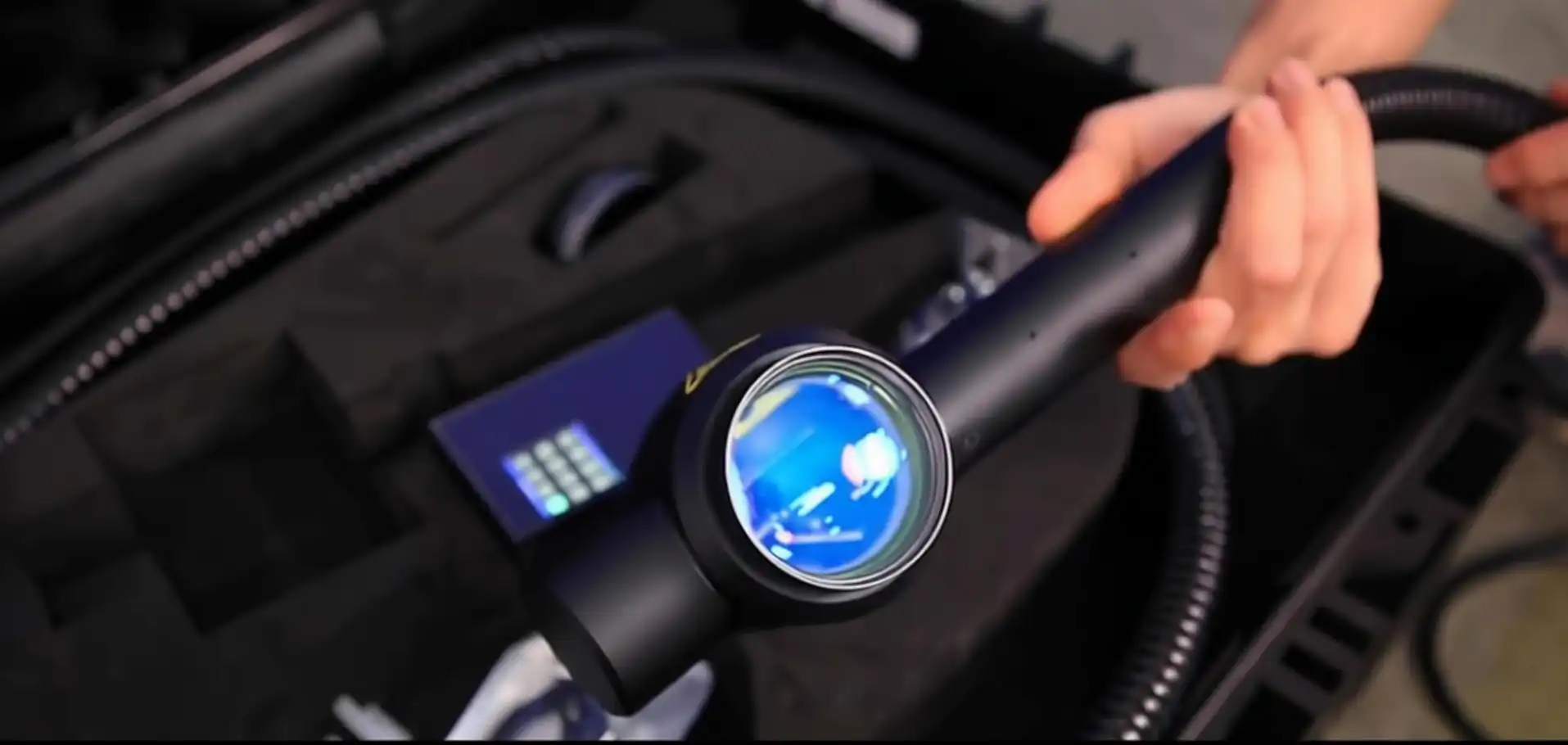
Maintenance of an optical system
By looking at the lens, you can see patterns of pollution that show how the world is affecting your laser cleaning tool. Metalworking shops and other places that make things with flying particles need to clean their optics more often than controlled electronics assembly areas. Surface pollution shows up as less effective cleaning or beam patterns that aren't straight while the machine is running.
Maintaining the cooling system keeps it from getting too hot, which can damage expensive laser parts. When to check and change an air filter depends on where it will be used. When rust is being removed, heavy manufacturing facilities that make metal bits need to change their filters more often than clean manufacturing facilities that are used for mold cleaning.
Checks of the mechanical and electrical systems
It is important to check mechanical parts like focusing systems, beam placement mechanisms, and protected casings for wear patterns and proper alignment on a frequent basis. Handheld laser surface cleaners have automatic focusing systems that need to be checked for accuracy in order to keep cleaning accurately.
Using tools from the maker to do tests on an electrical system can find problems before they become major ones. Modern laser cleaning systems can do diagnostics that check the system's power output, temperature, and other performance factors. These tools make it possible to do predicted maintenance, which keeps output from stopping without warning during busy times.
Step 3 – Troubleshooting and Addressing Common Issues
Recognizing performance degradation symptoms enables timely intervention before minor issues become major problems. Diminished cleaning efficiency often manifests as slower material removal rates, inconsistent cleaning patterns, or incomplete contaminant removal from target surfaces. These symptoms typically indicate laser power degradation, optical contamination, or alignment issues requiring attention.
Diagnostic Procedures and Solutions
Laser alignment verification procedures involve checking beam positioning accuracy and power distribution across the working area. Handheld units used for cleaning resin, grease, dirt, stains, and coatings from various surfaces require precise alignment to maintain effective cleaning performance. Calibration procedures restore optimal operational settings when performance metrics indicate deviation from specifications.
Professional technical support becomes necessary when diagnostic procedures reveal issues beyond routine maintenance capabilities. Complex repairs involving laser source replacement, major optical realignment, or control system repairs require specialized expertise and equipment. Identifying these scenarios helps maintenance teams make informed decisions about repair versus replacement options.
Procurement and maintenance teams benefit from establishing clear protocols defining when to pursue in-house servicing versus professional intervention. This balance ensures reliable, continuous operation while managing maintenance costs effectively. Professional support services often include remote diagnostics capabilities that reduce response times and minimize production interruptions.
Step 4 – Long-Term Maintenance Strategies
Strategic maintenance planning ensures sustained performance across varying usage intensities and application requirements. Preventative maintenance schedules must account for specific laser cleaner models, operating environments, and cleaning applications. Heavy-duty applications removing rust and coatings from iron, carbon steel, stainless steel, aluminum, and copper alloy materials require more intensive maintenance compared to precision cleaning operations.
Scheduling and Planning Considerations
Usage intensity directly impacts maintenance frequency requirements. Continuous operation environments in shipbuilding or rail maintenance require daily inspection protocols and weekly detailed maintenance procedures. Intermittent use applications in electronics manufacturing or heritage conservation may require monthly or quarterly maintenance schedules.
Component upgrade considerations help maintain competitiveness with evolving industrial demands. Software updates often provide enhanced cleaning modes, improved diagnostic capabilities, and expanded material compatibility. Hardware upgrades may include improved laser sources, enhanced cooling systems, or upgraded control interfaces that increase productivity and reduce operating costs.
Storage and Preservation Protocols
Extended idle periods require specific storage procedures to prevent component deterioration. Environmental controls protecting sensitive optical components become critical when laser cleaning systems remain unused for extended periods. These protocols support extended asset longevity and cost-effective lifecycle management essential for global industrial operations.
Storage environments should maintain stable temperature and humidity conditions while protecting equipment from dust, moisture, and vibration. Proper storage procedures prevent corrosion of metal components, degradation of optical elements, and damage to electronic systems during extended downtime periods.
Conclusion
Systematic repair plans make sure that your laser cleaner keeps working reliably in a wide range of challenging workplace settings. Following the right steps for preparation, inspecting parts regularly, fixing problems right away, and putting in place long-term maintenance plans will protect your equipment investment and keep the cleaning quality needed for modern manufacturing processes. Professional support services are a great addition to in-house maintenance because they offer complete solutions that keep your laser cleaning system running smoothly and efficiently for as long as possible.
Frequently Asked Questions
1. How often should I keep my laser cleaner in good shape?
How often maintenance is done relies on how much the machine is used and where it is located. Visual checks should be done every day in places where things are always running, while full checks should be done once a week in most commercial settings. Comprehensive upkeep done once a month includes cleaning the optics, replacing the filters, and checking the system's health. Heavy-duty tasks like engineering or welding may need more frequent care because they are used in tough circumstances.
2. What are the signs that my laser cleaner needs repair right away?
Some important danger signs are less effective cleaning, beam patterns that don't match up, strange noises while the machine is running, high temps, and error messages from monitoring systems. Cleaning performance loss usually happens slowly, so it's important to keep an eye on it on a regular basis. If safety systems go off, strange smells start to come up, or obvious damage shows up on optical components, you need to get professional help right away.
3. What kinds of repair items should I keep on hand?
Manufacturer-approved lens cleaning solutions, lint-free optical cloths, new air filters, and the right safety gear are all things that you need. Spare optical parts for uses that wear them out quickly and extra testing tools help keep upkeep down to a minimum. Based on your equipment types and how it needs to be used, our expert team can suggest specific stock stores.
Maximize Your Laser Cleaner Performance with Perfect Laser
Take advantage of Perfect Laser's comprehensive maintenance support services designed specifically for industrial laser cleaning applications. Our expert technical team provides customized maintenance plans, professional training programs, and ongoing support to ensure your laser cleaner manufacturer equipment delivers optimal performance throughout its operational lifetime. Contact our specialists at [email protected] to discuss your specific maintenance requirements and explore our complete range of industrial cleaning solutions. Our commitment extends beyond equipment delivery through comprehensive warranty programs, installation services, and maintenance support designed to maximize your investment value. Download our detailed Laser Cleaner Maintenance Checklist PDF to streamline your maintenance procedures, or schedule a complimentary consultation to discuss equipment upgrades that enhance productivity and reduce operational costs.
References
1. Industrial Laser Systems Maintenance Guidelines, American Society for Testing and Materials, 2023
2. Laser Safety and Maintenance Standards in Manufacturing, International Electrotechnical Commission, 2022
3. Preventive Maintenance Strategies for Industrial Equipment, Society of Manufacturing Engineers, 2023
4. Optical Component Care and Handling Procedures, Laser Institute of America, 2022
5. Cost-Benefit Analysis of Industrial Equipment Maintenance, Manufacturing Technology Association, 2023
6. Advanced Diagnostic Techniques for Laser Cleaning Systems, Journal of Manufacturing Science and Engineering, 2022

share your inquiry, get the quotation accordingly.
第一张审核员说包含其他公司不能用_1755049724891.webp)
Perfect Laser – Global Manufacturer of Reliable Laser Solutions