How to Get the Best Results with a Laser Rust Remover?
Understanding the special capabilities of the technology and fine-tuning operating settings for your particular applications are essential to achieving the best results with a laser rust removal machine. Compared to conventional abrasive techniques, modern laser cleaning systems offer more accuracy by using concentrated laser pulses to melt rust oxide layers while maintaining the underlying metal substrate. Maintaining the right beam focus distance, choosing the right laser power levels, and using methodical cleaning procedures that guarantee total contamination removal without surface damage are all necessary for success. Precision laser beams are used in the state-of-the-art laser rust removal process, which removes rust without causing damage to the underlying metal. By offering previously unheard-of control and efficiency in cleaning operations, this novel technique revolutionizes how firms address surface contamination issues. Selecting the right laser rust remover and understanding its application have a big impact on cleaning efficacy, cost control, and environmental compliance.
This manual is designed for engineers, distributors, OEM clients, and industrial procurement managers who want to maximize their rust removal procedures by making well-informed purchases and using operational best practices. We investigate workable solutions that optimize equipment performance, save operating expenses, and guarantee long-term dependability in tough industrial settings.
Understanding Laser Rust Removal Technology
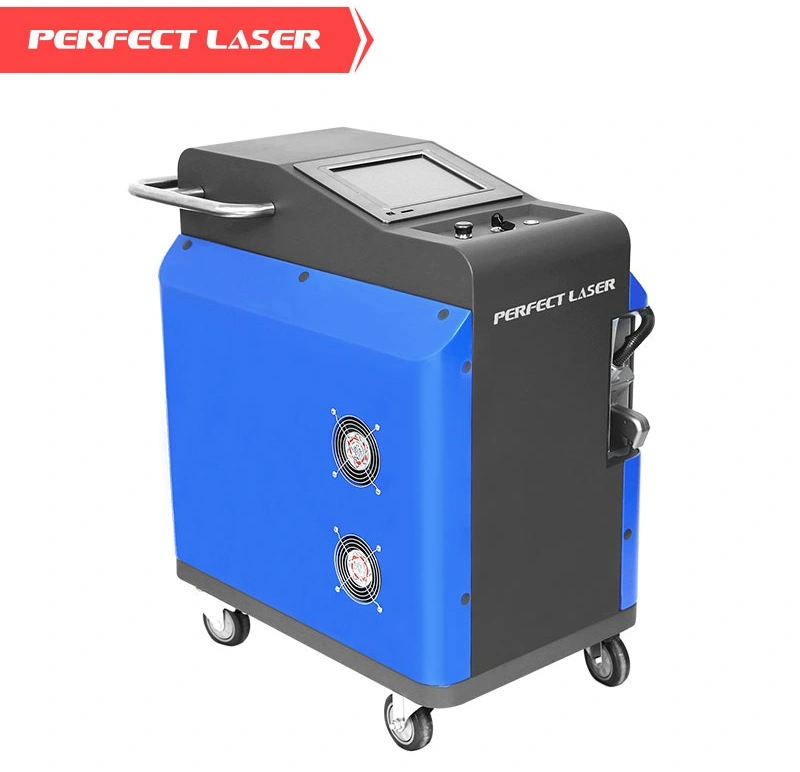
Laser rust removal works by directing focused laser pulses that vaporize rust oxide layers while preserving the metal substrate. The process relies on selective absorption principles, where rust particles absorb laser energy more readily than the base material, creating precise thermal effects that eliminate contamination without substrate damage.

The Science Behind Laser Ablation
Rapid heat expansion and photon absorption are the basic mechanisms. Rust particles are immediately heated over their vaporization point when laser energy comes into contact with them, resulting in an instantaneous phase transition from solid to gas. Heat transmission to the underlying metal surface is prevented by this controlled ablation, which takes place in microseconds.
Laser cleaning offers a contactless, chemical-free, safer, and more environmentally friendly alternative to traditional methods like chemical treatments or abrasive sandblasting. The technique reduces the likelihood of secondary contamination, removes worker exposure to hazardous chemicals, and lessens the need to dispose of waste.
Operational Advantages in Industrial Settings
High accuracy, little surface damage, fewer secondary pollutants, and total operational cost reductions are some of the main benefits. Because laser cleaning requires less setup and cleanup time than wet chemical procedures, it minimizes downtime. The procedure eliminates continuous material expenditures related to abrasives or chemical solutions because it just needs electrical power as a consumable.
The technology's capacity to adapt to automated processes is especially advantageous for industrial operations. Robotic integration guarantees consistent outcomes across high production quantities, lowers manpower needs, and permits constant cleaning patterns. Because it is contactless, there is no need to worry about surface contamination from the cleaning medium or tool wear.
Identifying the Best Laser Rust Remover for Industrial Use
A laser's strength (wattage and pulse frequency), mobility vs fixed installations, and advanced features like automation and control interfaces are all important considerations when selecting the best laser rust remover. Specific factors that affect equipment choice and operational efficacy are required for every application.
Power Requirements and Specifications
Industrial laser cleaning systems typically range from 100W to 3000W, with power selection based on material thickness, rust severity, and processing speed requirements. Handheld laser rust removers offer more flexibility for smaller or harder-to-reach areas. Higher wattage systems deliver faster cleaning rates but require careful parameter control to prevent substrate damage. Pulse frequency adjustments enable fine-tuning for different materials, from delicate electronic components to heavy structural steel.
Because of its efficiency and wavelength characteristics that are tuned for metal absorption, fiber laser technology dominates industrial applications. While preserving safety tolerances for a range of substrate materials, the 1064 nm wavelength offers superior coupling with iron oxide compounds.
Portability and Installation Considerations
Whether for production line integration or on-site maintenance, industrial facilities need machines that are appropriate for their volume and kind of metal. Field applications, maintenance tasks, and intricate geometries that are inaccessible to permanent systems are areas where portable handheld devices shine. These devices often include wheeled configurations or backpack designs that improve operator mobility.
For high-volume manufacturing settings, stationary installations provide better power capability and automation potential. Buyers may choose equipment that satisfies both technical requirements and financial limits by comparing 2024 industry-leading models, which provide a variety of choices balancing price, efficiency, and user input.
How to Use and Maintain a Laser Rust Removal Machine for Optimal Results
Adherence to safety procedures and customized settings for various metals and rust conditions are necessary for the efficient functioning of laser rust removal equipment. The lifespan of equipment, processing speed, and cleaning quality are all greatly impacted by proper method development.
Operational Setup and Safety Protocols
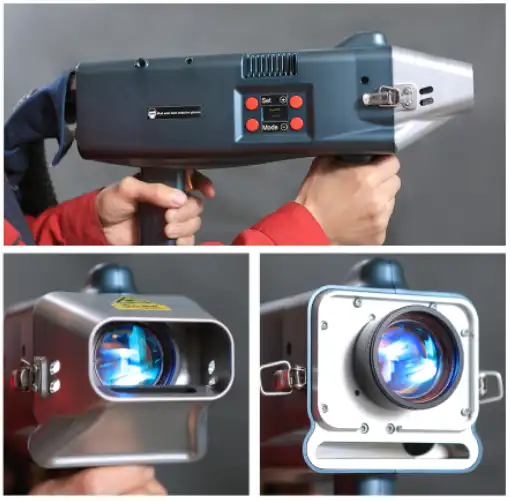
The operation of industrial laser cleaning machines is remarkably simple. When connecting power and opening the equipment, cleaning functions can be carried out without chemical reagents, medium, dust, or water. Additionally, the automated focusing and surface cleaning features of handheld laser rust removers simplify operator training and simplify setup.
Appropriate personal protection equipment, sufficient ventilation for vaporized particles, and laser safety procedures in accordance with regulatory norms are also important safety issues. Operators are required to create regulated access zones, comprehend beam dangers, and carry out emergency shutdown protocols.
Parameter Optimization Techniques
A stepwise workflow, beginning with surface assessment to laser parameter adjustment, ensures thorough cleaning without damaging parts. Material identification guides initial power settings, while test patches validate parameter selection before full-scale processing. Scanning speed adjustments balance cleaning thoroughness with production efficiency.
Modern handheld laser surface cleaners can effectively remove surface resin, grease, dirt, stains, burned objects, coatings, and painted surfaces. The devices provide intelligent cleaning with accurate placement, straightforward operation, reliable performance, a variety of applications, a lightweight, portable design, and adaptable adaptability.
Maintenance Requirements and Troubleshooting
Machine longevity and performance dependability are increased by routine maintenance, which includes inspection, cleaning optics, and resolving frequent problems. Beam quality and cleaning efficacy are directly impacted by the cleanliness of optical components. Optimal performance requirements are maintained by planned lens cleaning, alignment checking, and protective window replacement.
Frequent upkeep and timely replacement of critical components minimize downtime and enhance return on investment. Preventive maintenance programs often include software upgrades that optimize performance metrics, electrical connection inspections, and cooling system checks.
Procurement and After-Sales Considerations for B2B Clients
In order to obtain high-quality items, B2B clients should carefully consider their purchasing channels, selecting between direct producers, authorized dealers, or reliable exporters. Total cost of ownership, operational dependability, and long-term satisfaction are all greatly impacted by the procurement process.
Supplier Selection Criteria
Lease versus buy alternatives and supplier reputation assessment are examples of decision-making criteria. Direct manufacturer connections can offer access to the newest technological advancements, quicker parts availability, and better technical assistance. Local service and localized inventory advantages may be provided by authorized dealers.
Manufacturing certifications, quality management systems, and customer reference validation should all be considered when evaluating suppliers. Customs processes, local service network capabilities, and shipping logistics must all be taken into account for international providers.
Service and Support Considerations
Optimal procurement involves negotiating service terms such as installation, warranty, and technical support, which are crucial for uninterrupted operations. Comprehensive service agreements typically include operator training, preventive maintenance schedules, and emergency support provisions.
Volume discounts and flexible pricing models often benefit large-scale industrial buyers, making these considerations vital for procurement strategies. Multi-unit purchases may qualify for enhanced warranty terms, priority service scheduling, and customization options that align with specific operational requirements.
Company Introduction and Product & Service Information
Since 1995, Perfect Laser Co., Ltd. has established a strong global presence as a trustworthy supplier of laser rust removal machines, dedicated to quality, innovation, and client happiness. We are positioned as market leaders in surface cleaning applications across a variety of industrial industries thanks to our vast experience in laser technology development.
Comprehensive Product Portfolio
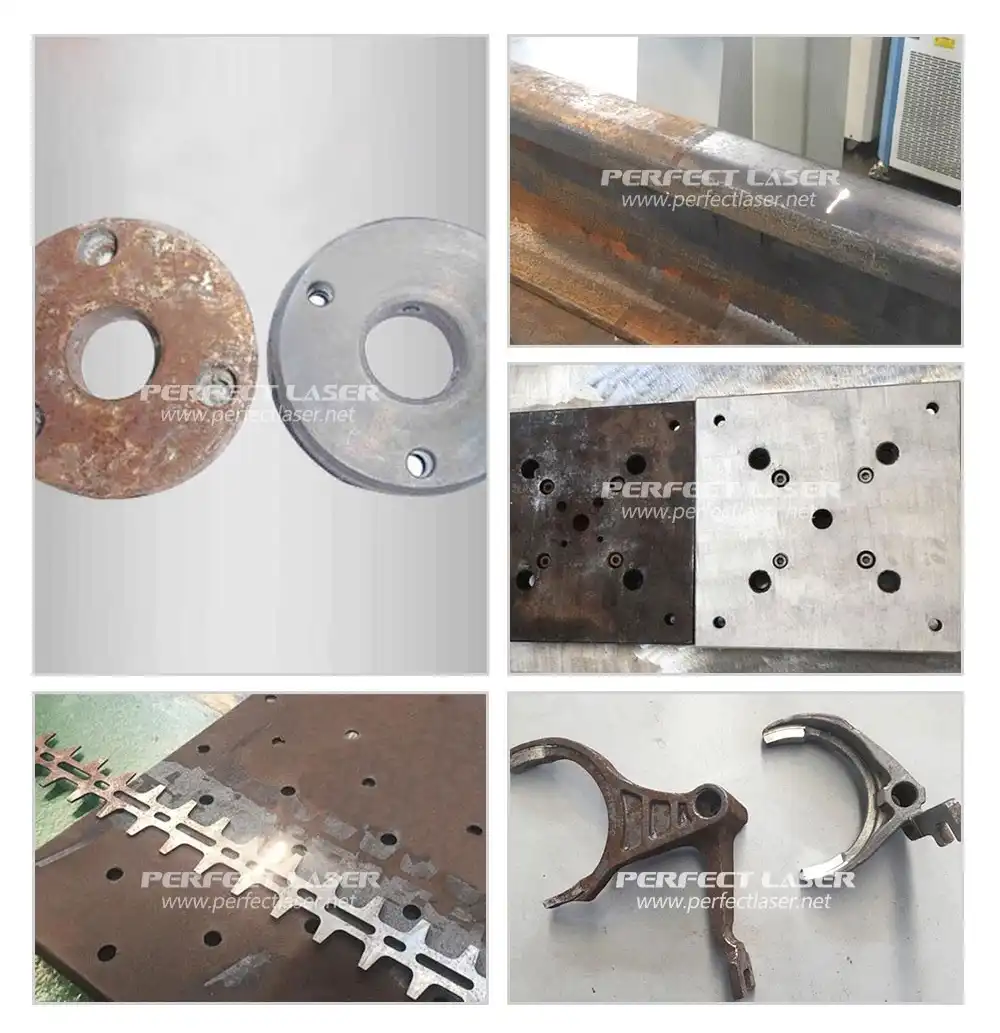
We offer a diverse portfolio of machines tailored for various industrial sectors, complemented by customization capabilities and comprehensive technical support. Our laser cleaning systems excel in multiple applications, demonstrating exceptional cleaning performance across iron, carbon steel plates, stainless steel plates, rails, aluminum plates, mold steel gears, steel pipes, and copper alloys.
The equipment effectively removes oxide layers, surface oil stains, dirt, and grime while eliminating surface plating and coatings. These versatile systems serve mechanical processing, mold cleaning, electronic circuits, cultural relic restoration, food processing, aerospace, rail transportation, shipbuilding, tire molds, automotive manufacturing, the electronics industry, and high-end machine tools.
Technical Excellence and Certifications
All of our laser cutting, marking, and engraving equipment adheres to CE certification requirements. Additionally, Perfect Laser has SGS and TUV certifications, which attest to our dedication to regulatory compliance and global quality standards.
Our talented team spans software development to hardware design, system testing, and technical services, all completed by professional technical personnel. With two established R&D centers working closely with 63 national patents, numerous core technological achievements maintain technical indicators at advanced international levels.
Quality Assurance and Global Reach
Our full-service approach includes expert installation, regular maintenance, and operator training, ensuring maximal client value and continuous operational excellence in rust removal applications worldwide. We export to Germany, Japan, Italy, Russia, South Korea, Turkey, Brazil, India, the United Arab Emirates, Saudi Arabia, and other countries.
Quality assurance relies on advanced production and testing equipment, including CO2 laser meters, CNC grinding machines, scanning mirrors, AC variable voltage power emulators, and focus systems. We provide 24-hour online service, free product consultation, solution recommendations, proofing tests, comprehensive after-sales service, OEM customization, a 2-year warranty for laser marking machines, and a 1-year warranty for other large machines.
Conclusion
Achieving optimal results with laser rust removal machines requires understanding equipment capabilities, proper operational techniques, and strategic procurement decisions. Modern laser cleaning systems offer unprecedented precision, environmental benefits, and operational efficiency compared to traditional methods. Success depends on selecting appropriate equipment specifications, implementing proper safety protocols, and establishing comprehensive maintenance programs that ensure long-term reliability and performance consistency across diverse industrial applications.
FAQ
What materials can laser rust removal machines effectively clean?
With surface characteristic modifications, laser rust removal devices efficiently clean a wide range of metals, including steel, aluminum, and alloys. Iron, carbon steel, stainless steel, aluminum plates, mold steel gears, steel pipes, and copper alloys are among the materials on which the systems perform remarkably well. Variations in material qualities and forms of contamination are accommodated by parameter modifications.
How does laser cleaning compare to chemical methods?
Since laser cleaning leaves no dangerous residue or secondary pollutants, it is safer and more ecologically friendly than chemical procedures. The procedure lowers worker exposure hazards, avoids environmental pollution, and does away with the requirement for chemical disposal. When compared to chemical treatments, laser systems also provide better accuracy and reproducibility.
Should I choose portable or stationary laser cleaning equipment?
Clients should balance operational flexibility with throughput and power requirements when choosing between portable and stationary versions, taking into account aspects including mobility requirements, workplace arrangement, and application frequency. While permanent systems offer greater power and automation capabilities for production contexts, portable machines perform very well in maintenance applications and difficult geometries.
Transform Your Industrial Cleaning with Perfect Laser Technology
With state-of-the-art laser cleaning solutions developed for tough industrial applications, Perfect Laser is prepared to transform your rust removal operations. Our wide range of laser rust removal equipment offers outstanding cleaning results in a number of industries by fusing state-of-the-art technology with decades of manufacturing expertise. Whether you require portable handheld devices for field maintenance or high-power fixed equipment for manufacturing lines, our technical team provides specific solutions that optimize productivity while reducing operating costs.
Contact our technical specialists at [email protected] to discuss your specific cleaning challenges and discover how our laser rust removal machine technology can transform your surface preparation processes. As a leading laser rust removal machine manufacturer, we offer complete support, including installation, training, and ongoing technical assistance that ensures maximum return on your investment.
References
1.Industrial Laser Technology Handbook, 2024 Edition. Advanced Manufacturing Institute Press.
2.Smith, R.J. "Laser Ablation Mechanisms in Industrial Surface Cleaning Applications." Journal of Manufacturing Technology, Vol. 45, 2024.
3.European Laser Safety Standards for Industrial Applications. International Laser Safety Commission, 2023.
4.Brown, A.M. and Johnson, K.L. "Comparative Analysis of Surface Preparation Methods in Heavy Industry." Surface Engineering Quarterly, 2024.
5.Laser Processing Equipment Market Analysis and Technology Trends. Industrial Technology Research Group, 2024.
6.Wilson, P.T. "Environmental Impact Assessment of Modern Laser Cleaning Technologies." Green Manufacturing Review, Vol. 18, 2023.

share your inquiry, get the quotation accordingly.
第一张审核员说包含其他公司不能用_1755049724891.webp)
Perfect Laser – Global Manufacturer of Reliable Laser Solutions