Laser Cleaning vs Chemical Rust Removers Compared
If industrial professionals have to choose between old-fashioned chemical rust removal and newer laser rust removal machines, it's important for them to understand the main differences between the two. Chemical solutions with acids and alkaline mixes have ruled the market for decades. However, laser ablation technology now offers a new way to do things that is safer for the environment and more accurate. With this in-depth comparison, you can see why top companies in the aerospace, automobile, and heavy manufacturing industries are switching to laser-based cleaning solutions that don't damage the material or create harmful waste.
Understanding Rust Removal Methods
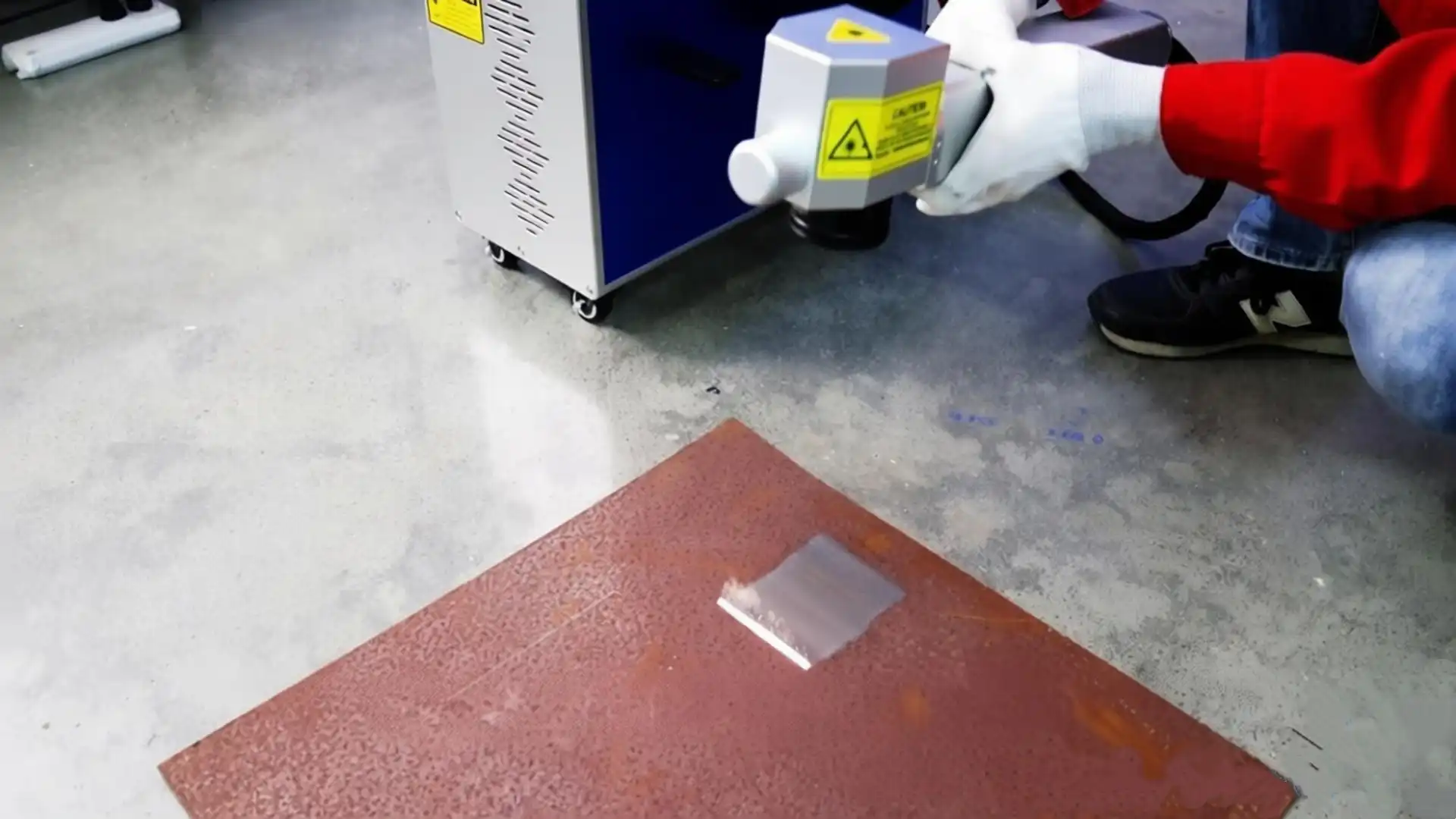
As rust cleaning technology has grown, we now find ourselves at a point where old-fashioned chemical methods meet cutting-edge laser technology. Modern factories have to decide between using traditional chemical processes or using more modern laser ablation systems that claim to be more efficient and better for the environment.
Chemical Rust Removal Fundamentals
Molecular dissolution is how chemical rust removers work. They use acidic substances like phosphoric acid or hydrochloric acid to break down iron metal layers. To keep the base from getting damaged, these solutions need to be applied at the right time, with the right amount of dilution, and following strict safety rules. Usually, the process includes cleaning the surface, applying chemicals, neutralize steps, and a full rinse to get rid of any leftover chemicals. Industrial chemistry systems need a lot of money to be spent on infrastructure, like air systems, places to treat trash, and special storage areas. To safely handle dangerous materials, workers must go through a lot of training, and sites must be constantly inspected to make sure they are following environmental rules. Chemical handling is very complicated, which often leads to longer breaks and higher costs.
Laser Cleaning Technology Overview
Focused fiber laser beams working at 1064nm wavelength are used in laser rust removal machine systems to remove contaminants through precise energy delivery. These machines can clean intelligently because they can be placed precisely, are easy to use, and have stable system performance. The technology can be used in many different ways and comes in movable, light forms that can be adjusted in a number of ways. Today's laser cleaning tools don't need chemical cleaners, dust, or water to work. By plugging in power and turning on the machine, you can start cleaning right away. Handheld laser rust removers can clean and focus automatically, and they can clear resin, grease, dirt, spots, coats, and paint from a wide range of surfaces. Laser technology can be used on a wide range of materials, such as iron, carbon steel plates, stainless steel sheets, railroad parts, aluminum plates, form steel gears, steel pipes, and copper alloys. These systems clean oxide layers, surface oils, spots, and different coats very well while keeping the substrate's integrity.
Limitations of Chemical Rust Removal and the Rise of Laser Cleaning
Chemical methods for removing rust from metal surfaces have big problems that are hard to solve in current industrial settings. Environmental rules are getting stricter about how to get rid of dangerous waste, and worries about worker safety are making insurance costs go up. Chemical processes also add factors to quality control that can make it harder to meet the needs of precision manufacturing.
Environmental Impact Concerns
Chemically removing rust creates large amounts of toxic waste that needs to be thrown away in a certain way and with the right paperwork to show that it was done correctly. If acidic solutions are not treated properly, they can pollute groundwater. Also, volatile organic chemicals make the air less healthy. Environmental groups are putting more and more pressure on factories to use fewer chemicals and better ways to make things. Chemical methods require a lot of equipment for treating waste, which costs a lot over time. Neutralization chemicals, disposal fees, and environmental tracking costs add up quickly, especially for businesses that do a lot of work. Many sites find that the costs of environmental regulations are much higher than the costs of buying chemicals in the first place.
Surface Damage and Quality Issues
Chemical formulas that are too aggressive can damage precise parts by creating micropits, hydrogen embrittlement, and changes in their dimensions. These quality problems are especially bad in aircraft and automobile settings, where the integrity of the surface has a direct effect on safety and performance. Chemical leftovers can also make it harder for coatings or welds to stick properly in the future.
Laser Technology Advantages
Laser rust removal machine technology gets around these problems by cleaning without touching or abrading the base and keeping its purity. The process gets rid of all chemical residues and leaves behind only dust particles that are small enough for normal filter systems to pick up. Programmable factors that change based on the material and amount of contamination make laser cleaning more precise. Laser systems are faster than chemical ways, which means that working time is much shorter. Chemical solutions need time to be applied, neutralized, and dried. Laser cleaning, on the other hand, works right away and can be used continuously. This speed directly leads to more work getting done and lower labor costs.
Comparing Performance and Cost Efficiency
Choosing the right way for removing rust has financial effects that go far beyond the cost of the tools itself. To find the true value offer, a thorough study must look at running costs, maintenance needs, throughput capabilities, and quality outcomes.
Cleaning Quality and Precision
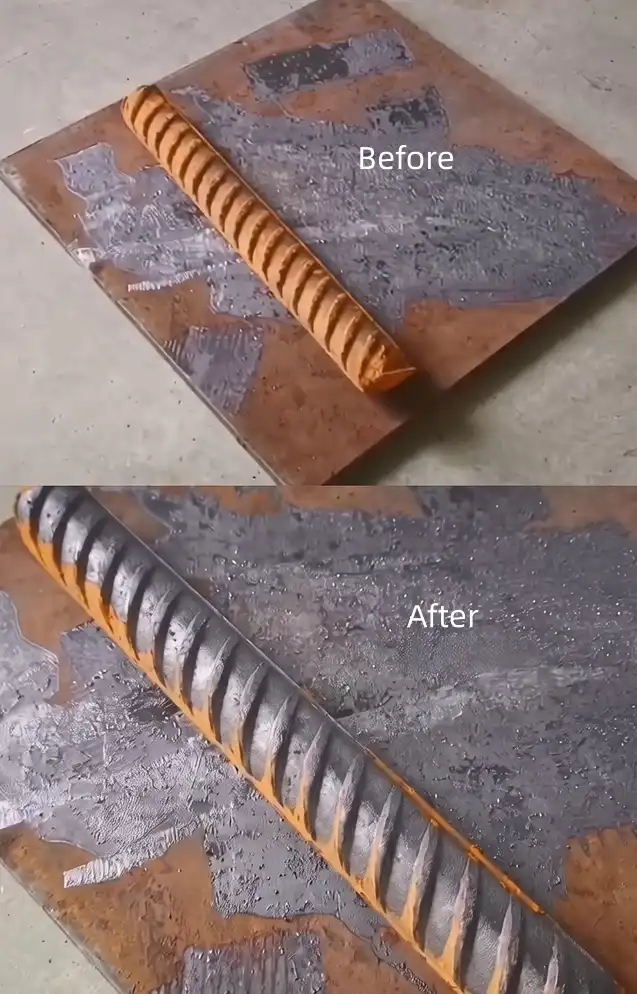
Chemical ways aren't as good at getting surfaces ready as laser cleaning technology. The exact control of the energy lets you remove only certain layers of contamination while leaving the materials below them completely unaltered. This feature is especially useful for maintaining delicate parts that need to be precise down to the micron level. Chemical processes often have trouble being consistent because of things like changes in solution strength, temperature, and when they are applied. These things can lead to partial cleaning, harm to the substrate, or contamination that makes it hard to do other tasks. No matter what the environment is like or how experienced the user is, laser devices always work the same way.
Material Compatibility Range
Modern industrial rust remover systems can work with a wide range of materials, such as carbon steel, copper, titanium, stainless steel, and special aircraft materials. The power settings and pulse length controls can be changed to make the best settings for each type of material without damaging them or changing their structure. Different types of metal are not chemically compatible with each other in the same way, so it's important to choose the right formulas. Different chemicals may be needed for aluminum parts compared to steel parts. This makes inventory management more difficult and increases the chance of application mistakes. Some materials can't handle chemicals at all, which limits the range of processes that can be used.
Total Cost of Ownership Analysis
Although laser equipment costs more to buy at first, it quickly pays for itself through lower costs for consumables, no longer having to pay to have trash taken away, and less work that needs to be done. Chemical processes always have costs, like buying chemicals, cleaning up waste, buying safety gear, and making sure the building follows the rules. Laser systems usually work for thousands of hours without needing major upkeep. Chemical processes, on the other hand, need to handle their supply chains and test their products for quality all the time. Laser equipment's predictable maintenance routine makes it easier to plan output than chemical inventory management, which has costs that change all the time.
Procurement Considerations for B2B Buyers
When making choices about industrial buying, it's important to look closely at technical specs, business needs, and long-term strategy alignment. The selection process has to find a balance between the need for instant success, the ability to grow in the future, and following the rules.
Application-Specific Requirements Assessment
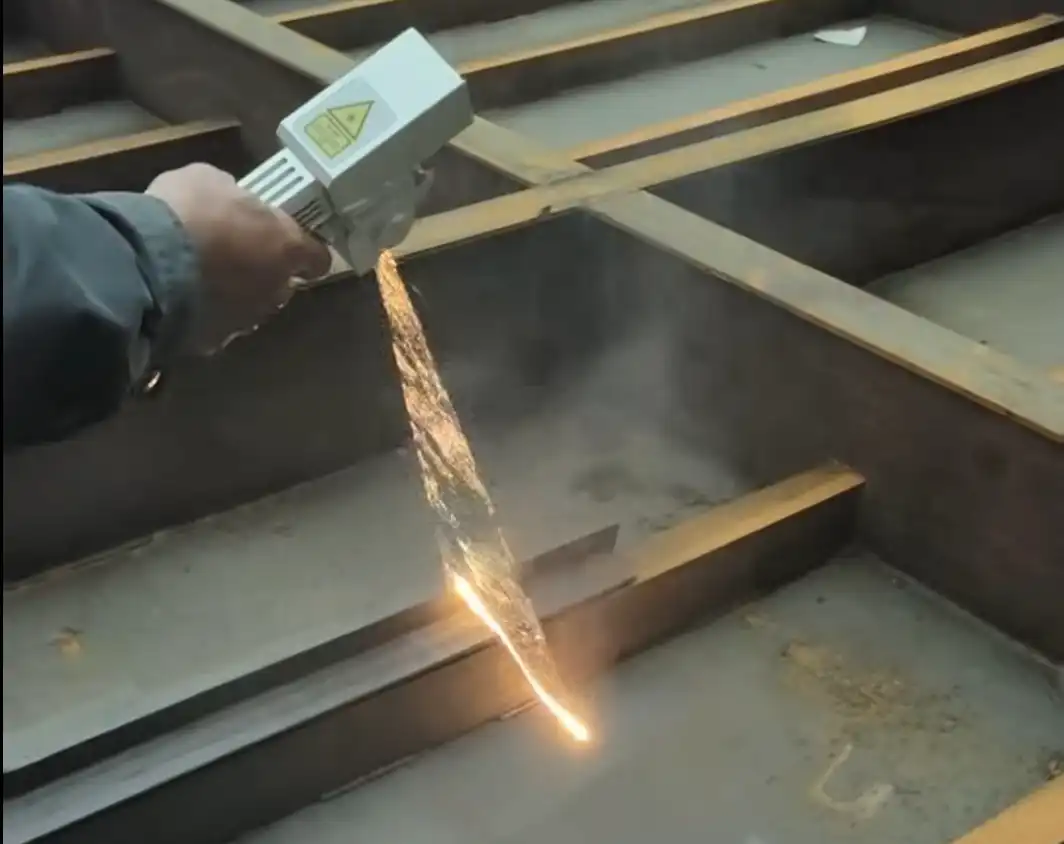
High-power laser systems that can quickly cover a big area are useful for heavy manufacturing that works with ship hulls, train parts, and large structural elements. For these uses, equipment needs to be built to last in harsh industrial settings and meet regular performance standards. For repair tasks on precision tools and molds, you need to be able to finely control things and do them over and over again. For these tasks, it's important to be able to keep micron-level accuracy while getting rid of downtime. Because they can be programmed to set parameters and work without touching the metal, laser rust removal machine systems are great for these tough jobs. The aerospace and car industries need surface prepping methods that meet high quality standards and get rid of all contamination. Modern laser systems can help with quality assurance needs that chemical processes can't easily meet because they can be tracked and records can be kept.
Safety Standards and Regulatory Compliance
Laser cleaning technology makes following the rules a lot easier by getting rid of the need to create toxic trash and lowering the risks to workers. When the process is limited and has the right cleaning systems in place, it has little effect on the environment and follows all OSHA safety rules. Chemical processes need a lot of safety equipment, like emergency showers, air systems, and special places to store things. Regular checks for compliance, training for workers, and insurance requirements add a lot of work to management that laser systems mostly get rid of.
Supplier Evaluation Criteria
Procurement workers should look at a laser rust removal machine supplier's technical help, warranty coverage, and service network availability when making their choice. Because laser systems are so complicated, they need to be sold by companies with a lot of technical know-how and quick support systems. Because operating a laser requires specific safety knowledge and technical skill, training and licensing programs become important things to think about. Long-term, suppliers that offer full training packages and ongoing expert help are more valuable than those that only sell equipment.
Case Studies and Industry Applications
Implementation experiences in the real world show that laser cleaning technology has real-world benefits in many different industry areas. These uses show gains that can be measured in terms of quality, efficiency, and environmental responsibility.
Automotive Manufacturing Success
A big automaker switched from using chemicals to remove paint to using laser cleaning technology, which increased processing speeds by 300% and cut down on the cost of getting rid of dangerous trash. The precise control allows the coating be removed selectively without damaging the base. This made the next coating stick better and cut down on the number of times it had to be fixed. Handheld lasers were used for fine-tuning, and automatic systems were set up for high-volume production lines. By getting rid of the risks of chemical exposure, workers were much safer, and product consistency went up because the process settings could be used again and again.
Aerospace Component Maintenance
An aerospace repair center started using laser rust removal technology to fix up important parts. This helped them meet strict industry standards and cut the time it took to do the work by 80%. Chemical processes had broken down component standards, but the non-destructive cleaning kept them. The center said it saved 60% a year on costs by cutting down on consumables and getting rid of chemical dumping fees. Better surface preparation also increased the service life of the component and made the finish stick better.
Shipbuilding Industry Transformation
When a factory used laser cleaning to prepare the hull, they were able to meet environmental rules that limited the use of chemicals while also greatly increasing their output. The movable laser systems made it possible to clean things on-site without the need for large containment buildings that were needed for chemical processes in the past. Because laser technology is so adaptable, cleaning could go on even in bad weather that would have stopped chemical processes. This organizational edge cut down on project delays and made it easier to plan ahead for multiple shipbuilding programs.
Conclusion
A study of laser cleaning and chemical rust removal shows that laser rust removal machine systems are clearly better in terms of technology in a number of ways. Laser technology is the best choice for current industrial uses because it is better for the environment, more precise, more efficient, and cheaper in the long run. Getting rid of dangerous waste streams, lowering safety risks, and improving process control are some of the things that are needed to meet the changing needs of industrial environments that are focused on being environmentally friendly and running smoothly. Investing in laser cleaning technology is a smart move that pays off right away in terms of operations and sets businesses up for future legal needs and competitive advantages.
FAQ
1. Is laser rust removal safe for all metal types?
Stainless steel, carbon steel, aluminum, copper, titanium, and other specific alloys are just some of the metals that can be safely cleaned with lasers. The power levels and pulse length controls can be changed to get the best results for each type of material without changing the metallurgy or causing thermal damage. By choosing the right parameters, you can selectively remove contaminants while keeping the purity of the material.
2. What environmental advantages does laser cleaning offer?
Laser rust removal machine devices get rid of the need to make dangerous chemical waste, clean up the air and water, and meet environmental standards. Standard filter systems can easily pick up the small amounts of dust that are made by the process. This environmental benefit cuts down on costs by a large amount and helps companies with their green efforts and legal compliance.
3. How do maintenance requirements compare between laser and chemical systems?
Laser systems don't need much upkeep, and they usually only need service every thousands of hours of use. Chemical processes need to keep track of the supply chain, test the quality of the products, and keep safety tools in good shape. Laser repair scheduling is easier to understand, which makes it easier to plan output and gets rid of the variable costs that come with managing chemical supplies and getting rid of trash.
Partner with Perfect Laser for Advanced Rust Removal Solutions
Perfect Laser offers state-of-the-art laser rust removal machine technology designed for tough industry uses in the aerospace, automobile, and heavy manufacturing industries. Our wide range of tools includes both portable hand-held units and fully automatic industrial systems that get rid of chemical waste and clean more precisely. Perfect Laser has been making things for more than 25 years and offers full solutions, such as technical training, guarantee support, and ongoing repair services. Get in touch with our engineering team at [email protected] to talk about your unique application needs and find out how our laser rust removal machine maker services can change your business by making it more efficient and environmentally friendly.
References
1. Industrial Surface Treatment Technologies: A Comprehensive Analysis of Modern Rust Removal Methods. Journal of Manufacturing Engineering, 2023.
2. Environmental Impact Assessment of Chemical vs. Laser Cleaning Processes in Heavy Industry. Environmental Science and Technology Review, 2023.
3. Cost-Benefit Analysis of Laser Ablation Technology in Precision Manufacturing Applications. International Manufacturing Technology Conference Proceedings, 2022.
4. Safety and Regulatory Compliance in Modern Surface Preparation Methods. Occupational Safety and Health Administration Technical Guidelines, 2023.
5. Aerospace Industry Surface Treatment Standards and Best Practices. Society of Automotive Engineers Technical Report, 2023.
6. Laser Technology Applications in Industrial Cleaning: Performance Metrics and Quality Standards. Laser Institute of America Technical Publication, 2022.

share your inquiry, get the quotation accordingly.
第一张审核员说包含其他公司不能用_1755049724891.webp)
Perfect Laser – Global Manufacturer of Reliable Laser Solutions