How to Choose the Right Fiber Laser Cutter?
To choose the right fiber laser cutting machine, you need to carefully think about what you need to make, how much you need to make, and what materials you need. Modern fiber laser technology makes cutting carbon steel, stainless steel, and aluminum of different sizes more accurate and faster. Some important things to think about when choosing a laser are its power output (usually between 1500W and 6000W), the cutting speed needed, the fit of the material, and the long-term costs of running the laser. Knowing these basics helps purchasing managers make smart choices that match the powers of tools with the needs of production while also getting the best return on investment.
Understanding Fiber Laser Cutting Technology
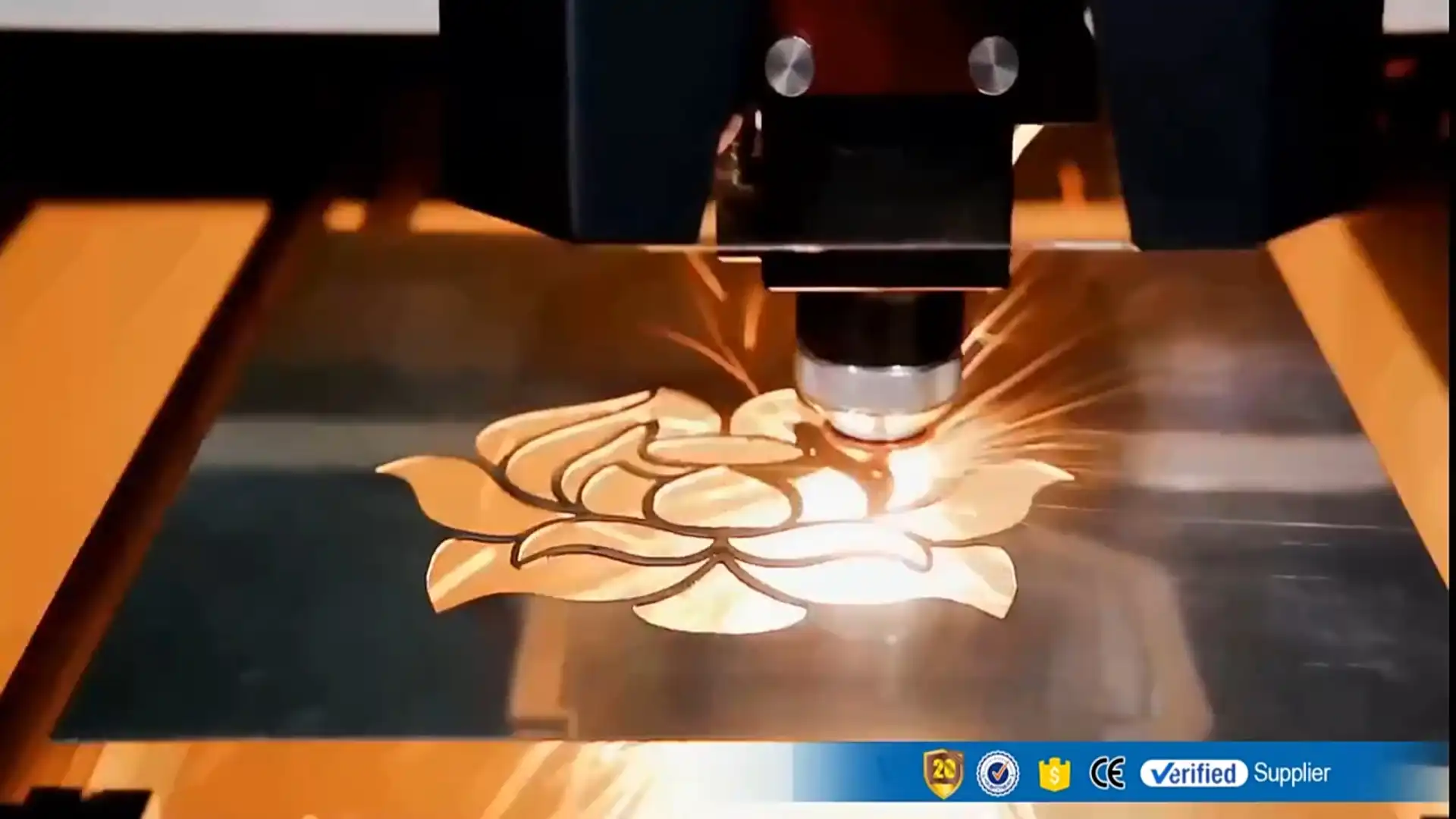
Fiber laser cutting is a huge step forward in the technology used to make things out of metal. High-powered laser beams sent through optical wires allow these high-tech tools to precisely cut through different types of metal. When compared to traditional cutting methods, this technology has completely changed the way things are made because it is so accurate, works so quickly, and uses so little energy.
Core Components and Functionality
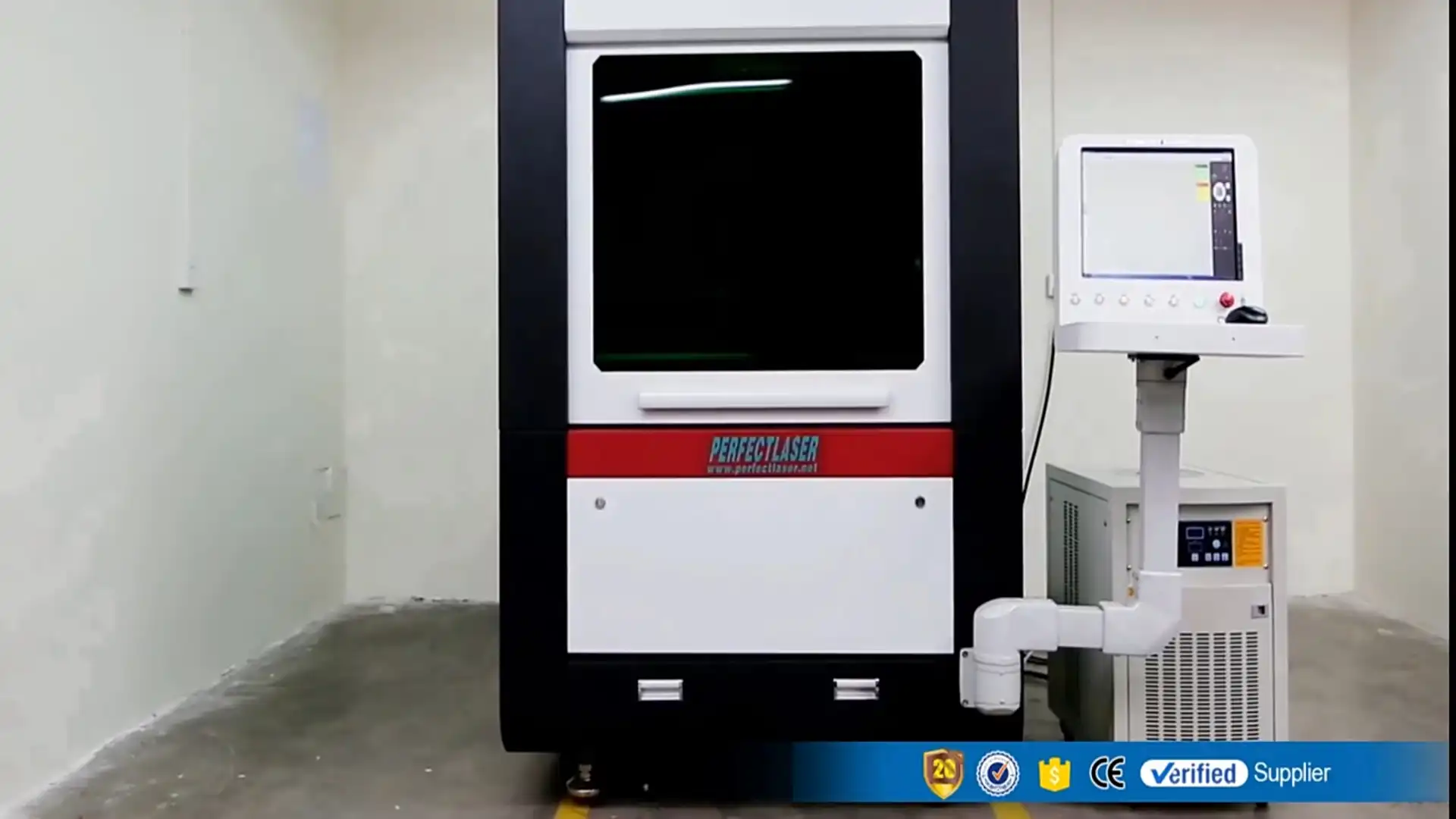
Fiber laser cutting machines include various vital pieces that operate together effectively. The laser source delivers a powerful light beam, and optical fiber transport maintains its quality. Advanced CNC control systems provide accurate movement and placement. They have powerful motion systems that maintain performance throughout lengthy manufacturing runs. These built-in elements provide an excellent cutting tool for many industrial requirements.
Material Processing Capabilities
Modern fiber laser systems can deal with several metals of various sizes. These tools mostly cut carbon steel, stainless steel, and mild steel. Fiber laser cutting machines can also cut aluminum and certain copper alloys. Transportation equipment, heavy machinery, food processing equipment, and commercial manufacturing services may utilize the technology. Knowing the limits of the material helps you set the best cutting settings and keep your tools from getting damaged. Most common metals can be cut with a fiber laser, but materials that reflect light a lot, like brass or copper, may need special settings or a different way to cut, based on their thickness and make-up.
Key Criteria to Evaluate When Choosing a Fiber Laser Cutter
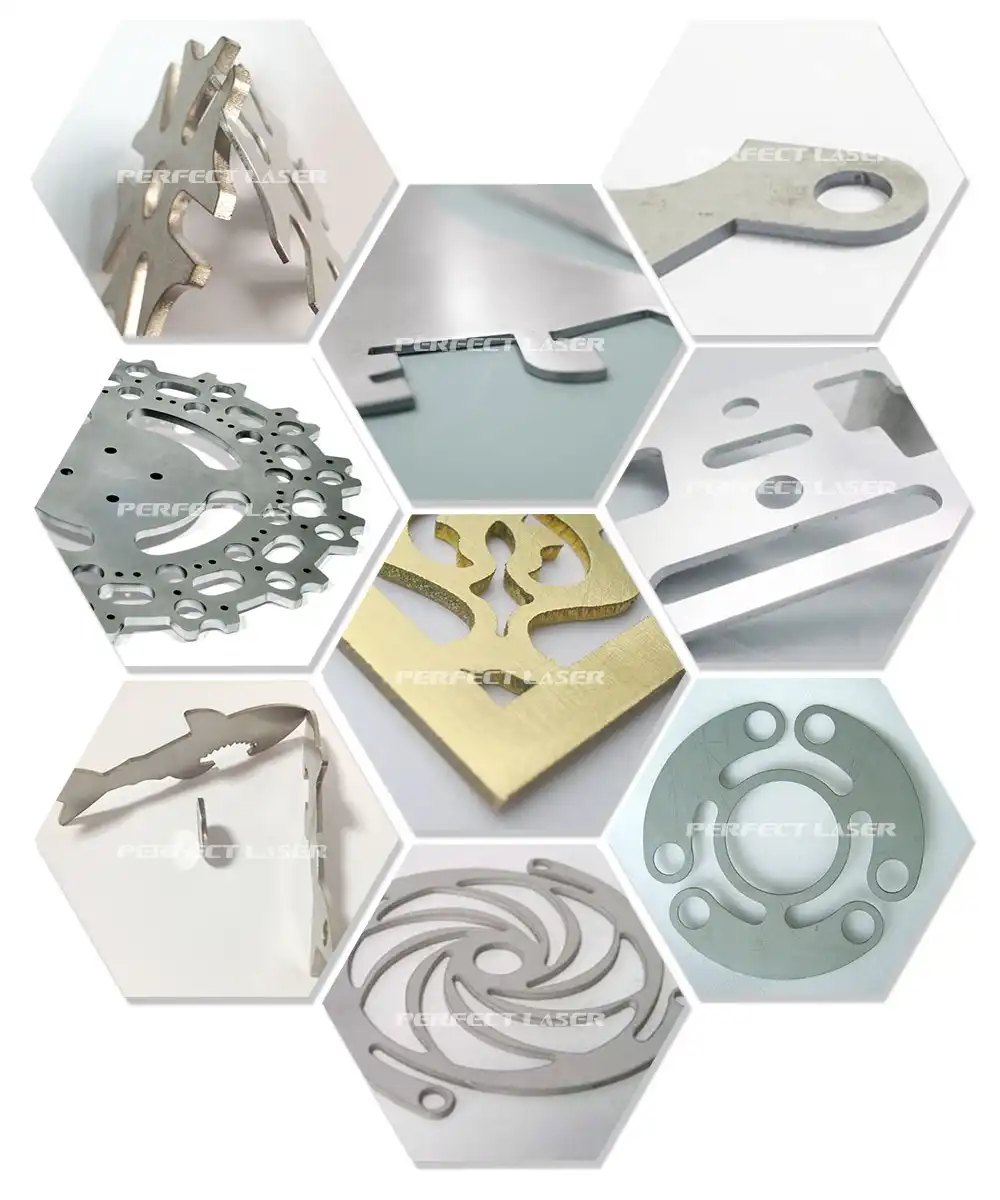
To choose the best cutting method, you need to carefully look at a number of performance factors. Many selection factors are based on production needs, so it's important to look at both present needs and growth projections for the future.
Power Output and Cutting Performance
Laser power has a big effect on how well it cuts and how quickly it makes things. Systems with 1500 to 6000 watts can handle different thicknesses of material and output numbers. Higher power levels allow for faster cutting speeds and handling of thicker materials, but they also use more energy and cost more to buy at first. By matching power needs to real production needs, over-specification can be avoided and peak demand times can be handled. Cutting speed has a direct effect on how much is made and how profitable the business is. Modern fiber laser systems can work at very high speeds while still being able to keep the precise limits needed for cleaning and putting together parts. Comparing speed requirements to real production needs helps find systems that are as efficient as possible without lowering quality standards.
Machine Configuration Options
The layouts of industrial fiber laser cutting machine configurations are very different depending on what they are used for. Entry-level systems are good for making prototypes and small amounts of products, while strong industrial platforms can handle ongoing operation needs in places that make a lot of things. Being aware of the difference between continuous wave and pulsed laser choices helps match the features of the technology to the needs of the cutting job. Productivity and practical freedom are affected by the size of the bed and how well it can move materials. Larger cutting beds can hold bigger workpieces and make nesting of multiple parts more efficient, which cuts down on waste and setup time. Automatic methods for lifting and unloading make high-volume processes even more productive.
Technology Comparison Analysis
Fiber laser technology has clear pros and cons when compared to other options such as CO2 lasers, plasma cutting, or waterjet systems. Although they may cost more at first, fiber lasers usually use less energy and cut metal faster and more efficiently than other options. Being aware of these trade-offs helps you make smart choices based on your business needs and spending limits.
Procurement Factors: Price, Warranty, and After-Sales Service
When investing, you need to think about more than just the initial purchase price. You also need to think about the total cost of ownership over the equipment's lifetime. Smart buying strategies weigh the costs that come up front against the rewards and support needs that will come up in the long run.
Comprehensive Cost Analysis
Prices for equipment depend on many things, such as the laser's power, how the machine is set up, the name of the brand, and the features that come with it. Knowing what's included in each price quote keeps you from having to pay extra during installation and testing. Full deals usually include installation services, training for operators, an initial supply of spare parts, and program licenses. Hidden expenses may significantly impact the cost of a laser cutting machinet. If you're budgeting for new tools, consider space preparation, air system improvement, and process changes.
Warranty and Support Considerations
Warranty terms and the level of service after the sale have a big effect on how long equipment works and how much it costs over its lifetime. A full warranty saves you from unexpected repair costs and makes sure you can get real replacement parts and trained service techs. Having local help cuts down on reaction times and costs related to downtime during repairs or maintenance. The services you offer should include both regular upkeep help and emergency repair services. Reliable makers keep full service networks with an inventory of parts that are easy to get and trained technicians who can quickly fix complicated system problems.
Financing and Negotiation Strategies
Businesses that buy from other businesses can get flexible financing options and negotiate big purchases that make managing cash flow easier and lower overall investment costs. Leasing agreements for equipment offer different ways to own it and keep cash on hand for other business assets. Companies that need more than one machine can save a lot of money on each one with volume savings and package deals.
Brand and Model Recommendations Based on Industry Needs
High-Power Fiber Laser Models for Heavy Industry
For demanding sectors such as automotive manufacturing, sheet metal processing, and construction machinery, a high-power fiber laser cutting machine (3000W–6000W) is essential for thick metal cutting and high-volume production. Perfect Laser offers advanced systems with high speed, precision, and stability, supporting materials like stainless steel, carbon steel, and alloy metals. These machines can efficiently process both flat sheets and complex tube types, including round, square, and rectangular pipes. While brands like IPG Photonics and TRUMPF provide premium laser sources, Perfect Laser delivers a more cost-effective and flexible solution for heavy industrial applications.
Mid-Power Solutions for General Manufacturing
For industries such as sheet metal fabrication, kitchen equipment, and machinery parts processing, a mid-power fiber laser cutting machine (1500W–3000W) provides an excellent balance between cost and performance. Perfect Laser offers efficient systems with high precision, low maintenance, and fast cutting speed, suitable for stainless steel, carbon steel, and alloy materials. These machines can process both flat sheets and various tube types, including round, square, and rectangular pipes. While brands like Raycus and JPT supply core components, Perfect Laser integrates them into reliable, cost-effective solutions for general manufacturing needs.
Tube and Sheet Integrated Models for Versatile Applications
For industries requiring flexibility, a fiber laser cutting machine with integrated tube and sheet processing is highly efficient. Perfect Laser provides versatile systems capable of cutting flat metal sheets and multiple tube types, including round, square, rectangular, and oval pipes. Suitable for stainless steel, carbon steel, and alloy materials, these machines enhance productivity across sectors like automotive, hardware, and machinery. While brands like TRUMPF offer high-end solutions, Perfect Laser delivers a more practical and cost-effective option with stable performance and easy operation.
Safety and Common Troubleshooting Tips
Safe operation guidelines and preventative repair methods keep people safe while also making technology more reliable and prolonging its life. Understanding common problems and how to fix them cuts down on downtime and keeps production levels steady.
Essential Safety Protocols
Safety and regulatory regulations must be followed while operating fiber laser systems. Laser radiation and metal debris may be avoided using safety eyewear and gear. Controlled cutting area access and operator training decrease accidents and ensure OSHA compliance. Cutting fumes and particles must be removed via ventilation systems for safe working conditions. Regular air quality monitoring and filter maintenance maintain environmental control system performance during unit operation.
Preventive Maintenance Best Practices
Regular maintenance extends laser cutter component lifecycles and cutting performance. Daily cleaning removes dirt that may degrade beam quality and cutting accuracy. Weekly optical component inspection detects errors before they affect manufacturing quality or cost money. Monthly calibration checks ensure consistent cutting accuracy and identify gradual changes in system performance that may require adjustment. Annual comprehensive inspections by qualified service technicians verify overall system condition and identify components approaching replacement intervals.
Common Issue Resolution
Beam misalignment is a common operational issue that causes variable cut quality or slower cutting rates. Professional optical system inspection and alignment prevent these concerns from influencing production quality. Power fluctuations may signal laser source or electrical supply faults that need prompt attention to avoid equipment damage. Operator manuals provide methodical troubleshooting for software failures and system connectivity issues. Most electronic system difficulties may be fixed by updating software and following diagnostic processes.
Conclusion
Selecting the right fiber laser cutting machine demands careful evaluation of technical specifications, operational requirements, and long-term business objectives. Understanding laser power needs, material compatibility, and production volume requirements guides decision-making toward systems that optimize performance while controlling costs. Reliable manufacturers offering comprehensive support services and proven technology platforms provide the foundation for successful equipment investments that enhance manufacturing capabilities and competitive positioning in demanding industrial markets.
FAQ
1. What laser power do I need for my specific materials and thickness requirements?
Material type and thickness determine laser power needs. For thicknesses up to 20mm, 3000W systems work well for carbon steel, while stainless steel may need 4000W or more. Due of reflection, aluminum cutting requires more power. Consulting with skilled manufacturers guarantees application-specific power choices.
2. How does fiber laser technology compare to CO2 systems in terms of efficiency and operating costs?
Fiber lasers provide 25-30% wall-plug efficiency compared to 8-10% for CO2 lasers. Energy efficiency and minimum maintenance keep operating expenses down. Fiber systems replace CO2's gas refills and complicated mirror alignments.
3. What are typical lead times for installation and commissioning of new equipment?
Standard delivery takes 8-16 weeks, depending on system complexity and customisation. Installation and commissioning take 1-2 weeks, including operator training and production setup. Schedule coordination between manufacturers and consumers facilitates easy deployment without disturbing production.
Contact Perfect Laser for Your Fiber Laser Cutting Machine Needs
Perfect Laser delivers advanced laser cutter solutions designed to meet diverse industrial manufacturing requirements. Our comprehensive range of laser cutter systems from 1500W to 6000W accommodates various material thicknesses and production volumes with exceptional precision and reliability. Equipped with premium laser sources from IPG, Raycus, Max Phoenix, JPT, and N-Light, our machines ensure optimal performance across carbon steel, stainless steel, and aluminum applications.Contact our technical team at [email protected] to discuss your specific requirements and explore our complete line of fiber laser cutting machine solutions that optimize productivity while reducing operational costs.
References
1. Industrial Laser Solutions Magazine. "Fiber Laser Technology Advances in Metal Cutting Applications." Manufacturing Technology Review, 2024.
2. American Welding Society. "Guidelines for Safe Operation of Laser Cutting Systems in Industrial Environments." Safety Standards Publication, 2023.
3. International Laser Safety Conference. "Energy Efficiency Comparisons: Fiber vs CO2 Laser Cutting Technologies." Technical Research Report, 2024.
4. Manufacturing Engineering Society. "Cost-Benefit Analysis of Modern Laser Cutting Systems for B2B Applications." Industrial Equipment Review, 2023.
5. Precision Manufacturing Institute. "Material Processing Capabilities of High-Power Fiber Laser Systems." Technical Application Guide, 2024.
6. Industrial Equipment Procurement Association. "Best Practices for Laser Cutting Equipment Selection and Implementation." B2B Procurement Guidelines, 2023.

share your inquiry, get the quotation accordingly.
第一张审核员说包含其他公司不能用_1755049724891.webp)
Perfect Laser – Global Manufacturer of Reliable Laser Solutions