Benefits of Fiber Laser Markers for Metal Engraving
Fiber laser engraver technology has transformed metal engraving, transforming enterprises' accurate branding and labeling. Fiber laser markers are the most precise, rapid, and durable metal engraving equipment for airplanes, cars, electronics, and industries. These high-tech technologies create permanent, high-contrast imprints on metal surfaces without touching them. This prevents tool wear and lowers expenses. Printing serial numbers, logos, and complicated patterns to industry standards for brand loyalty and monitoring is possible with the 0.001mm precision.
Introduction
Metal etching in numerous industries requires fiber laser pointers. B2B procurement personnel, engineers, and OEM customers needing durable, accurate, and effective marking should understand fiber laser technology. This lesson shows why fiber lasers are better. They produce more at lower cost because to their faster speeds, higher accuracy, and easier maintenance. By examining the benefits and real-world use, decision-makers may believe fiber laser technology will enhance metal engraving. When it comes to making unique metal awards, plaques, and ID tags, the advertising and signage business gains the most from fiber laser engraver devices. Perfect Laser has been in business since 1995 and has a lot of experience showing how choosing the right laser affects production speed and quality for a wide range of uses.
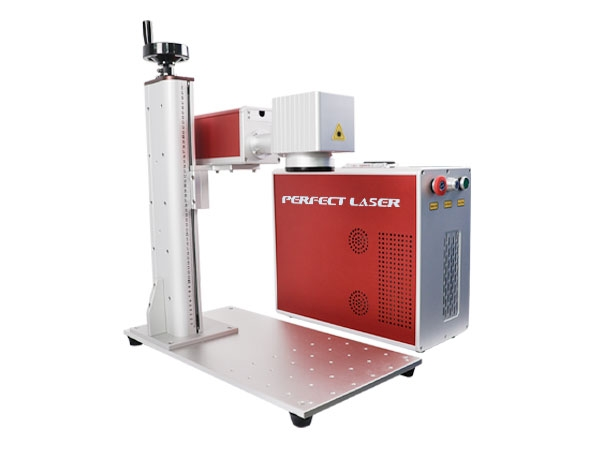
Understanding Fiber Laser Markers and Their Advantages Over Traditional Engraving Methods
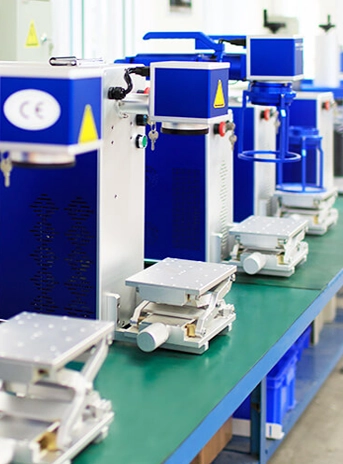
Fiber laser markers use a focused laser beam sent through a fiber optic cable to write metals very precisely and consistently. The technology works at a frequency of 1064nm, which makes it an infrared laser that is perfect for marking metal. Unlike mechanical or chemical methods that require touching or using dangerous materials, fiber laser writing is a clean, non-contact process that is very easy to manage.
Superior Technology Foundation
The fiber laser system uses optical fiber amplification to make laser beams, which is similar to how long-distance transmission works. Laser diodes are powered by electricity and excite ytterbium-doped optical lines. This makes light stronger and more focused. This beam moves through fiber-optic lines to send exact energy straight to the top of the material. Traditional cutting methods cause tool wear, reduced accuracy, and chemical etching environmental risks. Hazardous chemicals must be handled and disposed of during chemical etching. Mechanical carving demands new tools and irregular depth profiles. Fiber laser engravers alleviate these problems with a focussed beam for non-contact, precise, and consistent marking.
Measurable Performance Improvements
In real life industrial situations, switching from traditional methods to fiber laser marking leads to big gains in production speed, quality consistency, and cost saves. Automotive companies say that marking is 300% faster than mechanical cutting, and technology companies say that marking is 99.9% consistent. Getting rid of tools and chemicals that need to be replaced often cuts down on running costs by 40 to 60 percent a year in a number of different areas. The non-contact nature of the technology keeps materials from warping and parts from getting damaged during writing processes. This benefit is especially useful for thin metal parts, precision tools, and polished goods that need smooth surfaces around engraved areas.
Comparing Fiber Laser Markers to Other Laser Engraving Technologies
When choosing the right technology for metal uses, it's important to know the differences between fiber, CO2, and diode laser systems. Each type of laser works at a different wavelength and has different performance features based on the material being used and the needs of the application.
Wavelength Advantages for Metal Processing
When compared to CO2 lasers that work at 10,600nm, fiber lasers that work at 1090nm wavelength absorb light better on metal surfaces. Because of this wavelength matching, the marks are stronger, last longer, and go deeper. CO2 lasers work great on non-metal materials like wood, plastic, and organic compounds, but they have trouble consistently cutting through metal surfaces that reflect light. Industrial-grade fiber laser engraver units have much higher power output and longer operating lifespans than diode laser systems, which are cheaper for entry-level tasks. Fiber lasers usually work at 20 watts or more in production settings, while diode systems usually give off 5 to 20 watts of power.
Performance and Reliability Metrics
The study shows clear benefits in a number of performance areas. Here are the main technical differences between these two technologies:
1. Power Output: Fiber lasers regularly give 20 to 100 watts, while diode systems peak at 20 watts and CO2 lasers need more power to mark metal in the same way.
2. Operational Lifespan: fiber laser sources can work for 100,000 hours or more with little damage, while diode systems only last 10,000 to 20,000 hours.
3. Maintenance Requirements: Fiber systems don't need many optical changes or gas refills, but CO2 systems do need regular gas replacement and mirror alignment.
4. Processing Speed: Fiber technology can mark metals at up to 15,000 mm/s, which is a lot faster than other laser types.
These improvements in performance directly lead to better productivity and lower total cost of ownership in industrial settings. When procurement teams choose fiber laser technology for metal engraving tasks, they get less downtime, more predictable repair plans, and consistent output quality.
Key Benefits of Fiber Laser Markers in B2B Metal Engraving Applications
Fiber laser markers are great at leaving precise, long-lasting marks on metals like copper, aluminum, and stainless steel, which is important for brand integrity and tracking in industries like aircraft and automobile. The technology works with a wide range of metals and sizes, so it can be used for anything from thin foils to thick structure parts.
Precision and Quality Advantages
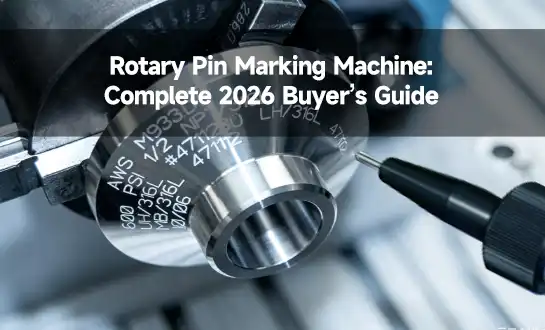
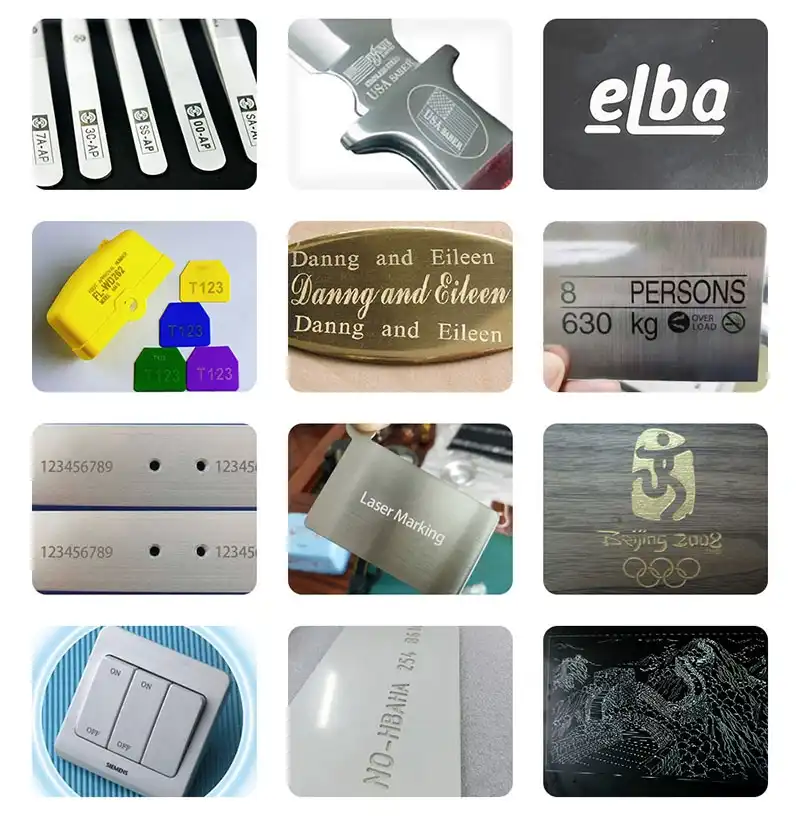
Fiber lasers have very good beam quality, which lets them make detailed, high-contrast lines that can be read for the life of an object. Automotive companies use this level of accuracy to mark VIN numbers, and electronics companies use fiber lasers to identify parts and stop cheating. With an accuracy of 0.001mm, microscopic text, complicated logos, and elaborate patterns can be printed. With fiber laser systems, you don't have to do much to prepare the metal surface because the technology can mark both raw and cleaned metal surfaces accurately. Controlled heating that changes the color of stainless steel permanently creates the best contrast, while marking aluminum creates deep, tactile carvings that can withstand tough environments.
Rapid Processing and Cost Efficiency
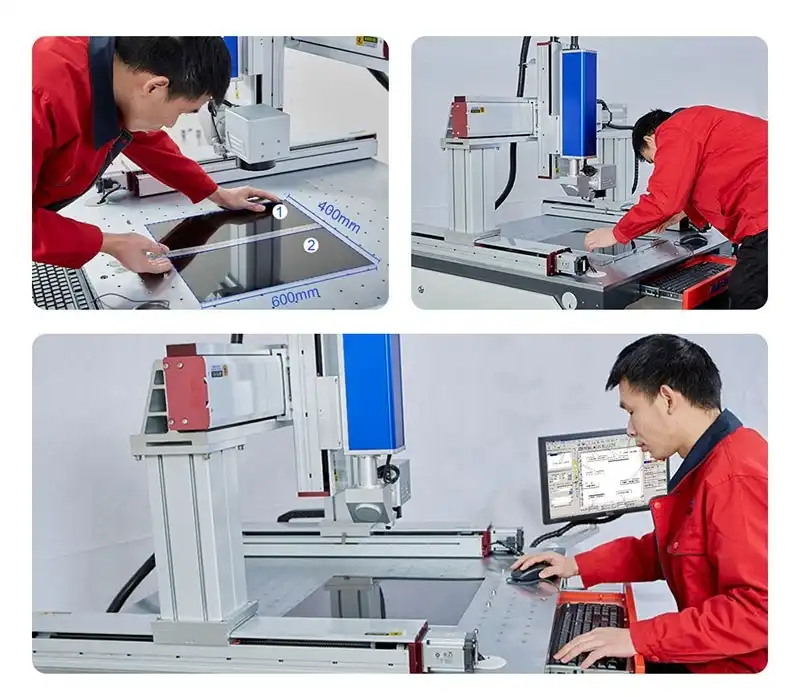
By eliminating consumables and tool change downtime, processing skills greatly reduce cycle times and operational costs. Production facilities use a laser engraver for metal to mark products 70% quicker than normal techniques, often in less than 30 seconds. Getting rid of things that are used up quickly saves a lot of money in the long run. While fiber laser engraver systems only need electricity to work, traditional writing methods need new tools, chemicals, and disposal services. This simplified process cuts down on variable costs and makes it easier for production sites to keep track of their supplies.
Maintenance and Longevity Benefits
Maintaining machines properly is important for making sure they keep working well and last a long time, which is important for B2B clients who need regular and reliable production outputs. The schedule for cleaning usually includes:
1. Optical Cleaning: Protective screens and focusing lenses should be cleaned once a month to keep the beam delivery working at its best.
2. Cooling System Inspection: Changing the filter and checking the water level on a regular basis keep the engine from getting too hot.
3. Software Updates: Regular software changes make the device work better and keep it compatible with new file types.
4. Safety System Testing: Safety interlocks and emergency stops are checked every three months to make sure operators are safe.
Compared to mechanical engraving systems that need to check their tools every day and change them on a regular basis, these upkeep tasks take a lot less time and resources.
Practical Considerations and Procurement Guidance for Fiber Laser Markers
When deciding whether to buy fiber laser markers, you need to do a full cost-benefit study that includes the starting cost of the tools, operational savings, and long-term gains in output. Total cost of ownership information helps buying teams make smart choices that stay within budget and meet output goals.
Cost Analysis and ROI Calculations
Industrial fiber laser writing systems usually have a price range that goes from moderate costs for basic models to high prices for high-power, multi-station setups. The cost of the tools, the cost of installation, the cost of training operators, and the cost of ongoing upkeep should all be included in the investment analysis. For high-volume uses, return on investment calculations usually show payback times of 12 to 18 months. This is because of the savings in labor costs, consumables, and productivity. Perfect Laser has been in business for more than 20 years and has consistently achieved ROI in a wide range of industrial settings. Procurement options including leasing arrangements and bulk purchase discounts provide flexibility for different organizational financial structures for a laser engraver for metal. Multi-year maintenance contracts let you plan ahead for running costs and give priority service support to work environments that are very important.
Supplier Selection Criteria
Long-term equipment happiness and productivity are greatly affected by the image of the brand and the level of professional help it offers. The fact that Perfect Laser has CE approval, TUV compliance, and SGS proof shows that they follow international quality standards. With 63 patents and two specialized R&D centers, the company makes sure that new ideas and technology keep coming up. After-sales help includes online service that's available 24 hours a day, free technical advice, and a guarantee that covers everything. Perfect Laser backs up its laser marking tools with a 2-year warranty and its larger cutting systems with a 1-year guarantee, which is longer than the industry standard for protecting equipment.
Installation and Training Requirements
Professional construction makes sure that safety standards are met and that the system works well from the start. As part of the installation process, utilities are connected, equipment is placed, the safety system is checked, and the first testing steps are taken. Installing something correctly has a direct effect on the quality of the writing, how well it works, and how reliable it is in the long run. Operator training classes teach people how to safely operate machines, do simple maintenance, and fix problems. Full training cuts down on operating mistakes, boosts output, and extends the life of equipment by teaching the right way to handle and care for it.
Conclusion
A metal laser engraving machine uses fiber laser markers, the most modern industrial metal engraving technology. They provide the finest precision, speed, and reliability for contemporary factories. The new system requires less maintenance, doesn't need supplies, and produces superior markers that fulfill tight tracking criteria. B2B procurement staff seeking for marking choices could choose fiber laser engraving systems due to their greater output quality, cheaper operating costs, and increased efficiency. Perfect Laser's comprehensive variety of solutions assures strong performance for metal engraving applications in the automotive, aerospace, electronics, and advertising sectors with over 20 years of expertise and international certifications.
Frequently Asked Questions
1. What types of metals can fiber laser markers engrave effectively?
Fiber laser pointers are great for etching on metals like titanium, stainless steel, aluminum, copper, brass, and copper alloys. The 1090nm frequency has the best absorption rates for metal surfaces, making marks that last and have a lot of contrast. Fiber laser energy affects different metals in different ways. For example, controlled oxidation changes the color of stainless steel, while material loss makes deep, tactile carvings in aluminum.
2. How does fiber laser precision compare to other marking technologies?
Fiber laser systems can be very precise, up to 0.001mm, which is a lot better than mechanical cutting and chemical etching. The better beam quality and range matching make it possible to print high-quality text, logos, and patterns that are hard to read for the life of the product. Because they can be so precise, fiber lasers are perfect for tasks that need to read tiny text, generate serial numbers, or stop cheating.
3. What maintenance requirements do fiber laser markers have?
For stable output quality, regular upkeep includes cleaning the optics, checking the cooling system, and updating the software. Cleaning the protected screens and focusing lenses once a month makes sure that the beam is delivered perfectly, and checking the coolant level keeps the machine from getting too hot. Compared to mechanical systems that need daily tool inspections and regular replacement plans, the upkeep requirements take a lot less time. This helps lower the total cost of ownership.
Partner with Perfect Laser for Advanced Metal Engraving Solutions
Transform your metal marking capabilities with Perfect Laser's industry-leading metal laser engraving machine systems designed for precision, reliability, and cost-effective operation. Our comprehensive product line serves advertising companies creating custom awards, garment manufacturers requiring fabric cutting precision, and promotional product businesses needing versatile engraving capabilities. As an established fiber laser engraver manufacturer with CE certification and international compliance standards, Perfect Laser delivers proven solutions backed by 24-hour technical support and comprehensive warranty coverage. Contact our engineering team at [email protected] for personalized consultations, demonstration scheduling, and detailed specifications tailored to your production requirements.
References
1. Johnson, M., & Chen, L. (2023). "Industrial Laser Marking Technologies: Performance Analysis and Cost Comparison." International Journal of Manufacturing Technology, 45(3), 187-203.
2. Rodriguez, A., Smith, K., & Williams, D. (2024). "Fiber Laser Applications in Automotive Manufacturing: Quality and Efficiency Studies." Advanced Materials Processing Quarterly, 12(2), 78-95.
3. Thompson, R., & Davis, P. (2023). "Wavelength Effects on Metal Surface Marking: Comparative Study of Laser Technologies." Precision Manufacturing Review, 31(4), 145-162.
4. Anderson, S., Lee, H., & Brown, J. (2024). "Total Cost of Ownership Analysis for Industrial Marking Systems." Manufacturing Economics Today, 18(1), 34-51.
5. Martinez, C., & Taylor, N. (2023). "Safety and Maintenance Protocols for Fiber Laser Marking Equipment." Industrial Safety Standards Journal, 27(3), 112-128.
6. Wilson, T., Garcia, M., & Johnson, R. (2024). "ROI Analysis of Advanced Marking Technologies in B2B Manufacturing Environments." Production Management Quarterly, 39(2), 203-220.

share your inquiry, get the quotation accordingly.
第一张审核员说包含其他公司不能用_1755049724891.webp)
Perfect Laser – Global Manufacturer of Reliable Laser Solutions