Asia Manufacturing Buyers’ Guide to China Laser Cutting Machine OEMs
To pick the best laser cutting machine from China OEM makers, you need to carefully consider the technology, the reliability of the provider, and the long-term costs of running the machine. This detailed guide tells you what you need to think about when looking for fiber and CO2 laser cutting tools, so you can find machines that can meet your business needs. Understanding the Chinese OEM landscape helps you make better purchasing choices that improve manufacturing efficiency and profitability, whether you need to cut thick steel plates for heavy machinery, precise sheet metal for car parts, or a variety of materials for custom fabrication.
Understanding Laser Cutting Machines: Basics and Benefits
How Laser Cutting Technology Works
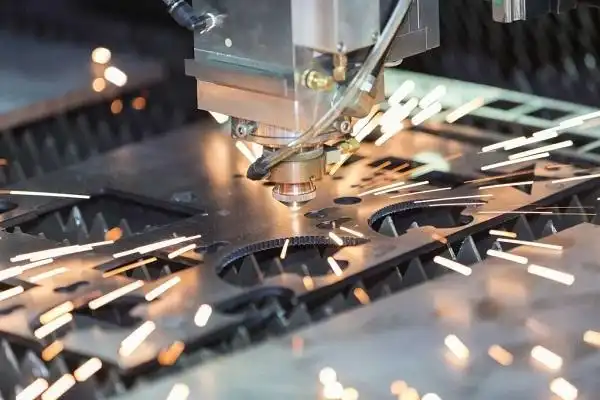
A laser cutting machine focuses a narrow light beam onto material surfaces, creating intense heat that melts, burns, or vaporizes the workpiece. This non-contact process delivers exceptional precision with minimal mechanical stress. Optical fibers or gas-filled tubes serve as gain mediums, while mirrors create optical cavities that amplify light intensity before focusing through specialized lenses onto the cutting plane. This technology enables complex shapes without physical tool contact.
Fiber Lasers vs. CO2 Lasers: Matching Technology to Application
Fiber laser systems use rare-earth-doped optical fibers generating 1060nm wavelengths, ideal for cutting metals including steel, aluminum, stainless steel, brass, and titanium. The shorter wavelength enables better absorption on reflective metals. CO2 laser cutting machines operate at 10,600nm infrared wavelengths, perfect for non-metallic materials like paper, leather, acrylic, and wood. Higher-power CO2 devices handle some metals, but their primary strength is processing organic and synthetic non-metals.
Core Advantages Driving Laser Adoption
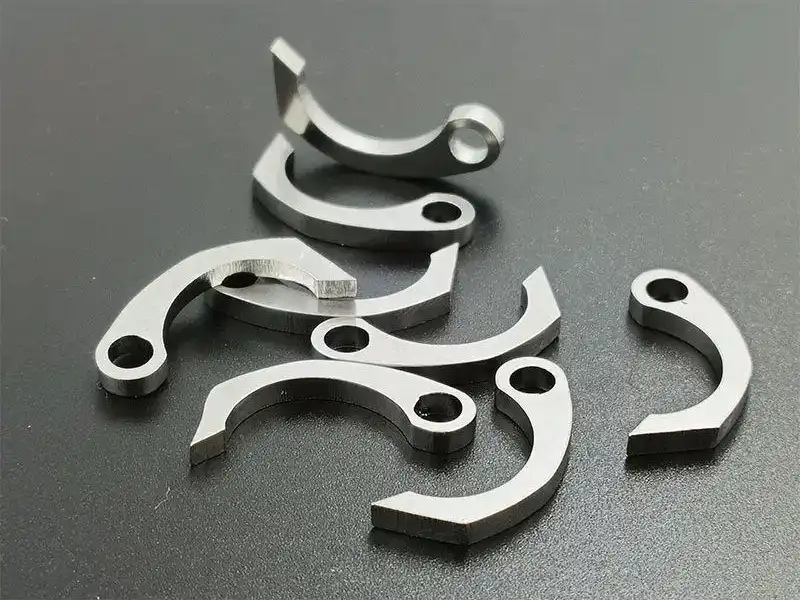
Fiber lasers cut carbon steel up to three times faster than conventional plasma systems. Cutting widths as small as 40 micrometers enable complex shapes impossible with mechanical methods. Clean, burr-free edges eliminate secondary finishing, saving labor and material costs. Fiber laser technology consumes significantly less energy than CO2 systems, directly reducing operating costs. Optimized nesting software and narrow kerf lengths increase raw material utilization by 15–25% for faster payback periods.
Navigating the China OEM Landscape: Types, Brands, and Quality Factors
Understanding OEM vs. Branded Supplier Models
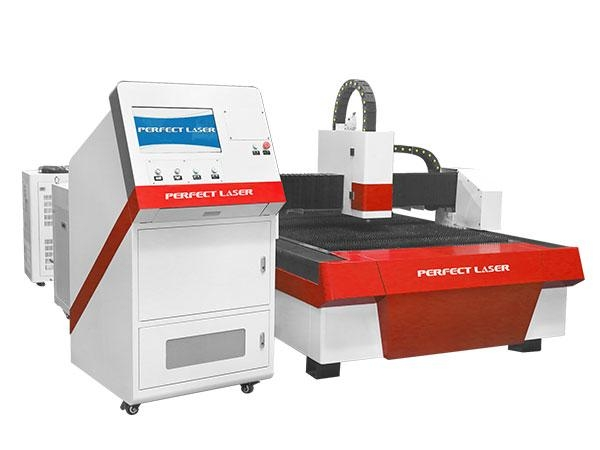
China's laser equipment industry includes both OEM manufacturers and branded distributors serving different buyer needs. OEM manufacturers like Perfect Laser design, engineer, and produce complete systems in their own factories, enabling competitive pricing and customization options. These companies typically conduct independent R&D and hold patents on their processes and component designs. Branded suppliers may source components from multiple manufacturers, adding value through service networks and application expertise.
Leading Chinese Laser Equipment Manufacturers
The Chinese laser cutting machine market is dominated by a few well-known brands, each with its own technological strengths. Han's Laser and other companies like it focus on high-volume production methods that use smart automation. Others are specialists in certain power ranges, types of materials, or industry areas, like making parts for cars or spacecraft.
Perfect Laser has been in business since 1995, and since then it has made a wide range of tools for laser cutting, etching, and marking. Our fiber laser cutting systems have laser sources from IPG, Raycus, Max Phoenix, JPT, and N-Light, which are all well-known brands. Their power ranges from 1500 watts to 6000 watts. This multi-source method makes sure that parts are available and lets customers match their performance needs with their budgets.
Quality Assurance and Certification Standards
Trustworthy Chinese OEM manufacturers pursue international certifications proving product safety, performance, and manufacturing consistency. CE certification demonstrates compliance with EU safety standards covering electrical safety, electromagnetic compatibility, and user protection features. ISO 9001 certification indicates systematic quality management across design, production, and service processes. TUV and SGS certificates provide third-party verification of product specifications. Request certification evidence and accredited lab test reports when evaluating potential suppliers.
Buying Guide: How to Choose the Best Laser Cutting Machine for Your Needs?
Assessing Your Production Requirements
Selecting the right laser cutting machine starts with honest assessment of production needs. Production volume directly influences machine specifications—high-volume manufacturers benefit from faster cutting speeds and automated material handling, while job shops value flexibility. Minimum power requirements depend on material type and thickness; cutting 20mm carbon steel requires significantly more wattage than processing 3mm stainless steel. Document your typical material mix, thickness ranges, part complexity, and annual volume targets before contacting vendors.
Critical Specification Parameters
Power output directly affects cutting capability—every 1000W increase roughly doubles carbon steel cutting capacity. Stainless steel and aluminum require more power for equivalent thickness due to different heat conductivity. Perfect Laser's 1500W systems cut carbon steel sheet metal up to 6mm thickness; 6000W systems handle plates exceeding 25mm. Cutting speed specifications require contextual understanding—request trial cuts in your materials. Accuracy specifications for quality industrial systems typically range between ±0.05mm and ±0.1mm with positioning repeatability ensuring batch consistency.
Evaluating Total Cost of Ownership
Purchase price represents only the initial expense for laser cutting equipment. Installation costs include electrical infrastructure upgrades and foundation preparation. Budget for extraction systems removing fumes and dust to protect operators and optics. Ongoing operating expenses include gas and electricity, consumable components, and scheduled maintenance. Fiber laser systems consume 30–50% less electricity than comparable CO2 lasers and require substantially less routine maintenance. Quality fiber laser sources last over 100,000 hours, avoiding CO2 tube replacement costs every 2–4 years.
Supplier Verification and Partnership Criteria
Doing your research on a laser cutting machine supplier saves your investment and ensures future support availability. Ask for factory tours or detailed video walkthroughs from your laser cutting machine supplier showing manufacturing processes, quality control procedures, and testing protocols. Established laser cutting machine suppliers operate R&D centers—Perfect Laser has two R&D centers and holds 63 patents on laser technologies and control systems. Thoroughly vetting your laser cutting machine supplier before purchase prevents costly issues and ensures long-term technical support when needed.
Check out the technical support system, making sure it has guarantees for reaction times, the ability to do diagnostics remotely, and a local service presence in your area. Perfect Laser offers online consultations 24 hours a day, 7 days a week, and has expert staff that speaks multiple languages. This makes conversation clear across time zones. Logistics for spare parts are very important. Suppliers with regional stores have less downtime than those who ship all of their parts from Asia.
Reference customer setups in situations like yours can tell you a lot about how well the product works in real life and how quick the provider is. Ask for the contact information of current customers who work in the making of cars, industrial machinery, or commercial fabrication that fits your business's description.
Maintenance, Safety, and Operational Best Practices
Preventive Maintenance Protocols
Regular repair plans for an OEM laser cutting machine extend machine life and prevent unexpected production stoppages. Daily tasks for an OEM laser cutting machine include checking protective lenses for contamination, verifying assist gas pressure and flow rates, and ensuring extraction systems maintain adequate airflow. To maintain beam quality and prevent thermal damage to optical components on an OEM laser cutting machine, clean protective windows weekly using manufacturer-recommended solvents and lint-free cloths. These maintenance steps keep your OEM laser cutting machine operating reliably.
Linear guide rails, rack and pinion gears, and cable carriers are all checked for signs of wear once a month as part of routine maintenance. Follow the manufacturer's instructions for lubricating moving parts. Too much lubrication will attract dust and debris, while not enough oil will speed up wear. Every three months, use precise measuring tools to check the accuracy of the setting and make changes to the servo parameters if the differences are too big.
Different technologies have different upkeep needs for laser sources. Fiber laser systems don't need much maintenance other than making sure the cooling system works properly. On the other hand, CO2 lasers need to have their gas mixtures checked and their mirrors cleaned on a regular basis. The dynamic laser focusing system at Perfect Laser changes the focal point automatically as the thickness of the material changes. This cuts down on the need for human adjustments and setup time between jobs.
Safety Standards and Operator Protection
Laser equipment has certain risks that need to be covered in detail safety rules. Class 4 laser systems are used for industrial cutting. Both direct beam exposure and specular reflections can burn the skin and hurt the eyes right away. Machine designs that are enclosed and have linked safety covers keep people from getting hurt while they're working. When entry doors open, the laser output stops automatically.
When doing repair or fixing, operators must wear laser safety glasses that are rated for the wavelength. Put up warning signs at the entrances to the building that show where laser danger zones are. Toxic fumes are taken away by proper ventilation systems. For example, metals give off particles, and plastics can make dangerous chemical compounds that need to be filtered or vented outside.
Emergency shutdown methods, fire suppression measures, and proper material handling for an OEM laser cutting machine should all be covered in training classes. Set up lockout-tagout procedures for maintenance work on your OEM laser cutting machine and ensure any stored energy is released before anyone touches electrical or mechanical systems. Safety audits performed regularly for your OEM laser cutting machine ensure ongoing compliance with updated regulations and manufacturer recommendations. These practices protect operators and equipment.
Optimizing Cutting Parameters for Material Performance
To get the best cut quality, you need to make sure that the laser's power, cutting speed, assist gas type, and focal point are all right for the material. Oxygen is used as an assist gas to cut carbon steel cleanly. This supports an exothermic process that makes cutting go faster at lower power levels. Stainless steel needs nitrogen assist to keep the edges from turning brown from rust. This is especially important for making food machinery and appliances.
Because aluminum is both highly reflective and thermally conductive, it needs more power and faster cutting speeds to keep heat from building up and warping thin parts. Mild steel has the most flexible cutting settings, which makes it perfect for people who are just starting to learn how to use a laser and improve processes. Perfect Laser systems have automatic edge-finding features that figure out where the item is placed, which cuts down on setup time and setting mistakes.
Nesting software makes the best use of materials by placing parts on sheet stock in the best way. With optimized layouts, waste rates drop from 30% to 15% or less. These programs figure out the best way to cut things so that the machine doesn't move too quickly and doesn't damage delicate parts when it gets too hot. Putting time into process improvement pays off in the form of lower material costs and higher productivity.
Conclusion
When you use structured evaluation criteria that focus on technology fit, supplier trustworthiness, and total cost of ownership, buying laser cutting machines from Chinese OEM manufacturers is a great deal. Fiber laser systems are the best way to cut metal because they use less energy, require little upkeep, and can cut metal at speeds that change the economics of production. It's important to know the differences between fiber and CO2 technologies, carefully match machine specs to your material needs, and work with well-known manufacturers who hold international certifications to protect your investment and set up your business for long-term competitive advantages. The Chinese laser equipment industry has matured substantially, with leading manufacturers now delivering world-class technology, comprehensive support infrastructure, and proven reliability across demanding industrial applications.
FAQ
1. What power level do I need for my metal cutting applications?
Power needs change depending on the type and thickness of the material. About 2000 to 3000 watts of fiber laser power are needed to cut 10mm carbon steel easily, while 4000-6000 watts are needed for 20mm plates to be cut at speeds that are good for production. For the same thickness, stainless steel and aluminum need about 50% more power than carbon steel. From making thin sheets to working with heavy structural steel, Perfect Laser's 1500- to 6000-watt range can handle it all.
2. How do I verify a Chinese OEM supplier's credibility?
Ask for copies of international certifications, such as CE, ISO, TUV, and SGS paperwork with proof codes that you can check on your own. Ask for customer recommendations from people in the same area and business as you. Check out the technical support infrastructure, making sure you understand the reaction times and spare parts that are available. Companies that have been around for decades, have multiple R&D facilities, and hold international patents have shown that they have consistently invested in technology development rather than just entering the market when they see an opportunity.
3. What ongoing costs should I budget beyond the initial purchase?
Expect to use between 30 and 60 kilowatt-hours of electricity per work shift, based on the system's power and duty cycle. Assist gas costs change a lot—for example, nitrogen for carbon steel costs a lot less than oxygen for stainless steel. Consumable parts like nozzles, protective lenses, and focus lenses need to be replaced every so often. CO2 tubes need to be replaced every 10,000 to 20,000 hours, while fiber laser sources for a laser cutting machine can work for 100,000 hours or more before they need to be serviced. Set aside about 5 to 8 percent of the buying price each year for repairs, replacement parts, and service contracts.
Partner with Perfect Laser for Advanced Metal Cutting Solutions
Perfect Laser has been an engineering company for 30+ years and makes industrial metal fabrication equipment, like fiber laser cutting machines for the rail transportation, construction machinery, food equipment manufacturing, textile machinery, HVAC production, elevator assembly, environmental equipment, and advertising fabrication industries. Our systems have laser sources from IPG, Raycus, Max Phoenix, JPT, and N-Light that range in power from 1500 watts to 6000 watts so that they can meet your performance needs and your budget.
We earned CE, TUV, and SGS certifications by putting our products through strict tests and setting up quality control systems that make sure they always work well. Automatic edge finding, dynamic laser focusing, and easy-to-use settings on our machines make them more accurate while cutting while reducing the time needed to train operators. Low operational costs, low upkeep needs, and high cutting speeds give makers who want to stay ahead of the competition a quick return on their investment.
Whether you need a laser cutting machine for sheet metal fabrication or specialized tube cutting capabilities for round pipes and square profiles, our technical team provides application-specific recommendations backed by material testing and process optimization. Contact Perfect Laser at [email protected] to talk about your production requirements with experienced engineers who understand the challenges facing heavy machinery manufacturers, automotive suppliers, and commercial fabrication operations across global markets.
References
1. Chen, M., & Wang, L. (2022). Industrial Laser Cutting Technology: Principles and Applications in Modern Manufacturing. Beijing: Mechanical Industry Press.
2. International Laser Technology Association. (2023). Global Laser Equipment Market Analysis and Regional Manufacturing Capabilities Report. Geneva: ILTA Publications.
3. Zhang, H., Liu, S., & Anderson, K. (2021). "Comparative Performance Analysis of Fiber and CO2 Laser Systems in Metal Fabrication." Journal of Manufacturing Processes, 68, 234-247.
4. Smith, R. (2023). The Complete Guide to Laser Cutting Equipment Selection and Procurement. New York: Industrial Press.
5. European Laser Safety Standards Committee. (2022). Best Practices for Industrial Laser Equipment Operation and Maintenance. Brussels: ELSSC Technical Publications.
6. Wu, J., & Thompson, D. (2023). "Total Cost of Ownership Models for Industrial Laser Cutting Systems." International Journal of Production Economics, 251, 108-122.

share your inquiry, get the quotation accordingly.
第一张审核员说包含其他公司不能用_1755049724891.webp)
Perfect Laser – Global Manufacturer of Reliable Laser Solutions