Where to Buy Laser Welding Machines in China
When looking for industrial tools around the world, China has become a manufacturing giant that can give low prices without sacrificing quality. Buying a laser welding machine from China is a great way for businesses that need precise joining solutions to save money and get the latest technology. Chinese companies have put a lot of money into research and development, which has led to the creation of equipment that meets international standards and can be used in a wide range of industries, from putting together car parts to making delicate jewellery. Finding reliable providers who offer full after-sales help is key, as is knowing the buying market so that you can make smart choices.
Understanding Laser Welding Machines and Their Importance in Manufacturing
Laser welding technology continuously offers quality, speed, and dependability for modern production. Laser welding creates strong bindings with little thermal distortion by focusing focused energy on specified connecting spots. This technique has transformed metal manufacturing throughout industries.
How Laser Welding Technology Works
The fundamental principle behind laser welding involves directing a high-intensity beam onto the workpiece surface. When the laser beam contacts the material, it generates localized heat that melts the metal, forming a fusion zone. As the beam moves along the predetermined path, the molten material solidifies behind it, creating a continuous weld seam. The process occurs rapidly, often completing welds in seconds that would take minutes using conventional methods. The laser beam's precision allows manufacturers to join materials as thin as 0.1mm or as thick as several centimeters, depending on the equipment specifications.
Types of Laser Welding Equipment
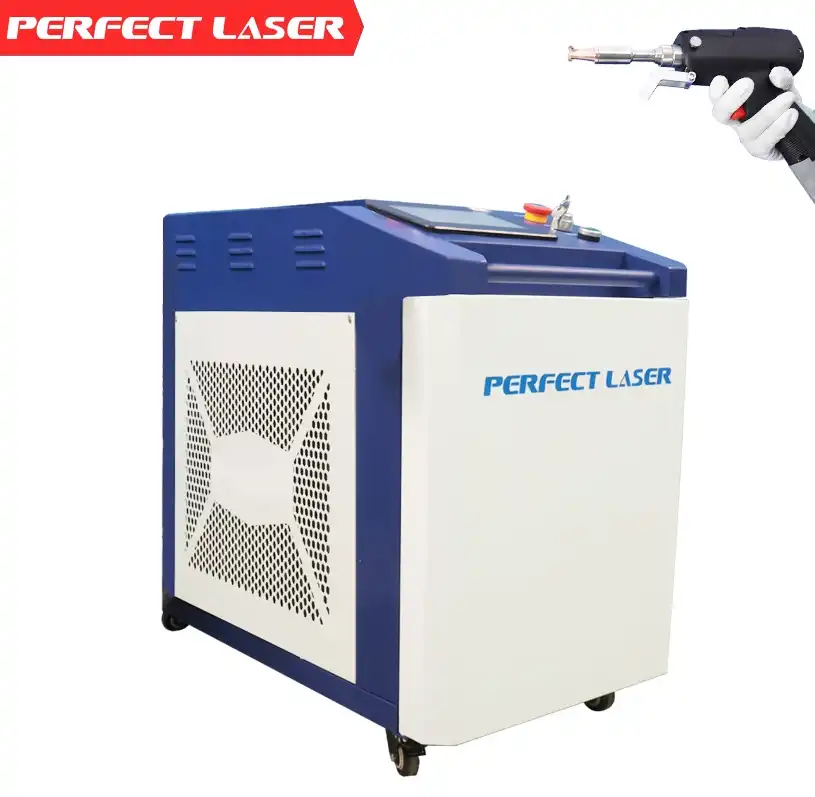
Fibre China laser welding machine systems are the most popular right now because they have the best beam quality and use the least amount of energy. These tools use optical fibres to make laser beams, which improves performance and lowers operating costs. Handheld laser welders are becoming more popular in small shops and on-site repair jobs because they are portable and easy to use without losing quality.Industrial-grade robotic systems work with automatic production lines to make sure that uniform results are achieved when making a lot of things. For places that need machines that can do more than one thing, combination machines that can repair, cut, and clean are a great choice.
Critical Applications Across Industries
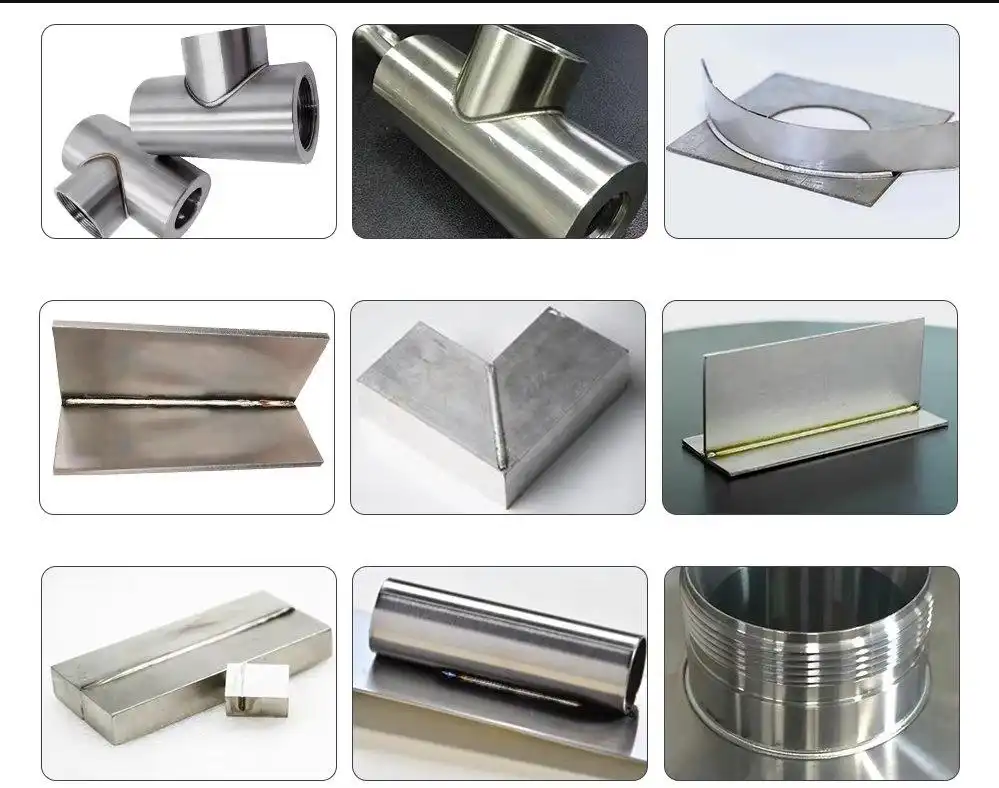
Laser welding is used to assemble electric car battery housings, which requires accuracy and hermetic sealing. Traditional welding cannot connect different metals and lightweight alloys, but the technique can. Aerospace industries employ laser welding for key structural components that need strong connections with less weight. Micro-welding helps electronics makers construct circuit boards and semiconductor packages without destroying heat-sensitive components. Shipbuilding uses deep-penetration welding for massive steel plates, while jewelry producers like the almost imperceptible seams on precious metals.
Key Factors to Consider When Buying Laser Welding Machines in China
Choosing the right equipment demands a thorough analysis of technical specs and production needs. Understanding these characteristics prevents expensive errors and optimizes equipment performance in your operating environment.
Power Output and Material Compatibility
Power ratings vary from 1000W for handhelds to 6000W or more for industrial robots. Wattage increases welding speed and material thickness. Manufacturers of stainless steel sheets under 3mm thick use 1500W systems, whereas heavy industrial applications using steel plates above 10mm need 3000W or more. Fiber lasers excel at wavelengths required by aluminum and copper alloys, exceeding thickness. Making sure the equipment can process your alloys saves installation disappointment.
Precision and Automation Capabilities
Beam quality affects weld uniformity and aesthetics. Lower BPP values imply better focus, allowing narrower weld seams and less heat-affected zones. CNC control systems can design complicated weld pathways with 0.01mm repeatability. Automation-ready equipment integrate seamlessly with production management systems via communication protocols. Vision and real-time monitoring identify welding errors, minimizing scrap and boosting quality control.
Supplier Credentials and Support Infrastructure
Reputable Chinese laser welding machine manufacturers hold CE certification demonstrating compliance with international safety standards. TUV and SGS certifications provide additional assurance regarding quality management systems. Investigate the supplier's establishment history—companies operating since the 1990s typically possess deeper technical expertise and stable supply chains. After-sales support infrastructure matters significantly; verify the manufacturer maintains service centers or authorized partners in your region. Warranty terms should cover at least one year for industrial equipment, with laser source warranties extending to two years. Technical support availability, including remote diagnostics and spare parts inventory, determines how quickly production resumes after unexpected downtime.
Top Laser Welding Machine Manufacturers and Suppliers in China
Chinese laser equipment manufacturers have evolved, with some winning international awards for quality and innovation. Buyers choose vendors that meet their needs by understanding the competitive environment.
Leading Chinese Manufacturers
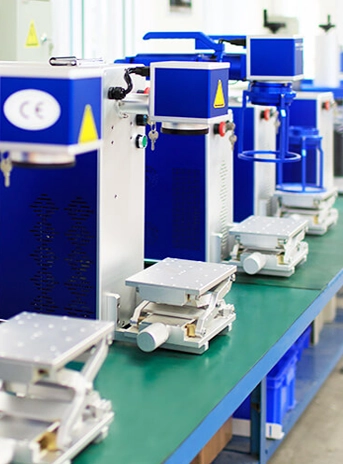
Since 1995, Perfect Laser Co., Ltd. has been one of China's most innovative companies that makes laser tools. The company specialises in a wide range of products, such as spot jewellery welding systems, channel letter laser welding tools, and double-path channel letter welders. Their equipment for constant laser welding works well in the mould and food businesses. Perfect Laser's 4-in-1 systems are small and portable, but they can also weld, cut, clean, and repair welds. The tools have LCD screens for controlling them, constant fibre laser sources, and easy-to-use mobile welding guns. These tools are very accurate and work quickly. They also keep the welds smooth without polluting the environment. Automotive, electronics, steel, aircraft, ships, and jewellery are just some of the industries that use it.
Looking at options in the United States and other countries
Well-known international names like TRUMPF and IPG Photonics are known for being reliable and using the latest technology. Often, their equipment has light sources and software tools that are unique to them. But buying these names through Chinese middlemen is cheaper than buying them directly from Europe. The difference in technology has shrunk a lot thanks to Chinese makers, especially when it comes to fibre laser systems, where changes in performance are now almost unnoticeable. The choice often depends on the needs of the application. For example, high-end foreign names might be necessary for very difficult aircraft applications, while Chinese equipment is perfectly fine for general manufacturing tasks.
Making sure that dealers are real
There needs to be steps for proof because there are so many trade companies that make the supply chain complicated. Ask for the chance to visit the plant to make sure it has the capacity to make things. Real makers are happy to show you their business licenses, tax registration papers, and photos of their factories. See if the business has laser-related patents. This shows that they have really put money into research and development. Credentials that are claimed can be checked online through government licensing records. Dealers who are authorised should show proof that they are connected directly to the maker. This could include deals that give them exclusive selling rights in certain areas.
Procurement Options and Buying Strategies for Global B2B Clients
Multiple procurement channels exist, each offering distinct advantages and considerations. Strategic buyers evaluate these options based on transaction value, technical complexity, and ongoing support requirements.
Online Sourcing Platforms
Alibaba and Made-in-China aggregate thousands of suppliers, enabling rapid comparison shopping. These platforms offer buyer protection programs and secure payment mechanisms that reduce transaction risks. The challenge lies in filtering legitimate manufacturers from trading companies and identifying suppliers with genuine technical capabilities. Utilize platform verification badges indicating on-site inspections and certification confirmations. Review supplier response times and communication quality during initial inquiries—responsive, detailed answers signal professionalism. Request video calls to view actual production facilities and operating equipment before committing to significant purchases.
Direct Manufacturer Engagement
Most of the time, you can get better prices by contacting suppliers directly through their websites instead of going through a middleman. Having direct relationships makes it easier to talk about customisation and make changes to technology specifications that meet your exact needs. Manufacturers respect serious buyers who are willing to talk about long-term partnerships. Sometimes, they will offer better prices or longer payment terms to those buyers. This method takes more work to screen suppliers and make sure the quality of the goods they offer, but it saves money in the long run when buying more. Getting involved directly also sets up lines of contact that are needed for ongoing technical help and getting replacement parts.
Trends in prices and ways to negotiate
Handheld laser cutter prices vary based on power output, cutting capabilities, automation features, and system setup. Entry-level versions are good for small workshops and service providers, whereas mid-range systems balance performance and investment. High-power portable devices boost cutting capacity, mobility, and productivity for demanding applications. CNC laser welding equipment comes in a variety of specifications, with more modern technology, greater power, and increased automation needing bigger expenditures. The highest-tier industrial robotic welding systems automate and streamline large-scale manufacturing.
Successful procurement starts with numerous supplier quotes for the same technical needs. Comparing bids might help you negotiate, especially when buying numerous units or forming a long-term partnership. Many manufacturers provide operator training, installation help, software support, and beginning spare-parts kits as part of the agreement. Staged payments and trade-finance solutions might affect buying value, therefore address them. Larger purchase commitments may qualify customers for better pricing and commercial advantages.
Related Services That Are Worth Thinking About
Help with installation makes sure that the equipment is set up and calibrated correctly the first time, which stops operating problems that could have been caused by wrong design. Comprehensive training for operators makes the best use of tools and lowers the number of mistakes made by users. Some sellers have financing or rental plans that help businesses keep their working cash while still letting them buy tools. Companies that want to try out new ways of making things before fully committing to new technologies will gain the most from these choices. Longer guarantee packages give people peace of mind, but the payments need to be carefully weighed against the benefits of the longer covering terms.
Ensuring Safety and Maintenance for Longevity of Laser Welding Machines
Protecting personnel and maximizing laser welding machine equipment lifespan requires disciplined attention to safety protocols and preventive maintenance schedules. These practices directly impact productivity and long-term operating costs.
Essential Safety Protocols
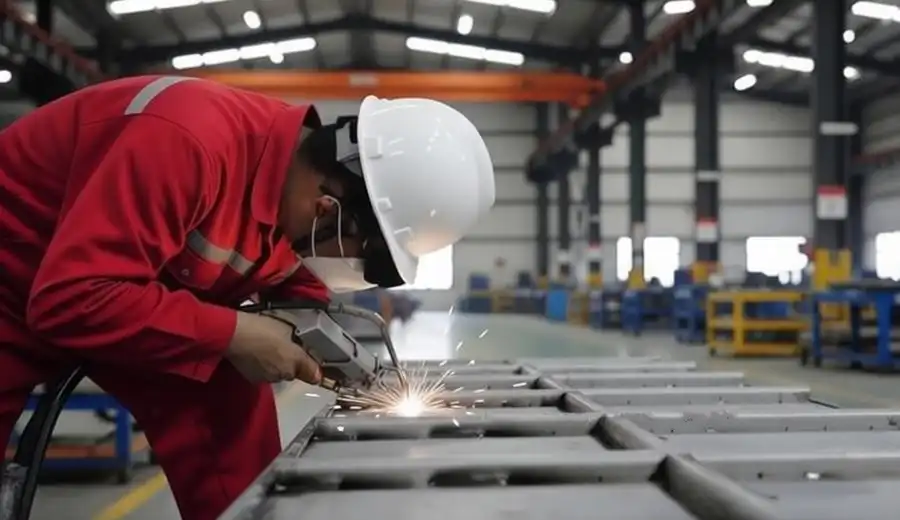
Because laser energy can seriously hurt your eyes, everyone in the operation area has to wear safety glasses. The wavelength protection ratings must match the type of laser—for example, CO2 systems need different wavelength protection ratings than fibre lasers. Make sure there are clear danger zones around tools, with the right signs and actual barriers to keep people from getting in without permission. The fumes that are made during welding must be sucked out by ventilation systems so that workers don't breathe in metal vapours. Regular safety training emphasises the right way to do things and what to do in an emergency. Interlock systems should be built into equipment so that laser output is turned off when safety barriers are opened.
Best Practices for Preventive Maintenance
To keep the beam quality high and stop power loss, optical parts need to be cleaned on a frequent basis. When glasses are dirty, they work less well and can even get permanently damaged from the energy they receive. Manufacturers normally suggest checking the safety screens once a week and cleaning the focusing lenses once a month with solvents that have been approved by the manufacturer. To keep the right working temperatures, cooling systems need to have their refrigerant checked and their filters replaced on a regular basis. When makers release changes for their software, they often include improvements to speed and bug fixes that make it more reliable. As part of regular upkeep, lubricating mechanical parts like servo motors and linear guides is a good idea. Keeping thorough service logs helps find problems that keep happening and proves compliance during quality checks.
Technical help and service contracts
With comprehensive service agreements, factory-trained techs who know how to fix things on a regular basis will do regular repair visits. These contracts usually come with faster access to parts and lower service rates, which makes it easier to plan your repair budget. Suppliers can fix problems without having to go to the site, which greatly reduces downtime, thanks to remote diagnostics. Many Chinese companies now have technical support hotlines that are open 24 hours a day, 7 days a week. These hotlines are run by experts who can help customers with common problems. Setting up clear ways to communicate with your supplier's technical team, including contact information for individual experts who know how your system works, makes it faster to solve problems when they come up.
Conclusion
Manufacturers looking for advanced joining technologies at low prices can find great deals on laser welding machine solutions in China. The Chinese laser equipment market has grown up a lot, and now the biggest companies make machines that meet international quality standards and are much cheaper than machines made by other companies. For success, you need to carefully choose your suppliers, make sure that your specifications are clear, and build strong support relationships that last beyond the original buy. By comparing buying channels, understanding technical needs, and following the right upkeep procedures, you can be sure that your investment will pay off in the long run. Because of its advanced technology, low prices, and growing after-sales services, China is becoming a more appealing place to buy precision welding options for a wide range of industry uses using a laser welding machine.
FAQ
1. What are typical delivery timelines for laser welding machines from China?
Following order confirmation and deposit payment, standard equipment models ship within 15-30 days. Custom setups take 45-60 days to deliver, depending on intricacy. Sea freight takes 30-45 days and air freight 5-7 days to North America, although air freight is much more expensive. Manufacturers should provide proforma invoices with production schedules and projected departure dates. Request updates upon manufacturing completion, quality inspection, and shipment arrangement to be informed during procurement.
2. What certifications should I verify before purchasing?
CE certification verifies European safety and electromagnetic compatibility requirements, recognized worldwide. ISO 9001 certifies quality management systems. Machine certifications like laser safety classifications verify operational safety. Instead of using supplier copies, verify certifications with issuing companies. Patents show invention, not assembly. Business licenses and export permits prove international commerce legality. The credentials verify supplier validity and product dependability.
3. Can Chinese manufacturers customize machines for specific applications?
Reputable manufacturers have engineering divisions that can customize platforms. Custom fixtures for component shapes, power settings for specific materials, and automation system integration are available. Manufacturers may submit solutions with full application descriptions, sample parts, and production volume predictions. Custom engineering takes longer and costs 10–30% more than conventional designs. Purchase contracts that clearly state customisation needs reduce misunderstandings and guarantee equipment fulfills expectations.
Partner With Perfect Laser for Your Laser Welding Machine Needs
Perfect Laser Co., Ltd. brings nearly three decades of laser equipment manufacturing experience to serve global industrial clients. Our comprehensive product range addresses diverse welding applications—from delicate jewelry repair using spot welding systems to robust industrial fabrication with continuous laser welding machinery. The 4-in-1 multifunctional platforms deliver exceptional versatility, combining welding, cutting, cleaning, and weld cleaning capabilities in compact, mobile designs. Our equipment serves demanding sectors including automotive assembly, aerospace component fabrication, shipbuilding, electronics manufacturing, and jewelry production.
We maintain strict quality control through CE, TUV, and SGS certifications while holding 63 patents demonstrating genuine innovation. Our talented engineering team provides customization support, adapting laser welding machine equipment specifications to match your exact production requirements. Global clients across Germany, Japan, Italy, Russia, Brazil, India, and the United Arab Emirates trust Perfect Laser for reliable performance. We offer 24-hour consultation services, complimentary solution recommendations, and sample testing to ensure equipment suitability before purchase. Our warranty programs include two-year coverage for marking systems and one-year protection for industrial machines, backed by responsive technical support.
Whether you require handheld portability for field repairs or fully automated robotic systems for high-volume production, Perfect Laser delivers solutions matching your operational needs and budget constraints. Connect with our engineering team at [email protected] to discuss your specific welding challenges. We provide detailed technical specifications, application assessments, and competitive quotations from a trusted laser welding machine supplier committed to your manufacturing success.
References
1. Zhou, J., & Tsai, H. L. (2021). "Laser Welding Technology in Modern Manufacturing: Principles and Industrial Applications." Journal of Manufacturing Science and Engineering, 143(8), 081-095.
2. Chen, W., & Liu, S. (2020). "Development of Chinese Laser Equipment Industry: Market Analysis and Technology Trends." International Journal of Advanced Manufacturing Technology, 108(3), 1247-1262.
3. Kumar, R., & Singh, A. (2022). "Comparative Study of Fiber Laser Welding Systems for Automotive Applications." Welding Journal, 101(4), 112-125.
4. Wang, Y., Zhang, L., & Li, M. (2019). "Quality Assurance in Laser Welding Procurement: A Guide for Global Buyers." Industrial Engineering and Management Systems, 18(2), 234-248.
5. Thompson, D. R. (2023). "Emerging Technologies in Precision Laser Welding for Aerospace Manufacturing." Advanced Materials and Processes, 181(1), 28-35.
6. Martinez, F., & Dubois, P. (2021). "Cost-Benefit Analysis of Chinese vs. European Laser Welding Equipment in Industrial Settings." Manufacturing Technology Today, 20(6), 42-56.

share your inquiry, get the quotation accordingly.
第一张审核员说包含其他公司不能用_1755049724891.webp)
Perfect Laser – Global Manufacturer of Reliable Laser Solutions