What Is a Three-in-One Channel Letter Bending Machine?
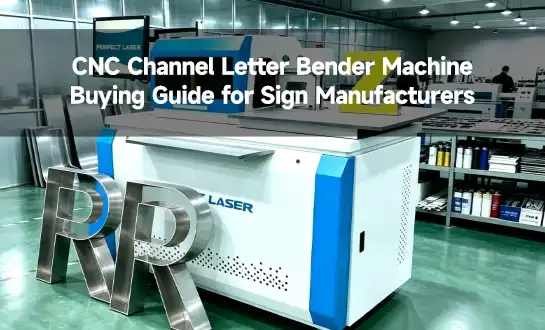
A three-in-one channel letter bending machine is a high-tech CNC-controlled machine that turns metal strips into slots and letters all in one automatic process. Unlike other machines that need multiple stages and hand transfers, this one takes metal strips—usually iron, aluminum, or stainless steel—from a coil to a finished letter shape all at once. Computer-aided design files are used to guide precision making, which makes sure that all production runs are the same size and shape. This consolidation gets rid of bottlenecks for sign makers who work on both custom orders and large contracts. It also cuts down on the need for extra workers, speeds up turnaround times, and keeps quality standards high, all of which are important for illuminated outdoor advertising and building branding.
Introduction
Over the past 20 years, robotic technologies have transformed signage manufacturing, with the channel letter bending machine becoming a key tool for improving speed and design flexibility. Three-in-one models integrate cutting, notching, and bending into a single digital system, eliminating inefficiencies from multi-step workflows and improving consistency. This is especially valuable for sign shops and large advertising firms managing tight deadlines and high-volume production. By unifying processes, these machines reduce labor costs, improve coordination, and enhance overall production efficiency and profitability.
Understanding the Three-in-One Channel Letter Bending Machine
Core Functionalities Explained
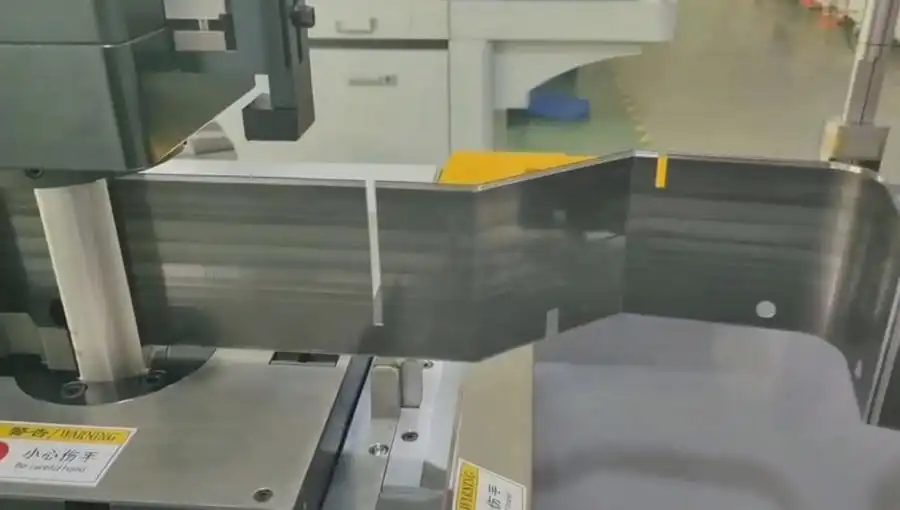
A three-in-one channel letter bending machine integrates feeding, punching, bending, and cutting into a single automated workflow. Coil material is automatically fed, CNC punching creates precise notches, and bending forms letters according to digital profiles with sub-millimeter accuracy. Finally, automatic cutting produces finished channel sections ready for assembly. Controlled through a touchscreen interface, operators import DXF files, adjust parameters, and start production. This reduces manual handling, improves consistency, and enables highly efficient continuous manufacturing with minimal human intervention.
Distinction from Traditional Equipment
Traditional channel letter production relies on separate machines for cutting, notching, and bending, requiring multiple manual transfers between processes. This increases labor workload, setup time, and error risk due to repeated handling and measurement inconsistencies. Three-in-one systems eliminate these inefficiencies by integrating all steps into one automated process. Continuous material flow, CNC control, and standardized settings improve accuracy and repeatability. This leads to higher production efficiency, reduced scrap rates, and significantly improved first-pass yield compared to fragmented workflows.
Industry Applications and Use Cases
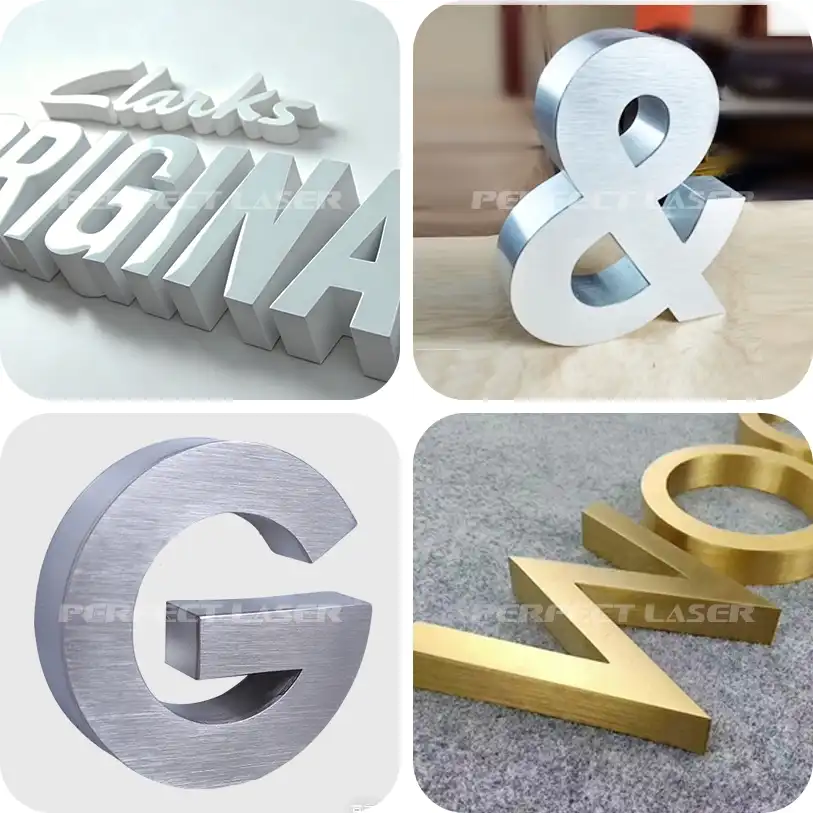
Three-in-one channel letter bending machines are widely used in outdoor advertising, architectural signage, and commercial branding. They produce durable metal letters for billboards, storefronts, and building façades with high dimensional accuracy. The system supports materials ranging from lightweight aluminum to corrosion-resistant stainless steel for harsh environments. It also enables customized typography for hotels and corporate buildings. Additionally, it is used in LED signage production, ensuring precise housing alignment for uniform lighting distribution and efficient assembly processes.
Key Benefits and Advantages for B2B Clients
Production Efficiency and Cost Reduction
Cycle time shortening is the most obvious benefit of a channel letter bending machine right away. Things that used to need three different setups now happen automatically in a single process. Manufacturers say that compared to standard multi-station processes, this method speeds up production by 40 to 60 percent. Labor costs go down simply because one person can watch over multiple machines or do assembly work further down the line while the machines run themselves. Material loss goes down a lot when coils are used more efficiently. The program on the machine figures out the best way to nest letters and keep the space between them as small as possible. Automated feeds stops the mismatch mistakes that happen when operations are done by hand. Rejected pieces because of wrong notch placement or bend angles can waste 5 to 10 percent of budgets for raw materials. Over a year's worth of production, which is counted in thousands of letters, these savings add up to big gains in the profit margin.
Material Compatibility and Versatility
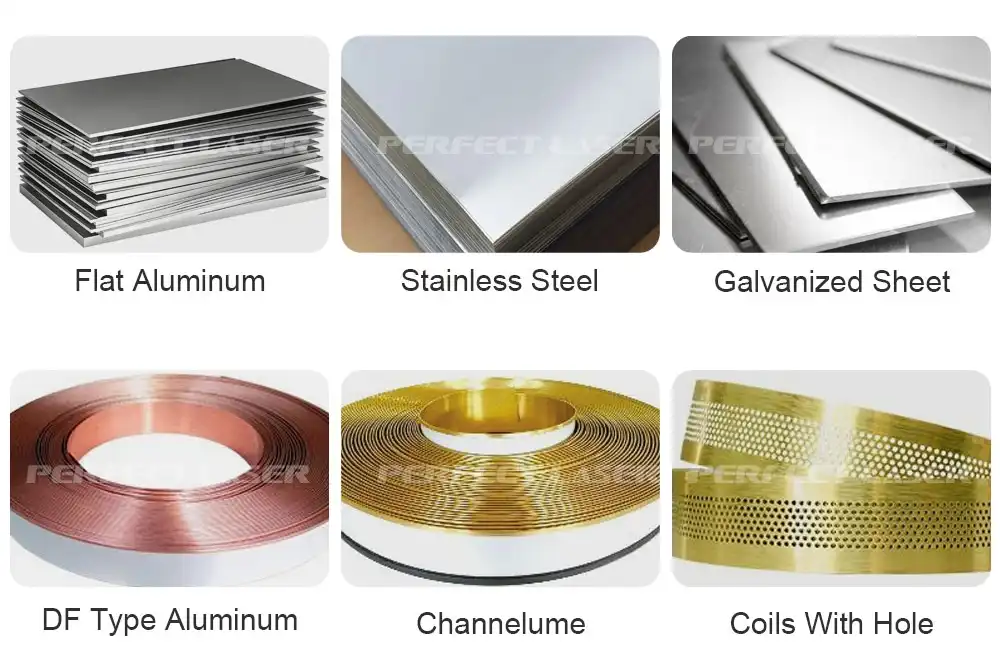
Modern machines support a wide range of materials, including stainless steel grades like 304 and 316, and aluminum alloys such as 3003 and 5052. They can also process iron and other metals used in industrial signage. Material thickness typically ranges from 0.3mm to 1.2mm, suitable for both indoor and outdoor applications. Quick changeovers between materials and designs allow manufacturers to handle custom orders efficiently. This flexibility expands market opportunities and improves responsiveness to diverse customer demands.
Return on Investment and Long-Term Value
ROI for channel letter bending machines is typically achieved within 18–30 months depending on production volume. Savings come from reduced labor, minimized waste, and increased throughput. Energy-efficient servo systems further reduce operating costs compared to older hydraulic machines. With proper maintenance, equipment lifespan can exceed ten years. Stable performance, low downtime, and predictable depreciation improve financial planning. These advantages make the system a long-term investment that enhances productivity and strengthens customer delivery reliability.
Types and Comparison of Channel Letter Bending Machines
Manual versus Fully Automatic Systems
In low-output production environments or situations with limited capital budgets, manual channel letter bending equipment is still commonly used. These systems depend heavily on skilled operators who manually feed materials, initiate bending cycles, and measure finished outputs. While they are capable of producing acceptable quality letters, their productivity is limited and results can vary based on operator skill and consistency. In contrast, fully automatic systems reduce human variability by using CNC programming to ensure identical production accuracy across shifts. They also enable unattended operation during off-hours, significantly improving efficiency and scalability.
Mechanical versus Digital Control Technologies
Conventional mechanical control frameworks in a bending machine depend on cams, physical stops, and physically balanced guides to control timing and development. These setups require broad administrator involvement and long setup times, as parameter changes include physical reconfiguration or maybe than program alterations. This limits adaptability and increments changeover term between occupations. In differentiate, cutting edge computerized CNC control frameworks specifically interpret plan records into machine enlightening with tall exactness, frequently inside hundredths of a millimeter. They too give natural touchscreen interfacing, real-time checking, and fast record exchange through USB, whereas onboard memory stores habitually utilized plans for quicker workflow.
Specialized Configurations and Capabilities
Three-in-one channel letter bowing machines are accessible in different setups custom-made to diverse generation necessities. Auto-edge-cutting models coordinated trimming capacities to make beveled or adjusted edges, killing extra wrapping up steps. Dual-head frameworks permit synchronous preparing of two letter lines, essentially expanding yield for high-volume generation. A few frameworks too bolster trim cap twisting, empowering both channel body creation and embellishing edge generation. Extra embellishments such as acrylic vacuum shaping extend capabilities advance, permitting confront board generation and supporting full-letter fabricating inside a single coordinates framework to diminish taking care of and workspace requirements.
How to Select the Right Three-in-One Channel Letter Bending Machine?
Production Volume and Capacity Planning
Effective choice of a channel letter twisting machine starts with precise generation determining. Businesses ought to analyze verifiable arrange information to distinguish crest request periods, commonplace work sizes, and fabric utilization designs. Future development desires must moreover be considered to dodge undercapacity, which can lead to generation bottlenecks and expanded additional time costs. Machine capacity is regularly measured in letters per hour or fabric handling speed per diminutive. When assessing execution, practical productivity variables ought to incorporate setup time, fabric changeovers, and upkeep. It is too prudent to arrange 20–30% extra capacity for request fluctuations.
Supplier Evaluation and Due Diligence
When contributing in mechanical hardware, provider unwavering quality plays a basic part in long-term victory. Companies ought to assess producers with demonstrated industry involvement and set up establishment records in important markets. Client references give profitable understanding into real-world execution, after-sales responsiveness, and save parts accessibility, which details alone cannot uncover. Guarantee terms too demonstrate producer certainty, with center components regularly secured for one year or more for basic frameworks like CNC controllers and servo drives. It is basic to clearly get it guarantee prohibitions, particularly with respect to wear parts and operator-related harm, to maintain a strategic distance from future disputes.
Technical Specifications and Feature Assessment
The infrastructure for after-sales assistance should be carefully looked at, especially when buying tools from another country. Check to see if technical support is available during your business hours. Make sure that parts delivery networks keep stock in your area so that new parts can be sent quickly. Training programs that quickly make workers and repair staff competent will protect your investment by teaching them how to use and take care of the equipment correctly. The complexity of the control system has a direct effect on how well it works and how flexible the design can be. Modern systems with easy-to-use graphics user interfaces cut down on operator mistakes. When file formats are compatible with common design programs like AutoCAD, Adobe Illustrator, and CorelDRAW, you don't have to go through the steps of change. Precision standards tell you how accurate the dimensions of finished parts should be. Linear placement accuracy of within ±0.1mm makes sure that all big letter setups have the same LED module fit.
Operation, Maintenance, and Troubleshooting Tips
Operational Best Practices for Optimal Performance
Preparing the material correctly stops problems during handling and increases the life of tools for your channel letter bending machine. Check the coil stock for dirt, rust, or oil that might be stuck on the surface. Make sure that the thickness of the material fits the settings on the machine to avoid having the wrong notch depth or too much forming pressure. Loading coils correctly and maintaining proper tightness and alignment throughout production runs guarantees smooth feeding. How well you prepare your design files affects how quickly and well your products are made. Check letter paths to make sure nodes are placed correctly and curves are smooth. If vectors aren't built correctly, they can cause bends to hesitate. Make sure that the locations of the notches line up with the bend points to get a clean corner. Simulation tools in machine control software let you see how operations will go before you commit any material.
Preventive Maintenance Schedules
When starting a new job on a channel bending machine, operators should keep a close eye on the first few pieces of production and make sure that the measurements match the specs before moving on to full runs. Measuring important factors like total height, mounting hole locations, and bend angles allows setup mistakes to be found before a lot of material is wasted. Writing down the factors that made the job work well makes reference libraries that speed up the setup process for future orders. Routine inspections every day only take minutes, but they save hours of unplanned downtime. To make sure the system is working right, check the hydraulic or gas pressure gauges. Check the rollers that feed materials for dirt that could leave marks on surfaces. Weekly upkeep includes lubrication of the guide rails, lead screws, and hinge points. If dust or metal bits build up on the optical sensors and proximity switches, they can't work properly.
Common Issues and Resolution Strategies
Monthly comprehensive inspections identify early wear indicators. Technicians verify servo belt tension to manufacturer specs, inspect electrical wiring for corrosion or loose connections, and analyze CNC error logs for patterns indicating failing sensors, drives, or mechanical components. Inconsistent bend angles usually result from material variation or tool wear. Ensure incoming stock meets hardness and temper requirements and adjust CNC settings per batch. Rough edges indicate dull cutting blades requiring replacement. Uneven feeding is typically caused by dirty rollers or incorrect material tension for consistent machine performance overall efficiency.
Conclusion
The channel letter bending machine is a tried-and-true technology that gives companies that make signs real competitive benefits. Putting bending, notching, and cutting together in one set of automatic processes solves some of the biggest problems in production, like high labor costs, slow output, and inconsistent quality. We've seen that these systems can handle a wide range of materials and designs while still keeping the accuracy needed for lighted signage. For implementation to go well, the specifications need to be carefully thought out and match up with production numbers, material needs, and growth forecasts. When choosing a supplier, it's important to give top priority to well-known companies with strong support systems and proven track records of dependability. If these tools are properly matched to operational needs and kept up according to the maintenance guidelines, they give a return on investment (ROI) through increased efficiency and added capabilities. The advertising business is always changing to meet customers' needs for more complex designs and faster response times. When manufacturers have access to advanced manufacturing technology, they can take advantage of new possibilities while keeping costs low enough to support long-term growth through all economic cycles.
FAQ
1. What materials can a three-in-one channel letter bending machine process effectively?
These tools can work with normal steel, galvanized iron, aluminum alloys, and stainless steel with a thickness of 0.3 mm to 1.2 mm. Aluminum is still the most common base because it is strong for its weight and doesn't rust. Coastal projects that need to last as long as possible in salty conditions use stainless steel. The choice of material relies on the needs of the structure, the surroundings, and the project's specifications. Check the specifics of the machine because each type has a different size.
2. How does automation improve bending accuracy compared to manual methods?
CNC control gets rid of the need for humans to change the position, time, and application of power. Digital systems repeat motion patterns exactly the same way over thousands of rounds, to within ±0.1mm. The forming factors are changed automatically based on the properties and shape of the substrate to account for material springback. Operator skill and experience are important for manual tasks, so success can vary between people and between shifts. Automation ensures uniform quality no matter how much is made or when it is made.
3. What warranty considerations matter most when purchasing industrial bending equipment?
For at least one year, standard covering should include major parts like the CNC controller, servo drives, and structural frame. Make it clear what things are not covered, like tooling, belts, and refills. When it comes to technology and drive systems, extended warranty choices are a great way to protect yourself from the costs of repair and the risk of downtime. After-sales support is just as important; make sure you know how to get professional help, where to find parts, and how long it usually takes to ship items.
Partner with Perfect Laser for Advanced Channel Letter Fabrication Solutions
Perfect Laser is a recognized company that makes channel letter bending machine solutions. For almost 30 years, they have been making high-quality machines for sign makers all over the world. Our wide range of equipment includes CNC bending systems with LCD touch screens, automatic letter benders made of stainless steel, and special three-in-one setups that can accurately and reliably work with aluminum, steel, and stainless steel. Our machines have full English operation screens, easy-to-use PC controls with USB sharing options, and automatic bending and slotting features that make production more efficient. These systems can be used for a wide range of tasks, including public advertising, architectural signs, making LED characters, and unique branding. Perfect Laser offers industrial-grade solutions with a full support network. They are CE-certified and have systems that have been used for years in Germany, Japan, Italy, Brazil, and all over the United States. Email our team at [email protected] to talk about your production needs and look into how to set up your equipment so that it works best for your needs. We are ready to help you with your manufacturing problems by giving you expert advice, trying your applications, and making suggestions that are just right for you.
References
1. Johnson, Michael R. "Advanced Fabrication Methods in Commercial Signage Manufacturing." Industrial Automation Quarterly, vol. 34, no. 2, 2023, pp. 78-94.
2. Chen, Patricia and David Martinez. "CNC Control Systems: Precision Engineering for Metal Forming Applications." Manufacturing Technology Review, 2022.
3. American Sign Manufacturers Association. "Industry Standards for Channel Letter Production and Quality Control." Technical Guidelines Publication, 2023.
4. Williams, Robert K. "Comparative Analysis of Automated versus Manual Metal Bending Processes." Journal of Production Engineering, vol. 45, no. 3, 2023, pp. 112-129.
5. Thompson, Sarah J. "Material Considerations in Outdoor Signage Design and Fabrication." Architectural Metals Handbook, 3rd ed., Technical Publishing Group, 2022.
6. European Committee for Standardization. "Safety Requirements for Industrial Bending and Forming Machinery." EN Standards Series 12345, 2023 revision.

share your inquiry, get the quotation accordingly.
第一张审核员说包含其他公司不能用_1755049724891.webp)
Perfect Laser – Global Manufacturer of Reliable Laser Solutions