What Is a Laser Glass Cutting Machine and How Does It Work
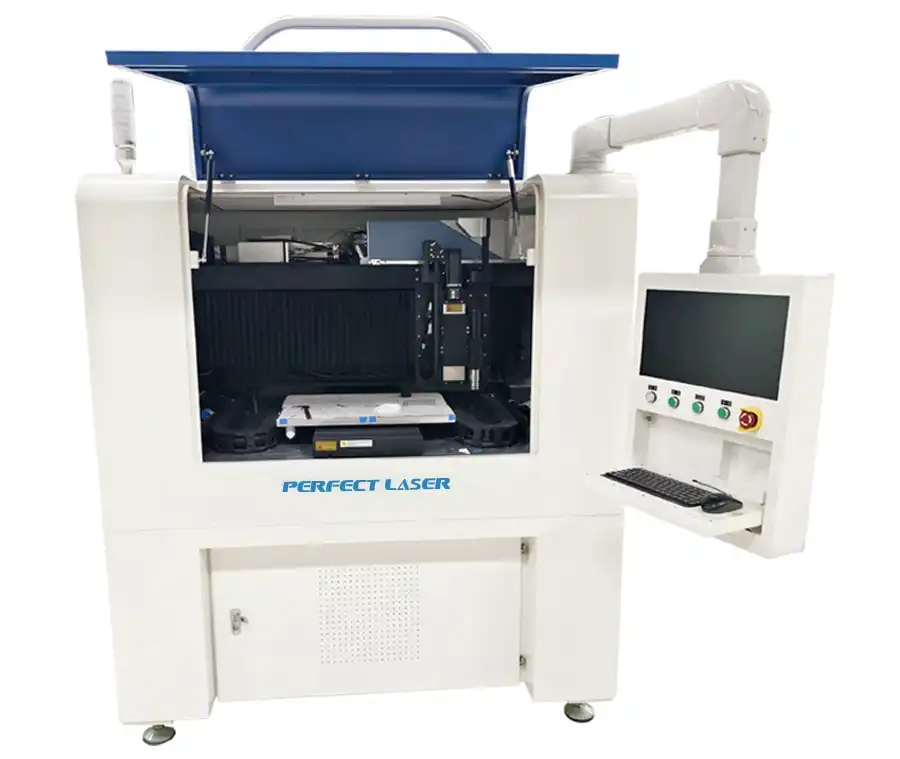
A laser glass cutting machine is a high-tech industrial machine that uses a directed laser beam to cut different kinds of glass precisely. Usually, the system includes a laser source, CNC control parts with stepper or servo motors, and smart software that guides the whole cutting process. This technology creates a controlled thermal effect at the molecular level, which lets makers make lines that are smooth and free of cracks on a wide range of materials, from very thin display glass to thick building panels. Modern systems have human-machine interfaces that let workers immediately tweak the cutting parameters for maximum efficiency and accuracy in tough production settings.
Understanding Laser Glass Cutting Technology
Core Components and System Architecture
Every laser glass cutting machine relies on three core subsystems working in coordination. The laser source generates a high-energy beam, while precision motion control components guide the cutting path with micrometer accuracy. A CNC control system acts as the central processor, translating digital designs into precise mechanical movements. Integrated together, these systems deliver extremely high positioning accuracy compared with conventional mechanical cutting technologies, enabling stable performance, repeatable results, and efficient production of complex glass shapes across industrial manufacturing applications worldwide with consistent industrial output quality and scalability ensured.
Primary Laser Types for Glass Processing
Two main laser types dominate industrial glass processing applications today. CO2 lasers operate at around 10,600 nanometers and excel at cutting non-metal materials. They remain the preferred option for standard glass cutting due to reliability and versatility. Their longer wavelength interacts effectively with glass molecular structures enabling efficient heat transfer. Fiber laser technology is more modern and delivers higher electrical efficiency with reduced maintenance requirements. Its shorter wavelength allows precise processing for coated glass and ultra-fine applications. Many companies combine both systems to balance cost efficiency, material compatibility, and performance requirements effectively in diverse industrial environments consistently optimized.
Comparison with Traditional Cutting Methods
Traditional glass cutting methods rely on mechanical scoring that creates controlled surface cracks through physical pressure. While inexpensive for straight cuts, it struggles with complex curves and introduces material stress. Waterjet cutting processes many materials but operates slowly and produces wider kerfs increasing waste. Laser processing eliminates physical contact preventing micro-fractures and contamination while enabling complex geometries beyond mechanical capabilities. Without tool wear, operational costs decrease while productivity increases significantly over long-term use in modern manufacturing systems globally in practice.
How Laser Glass Cutting Machines Operate?
The Thermal Cutting Process Explained
When a laser beam strikes glass it creates a microscopic heating zone only a few hundredths of a millimeter wide. Energy rapidly raises temperature above the breaking point while surrounding areas remain cool. This thermal expansion generates controlled stress that propagates along the cutting path to separate material cleanly. Cut quality depends on precise control of laser power, cutting speed, and focal positioning. Each parameter influences heat distribution and determines edge condition. Proper optimization ensures smooth separation without damage in industrial production settings consistently.
Processing Different Glass Types
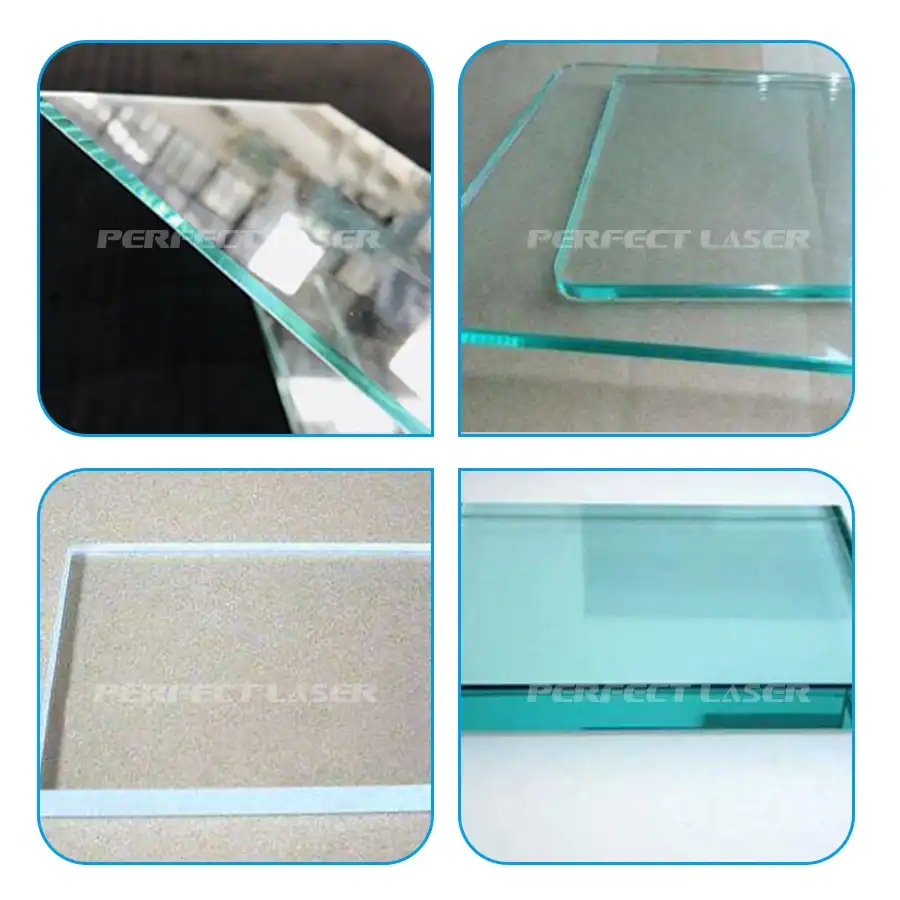
Float glass used in windows and displays can be processed across a wide range of thicknesses. Its uniform composition ensures consistent response to parameters making it suitable for mass production. Tempered glass introduces challenges due to internal stress from manufacturing processes requiring careful handling. Borosilicate glass behaves differently due to thermal expansion requiring adjusted settings. Pulsed laser modes are preferred for sapphire and optical materials. Parameter libraries enable fast switching between materials, reducing setup time and improving efficiency across manufacturing systems today globally including mobile automotive and architectural applications.
Intelligent Control Systems
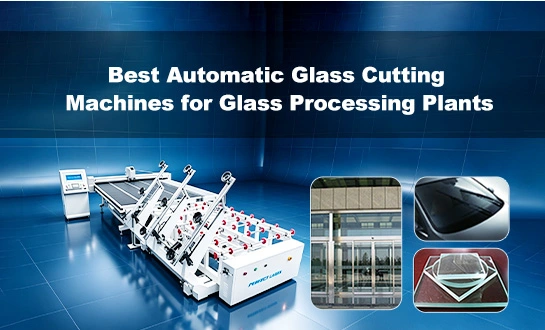
Modern laser glass cutting machines have easy-to-use touchscreens that show cutting settings and material state in real time. The system instantly creates toolpaths that are the best for quality and efficiency after operators import designs straight from CAD software. On bigger tools, multiple cutting heads can work at the same time, which greatly increases production output.
The intelligence goes as far as predicting when repair needs to be done. Sensors check the state of the laser tube, the cleanliness of the lens, and the patterns of mechanical wear to let workers know about problems before they affect the quality of the work. This preventative method cuts down on unplanned downtime, which is what workers always say is their biggest worry when checking the dependability of equipment for tight production plans.
Advantages and Practical Considerations
Key Benefits for Manufacturing Operations
Speed is one of the most obvious benefits. With modern systems, cuts that used to take hours can be made in just minutes, which has a direct effect on output capability. This speed is combined with very high accuracy—tolerances of less than 0.05 mm are common—which lets tight-fitting parts be made without having to do extra work on the machine.
Cutting down on material waste saves a lot of money over time. Because the kerf width is small, more finished parts can be made from each raw sheet. This is especially helpful when working with expensive specialty glasses. Complex geometries that would be hard or too expensive to make with mechanical cutting can now be made easily, giving product development teams new ways to build their products.
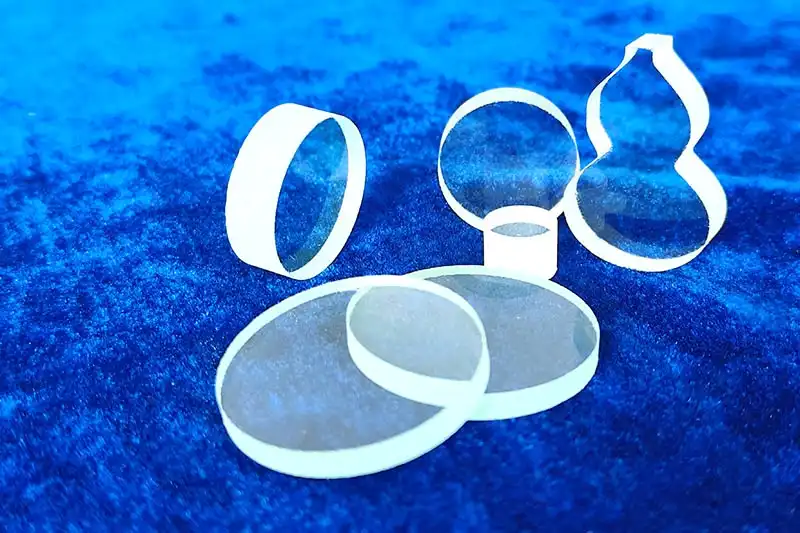
Here are the core advantages this technology brings to production facilities:
- Operational Flexibility: The same equipment can handle 0.2 mm display glass and 10 mm building panels, so various product lines don't require separate machines. Multiple cutting heads maximize tool utilization by working on multiple shapes simultaneously.
- Environmental Performance: The approach fulfills tighter environmental requirements by not polluting water or producing chemical waste. Compared to mechanical cutting, noise is minimal, improving the workplace without soundproofing.
- Edge Quality: Fewer cleaning steps save time and money and speed up product delivery. Stress-free, smooth edges make the product stronger and better-looking, so fewer buyers will return it for edge issues.
These features directly solve problems that advertising firms face when making custom signs, clothing makers when cutting out complicated fabric patterns, promotional product companies when working with different kinds of materials, and testing operations that need to make changes to designs quickly.
Investment and Operational Considerations
Acquiring a glass laser cutting machine requires significant investment, though costs have decreased with technological advancement. Buyers should evaluate total cost of ownership rather than purchase price alone, including energy consumption, spare parts, maintenance, and lifespan exceeding ten years. Operator training varies by system complexity; basic skills can be learned in days, while advanced optimization requires experience. Safety compliance is essential, including protective barriers, ventilation systems, OSHA standards, and regular inspections to ensure safe long-term industrial operation.
Technological Evolution and Market Trends
Fiber versus CO2 Laser Systems
Fiber laser technology improves energy efficiency and lowers operational costs over CO2 systems. It cuts power use and eliminates laser tube changes, reducing maintenance. CO2 lasers work for thick materials and coated glasses with lesser initial expenditure. Fiber is used for precise activities and CO2 for general-purpose and heavy-duty glass production in many industries.
Automation and Smart Manufacturing Integration
AI optimises laser cutting settings using previous production data, decreasing trial-and-error setup time. Machine learning systems modify on the fly to maintain quality despite material or environmental changes. IoT connection allows remote monitoring, diagnostics, and predictive maintenance, enabling personnel to fix problems remotely. Mobile devices allow managers to monitor machine performance, enhancing scheduling accuracy and decreasing downtime in multi-shift or multi-facility production situations that need high operational efficiency.
Sustainability and Energy Efficiency
Sustainability constantly improves laser energy efficiency and waste minimization. Newer equipment uses 20–30% less energy, lowering operating expenses and environmental effect. For improved cutting, advanced beam delivery systems convert energy more efficiently. Manufacturers develop systems for at least 10 years of use and recyclability. Modular updates prolong equipment life, eliminating industrial waste and protecting capital investment.
Selecting and Maintaining Your Equipment
Critical Evaluation Criteria
The laser power of a glass cutting machine varies on the application, from thin display glass to massive architectural panels. Correct specifications reduce expense and underperformance. Cutting speed should be assessed in actual production, not only at maximum ratings. Accuracy promises must incorporate repeatability and long-term stability, not simply factory calibration. When feasible, buyers should test equipment with their own materials to verify real-world performance and industrial production quality.
Maintenance Best Practices
Maintaining beam quality and protecting glass requires regular optical component cleaning. Workload and environment should determine maintenance schedules. To maintain accuracy, calibrate weekly in high-use situations or quarterly in lighter operations. Modern systems often calibrate automatically. Predictive bearing and belt replacement prevents unexpected downtime, assuring long-term operation and great production efficiency.
Conclusion
Businesses can make smart technology investments that put them ahead of the competition if they know what a laser glass cutting machine is and how it works. These high-tech systems use precise mechanics, advanced optics, and smart controls to get cutting quality and production efficiency that aren't possible with traditional methods. Modern laser glass cutting machines offer clear performance benefits, whether you're making promotional items that need to have designs changed often, clothes that need to have intricate patterns that must be matched perfectly, signs that need to be made quickly and in a variety of ways, or prototypes that need to be made from more than one material. As automation, connectivity, and ecology get better, technology keeps changing. These changes increase possibilities while lowering costs. By carefully comparing your specific needs to the choices that are available and being realistic about the total cost of ownership and the level of support that the provider can provide, your business can choose equipment that gives it the most value over its entire operational life.
FAQ
1. What materials can these machines process beyond glass?
Contemporary tools can deal with acrylic, wood, leather, certain textiles, and other plastics. Companies that handle a variety of items benefit from CO2 lasers' non-metallic capabilities. The energy and strength of fiber lasers determine their capacity to cut metals and glass. Always test equipment before buying it to ensure it works as needed.
2. How do laser and waterjet cutting compare for glass applications?
Laser cutting is the fastest, most accurate, and best way to make edges on glass. When working with very thick materials or metals that don't need any heat-affected zones, waterjet systems are better. Lasers usually have lower operational costs because they use less energy and don't need as many consumables. Waterjet equipment usually needs a bigger original investment and more room on the floor. Most businesses that work with glass find that laser technology works better for their needs.
3. Are financing options available for equipment acquisition?
Manufacturers, distributors, and specialized industrial equipment lenders all offer loans and leasing plans for a wide range of equipment. Lease structures range from basic capital leases, which are like financing purchases, to running leases, which give you the freedom to improve. Many sellers offer in-house loans with terms that are similar to those of outside lenders. When looking at several loan options, it's common to find big price differences that make it worth the time for big purchases like tools.
Partner with Perfect Laser for Your Glass Cutting Solutions
Perfect Laser is ready to help you reach your production goals with tried-and-true laser glass cutting machine technology and almost 30 years of experience making things. Our systems are made up of precise stepper and servo motors, smart CNC controls, and foreign parts that make them very stable over their 10+ year service lives. We've come up with solutions that are especially designed to help advertising firms, textile makers, promotional product companies, and prototyping shops all over the United States.
Our machines are good at working with tempered glass, sapphire, LCD screens, optical filters, and normal float glass. They can also work with very thin glass for mobile devices and building panels. Multiple cutting heads working at the same time speed up production without lowering quality, and features that protect the environment remove worries about pollution. We are a well-known company that makes laser glass cutting machines and have certifications from CE, TUV, and SGS. Our technology is stable, and we offer full after-sales service, including 24-hour support and two-year warranties on marking systems and one-year warranties on production tools.
Email our expert team at [email protected] to talk about your particular needs. We'll set up demos of material testing, give you full specs that match your needs, and make custom proposals that take your operational and financial concerns into account. Find out how Perfect Laser equipment changes the way glass is processed.
References
1. Chryssolouris, George. Laser Machining: Theory and Practice. Springer-Verlag, 1991.
2. Cheng, Jen and Tsai, Ming-Jiun. "Applications of Laser Technology in Precision Glass Cutting and Processing." Journal of Manufacturing Processes, Vol. 42, 2019.
3. Steen, William M. and Mazumder, Jyotirmoy. Laser Material Processing, 4th Edition. Springer, 2010.
4. Ion, John C. Laser Processing of Engineering Materials: Principles, Procedure and Industrial Application. Butterworth-Heinemann, 2005.
5. Powell, John. CO2 Laser Cutting, 2nd Edition. Springer-Verlag, 1998.
6. Migliore, Larry. Laser Materials Processing for Industrial Applications. CRC Press, 2016.

share your inquiry, get the quotation accordingly.
第一张审核员说包含其他公司不能用_1755049724891.webp)
Perfect Laser – Global Manufacturer of Reliable Laser Solutions