Wall Painting Machines vs Wallpaper for Indoor Wall Decoration
Businesses today have to make a tough choice between wall painting machines and traditional wallpaper for indoor decorating projects. The choice affects both the look of the space and how well the business runs. Modern digital printing has changed the way walls are decorated. Automated printing systems now offer more accuracy and customizing options than ever before. However, wall painting machines can print directly on surfaces, unlike traditional wallpaper placement. This means that no glue is needed and the wallpaper can be applied smoothly to concrete, wood, and plaster surfaces, among others. This method is based on technology and provides better color vibrancy, endless design options, and much faster installation times for both business and private projects.
Understanding Wall Painting Machines and Wallpaper: Key Differences
Fundamental Principles and Operational Methods
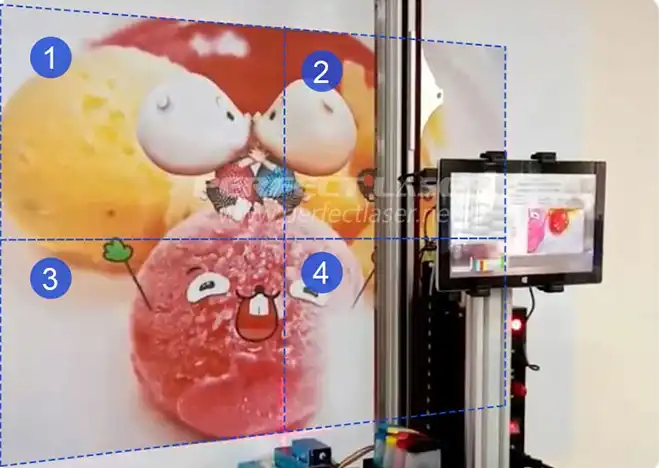
Digital wall painting machines use precise inkjet technology to print on vertical surfaces directly with special inks. They do this by using track-based moving devices. These automatic systems use high-resolution print heads that are controlled by complex software. This makes it possible to reproduce graphics with great accuracy and detail. Calibrated ink supply methods keep the pressure and flow rates the same across the whole surface area during the printing process. In traditional wallpaper placement, glue is used to apply the wallpaper and it is placed by hand. For vinyl, fabric, and peel-and-stick materials to line up correctly, the base needs to be prepared, measurements need to be exact, and skilled work is needed. To work at its best, the glue bonding process needs certain external conditions, such as controlled humidity and temperature levels.
Types and Categories for Commercial Applications
There are many types of modern printing tools that are made for use in businesses. Stationary systems are more accurate for large-scale setups, while portable units are more flexible for smaller projects and operations that need to be done on the go. Airless wall painting machines provide even coverage without the need for compressed air, which makes them easier to use and requires less upkeep. Commercial-grade vinyl wallpaper that doesn't get damaged by water or wear, fabric-backed wallpaper that lasts longer, and special coatings made for places with a lot of foot traffic are all choices for wallpaper. Peel-and-stick types are easier to install, but they might not last as long in harsh settings.
Durability and Performance Analysis
UV-resistant ink formulas and protective layers that keep colors true for longer amounts of time make advanced wall painting machines last longer. Since there are no adhesive layers, there are no typical failure places like edge lifting or water getting in, which can happen when wallpaper is being installed. How long wallpaper lasts depends a lot on what kind of material it is made of and how well it was installed. Commercial-grade options are very resistant to damage and cleaning methods, while cheaper options may need to be replaced more often in places with a lot of use.
Performance and Efficiency Comparison: Wall Painting Machines vs Wallpaper
Operational Speed and Labor Requirements
Through automatic application processes, digital printing technology cuts project timelines by a large amount. wall printer can cover a lot of space in a lot less time than it takes to hang wallpaper by hand. When compared to traditional methods, this method cuts down on work by about 60% because it doesn't require pattern matching, glue application, or seam alignment. For good results, wallpaper installation needs to be done by trained professionals, especially when working with complicated patterns or uneven surfaces. The way wallpaper is applied (in a certain order) makes it harder to get things done quickly, especially when multiple design copies or custom sizes are needed.
Cost-Benefit Analysis and ROI Projections
An initial investment in wall painting machines costs a lot of money, but it saves money in the long run by lowering labor costs and speeding up project completion. Because you can print only what you need, you don't have to keep extra wallpaper on hand or waste materials by buying too much. Wallpaper projects usually have lower initial costs for materials but higher ongoing costs for staff. The cost of materials changes depending on the complexity of the design and the quality standards. Premium options cost a lot more than basic options.
Quality Consistency and Common Problems
Automatic wall painting machines make sure that the quality of the whole installation is the same, so there is no room for human mistake that can affect wallpaper applications. Accurate color matching and pattern fitting happen instantly, so the results are the same no matter how skilled the operator is. Problems with wallpaper that affect its appearance include bubbles, seams that can be seen, and patterns that aren't lined up right. Changes in temperature and uneven substrates are two examples of environmental factors that can have a big effect on how well a job goes.
Selecting the Right Solution Based on Project Needs
Decision Framework for Project Parameters
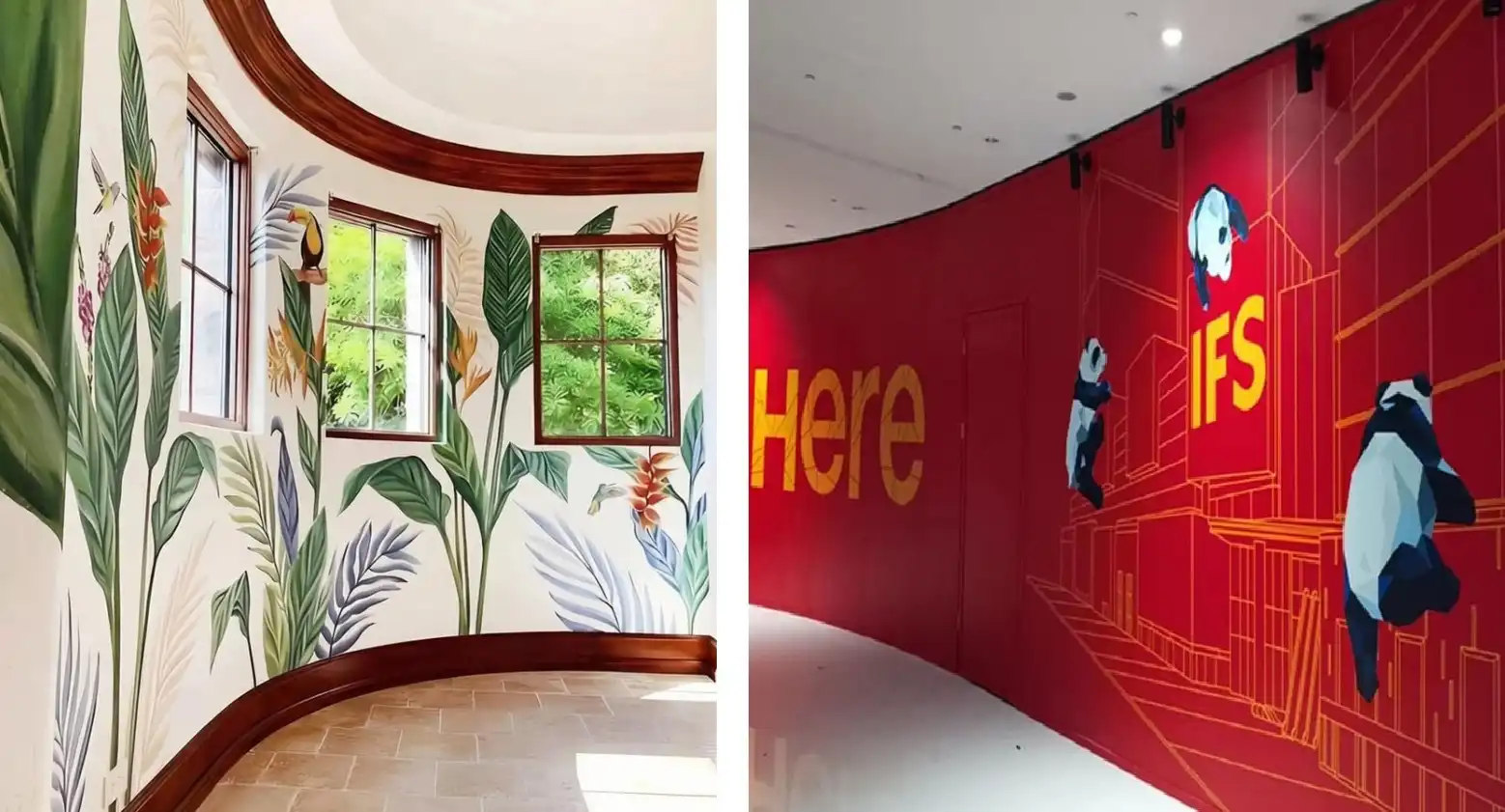
When judging the project's scale, surface area, time limits, and budgets must all be taken into account. While traditional wallpaper methods may be more appropriate for smaller jobs due to tool availability and cost factors, wall painting machines are more effective for large installations. Environmental factors like humidity levels, stable temperatures, and the need for air flow affect the choice of materials and how they are used. Standards for indoor air quality may limit some kinds of glue, which would help direct printing methods that don't release volatile compounds.
Evaluation Criteria for B2B Procurement
Different commercial uses have very different needs for durability. In high-traffic areas, surfaces need to be able to withstand cleaning chemicals and physical wear better than others. Long-term operating costs and the difficulty of managing a building are affected by how easy it is to do repairs and maintain. Aesthetic freedom includes things like the ability to change the style and matching colors. Digital wall painting machines let you make any pattern you want without having to pay for expensive tools.
Industry-Specific Recommendations
Automated wall painting machines help contractors be more productive and make sure the quality of their work is always the same. This is especially true for big business projects with tight deadlines. Less work needs to be done and results can be predicted, which helps with accurate project bids and risk management. Facility managers like printed surfaces better than wallpaper projects because they are easier to clean and fix. Edge lifting and failures caused by moisture can be stopped, which lowers the need for ongoing care and increases the lifetime of surfaces.
Maintenance, Safety, and Operational Tips for Wall Painting Machines
Essential Maintenance Protocols
Cleaning wall painting machines on a regular basis keeps the quality of the prints high and extends their life. Every day, maintenance tasks like cleaning the print heads, clearing the ink system, and lubricating the tracks keep the machine running smoothly. Inspections done once a week make sure that the setting is correct and find any wear parts that need to be fixed. Preventive upkeep includes deep cleaning once a month, checking accuracy every three months, and replacing parts once a year. Keeping good records helps with guarantee compliance and troubleshooting when operating problems happen.
Operator Safety and Training Requirements
Full training programs make sure that wall painting machines operations are safe and achieve the best results. Operators need to be taught how to handle ink, what to do in an emergency, and how to use personal protection equipment. Chemical compatibility and ventilation standards keep people safe from possible exposure dangers. Safety gear includes the right respirators, eye protection, and protective clothes to prevent skin contact. Emergency reaction plans cover what to do in case of spills or broken equipment that could put people in danger.
Operational Best Practices
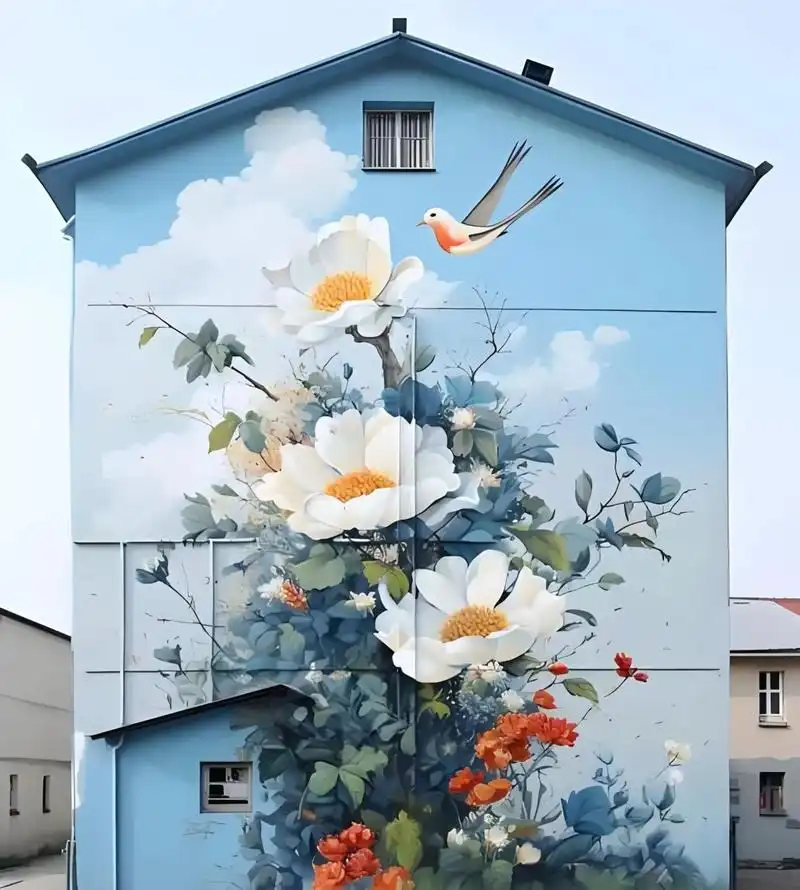
The best ink for wall painting machines relies on the features of the substrate and the environment. Water-based formulas work well for most indoor uses, while UV-curable formulas make high-wear surfaces last longer. When ink is stored and rotated properly, it doesn't break down over time, which ensures quality. To get even covering, the spray method needs optimization with the right standoff distances, consistent speeds, and overlap patterns. Environmental controls, such as managing temperature and humidity, make the best conditions for printing and stop application errors.
Market Trends and Supplier Insights for Wall Painting Machines and Wallpaper
2026 Innovation Highlights
New wall painting machines technologies focus on better robotic features and user interfaces that make things easier for people who aren't tech-savvy to use. With wireless connection, you can watch and diagnose from afar, which helps with predictive maintenance programs and cuts down on downtime. Improving energy efficiency lowers running costs, and thinking about the environment leads to the creation of eco-friendly inks that release fewer harmful organic compounds. These new ideas are in line with environmental efforts that are becoming more and more important to business buyers.
Supplier Selection Criteria
Reputable providers of wall painting machines show technical know-how through thorough training programs and helpful customer service. Warranty coverage and the availability of a service network ensure long-term operating support and keep business running as normally as possible. Quality approvals, such as the CE mark and safety compliance paperwork, show that foreign standards are being met. Suppliers whose finances are stable and who are present in the market give customers faith that parts will always be available and that technical help will continue.
Procurement Strategies
Buying a wallpaper printing machine in bulk can cut costs per unit by a large amount while still making sure that equipment works in multiple places. Standardizing on certain types and sources makes training easier and managing the inventory of parts easier. Customization features let things be changed to fit the needs of a specific application without sacrificing the benefits of standards. Flexible financial options, such as rental programs, lower the amount of money needed up front and offer tax breaks for buying tools.
Conclusion
Whether wall painting machines or traditional wallpaper are better depends on the needs of the project, the interests of the business, and the long-term goals of the company. Digital printing technology has clear benefits when it comes to speed, quality, and creative freedom that meet the needs of modern businesses. Even though the initial investment is high, the practical benefits and competitive advantages make it worth looking into for companies that want to prioritize innovation and performance optimization in their wall decoration projects.
FAQ
1. Which option provides better cost-effectiveness for large commercial projects?
Wall painting machines typically deliver superior cost-effectiveness for projects exceeding 1,000 square feet due to reduced labor requirements and faster application speeds. The breakeven point varies based on local labor costs and equipment availability, but most commercial installations benefit from automated printing technology.
2. What maintenance intervals are recommended for printing equipment?
Daily cleaning and weekly calibration checks maintain optimal performance, while monthly deep cleaning cycles and quarterly component inspections prevent major issues. Annual service intervals should include comprehensive calibration verification and wear component replacement based on usage patterns.
3. Which surfaces are compatible with both decoration methods?
Most interior surfaces including drywall, concrete, wood, and previously painted surfaces accommodate both applications. However, wall painting machines offer superior versatility on irregular surfaces and materials that may not support adhesive bonding required for wallpaper installation.
Contact Perfect Laser for Advanced Wall Decoration Solutions
Perfect Laser's innovative wall painting machines represent cutting-edge technology for modern decoration projects. Our independently developed systems deliver exceptional print quality with vivid colors, seamless splicing capabilities, and unlimited width printing possibilities. Advanced fast-dry ink formulations ensure rapid project completion while high-precision mechanisms guarantee consistent results across diverse surface materials. As a leading wall painting machines manufacturer with over 25 years of experience, Perfect Laser provides comprehensive support including technical consultation, equipment demonstrations, and customized solutions for specific application requirements. Contact [email protected] to discuss your wall decoration needs and discover how our advanced printing technology can enhance your next project.
References
Johnson, M. & Rodriguez, A. (2023). Digital Printing Technology in Commercial Interior Design. Commercial Design Quarterly, 45(3), 78-92.
Thompson, K. (2024). Automated Wall Decoration Systems: Efficiency Analysis and ROI Calculations. Facility Management Today, 18(2), 34-47.
Chen, L. & Williams, D. (2023). Comparative Study of Wall Finishing Methods in Commercial Construction. Building Technology Review, 67(8), 156-171.
Anderson, P. (2024). Safety Protocols for Industrial Printing Equipment Operation. Occupational Safety Standards, 41(1), 23-38.
Martinez, S. & Brown, R. (2023). Environmental Impact Assessment of Wall Decoration Technologies. Sustainable Building Materials Journal, 29(4), 112-125.
Davies, H. (2024). Market Analysis: Wall Printing Equipment Trends and Future Projections. Industrial Equipment Quarterly, 52(1), 89-104.

share your inquiry, get the quotation accordingly.
第一张审核员说包含其他公司不能用_1755049724891.webp)
Perfect Laser – Global Manufacturer of Reliable Laser Solutions