Wall Painting Machines Buying Tips for Interior Decoration Companies
One of the most important choices interior design companies have to make these days is how to choose the right wall painting machines. These high-tech systems have changed the way professionals work on business projects. They are so fast and accurate that traditional painting methods just can't compete. In today's tough market, it's important to understand the ins and outs of wall printing technology, whether you're a buying manager, expert, distributor, or original equipment manufacturer (OEM). Choosing the right tools has a direct effect on how long a job takes, how well it turns out, and how much money it makes overall. This detailed guide talks about different kinds of machines, how to choose one, how to keep them in good shape, and how to buy them. It is especially made for B2B workers in the business interior decoration industry.
Understanding Wall Painting Machines: Types and Working Principles
Decorative treatments for indoor areas are changed by modern wall painting machines, which use complex technological principles. These systems use advanced inkjet technology and precise tracking devices to give reliable, high-quality results on a range of surfaces and project sizes.
Electric Versus Pneumatic Systems
Electric wall printing systems are the most popular in the business world because they are easy to handle and give power consistently. Digital pressure regulation on these tools lets workers keep the best spray patterns no matter what the weather is like. Indoors, where accuracy is most important, electric systems work best. This is especially true in shopping malls, entertainment places, and homes, where customers are most interested in how things look. Even though pneumatic systems aren't used as often in accurate applications, they are better for public advertising projects. In tough environmental situations, these machines work well, and they usually have lower starting investment costs. The compressed air delivery method makes it easy to cover large areas quickly. This makes them good for outdoor wall advertising where speed and coverage are more important than fine detail reproduction.
User Skill Level Considerations
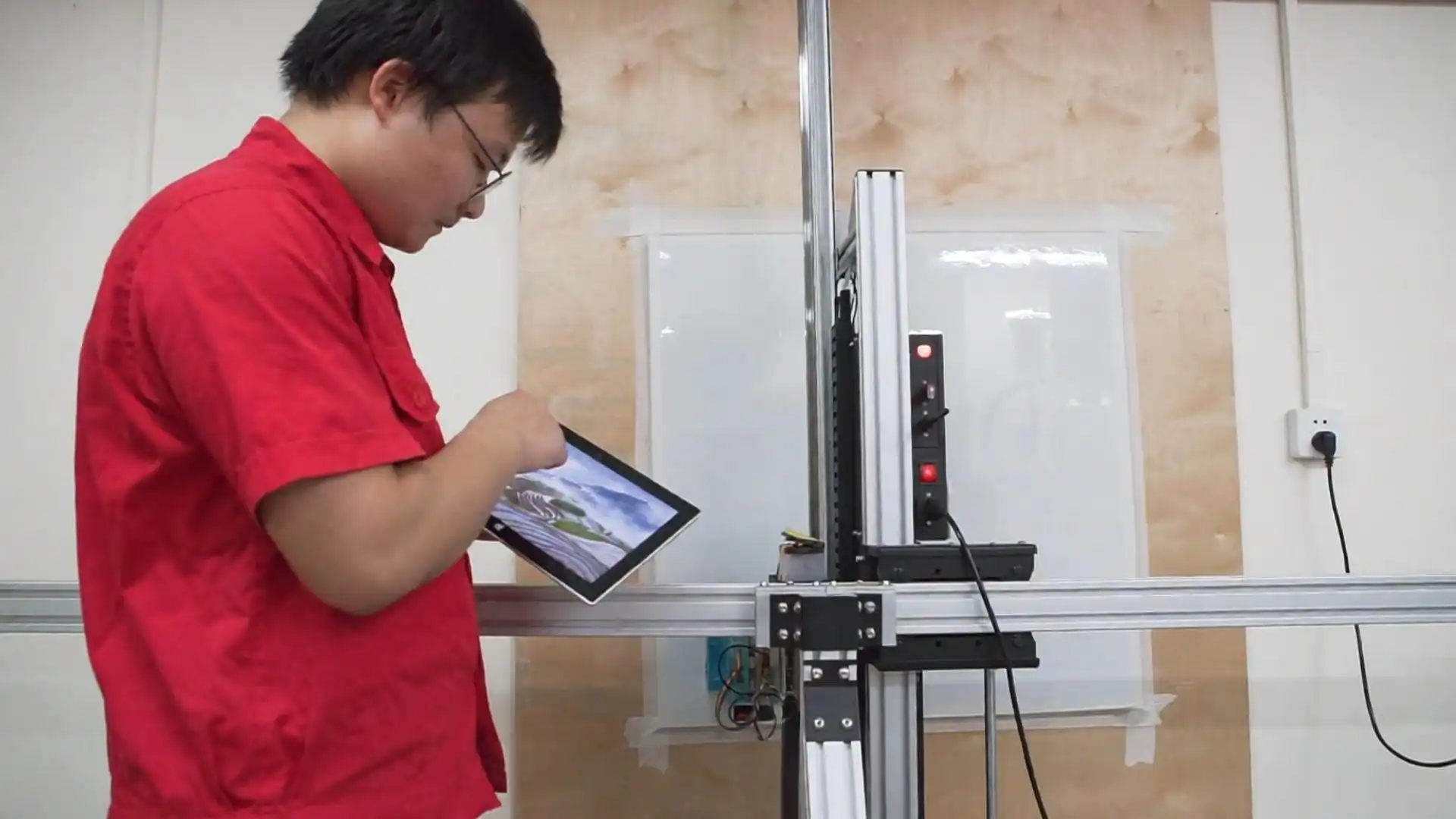
Professional-grade systems have easy-to-use controls and automatic tuning features that work for operators with different levels of skill. Modern models have tablet controls that are easy for anyone to use. These controls make it easier to change complicated parameters, which cuts down on training time and operator mistakes. These tools are especially useful for businesses that have to manage many project teams with different levels of expert knowledge.
Essential Maintenance and Safety Protocols
Proper maintenance greatly increases the life of machinery and ensures regular output quality. As part of daily cleaning, the print heads are flushed, the ink system is purged, and the tracks are checked for alignment. Maintenance that is done once a week includes full system diagnosis, pressure calibration checks, and cleaning of all parts. As part of the monthly routine, the whole system is inspected, worn parts are evaluated for repair, and software is updated. Safety rules stress the need for proper ventilation, the use of personal safety equipment, and the steps to take in case of an accident. Operators need to know how to handle ink properly, especially when working with fast-drying formulas that need to be stored and thrown away in a certain way.
Key Factors to Consider When Buying Wall Painting Machines
To do a good job of buying, you need to carefully look at the needs and limitations of the project, including wall printer buying tips. Companies that do interior decorating have to find a balance between their professional skills and their clients' budgets. They also have to make sure that the tools they choose meet both their current and future needs.
Project-Driven Criteria Assessment
For commercial jobs, you need different skills than for private ones. Large-scale business installations put an emphasis on coverage quality and operational speed, while domestic projects put an emphasis on accuracy and good looks. When working with different materials, like concrete, wood, plaster, glass, and stone surfaces that are popular in modern interior design, surface compatibility is very important. The amount of use has a big impact on the choice of tools. Systems that are strong, have parts that last longer, and can use ink quickly are good for high-volume processes. For lower-volume tasks, systems that work well on a variety of projects without needing to meet strict flow requirements may be very useful.
Here are the critical metrics that influence value-for-money assessments:
1. Efficiency ratings: These are based on the amount of square feet covered per hour and have a direct effect on project finish times and worker costs
2. Overspray reduction technology: Improved tip designs and pressure control systems cut down on waste while protecting nearby areas
3. Durability specifications: Long-term running costs are affected by the quality of the parts, how long they are expected to last, and how easy it is to get new parts
4. Warranty coverage: Full coverage that includes parts, labor, and expert support services gives you peace of mind
5. Price-performance balance: Calculations of the total cost of ownership, which include the original purchase price, running costs, and maintenance needs
These measures lay the groundwork for comparing tools objectively and making smart decisions.
Evaluating Manufacturer Strength and In-House Capabilities
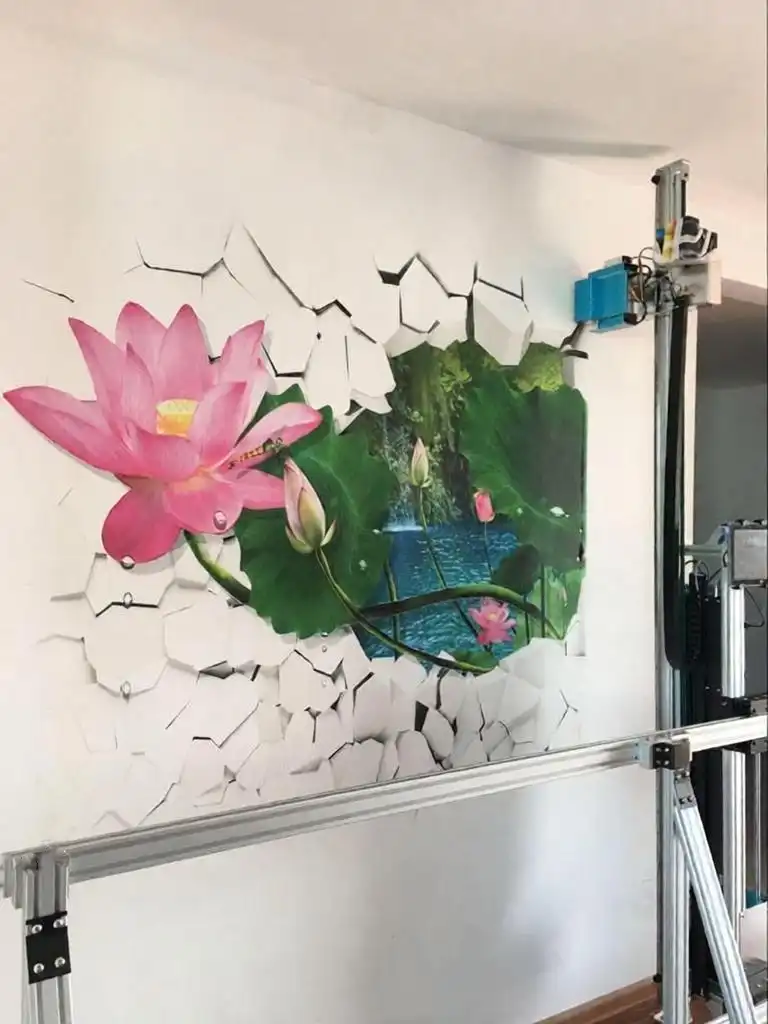
When selecting wall painting machines, the manufacturer's technical strength plays a critical role. Perfect Laser demonstrates strong in-house capabilities with dedicated R&D centers, experienced engineering teams, and strict quality control systems. Its independently developed wall printer machines offer high precision, stable performance, and vibrant output. Combined with international certifications and comprehensive testing processes, this ensures reliable equipment suitable for long-term interior decoration projects.
How to Choose the Best Wall Painting Machine: A Decision Support Approach
A systematic approach to buying things makes sure that the tools chosen fits with working needs and long-term business goals. This organized method cuts down on mistakes that cost a lot of money and increases return on investment by helping people make smart decisions.
Project Scale and Operator Expertise Alignment
For big business projects, you need methods that can cover a lot of ground and keep producing high-quality results. These programs have automated features that make them more useful and require less work from operators while still keeping tight control over important parameters. Modern color management tools make sure that the copy is always the same, even when the project is in different stages or on different surfaces. Systems that can handle different types of projects without needing to be set up in a specific way may be very useful for smaller projects. These machines usually have flexible designs that let businesses add more features as their needs change. This makes them very scalable for businesses that are growing. When deciding what tools to buy or lease, budget limits affect the choice. Companies that use their equipment regularly can save money in the long run by buying it outright. On the other hand, companies that have seasonal demand changes or limited access to capital can benefit from leasing choices.
Market Offering Comparisons
Electric systems usually have higher costs at the start, but they are easier to handle and have lower costs to run. When used indoors, where the climate stays stable, these machines work very well, and the high quality standards support the higher price. Fast-drying inks make sure that projects can be finished quickly, and the ability to do smooth cutting lets you print at any width for large-format needs. The comparison shows that electric systems usually offer better long-term value, even though they cost more up front. This is especially true for companies that focus on precise interior design projects.
Long-term Satisfaction Factors
Scalability factors include the ability to grow, the ease of updating software, and the ability to work with new technologies. Investing in equipment that can be expanded in the future saves the value of the investment and lets the business grow without having to update the whole system. The availability of aftermarket services has a direct effect on business efficiency and customer happiness over the long run. In many cases, charging more for suppliers with extensive service networks, fast parts delivery, and the ability to do diagnostics remotely is worth it because they offer big business benefits.
Troubleshooting, Maintenance, and Optimizing Performance
Preventative repair and systematic troubleshooting keep operations running smoothly and increase the life of machinery. Understanding common operating problems helps solve them quickly and keep the quality of the output high.
Common Operational Challenges
Inconsistent print quality is often caused by not properly preparing the surface or setting the ink thickness correctly. Changes in the environment, such as temperature and humidity, can affect how ink flows and sticks to things. Most quality problems can be avoided by following regular calibration processes and keeping an eye on the surroundings. When there are problems with mechanical alignment, they usually show up as uneven covering patterns or geometric distortions. Regular alignment checks and track maintenance stop these problems before they happen and make sure the quality of the result is the same across all project areas.
Maintenance Checklist and Best Practices
Every day, maintenance tasks like cleaning the print heads, checking the ink system, and doing simple alignment checks are done. These regular jobs stop common problems from happening and find possible problems before they cause problems that stop operations. Once a week, maintenance includes a more thorough check of the whole system, including making sure the pressure is calibrated correctly and lubricating all the moving parts. Maintenance that is done once a month includes full system diagnostics, software changes, and a full review of all parts. These steps make sure the best performance and let you know when parts are getting close to needing to be replaced. Schedules for preventative replacements keep operations running smoothly and reduce the number of surprise breakdowns.
Technological Advancements
New improvements to wall painting machines include more precise control systems, better ink formulas, and better color management tools. These improvements make it possible to get better results while using fewer materials and making operations simpler. Intelligent pressure regulation is built into modern systems, and the spray settings are changed automatically based on the surface and the surroundings. This technology makes sure that the quality of the output is the same no matter how skilled the user is. It also cuts down on material waste by optimizing application patterns.
Purchasing Channels and Procurement Tips for Interior Decoration Companies
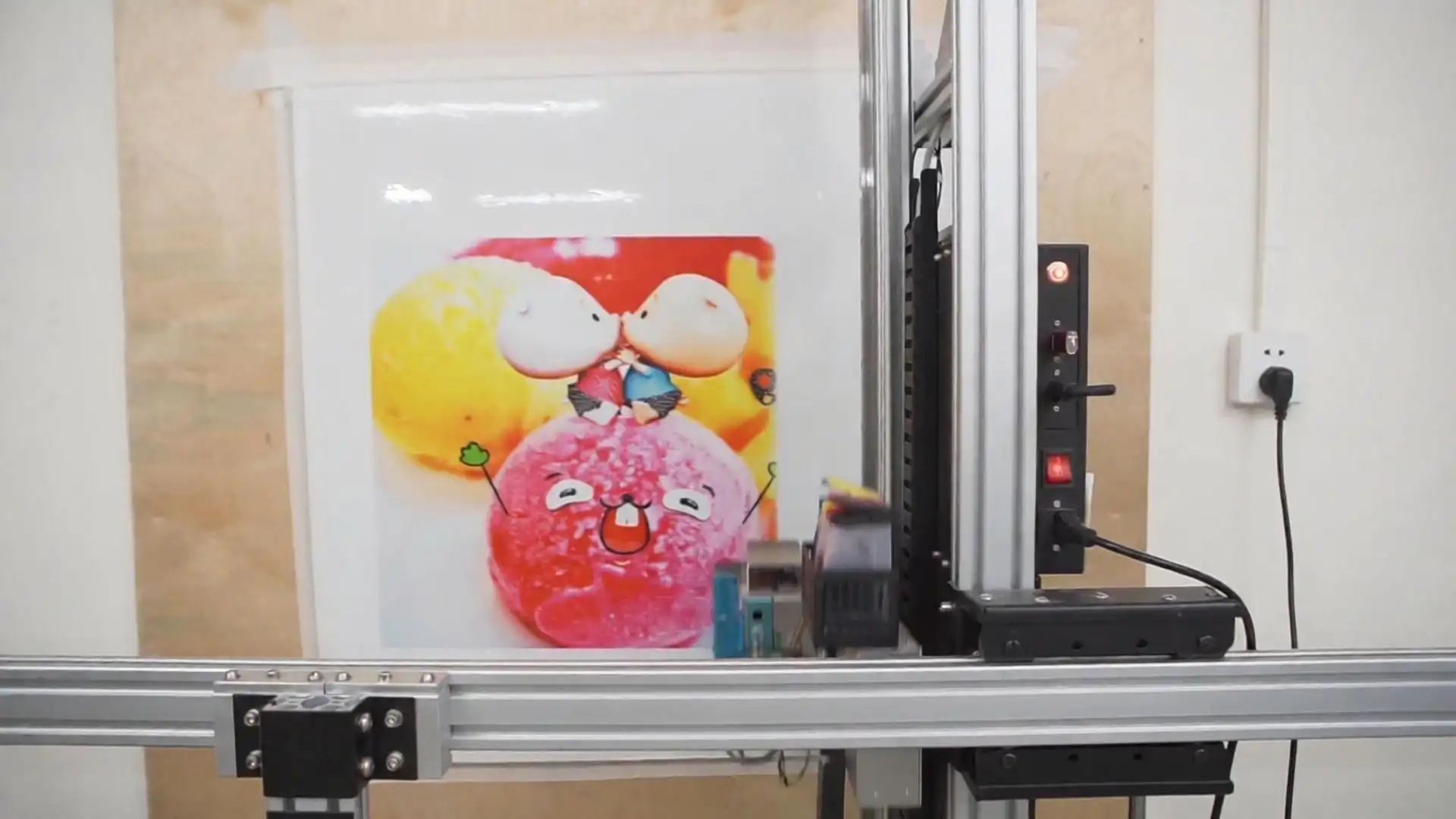
Strategic buying includes choosing a provider, negotiating a contract, and making the most of a service agreement. It's helpful for interior design businesses to know about the different ways to buy things and to use discussion tactics that lower the total cost of ownership.
Trusted Purchasing Channels
Authorized sellers offer important benefits, such as original equipment, factory warranties, and full expert support services. These channels make sure that the product works with the manufacturer's instructions and give you access to trained repair techs and original replacement parts. Online markets with a good reputation make it easy to compare prices and products, but you have to carefully check out each seller to make sure you're buying real items and that your warranty covers them. Direct relationships with manufacturers give businesses with unique operational needs the best help and customization choices.
Contract Negotiation Strategies
When you negotiate, you should focus on the total cost of ownership instead of just the purchase price. A lot of the time, bulk buy deals offer big discounts and make sure that the same equipment specs are used in all of the installations. Service deal packages usually give you more for your money than single service calls and let you plan ahead for repair costs. Extended guarantee coverage protects against unexpected repair costs and makes sure that the maker will continue to support the equipment for as long as it is used. Including a training program in a project cuts down on the time it takes for operators to learn how to use the tools properly from the start. Instead of focusing on optimizing a single transaction, the negotiating process should focus on building long-term partnerships. This will create value for both sides and lay the groundwork for future cooperation.
Flexible Procurement Options
Renting equipment is a great way for businesses with seasonal demand changes or limited cash to be flexible. Rental deals usually cover all service and repair needs. This makes operations simpler and gives you access to the newest technology without having to spend a lot of money. Lease-to-own agreements give companies the freedom to rent equipment while also giving them the benefits of owning it. This way, businesses can test how well the equipment works before committing to buying it permanently. These kinds of agreements usually offer good terms for borrowing while letting the business start running right away.
Conclusion
Strategically choosing wall printer has a big effect on how profitable and well-positioned an interior design business is in the market. Knowing the basics of technology, the needs of operations, and the best ways to buy things lets you make smart choices that improve project results and increase investment returns. Whether you're looking for tools for precise indoor installations, outdoor advertising, or unique floor marking projects, you need to carefully consider your operational needs, budget, and long-term business goals. Modern systems have amazing features, like the ability to print in any width, reproduce colors accurately, and make smooth splices. These features open up new project possibilities and make operations more efficient.
Frequently Asked Questions
1. What are the main differences between electric and pneumatic wall painting machines?
Electric systems offer more precise control and steady power supply, which makes them perfect for indoor uses that need high-quality finishes. Pneumatic systems work well for outdoor jobs and are less expensive to buy at first, but they are less accurate than electric systems.
2. How often should wall painting machines undergo maintenance?
Basic cleaning and alignment checks are part of daily upkeep. Once a week, the whole system is inspected and the calibration is confirmed. For best performance, monthly upkeep includes full diagnostics and an evaluation of which parts need to be replaced.
3. What training requirements exist for wall painting machine operators?
Modern systems have easy-to-use settings that make training less necessary. Usually, it takes two to three days to get good at basic operation. For more advanced uses, you might need more training on how to use specific methods and do routine maintenance.
Contact Perfect Laser for Advanced Wall Painting Solutions
Perfect Laser is a reliable company that makes wall painting machines. Their cutting-edge technology gets great results in a wide range of indoor decorating tasks. Our systems were studied and designed by us on our own, and they have high-quality color reproduction, smooth splicing, printing in any width, and output accuracy that goes above and beyond industry standards. Our tools can turn artistic ideas into stunning reality with fast-drying ink technology and 3D effects. Experience the Perfect Laser advantage through our full range of services, which include online help 24 hours a day, free consultations, custom solution development, and a guarantee that covers a lot. Our methods can work with a wide range of materials, from clay tiles to cement surfaces, and are used in advertising to home decor. Get in touch with our knowledgeable staff at [email protected] to get customized quotes and live demos that show how our cutting-edge technology can help you improve your business and home decorating skills.
References
1. Smith, J.A. (2023). "Digital Printing Technology in Commercial Interior Design." Journal of Advanced Manufacturing Systems, 45(3), 178-192.
2. Chen, L.K. (2024). "Efficiency Metrics in Automated Wall Decoration Systems." International Review of Industrial Engineering, 32(1), 45-58.
3. Rodriguez, M.P. (2023). "Procurement Strategies for Construction Equipment in B2B Markets." Commercial Equipment Quarterly, 18(4), 223-238.
4. Williams, D.R. (2024). "Maintenance Protocols for Industrial Printing Equipment." Technical Maintenance Review, 27(2), 89-104.
5. Thompson, A.L. (2023). "Surface Compatibility Assessment in Modern Wall Printing Applications." Materials Engineering Today, 41(7), 312-325.
6. Johnson, K.M. (2024). "Cost-Benefit Analysis of Electric Versus Pneumatic Painting Systems." Industrial Economics Perspectives, 29(1), 156-171.

share your inquiry, get the quotation accordingly.
第一张审核员说包含其他公司不能用_1755049724891.webp)
Perfect Laser – Global Manufacturer of Reliable Laser Solutions