Top Rotary Pin Marking Machines for Industrial Parts in 2026
Rotary pin marking tools and dot peen marker systems are widely used for permanent identification of industrial parts made from metals, plastics, and composites. They are essential in automotive, aerospace, electronics, and heavy machinery manufacturing. Choosing the right system requires understanding differences between rotary and dot peen mechanisms, matching equipment to production volume, and selecting reliable manufacturers for harsh environments.
Understanding Rotary Pin Marking Technology in 2026
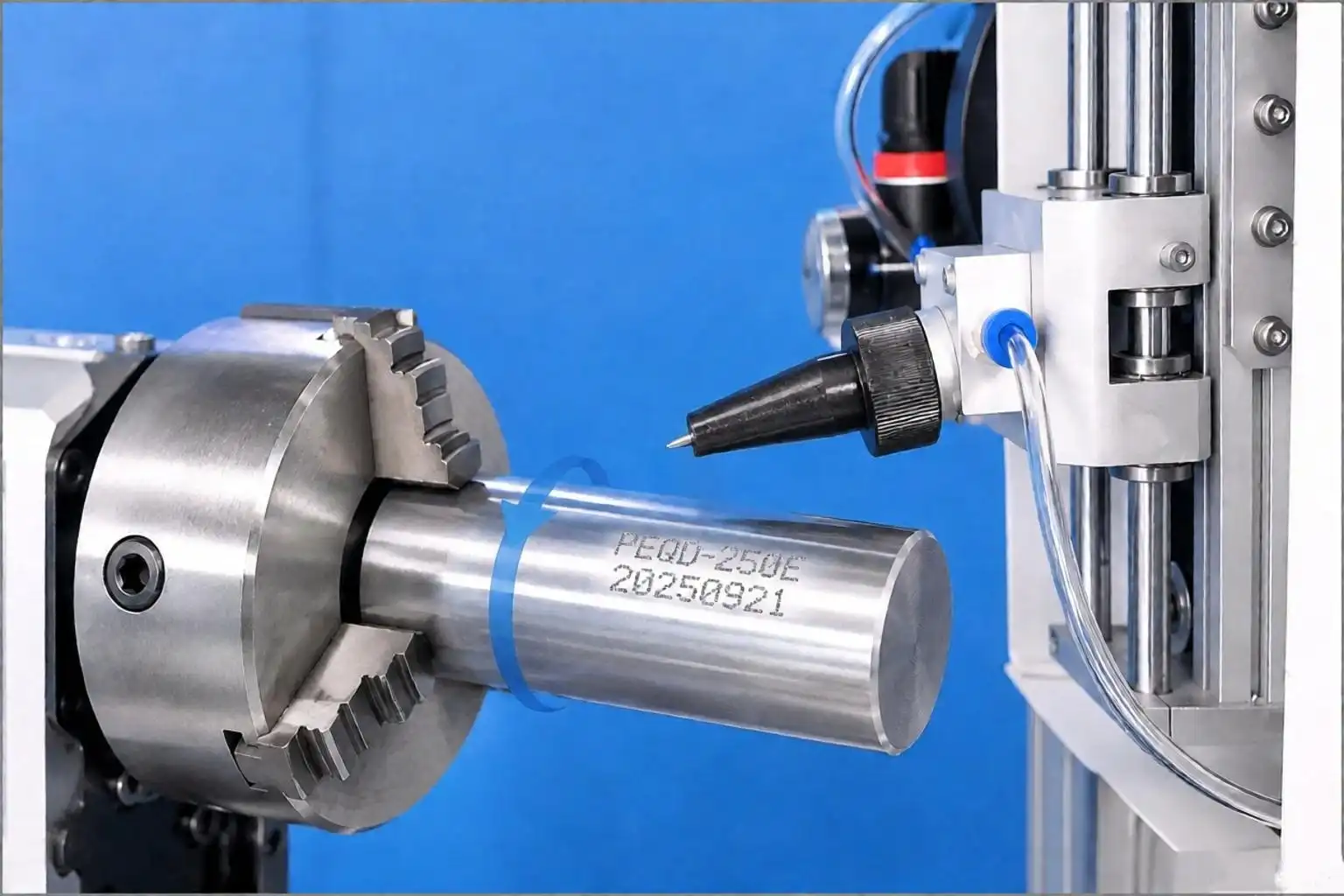
Rotary pin marking is a specific type of mechanical etching in which a hardened stylus hits the surface of the item in exact designs to leave lasting logos, letters, numbers, and VIN codes. Unlike regular dot peen marker devices, which hit the material perpendicular to its surface, rotary pin systems can mark both the flat surface and the circumference of cylindrical parts. This is very useful for marking pipes, shafts, engine parts, and valve bodies without having to move the workpiece.
Core Operational Mechanics
A pen that is managed by a computer and moved by pneumatic or electric motors is what makes the technology work. The pin hits the cloth quickly and in a coordinated pattern, making recognizable figures out of a number of overlapping holes. Modern computers have Windows-based software that can read DXF files from AutoCAD and CorelDraw and work with many font types, such as TTF, SHX, and MG. Because of this, makers can use the same marking forms on all production lines while keeping the brand's look the same.
Material Compatibility and Performance Factors
Rotary pin marking tools work great with a wide range of materials, from soft aluminum alloys to harder steel, brass, stainless steel, and even high-tech plastics. The quality of the mark relies on how hard the material is, how deep you want the indentation to be, how fast you mark, and what kind of pin you use. Carbide pins work with most industrial metals, while diamond-tipped pins are used in aircraft for very hard alloys. Cycle speed depends on the number of characters and the depth needed, but most systems can finish a 20-character VIN code in less than five seconds.
Advantages Over Alternative Marking Technologies
When compared to laser marking systems, rotating pin and dot peen marker equipment needs less money to get started, and you don't have to worry about heat-affected zones on delicate materials. In contrast to chemical etching or inkjet printing, these mechanical methods leave marks that are not affected by oils, lubricants, harsh chemicals, or high or low temperatures. Because the material can be deformed, the marks can still be read even after decades of being in harsh industrial settings. This makes them perfect for long-term traceability needs in the aircraft and car industries.
Top 7 Rotary Pin Marking Machines for Industrial Parts in 2026
When choosing a rotary pin marking machine, you need to think about its accuracy, output, upkeep needs, and ability to work with other machines. People who make cars, military parts, heavy machinery, and precise electronics all use the following tools because they work well and have been used for a long time.
Perfect Laser PEQD-250E Industrial Marking System
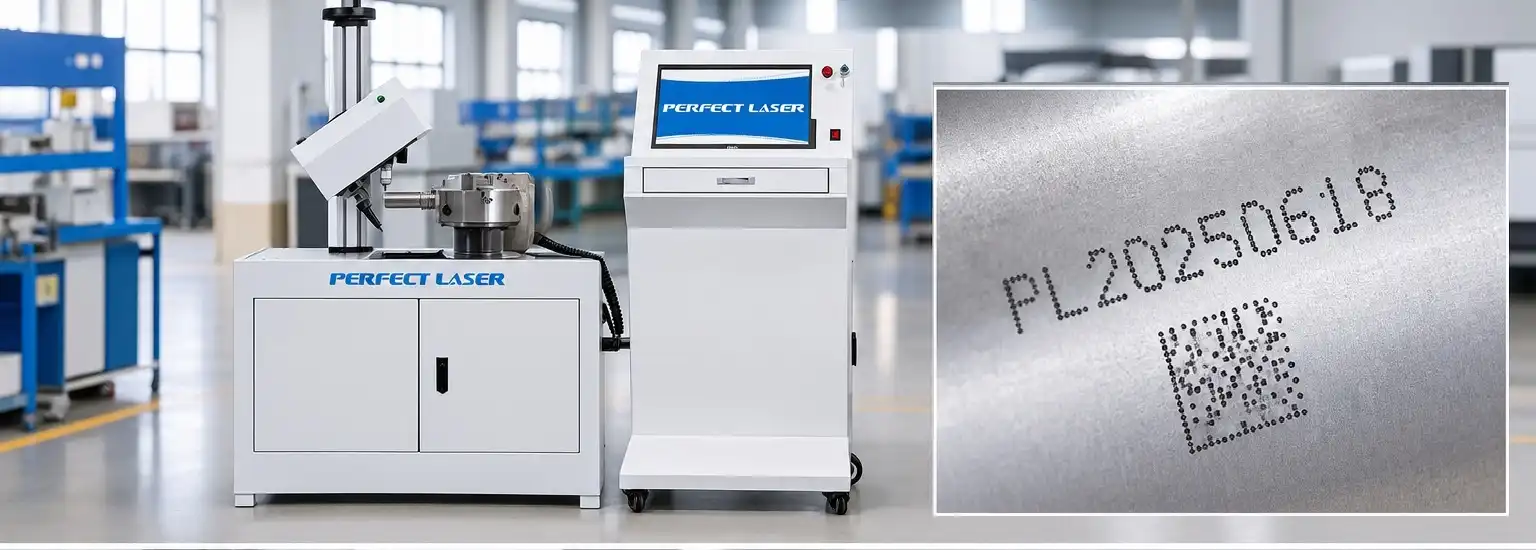
Perfect Laser PEQD-250E Industrial Marking System is a versatile industrial marking solution designed for flat and rotary applications. It engraves VIN codes, serial numbers, and graphics on metal and non-metal materials without special fixtures for cylindrical parts. Its lifting structure supports varied workpiece heights while maintaining consistent marking depth. Windows-based control software enables automated coding, sequencing, and CAD file compatibility. Widely used in automotive and machinery industries, it supports diverse materials and production needs from a single flexible workstation for modern manufacturing lines.
Pneumatic Drive High-Speed Marking Systems
Pneumatic rotary pin marking machines use compressed air to move the pen. This makes it possible to have high impact rates that cut down on cycle times on production lines that make a lot of things. These methods work great for putting together cars, where the speed of the marking has a direct effect on output. The pneumatic system keeps the hitting force constant over long work shifts, so marks on hardened steel parts stay the same. Integration with robotic handling systems lets parts be loaded and unloaded automatically, reducing the need for human help.
Electric Servo-Driven Precision Markers
Electric servo motors let you precisely control the depth of the mark and the force of the hit. This makes these systems perfect for delicate work on thin-walled parts or materials that are easily damaged by heat. Not needing compressed air makes construction easier and lowers the cost of running the business. When making precise electronics, where damage to parts must be avoided, and in aircraft, where marking depth requirements must be met within tight limits, electric rotary pin markers are the best choice.
Integrated Automated Marking Cells
Fully automatic marking cells that use rotary pin technology along with vision systems, conveyor integration, and quality verification sensors are helpful for manufacturers who work in settings where production is ongoing. Without any help from a user, these complete solutions automatically find the correct part orientation, choose the right marking programs, run the marking cycle, and check that the marks can be read. Companies that make transmissions for cars and big equipment depend on these systems to keep track of thousands of parts every day.
Portable Battery-Powered Marking Units
Portable rotary pin markers are useful for field service and finding parts on-site in industries like shipping, steel manufacturing, and heavy machinery upkeep. Technicians can mark big, immobile structures without having to use external power sources or computer links with battery-powered units that have touchscreens built in. These gadgets have alphanumeric keyboards and internal memory that stores marking templates. You can use these to enter changeable data like serial numbers and installation times.
Multi-Station Rotary Marking Systems
Multi-station rotating marking systems that work on multiple parts at once make high-volume production centers as efficient as possible. Parts are fed to the marking head one at a time by spinning turrets or linear indexing tables, and workers load and unload at different stations. Marking delays are gone from assembly lines that make engine blocks, transmission housings, and hydraulic manifolds thanks to the continuous process.
Hybrid Dot Peen and Rotary Marking Platforms
More and more advanced makers are using hybrid platforms, which combine standard dot peen marker functions with rotary marking functions on the same machine size. This set-up gives workers the most options because they can mark flat plates, uneven forgings, and cylinder-shaped shafts without having to switch out any tools. The uniform control system makes programming easier, cuts down on training needs, and makes the best use of floor space.
Comparing Rotary Pin Marking with Dot Peen Marking for Industrial Parts
Even though rotary pin marking and dot peen marker systems use the same mechanical impact principles, knowing the technical differences between them helps purchasing managers choose the best options for each job. Both technologies leave lasting marks on materials by carefully deforming them, but they are very different in how they are used and how they are implemented.
Technological Distinctions
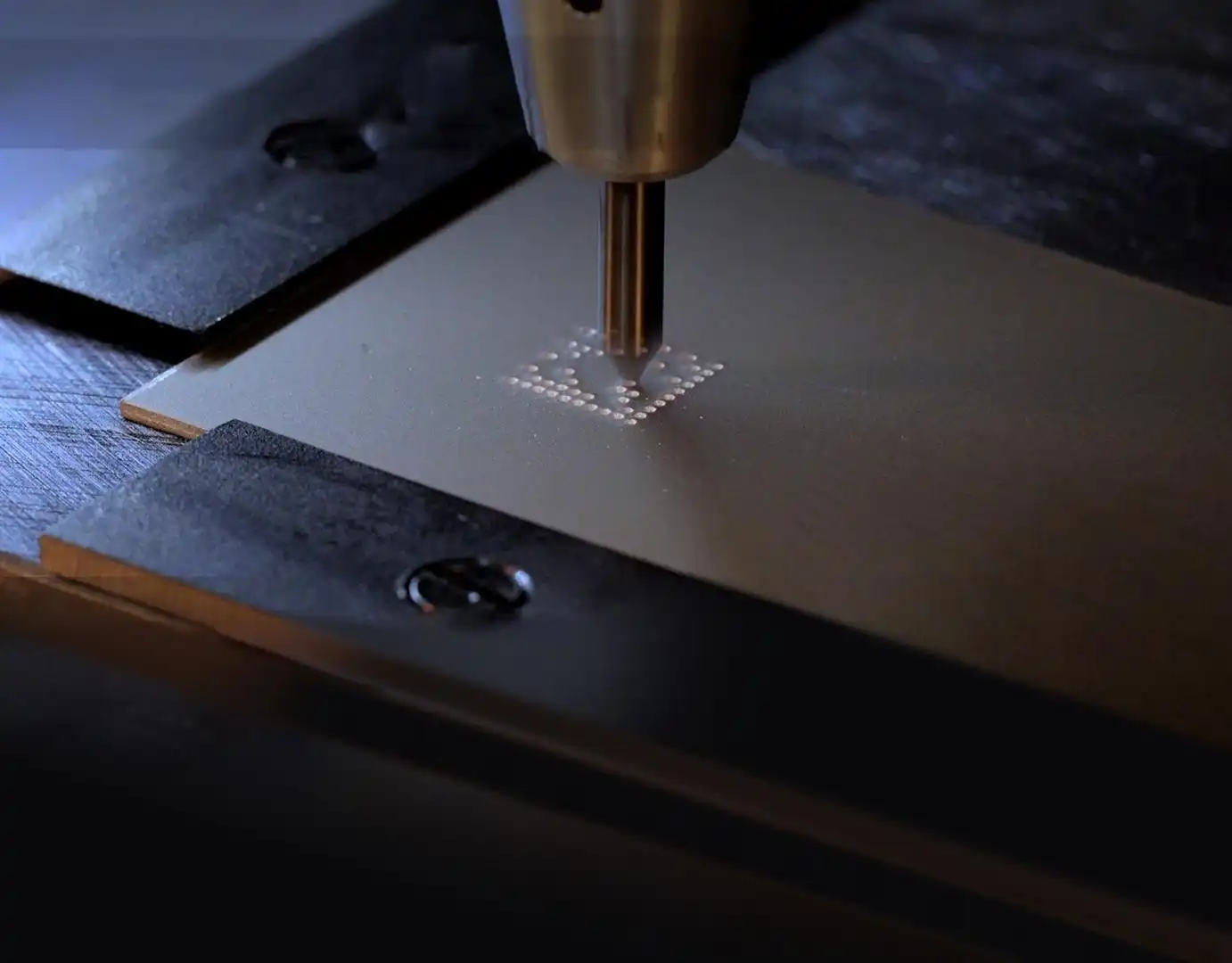
Standard dot peen marker equipment hits the surface of the object perpendicular to the material plane. This makes single dots that are close together to form characters. This method works on flat or slightly curved surfaces and can be used with a hand-held device for field writing. By coordinating the effect of the stylus with the movement of the workpiece, rotary pin marking systems add the ability to mark around cylinders without having to adjust the part.
Application-Specific Advantages
Because dot peen markers are portable, they are great for marking big pieces, building equipment, shipping containers, and structural steel parts where they will be installed. With battery-powered handheld units, field service workers can mark parts for identification while they are being maintained without having to move the parts to set marking stations.
Complementary Technology Implementation
The biggest makers know that rotary and normal dot peen marker systems work best together and don't need to be compared to each other. Many factories that make things for a wide range of customers use both technologies. They choose which tools to use based on the shape of the part and where it needs to be marked. This two-capability method gives you the most options while also improving the quality of the markings on a wide range of products.
How to Choose the Right Rotary Pin Marking Machine for Your Industrial Needs?
To choose the right tools, you must first be clear about what markings you need and how the different system configurations will work with your current processes. Before agreeing to specific tools, procurement managers should look at a number of important factors.
Production Volume and Throughput Requirements
System selection depends on annual marking volume. Below 10,000 parts, manual loading may be sufficient, while high-volume automotive production requires continuous automatic cells. Cycle time is calculated by dividing available production hours by output demand, with added buffer capacity for maintenance downtime and unexpected production peaks to ensure stable throughput.
Material Specifications and Surface Conditions
Tool selection depends on material hardness, surface finish, and post-processing needs. Hardened tool steels require diamond-tipped styluses and higher impact force, while aluminum alloys use standard carbide pins. If parts are later coated or plated, marking depth and clarity must be adjusted to ensure long-term readability after surface treatment.
Marking Content Complexity and Variability
Simple serial numbers require minimal programming, while dynamic data such as time stamps, shift codes, and operator IDs require advanced software integration. ERP-connected systems can automatically retrieve serialization data, reducing manual input errors. QR codes and Data Matrix marking improve traceability, enabling fast scanning for inventory, logistics, and warranty management.
Pneumatic Versus Electric Drive Mechanisms
Pneumatic rotary marking machine systems can mark things quickly and consistently, but they need a way to store compressed air and keep the air filters and lubricators in good shape. Electric servo-driven tools don't need compressed air, make less noise, and give you more control over the marking settings. In addition to the initial purchase price, the total cost of ownership should include things like energy bills, upkeep materials, and the need for infrastructure.
Integration with Existing Production Systems
Modern marking machines support industrial protocols such as Ethernet/IP, Profinet, and Modbus for seamless factory integration. Compatibility should be confirmed before purchase. Vision systems enable automatic part recognition and orientation correction, reducing setup time and marking errors. Installation complexity and space requirements vary depending on conveyor systems and robotic integration levels.
Portability and Installation Considerations
Fixed stations suit continuous production lines, while portable systems are better for flexible job-shop environments. Installation planning must consider power supply, compressed air availability, and operator accessibility. Machine footprint directly impacts required floor space, making layout planning an important factor in overall production efficiency and workflow optimization.
Budget and Total Cost of Ownership
Total cost includes not only equipment price but also installation, operator training, consumables, and maintenance staffing. Long-term expenses are strongly influenced by warranty terms and technical support quality. Suppliers offering stable spare parts supply and reliable service agreements help reduce unexpected downtime and improve overall equipment lifecycle value.
Maintenance Tips and Best Practices for Rotary Pin and Dot Peen Marking Machines
Regular repair schedules make tools last longer and make sure that the quality of the markings stays the same across production runs. Structured preventive maintenance programs help keep production schedules stable and cut down on problems that come up out of the blue.
Routine Cleaning and Lubrication Procedures
When you clean the machine daily, metal chips and debris around the stylus and guide parts are removed. Compressed air purging cleans internal areas safely. Weekly lubrication with manufacturer-recommended oils reduces wear and ensures smooth operation. For pneumatic systems, draining moisture traps regularly prevents rust and stabilizes stylus performance during continuous industrial use.
Calibration and Performance Verification
Monthly calibration checks ensure consistent marking depth and accurate character formation. Test marks are made on standard materials and measured using precision tools such as micrometers. Results are compared with reference standards, and adjustments are made to impact force and dwell time when needed. Performance records help detect issues early and maintain stable production quality.
Component Replacement Schedules
Wear parts should be replaced based on manufacturer guidelines and actual usage conditions. Stylus pins typically last between 500,000 and 2,000,000 cycles depending on material hardness and settings. Drive components such as bearings, seals, and air cylinders also have limited lifespans. Timely replacement during planned downtime prevents unexpected failures and production interruptions.
Selecting Suppliers with Comprehensive Support
Equipment reliability depends not only on build quality but also on supplier support. Reliable vendors maintain sufficient spare parts inventory and offer fast delivery. Responsive technical support, including remote diagnostics during shifts, reduces downtime. With over 20 years of experience, Perfect Laser provides trusted dot peen marking solutions for global automotive, military, and industrial manufacturers.
Conclusion
In industries like aircraft production, heavy machinery fabrication, precise electronics assembly, and car manufacturing, rotary pin marking tools provide permanent and long-lasting ways to identify industrial parts. The technology is different from regular dot peen marker systems because it can mark both flat surfaces and cylinder-shaped parts in the same setting. This gives makers more options when working with different part geometries. When procurement managers look at different pieces of equipment, they should think about how much they need to produce, what materials they need, how they want to automate the process, and the total cost of ownership. Proper upkeep schedules and choosing the right provider have a big effect on how well equipment works in the long run. As the need for industry traceability grows in 2026, rotary pin marking technology will still be a key part of making sure product quality, legal compliance, and supply chain transparency
FAQ
1. Can rotary pin marking machines handle both metal and plastic materials?
Modern rotating pin marking devices accurately mark aluminum, steel, brass, titanium, stainless steel, and engineering plastics. Material hardness determines settings: soft materials need lower impact force, while hard steels require carbide or diamond styluses. Software adjusts depth, speed, and dwell time without mechanical changes for flexible, consistent industrial marking across materials.
2. How do marking speeds compare between rotary pin systems and dot peen marker devices?
Marking speed depends on character complexity, depth, and surface shape. Dot peen marker systems are slightly faster on flat surfaces, typically completing 20 characters in 4–6 seconds. Rotary systems perform better on cylindrical parts by reducing repositioning steps, making them more efficient for full circumferential marking applications.
3. What maintenance costs should I expect for industrial marking equipment?
Annual maintenance usually costs 5–8% of equipment price, covering stylus replacement, lubrication, and servicing. Pneumatic systems add air and valve costs, while electric servo systems are cheaper to maintain. Preventive maintenance and spare parts inventory help reduce downtime and control long-term operational expenses effectively.
Partner with Perfect Laser for Superior Marking Solutions
Perfect Laser has been making precise marking equipment for more than 20 years. We have become a trusted dot peen marker seller to automakers, military component makers, and industrial fabricators all over the world. Our PEQD-250E rotary pin marking machine can mark both flat surfaces and cylinders. It's a small system that does both jobs, so you don't need to buy a bunch of different machines. It can be used to mark characters, VIN codes, serial numbers, and logos graphically on metals and plastics forever. The lines are very clear and last a long time. Contact our applications engineers at [email protected] to talk about your need to identify components and get full technical specifications, performance data, and cheap quotes for dot peen marker systems and rotary marking solutions. We want you to experience the accuracy, dependability, and excellent customer service that have made Perfect Laser the best choice for tough industrial writing jobs.
References
1. Anderson, M.R. & Thompson, J.L. (2025). Industrial Part Marking Technologies: Comparative Analysis of Mechanical and Laser Systems. Manufacturing Engineering Society Press.
2. Chen, W. & Roberts, K.P. (2024). "Permanent Identification Methods for Aerospace Components: Compliance and Performance Standards." Journal of Manufacturing Processes, 118(3), 445-462.
3. European Association of Manufacturing Technology (2025). Best Practices for Component Traceability in Automotive Production. EAMT Technical Report 2025-07.
4. International Organization for Standardization (2024). ISO 16023:2024 – Permanent Marking of Metallic Materials – Requirements and Test Methods. Geneva: ISO Standards Publications.
5. Martinez, S.A., Kumar, R. & Johnson, D.W. (2025). "Comparative Durability of Mechanical Marking Technologies in Corrosive Industrial Environments." Surface Engineering and Applied Electrochemistry, 61(2), 178-194.
6. National Institute of Standards and Technology (2024). Traceability Systems for Critical Components: Guidelines for Procurement Managers. NIST Special Publication 1500-12.

share your inquiry, get the quotation accordingly.
第一张审核员说包含其他公司不能用_1755049724891.webp)
Perfect Laser – Global Manufacturer of Reliable Laser Solutions