Laser Die Cutting vs Traditional Die Cutting: Which Is More Efficient
When producers look at their production methods, they often have to make a tough choice: should they buy a laser die cutting machine or stick with older mechanical systems? To find the answer, you need to understand how to measure productivity. Compared to other ways, laser die cutting machines are more accurate, take less time to set up, and wear down tools less quickly. These machines use focused CO2 laser beams to cut die boards that are up to 25 mm thick. The quality and kerf are the same from top to bottom. Modern laser die cutting machines get rid of the wait time that comes with traditional methods. This means that they can run 24 hours a day, 7 days a week without any help from a person. This is a huge benefit for industries like packaging, marking auto parts, and making electronics, where production speed directly affects competitiveness.
Introduction
Modern manufacturing uses die cutting to properly shape materials for several sectors. Choosing the right method may effect product speed, quality, and cost. Global B2B purchasers must consider these. This article compares laser and traditional methods to assist manufacturers, OEMs, and procurement managers source wisely to suit changing production needs.
US industry bosses recognize outdated equipment slows things down. Automakers need engine parts with ID numbers that can endure heat and vibration. Metalworking firms must properly engrave bending tool surfaces. Electronics makers need reliable group marking. Each example shows why selecting between laser and mechanical systems affects your company's quality and cost.
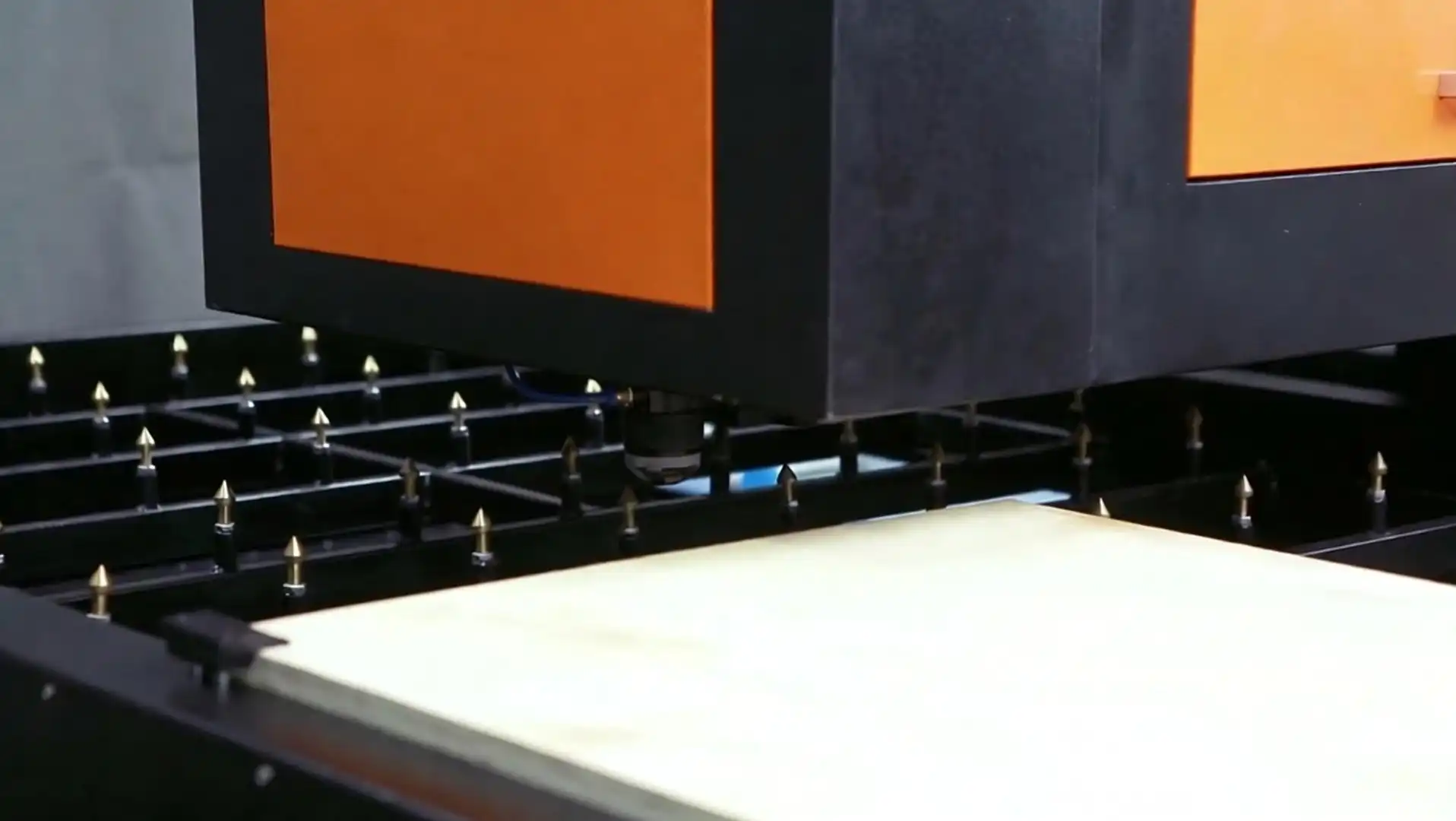
Understanding Traditional Die Cutting and Its Limitations
Traditional die cutting employs flatbed or rotary dies to cut materials. The electronics, linens, car, and packaging sectors utilize it. Traditional techniques have long been utilized and are cost-effective for creating many products, but they have downsides that limit their flexibility.
Precision Constraints in Mechanical Systems
Mechanical die cutting uses steel rule dies or spinning blades to press materials. Simple forms work well with this contact-based strategy, but sophisticated designs don't. Tool movement alters sizes, particularly when producing thick die boards. The mechanical power required causes microscopic fissures along cut sides, lowering product quality. Car bearing housing and equipment part manufacturers that etch measuring scales typically discover that mechanical techniques can't fulfill contemporary quality control criteria.
Maintenance Demands and Downtime
Fixing tool wear is crucial. Steel blades dull and require sharpening or replacement. Maintenance disrupts manufacturing, reducing output hours. If the design is sophisticated, manufacturing or replacing cutting tools by hand might take hours or days to set up new die patterns. Metalworking firms that create bespoke hardware tools must wait longer for parts while switching product lines, making it tougher to satisfy customer demands rapidly.
Design Flexibility Limitations
Fixing tool wear is crucial. Steel blades dull and require sharpening or replacement. Maintenance disrupts manufacturing, reducing output hours. If the design is sophisticated, manufacturing or replacing cutting tools by hand might take hours or days to set up new die patterns. Metalworking firms that create bespoke hardware tools must wait longer for parts while switching product lines, making it tougher to satisfy customer demands rapidly.
Introduction to Laser Die Cutting Technology
Focused high-energy beams controlled by CNC systems are used in laser die cutting to make clean, accurate cuts in a wide range of materials. This non-contact method is a huge step forward in manufacturing because it gets around the main problems with mechanical systems and adds new operating benefits.
How Laser Systems Operate
A laser die cutting machine makes a strong beam of uniform light using either CO2 laser technology. Through precise lenses, the beam narrows to a spot size measured in microns. This creates enough energy intensity to melt or evaporate materials along predetermined paths. Computer numerical control systems take digital plans and turn them straight into cutting directions, so there is no need for real tools. Perfect Laser's high-tech systems have Auto Following and Focus technology that checks the distance between the cutting head and the material surface and changes the focal point in real time to keep the best cutting quality no matter how the material or surface changes.
Technical Capabilities and Material Versatility
Modern laser die cutters cut 15–25 mm die boards with 0.45, 0.71, 1.05, or 1.42 mm kerfs. Because power and feed rate are adjusted appropriately, the systems can perform much. Co2 laser tubes with 400W or 600W ratings provide the highest beam quality, efficiency, and longevity. Panasonic servo motors, guide rails, and imported ball screws operate quickly and precisely. Carmakers use this to mark complex engine parts and metalworking industries to carve accurate measurement scales on curved instrument panels.
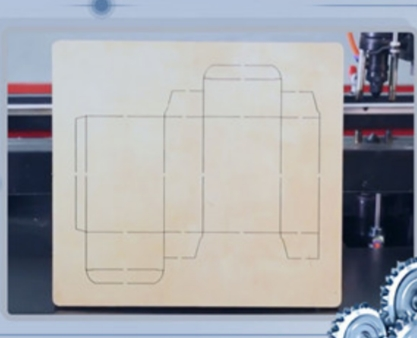
Industry Adoption and Measurable Benefits
Laser systems are used more in electronics, autos, medical devices, and flexible packaging to improve quality and efficiency. Electronics businesses use batch marking because they can place product information on small parts to avoid counterfeiting. Automotive businesses use laser die cutting to create identification lines on bearings and engine parts that can be read after years of heat, oil, and mechanical stress. Packaging firms may rapidly change designs without purchasing new equipment, enabling them to offer several products.
Side-by-Side Comparison: Efficiency Factors Between Laser and Traditional Die Cutting
It is important to look at cutting accuracy, speed, prices, freedom, and safety when comparing these technologies. Figuring out which method gives you the best return on investment is easier when you know how each factor affects your unique manufacturing setting.
Cutting Precision and Quality
Laser die cutting machines always keep their limits within ±0.05mm, while mechanical systems like a die cutting machine often work at ±0.2mm or more, based on the material and tool condition. Laser processing is more accurate because it doesn't touch the material, so there is no actual force pushing against it that could bend or shake it. Laser systems make kerfs that are the same from top to bottom, so the edges are clean without the need for extra finishing steps. When using a traditional machine to cut, the cut sides often have burrs or compressed material that need to be deburred. This adds steps to the process and costs money in work. Manufacturers of automotive parts that need to mark serial numbers like how laser cutting makes clear, deep marks that inspection systems can read reliably throughout the span of the product.
Production Speed and Setup Efficiency
Traditional die-cutting tools require hours or days to make. This lag is reduced by laser die cutting. Importing CAD files onto the control system lets operators cut instantaneously. When cut patterns may be modified without equipment, production times vary. A metalworking business may handle orders for measurement-marked equipment in the morning, carve brand names on hardware in the middle, and finalize unique designs in the afternoon without changing tools. On startup, laser systems work well without warming up. Continuous output maximizes equipment capacity.
Operational Cost Analysis
Laser die cutting is cheaper than mechanical. TCO estimates vary. The mechanical system needs replacement blades, die maintenance, and machine overhauls. Laser systems need frequent optical part cleaning and consumable replacement without tools. Sealed CO2 laser die cutting machines employ 10% of high-power industrial lasers, but hydraulic pumps and mechanical drive systems demand energy. Perfect Lasers use compressed air, not inert gasses.
Flexibility and Scalability Advantages
Flexibility comes from computerized laser editing. Software updates, not retooling, modify designs fast. This allows electronics businesses modify products quickly or create batch-specific anti-counterfeiting codes. Laser die cutting equipment can perfectly cut 900x900mm to 1200x1800mm regions beyond design adjustments. Traditional methods become technically difficult and inaccurate as work areas grow. A growing company may deploy laser equipment to boost output. This is difficult in normal settings because machines must be coordinated to do distinct duties.
How to Decide Which Die Cutting Machine Is Best for Your Business
The first step in finding the best answer is to look at the budget, the amount of output, the types of materials needed, and the level of accuracy needed. A thorough evaluation process will make sure that your investment fits in with both your present business and your plans for growth in the future.
Assessing Your Production Requirements
List frequent manufacturing circumstances. Do you changing styles regularly or create similar parts? Automakers with thousands of identical engine parts may first favor high-speed mechanical solutions. Laser die cutting equipment may help them mark serial numbers or produce tiny bespoke products. Metalworking firms that create custom tools for several customers require laser systems to respond quickly. Laser precision eliminates quality issues with mechanical engraving for electronics firms who need to trace products and prevent faking.
Material Compatibility Considerations
Die board composition and breadth affect tool choice. Forced mechanical methods move dense materials, but accuracy is lost. Laser die cutting machine cuts 25 mm die boards with kerf width and edge quality. This technology is China's finest. Good laser systems use tempering heat-treated lathe beds that don't alter shape with temperature, maintaining dimensions. If your company employs lasers, they can handle wood composites, plastics, and specific boards without altering equipment. Different blade designs for each material work well for mechanical systems.
Evaluating Technical Support and Service
Support quality matters more than equipment dependability when problems emerge. Perfect Laser has been making laser and CNC equipment for 30 years and offers lifetime technical support and foreign engineer installation. Check CE, TUV, and SGS certificates when comparing manufacturers. They pass international quality and safety testing. Perfect Laser has over 10,000 customers in Germany, Japan, Italy, Russia, Brazil, India, Saudi Arabia, and UAE. It works well in various working circumstances.
Total Cost of Ownership Calculations
For five years, you must exceed the purchase price. Include projected energy, setup, and operation labor, maintenance, and replacement costs. Laser die cutting technology pays for itself in 18–24 months, especially in multi-shift or variable production scenarios. Consider setup and design change delays that led to lost opportunities. In minutes instead of days, innovative cut patterns provide earning possibilities mechanical methods can't.
Maximizing Efficiency and Longevity in Laser Die Cutting Operations
To get the most out of laser technology, it needs to be regularly maintained and operators must be trained. Strategic management practices maximize production while extending the life of tools.
Preventive Maintenance Protocols
Laser die cutting machines need regular maintenance to keep working at their best. As part of daily tasks, you may check beam path parts for contamination and make sure that protection glasses stay clean. As part of weekly maintenance, the fluid amounts in the cooling system and the greasing of the motion system's parts are checked. Every month, steps include checking the alignment and tuning to make sure the cutting accuracy stays within the limits. These jobs are made easier by the modular design method used in advanced systems. All functions are built into small assemblies that make upkeep easier and take less time. Perfect Laser's equipment is designed to be easy to maintain, so workers can do regular tasks without having to go through specialized training or long periods of equipment downtime.
Operator Training and Skill Development
Laser die cutting machines and materials must be understood. Comprehensive instruction covers control system operation, fundamental problem solving, and optimum mobility. Advanced training teaches how to make the best cuts for different purposes, how attention affects edge quality, and how to simplify labor using software. The latest equipment has LCD touchscreen interfaces and DSP offline control systems for convenience. Knowing how laser factors affect part quality helps trained workers increase productivity.
Software Integration and Automation Opportunities
Laser die cutting equipment can read CAD files without converting or simplifying. This automated method reduces transcription mistakes and speeds design-to-production. USB and network integration regulate output among devices. Database integration allows vehicle part makers track serial numbers and designate each piece. Laser systems and inventory management platforms provide product data consistency throughout production batches and distribution routes, preventing fakes in electronics.
Safety Compliance and Environmental Considerations
While the laser is running, wear eye protection, ensure ventilation, and regulate beam line access. Laser plexiglass panels and automatic cutoff mechanisms turn off power when cases open to protect equipment. Not using chemicals, making less waste than mechanical cutting, and decreasing working noise helps the environment. Quality systems' single-head cutting design with flying optical channel simplifies optic matching and avoids potential problems.
Perfect Laser Die Board Cutting Solutions for Modern Manufacturing
Perfect Laser die cutting equipment can accurately cut 15–25 mm die boards. The 400W and 600W CO2 laser settings can cut thick materials in one pass without affecting edge quality. Small stores and large industries may employ 900x900mm to 1200x1800mm workspaces. Auto Following and Focus System is a crucial tech distinction. This innovative technology continually analyzes the distance between the cutting head and the material for variations in thickness or surface imperfections that would impact cut quality in fixed-focus systems. It automatically adjusts the focal point.
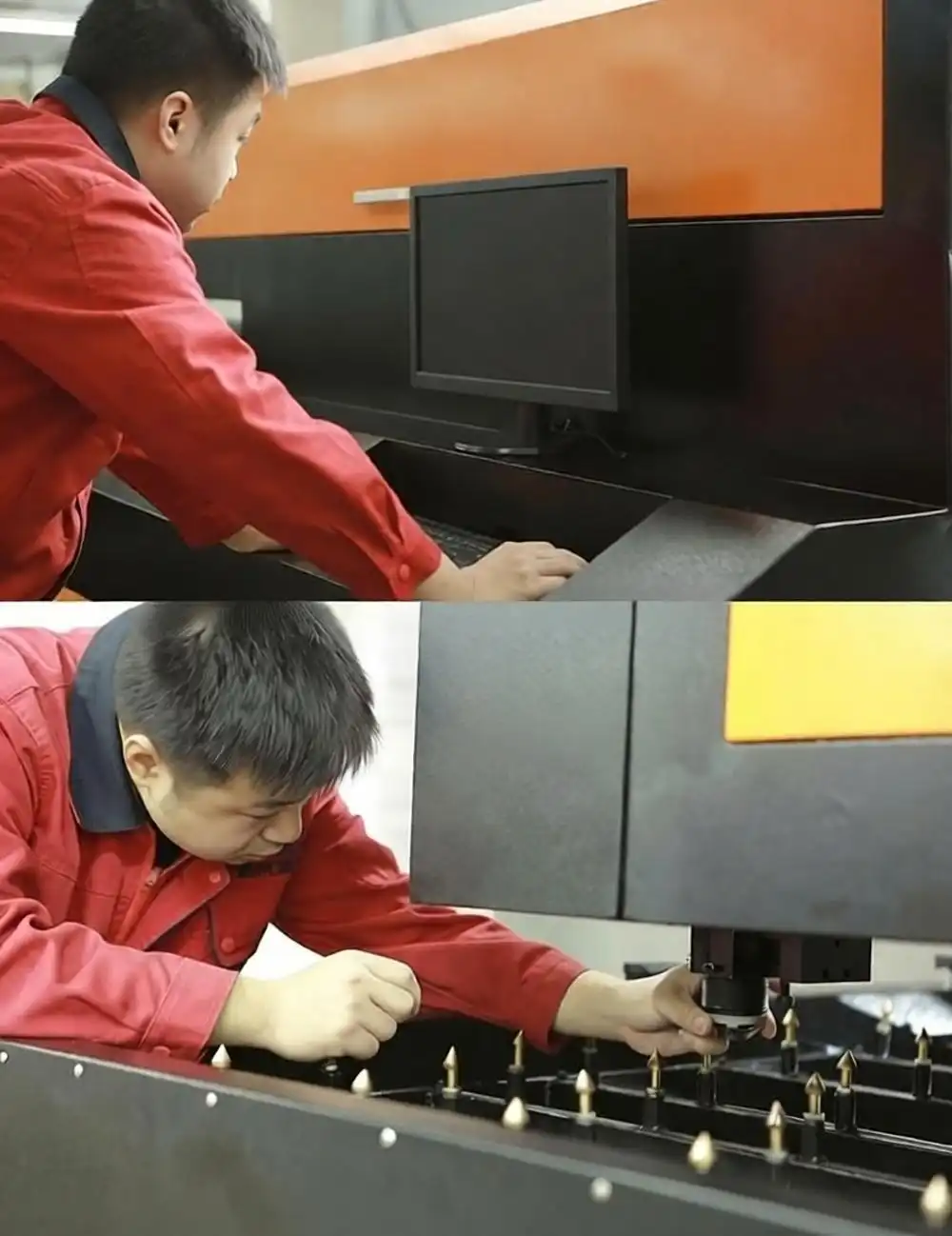
Intelligent design makes the systems cost-effective to operate. Sealed CO2 laser technology cuts as well as more powerful systems with less energy. Competitors use nitrogen or other support gasses, while Perfect Laser equipment just requires compressed air. No gas supply charges apply. Modular components simplify maintenance and reduce the need for spares. Imported ball screws, linear guides, and Panasonic servo motors deliver precision and speed for industrial situations where flow affects earnings.
Perfect Laser distinguishes out in a market where many merchants depart after providing equipment because they care about clients. Our free lifetime consultations, 24/7 professional support, and international engineer installation services ensure your investment always pays off. Our laser system warranty is longer than the industry norm at two years, demonstrating our confidence in the tools. Companies seeking a competitive advantage via high-quality production may trust Perfect Laser. It has over 10,000 global placements and 63 patents that advance technology.
Conclusion
When you look at how efficient laser and traditional methods are, it's clear that laser die cutting machines are better in terms of accuracy, freedom, and long-term prices. Traditional mechanical systems are still useful for some high-volume tasks, but today's industrial needs more and more favor laser technology's ability to handle complicated designs, quick changes, and strict quality standards. Automotive companies that use lasers to mark lasting identification codes, metalworking companies that use lasers to engrave bent tool surfaces, and electronics companies that use lasers to stop counterfeiting all get real benefits from using lasers. The technology has grown up to the point where it can match or beat the stability of mechanical systems while also making it possible to do things that were not possible with older methods. When businesses are thinking about buying new equipment, they should look at the total cost of ownership. This includes how much it will cost to setup, maintain, and change the design. When it comes to these areas, laser systems have clear advantages that can help them compete in tough industrial markets.
FAQ
1. What material thicknesses can laser die cutting machines process effectively?
Modern laser die cutting equipment cuts 15–25 mm die boards, depending on power and material. A 400W or 600W sealed CO2 laser can cut 250 mm wood-based die boards in one pass with a consistent kerf width. Modern systems automatically adjust settings to maintain quality as thickness varies, while cutting speed depends on material density and thermal properties. When strict requirements need good edges throughout the material, many mechanical machines can't perform this.
2. How does laser system maintenance compare to traditional equipment upkeep?
Laser die cutting doesn't need blade sharpening or die maintenance like mechanical methods. The only requirements are optical component cleaning, alignment, and consumables. Clean safety glasses, examine the cooling system, and grease the motion system regularly. Modular quality systems allow skilled operators to do most maintenance without technicians. Without worn cutting tools or mechanical impact forces, laser systems are cheaper than mechanical ones. Different maintenance abilities are needed.
3. Do laser die cutting machines justify their higher initial cost?
Laser die cutting technology pays for itself in 18–24 months despite being more expensive, according to TCO testing. It's cheaper to not buy tools, set up the machine quickly, maintain it, and cut accurately to optimize material consumption. Mechanical systems can't match design modifications' commercial potential without retooling. Serving several consumers with diverse demands speeds payback. When investing in technology, businesses should consider equipment, installation, training, maintenance, consumables, and missed opportunities due to setup delays.
Partner with Perfect Laser for Advanced Die Cutting Solutions
Die board laser cutting equipment from Perfect Laser will transform your packaging and advertising manufacturing. Our 25 mm die board cutting precision is unmatched. Making your company more efficient boosts its competitiveness. As a leading laser die cutting machine manufacturer for 30 years, we can install a 400W or 600W system to meet your company needs and space limits.
Benefits go beyond tool specs. For customer satisfaction, we provide free technical support, ongoing service support, and worldwide professional installation help. Perfect Laser's adaptable equipment saves maintenance and operating costs while marking car parts, engraving metalworking tools, and making electronics with excellent quality. Your firm is stable and supported by CE, TUV, and SGS certifications and over 10,000 pleased customers in five countries.
Get in touch with our staff at [email protected] to talk about your die cutting needs and find out how laser technology can help you make more money. We'll look at your unique needs, suggest the best configurations, and give you thorough cost comparisons that show how much money you'll save in the real world. Perfect Laser has the technology, knowledge, and support you need to reach your manufacturing goals, whether you're updating old mechanical systems or adding new production capabilities. Modern laser die cutting machines can completely change your business, giving you a long-lasting performance edge and a competitive edge.
References
1. Thompson, M. (2022). "Advanced Manufacturing Technologies: Comparing Laser and Mechanical Cutting Systems." Journal of Industrial Engineering, Vol. 45, No. 3, pp. 127-145.
2. Rodriguez, K. & Chen, L. (2023). "Total Cost of Ownership Analysis for Die Cutting Equipment in Modern Manufacturing." International Manufacturing Review, Vol. 18, No. 2, pp. 89-104.
3. Patel, S. (2021). "Precision Machining Methods for Automotive Component Identification and Traceability." Automotive Manufacturing Technology Quarterly, Vol. 29, No. 4, pp. 203-219.
4. Wagner, D. (2023). "Laser Processing Systems: Maintenance Strategies and Operational Best Practices." Industrial Equipment Management, Vol. 37, No. 1, pp. 56-73.
5. Liu, J. & Hoffman, R. (2022). "Material Processing Efficiency in Packaging Industry Manufacturing Systems." Packaging Technology and Science, Vol. 35, No. 6, pp. 441-458.
6. Anderson, T. (2023). "Investment Decision Framework for Manufacturing Equipment Procurement." B2B Industrial Procurement Journal, Vol. 12, No. 3, pp. 178-192.

share your inquiry, get the quotation accordingly.
第一张审核员说包含其他公司不能用_1755049724891.webp)
Perfect Laser – Global Manufacturer of Reliable Laser Solutions