How to Maintain a Laser Cleaner for Long-Term Use?
Maintaining your laser cleaner properly is crucial for maximizing equipment lifespan and ensuring consistent performance across industrial applications. Regular maintenance protocols protect your investment while preventing costly downtime in manufacturing environments. Industrial laser cleaners are easy to use; simply plugging in electricity and turning on the machine allows for instant cleaning without the need for chemical reagents, water, or dust. Your laser cleaner may provide dependable rust removal, coating removal, and surface preparation for years of productive service with methodical maintenance.
Understanding the Importance of Laser Cleaner Maintenance
In tough industrial settings, dependable laser cleaning operations depend on proper maintenance. Procurement managers anticipate steady performance that justifies the capital outlay when they invest in cutting-edge cleaning technologies. Equipment lifetime is directly impacted by routine maintenance because it keeps important parts from deteriorating and maintains ideal cleaning conditions.
Core Components Requiring Regular Attention
The numerous interrelated subsystems that make up modern laser cleaning systems require regular maintenance. The high-energy beam required for contamination removal is produced by the laser source, and it is accurately focused and directed onto target surfaces by optical components. Mechanical assembly guarantees precise placement and movement, while cooling systems guard against overheating during prolonged operations. Safety procedures and cleaning settings are managed via control software.
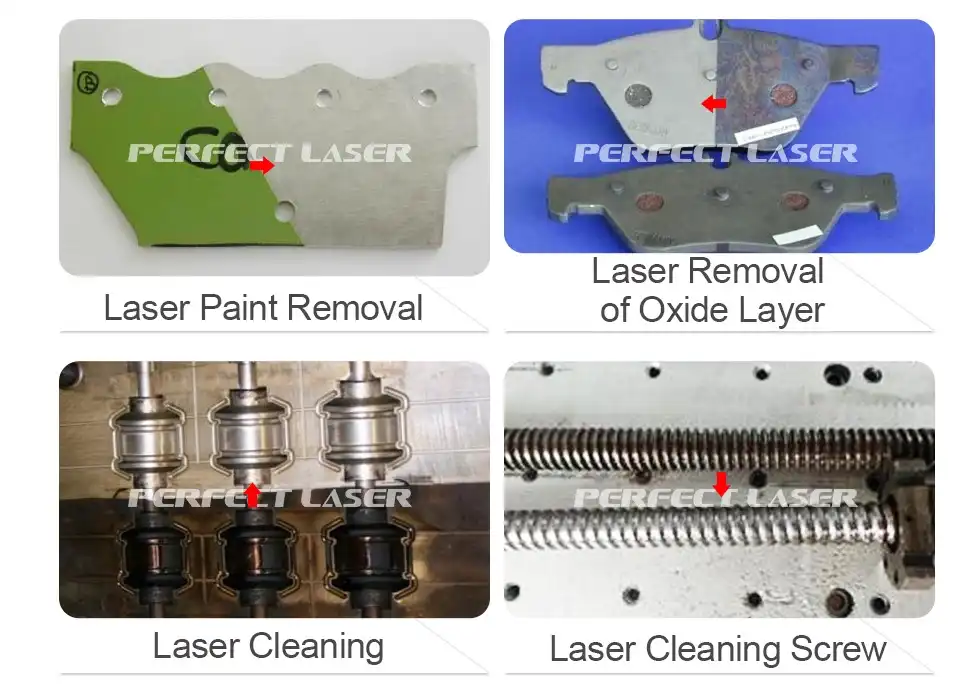
When combined, these components offer precise cleaning results for iron, carbon steel, stainless steel, aluminum, copper alloys, and specialized mold steel gears, among other materials. Ignoring any one component might reduce the effectiveness of cleaning oxidation layers, surface oils, coatings, and embedded contaminants as well as negatively impact system performance overall.
Economic Benefits of Preventive Maintenance
Systematic maintenance programs save a lot of money by reducing the need for emergency repairs, extending the life of equipment, and minimizing production interruptions. Industrial establishments that employ laser cleaning equipment report maintenance cost reductions of 30–40% when planned preventative care is implemented instead of reactive repair procedures. When downtime costs rapidly rise in high-volume manufacturing environments, this financial gain becomes very significant.
Identifying Common Maintenance Challenges and Their Causes
Many operational problems might compromise the reliability and efficiency of industrial laser cleaning equipment. When maintenance personnel are aware of these common problems, they may take proactive measures to minimize equipment failures and guarantee constant cleaning quality.
Environmental Factors Affecting Performance
In severe industrial environments, laser cleaning systems are exposed to dust, humidity, temperature fluctuations, and chemical vapors, all of which can degrade sensitive parts. At production facilities in the automotive, aerospace, and heavy equipment sectors, airborne pollutants accumulate on optical surfaces and cooling system intake filters.
Condensation on optical components can result from humidity levels above 60%, and dust particles smaller than 10 microns can enter protective housings and land on important surfaces. Temperature fluctuations outside of intended operating ranges put mechanical components under stress and have an impact on the stability of laser output.
Operational Issues and Their Root Causes
One of the most common issues influencing laser cleaning performance is power instability. Inconsistent laser output is caused by aged electrical components, insufficient power conditioning, and variations in the electrical grid. Optical contamination lowers beam quality and cleaning efficacy when cleaning debris builds up on lenses and mirrors.
Incomplete updates, faulty configuration files, or mismatched hardware drivers can all lead to software issues. Positioning precision and repeatability are impacted by mechanical wear, especially in high-cycle applications where automated systems run constantly. When maintenance schedules are disregarded or carried out incorrectly, these difficulties get worse.
Impact on Cleaning Performance
Unresolved maintenance problems gradually deteriorate cleaning skills, resulting in decreased rust removal effectiveness, uneven coating removal, and possible substrate damage. Laser energy is scattered by contaminated optics, resulting in hot spots that might harm delicate materials. Power fluctuations lead to irregular cleaning patterns and need several passes to get the right results.
Step-by-Step Laser Cleaner Maintenance Guide for Long-Term Use
Effective maintenance requires structured approaches that address immediate needs while preventing long-term degradation. Laser cleaners benefit from tiered maintenance schedules that balance operational requirements with equipment protection needs. Industrial laser cleaning systems are designed to optimize performance while ensuring long-term reliability through proper maintenance.
Daily and Weekly Maintenance Tasks
Daily maintenance schedules prioritize fundamental system health checks and urgent operating requirements. Operators should ensure cooling system operation, check optical surfaces for contaminants, and confirm laser output characteristics. Extensive cleaning of optical components using suitable solvents and lint-free materials is added to the weekly duties.
Here are the essential daily maintenance activities that ensure optimal performance:
• Optical Inspection and Cleaning: Check for dust, debris, or contamination in the laser output window, focusing lenses, and beam delivery optics. Using optical-grade cloths and isopropyl alcohol, clean surfaces in circular movements from the center outward.
• Power Output Verification: To guarantee reliable energy transmission, use calibrated power meters to measure laser output. To identify progressive power deterioration, record data and compare them to baseline values.
• Cooling System Check: Keep an eye on flow rates, temperature measurements, and coolant levels. Check for leaks in connections and confirm that the system is properly circulating.
• Mechanical Component Assessment: Check structural elements, cable management, and positioning systems for wear, loose connections, or misalignment problems that might compromise cleaning accuracy.
These routine tasks provide baseline conditions and spot new problems before they affect cleaning efficiency. Regular execution minimizes small issues from growing into expensive fixes or prolonged downtime.
Monthly and Quarterly Deep Maintenance
Monthly maintenance plans include parts that need less regular care but are essential to long-term dependability. Comprehensive system assessments that spot wear trends and forecast future maintenance requirements are provided via quarterly inspections. Usually, these tasks require certain equipment and technological know-how.
Software updates are crucial quarterly maintenance operations that address security vulnerabilities and enhance functionality for the laser cleaner. Cooling system maintenance includes replacing filters, replenishing coolant, and thoroughly cleaning radiators and heat exchangers. Comprehensive diagnostics evaluate laser source performance, optical alignment, and mechanical correctness.
In demanding applications like heavy machinery restoration and automobile paint removal, where conventional abrasive techniques like sandblasting generate severe working conditions, preventive measures become especially crucial. Frequent maintenance procedures guarantee consistent cleaning outcomes while shielding equipment from premature wear.
Environment-Specific Maintenance Considerations
Different industrial settings demand unique maintenance procedures that solve distinct operating concerns. While shipbuilding operations expose equipment to salt air and high humidity, aerospace applications require extremely clean conditions and accurate contamination control. Static-free processes and specific cleaning guidelines are necessary for the production of electronics.
Improved filtration and more regular optical cleaning are necessary for manufacturing facilities handling materials that can produce tiny particles. Sanitary practices and certified cleaning supplies that adhere to industry standards are necessary in food processing areas. The choice of technique and maintenance scheduling are influenced by these specific needs.
Safety and Environmental Considerations During Maintenance
Laser cleaning equipment maintenance involves specific safety protocols that protect personnel while ensuring environmental compliance. Industrial facilities must establish comprehensive safety programs that address laser radiation exposure, chemical handling, and waste disposal requirements.

Personal Protective Equipment Requirements
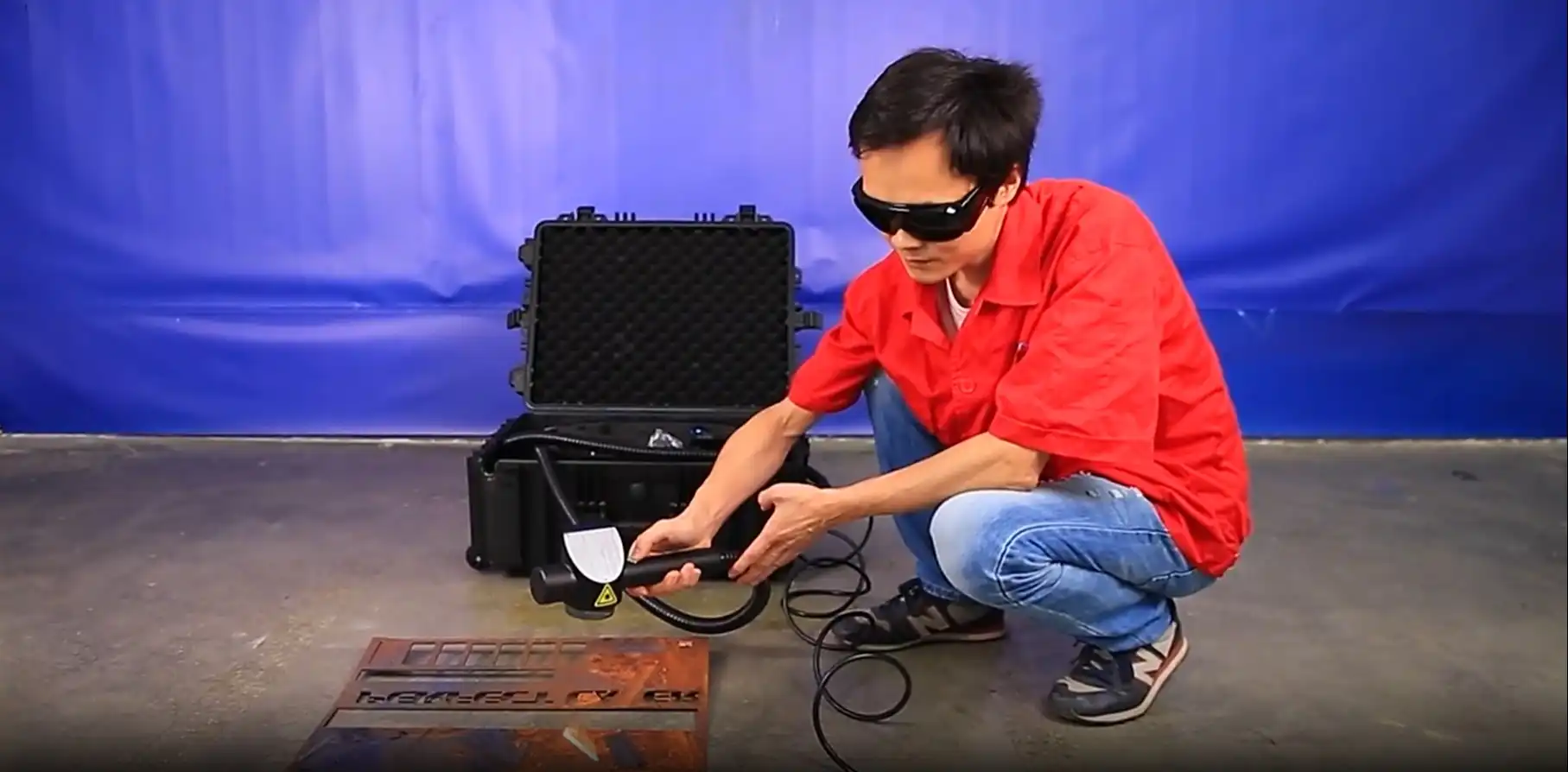
PPE specifically suited for chemical exposure and laser safety is necessary for maintenance workers. During alignment and testing processes, laser safety glasses with the proper optical density ratings guard against unintentional beam exposure. Chemical-resistant gloves shield the skin from coolants and cleaning chemicals.
Respiratory protection becomes crucial while dealing with contaminated filters or in environments where airborne particles may be present. Employees can avoid chemical exposure and contamination of sensitive optical components by donning protective gear.
Environmental Impact Reduction
The environmental effect of modern laser cleaning technology is far lower than that of conventional chemical and abrasive cleaning techniques. Through appropriate waste segregation, chemical recycling, and energy-efficient operation techniques, maintenance processes should highlight this environmental benefit.
Recycling optical components, managing coolant fluids appropriately, and sorting electronic trash in accordance with local laws are all examples of responsible consumable disposal. These procedures guarantee regulatory compliance while supporting company sustainability objectives.
Regulatory Compliance and Certification
Industry certifications provide frameworks for safe maintenance practices for laser cleaning equipment while ensuring compliance with occupational safety standards. Regular training updates keep maintenance personnel current with evolving safety requirements and best practices. Documentation of maintenance activities supports audit requirements and insurance compliance.
Choosing the Right Laser Cleaner for Easy Maintenance and Long-Term Reliability
Long-term maintenance needs and operating expenses are greatly impacted by strategic purchase choices. Modern laser cleaning systems have design elements that improve dependability and performance consistency while making maintenance easier.
Design Features Supporting Easy Maintenance
Modern laser cleaning equipment has a strong emphasis on modular design, which allows for quick component replacement without requiring considerable disassembly. Plug-and-play electrical components cut down on diagnostic time and complexity, while modular optical assemblies enable rapid lens replacements. Clear maintenance indications and automatic diagnostic features are offered via intuitive user interfaces.
Precise placement, ease of use, consistent performance, and broad application adaptability are all provided by intelligent cleaning systems. These cutting-edge features include variable parameter modification that adjusts to different cleaning needs and automated focusing capabilities. While upholding professional-grade performance requirements, portable, lightweight designs improve maintenance accessibility.
Application-Specific Maintenance Requirements
Equipment selection criteria are influenced by the different maintenance requirements imposed by various industrial applications. Micron-level accuracy is necessary for precision machining and mold maintenance, which necessitates strict optical maintenance procedures. Robust designs that can survive challenging working conditions are necessary for heavy manufacturing applications processing railway components and ship hulls.
Here are the key industry applications that benefit from specialized maintenance approaches:
• Aerospace and Automotive Manufacturing: Precise documentation and traceability of maintenance operations are necessary to meet strict quality standards. Accurate alignment and constant beam quality are necessary for surface preparation for welding.
• Electronics and Semiconductor Processing: Contamination-free maintenance practices and specific cleaning guidelines are necessary for clean room settings. Processing circuit boards requires mild cleaning that leaves no chemical residue.
• Conservation and Food Processing: Sanitary maintenance practices and certified cleaning supplies are necessary to meet hygienic criteria. Sensitive surfaces and fragile antiques are safeguarded with gentle cleaning capabilities.
• Precision Machinery and Tooling: Strict calibration and alignment processes are necessary to meet micron-level accuracy requirements. Effective maintenance scheduling and quick component replacement capabilities are necessary for minimal downtime expectations.
These specialized applications demonstrate the importance of selecting equipment designed for specific operational requirements while considering long-term maintenance implications.
Supplier Partnership and Support Services
Building trusting connections with seasoned laser cleaner producers gives you access to thorough maintenance assistance and technological know-how. Reliable suppliers maximize maintenance effectiveness by providing technical advisory services, spare parts availability, and training programs.
In terms of offering cutting-edge laser cleaning solutions together with thorough maintenance support, Perfect Laser is a pioneer in the market. Our deep understanding of various maintenance requirements is ensured by our broad experience in mechanical processing, mold cleaning, electronic circuits, cultural artifact restoration, food processing, aerospace, rail transit, shipbuilding, tire molds, automotive manufacturing, electronics, and high-end machine tools.
Conclusion
Systematic methods that strike a compromise between short-term operating requirements and long-term equipment protection are necessary for effective laser cleaning machine maintenance. Frequent maintenance procedures maximize cleaning efficacy in a variety of industrial applications while maintaining equipment dependability. By lowering downtime and extending equipment life, strategic procurement choices that put maintainability and supplier support first provide the best return on investment. By using fewer chemicals and producing less trash, comprehensive maintenance programs promote sustainable manufacturing practices while safeguarding capital investments.
FAQ
1. How often should a laser cleaner be serviced to ensure optimal performance?
Daily optical checks, weekly component cleaning, and monthly thorough reviews should all be part of routine maintenance routines. While lighter applications might prolong maintenance periods, high-usage industrial settings could need more regular attention. The ideal frequency of maintenance is influenced by environmental factors, operating intensity, and particular application needs.
2. Can regular maintenance reduce the total cost of ownership for a laser cleaner?
By preventing emergency repairs, extending equipment life, and reducing production downtime, systematic maintenance plans dramatically lower overall ownership costs. When organized preventive care is used instead of reactive repair methods, industrial facilities claim maintenance cost reductions of 30–40%. Through increased dependability and consistent performance over the course of the equipment's lifespan, these savings accumulate.
3. Are there differences in maintenance needs between portable and stationary laser cleaners?
Because of the demands of movement and changing environmental conditions, portable laser cleaning systems usually need more regular inspections. Cable management, connection integrity, and protective housing seals require extra care for handheld devices. Although regulated settings are advantageous for stationary installations, thorough cooling system maintenance and accurate alignment verification are necessary.
Partner with Perfect Laser for Superior Laser Cleaning Solutions
For best operation, advanced laser cleaning technology requires professional assistance and trustworthy maintenance relationships. With decades of technical experience and worldwide production experience, Perfect Laser offers complete industrial laser cleaning solutions. Our intelligent cleaning solutions offer steady performance, easy operation, and accurate placement in a variety of industrial applications.
Perfect Laser is a reputable laser cleaner manufacturer that provides full after-sales assistance, including technical training, maintenance consultations, and quick parts availability. Our qualified specialists are aware of the particular needs of heavy manufacturing, electronics, automotive, and aerospace industries. Contact [email protected] to discuss customized maintenance programs and discover how our advanced laser cleaning solutions can optimize your operations while reducing long-term ownership costs.
References
1.Industrial Laser Cleaning Technology: Maintenance Best Practices for Manufacturing Applications. Journal of Advanced Manufacturing Technology, 2023.
2.Preventive Maintenance Strategies for Optical Systems in Industrial Laser Equipment. International Society of Optics and Photonics Technical Review, 2022.
3.Environmental and Safety Considerations in Laser Cleaning System Operation and Maintenance. Industrial Safety and Environmental Protection Quarterly, 2023.
4.Cost-Benefit Analysis of Preventive Maintenance Programs for Industrial Laser Systems. Manufacturing Operations Research Journal, 2022.
5.Comparative Study of Maintenance Requirements Across Different Laser Cleaning System Designs. Precision Manufacturing Technology Review, 2023.
6.Regulatory Compliance and Safety Standards for Laser Equipment Maintenance in Industrial Environments. Occupational Safety and Health Technical Bulletin, 2022.

share your inquiry, get the quotation accordingly.
第一张审核员说包含其他公司不能用_1755049724891.webp)
Perfect Laser – Global Manufacturer of Reliable Laser Solutions