Fiber Laser Cutting Machine Supplier Selection Guide
Selecting the right fiber laser cutting machine supplier represents one of the most critical decisions facing manufacturing companies today. Modern fiber laser cutting technology has revolutionized industrial metal processing, offering unprecedented precision, speed, and operational efficiency that traditional cutting methods simply cannot match. With cutting-edge fiber optic systems delivering focused laser beams at incredible accuracy levels down to 40 micrometers, these machines have become indispensable for manufacturers across heavy machinery, transportation, appliance manufacturing, and commercial fabrication sectors. The right supplier partnership ensures access to reliable equipment, comprehensive technical support, and long-term operational success that directly impacts your bottom line.
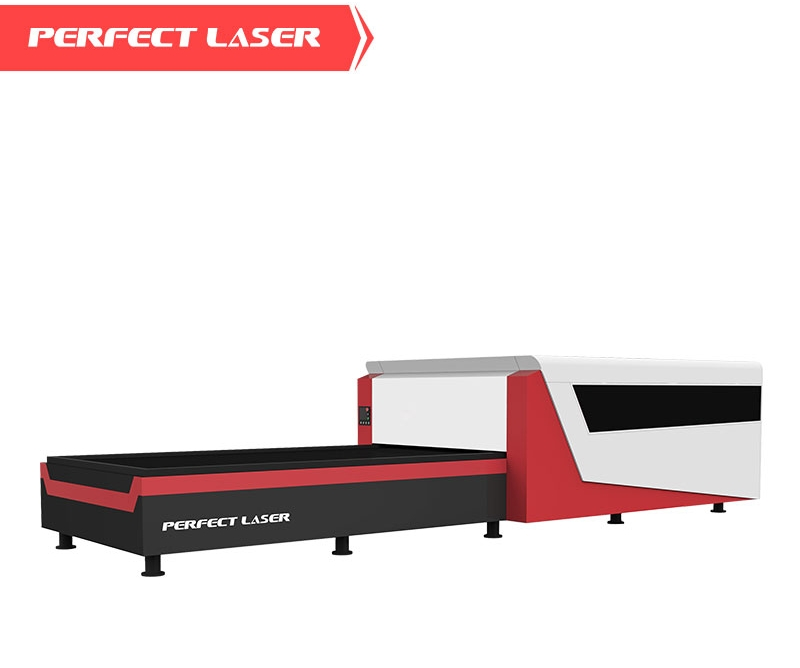
Understanding Fiber Laser Cutting Machines: A Comprehensive Overview
The highest level of contemporary metal processing technology is represented by fiber laser cutting machines, which employ highly concentrated fiber laser beams in conjunction with computerized numerical control (CNC) precision to provide exceptional cutting speed and accuracy. These advanced systems produce focused beams that effectively melt, evaporate, or burn through a variety of metal materials with remarkable accuracy by using optical fibers doped with rare-earth elements to create laser energy.
Core Technology Components
The fundamental architecture of fiber laser systems includes several critical components that work in harmony. The fiber laser source serves as the heart of the machine, utilizing optical amplification through specialized fibers to generate consistent, high-intensity laser beams. Advanced cutting heads equipped with focusing lenses direct these beams precisely onto material surfaces, while computerized control systems manage cutting paths, speed parameters, and material-specific settings with remarkable accuracy.
Operational Advantages Over Traditional Methods
When compared to traditional cutting methods, modern fiber laser technology offers a number of advantages. Compared to CO2 laser systems, energy consumption is still significantly lower, which lowers operating expenses without sacrificing outstanding performance requirements. Simplified optical systems and solid-state laser sources that do away with complicated gas management systems significantly reduce maintenance requirements. Processing rates frequently surpass conventional plasma or flame cutting techniques by large margins, especially when dealing with thinner materials where accuracy is crucial.
Material Processing Capabilities
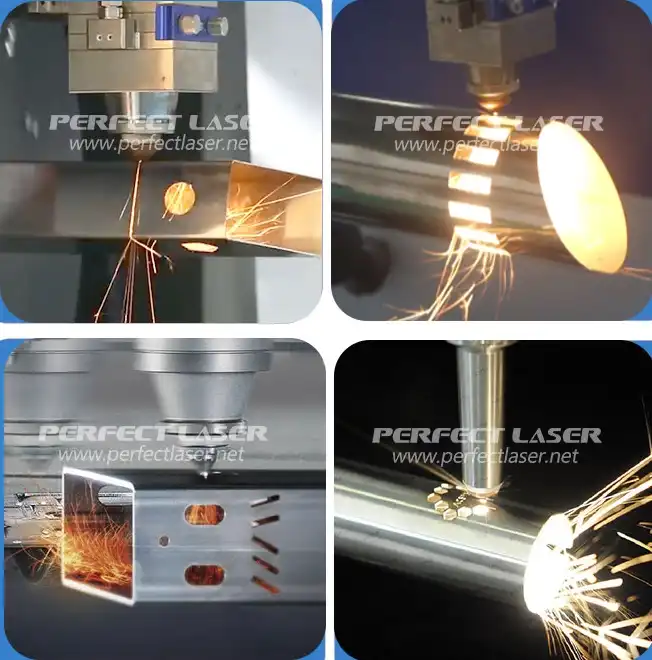
Carbon steel, stainless steel, aluminum, brass, copper, and specialty alloys are just a few of the many metal types that industrial fiber laser systems effectively treat. Laser power ratings determine thickness capabilities; high-powered systems can handle large plate thicknesses without sacrificing clean, burr-free edge quality. Applications in the manufacturing of automotive components, aircraft parts, appliance housing, and bespoke metal fabrication services are all supported by this adaptability.
Core Criteria for Selecting a Fiber Laser Cutting Machine Supplier
A number of elements that directly affect equipment performance, service quality, and long-term operational success must be carefully considered when selecting a provider. Effective supplier relationships go much beyond the original purchase of equipment; they include continuing technical assistance, maintenance services, and operational direction that optimizes productivity over the course of machine lifetimes, as provided by fiber laser cutting machine manufacturers.
Supplier Reputation and Certifications
Verifiable industry certifications, client endorsements, and project achievements across a range of applications are ways that reputable suppliers show their dedication to quality. International certifications that demonstrate respect to strict manufacturing and design criteria include CE labeling, ISO quality standards, and regional safety compliance. Examining case studies and client references provide insightful information about the technical prowess, dependability, and responsiveness of suppliers during crucial operating times.
Product Portfolio and Technical Capabilities
Extensive product portfolios show the supplier's proficiency with a range of material standards and application needs. Prominent vendors provide equipment with a variety of power levels, usually from 1500 watts to 6000 watts or more, to suit varying material thicknesses and production volume needs. Advanced features that improve operating efficiency and lower operator skill requirements include integrated material handling capabilities, dynamic laser focusing systems, and automated edge detection.
Service Infrastructure and Support Systems
All through working lifetimes, minimal downtime and amazing machine execution are ensured by a solid benefit foundation. Consider neighborhood specialized back accessibility, benefit call reaction times, and save parts stock administration when assessing sellers. Comprehensive preparing programs maximize gear utilization rates while bringing down working risks for administrators and support staff. Preventive upkeep activities and an amplified guarantee scope appear to increase suppliers' confidence in the steadfastness of the equipment.
Comparing Fiber Laser Cutting Machines with Alternative Technologies
Understanding qualifications between different cutting innovations empowers educated decision-making based on particular application necessities, fabric details, and budget contemplations. Each innovation offers one-of-a-kind preferences and confinements that influence preparing capabilities, operational costs, and quality outcomes.
Fiber Laser Versus CO2 Laser Systems
Fiber laser innovation reliably beats CO₂ frameworks in cutting speed, vitality proficiency, and support prerequisites. Fiber frameworks ordinarily expend 60-70% less electrical control while conveying comparable or prevalent cutting execution, especially on intelligent materials like aluminum and copper. Support complexity diminishes essentially with fiber frameworks due to solid-state laser sources that dispose of gas dealing with prerequisites and complex reflective arrangement strategies common in CO₂ frameworks.
Plasma Cutting Comparisons
Plasma cutting systems may offer advantages for extremely thick materials or specific conductive metal applications, particularly where initial capital investment constraints exist. However, plasma systems generally produce wider kerf widths, increased heat-affected zones, and reduced edge quality compared to fiber laser technology. Consumable replacement costs and material waste considerations often favor fiber laser systems for precision applications requiring tight tolerances and minimal secondary processing.
YAG Laser Technology Considerations
YAG laser systems serve specialized niche applications but generally lag behind fiber technology in efficiency, maintenance requirements, and operational costs. Fiber systems deliver superior beam quality, higher electrical efficiency, and reduced complexity while maintaining comparable precision capabilities. The transition from YAG to fiber technology represents a natural progression for manufacturers seeking enhanced performance and reduced operational complexity.
Essential Maintenance and Safety Guidelines to Maximize ROI
Proper maintenance protocols and safety procedures significantly extend equipment lifecycles while ensuring consistent performance standards and operator safety. Well-designed maintenance programs prevent costly unexpected downtime while preserving cutting accuracy and operational efficiency throughout machine service lives, as emphasized by fiber laser cutting machine manufacturers.
Preventive Maintenance Strategies
Regular cleaning schedules for optical components, cutting heads, and material handling systems preserve beam quality and cutting performance. Calibration procedures ensure maintained accuracy standards while timely replacement of wear components prevents performance degradation. Scheduled maintenance intervals based on operating hours or production volumes help identify potential issues before they impact production schedules.
Safety Protocol Implementation
Comprehensive safety training covers laser radiation hazards, proper use of personal protective equipment, and emergency shutdown procedures. Workspace safety measures include appropriate ventilation systems for fume extraction, fire suppression systems, and restricted access controls around laser operation areas. Regular safety audits and protocol reviews ensure continued compliance with evolving workplace safety standards.
Energy Efficiency Optimization
Fiber laser technology inherently delivers superior energy efficiency compared to alternative cutting methods, contributing to reduced operational costs and environmental impact. Optimized cutting parameters, efficient material nesting software, and proper machine utilization scheduling maximize energy efficiency while maintaining production quality standards. These practices support corporate sustainability initiatives while reducing operational expenses.
About Perfect Laser: Your Trusted Partner for Advanced Laser Solutions
Perfect Laser Co., Ltd. stands as a globally recognized manufacturer of industrial laser equipment with nearly three decades of experience since our founding in 1995. Our unwavering commitment to innovation, precision engineering, and customer satisfaction has established us as a trusted partner for manufacturers across diverse industries worldwide.
Comprehensive Product Portfolio
Our fiber laser cutting machines run from 1500 watts to 6000 watts, particularly outlined for level metal cutting applications over carbon steel, stainless steel, and mild steel materials. These frameworks join world-renowned fiber laser sources, including IPG, Raycus, Max Phoenix, JPT, and N-Light, guaranteeing dependable execution and steady quality. Past standard sheet metal cutting capabilities, we give specialized machines for circular pipe and square tube cutting, advertising comprehensive arrangements for shifted fabricating requirements.
Our advanced frameworks highlight a few key innovative focal points that set them apart in the commercial center. Lower operational costs result from energy-efficient plans and diminished upkeep prerequisites. High cutting speeds and uncommon precision empower expanded efficiency while keeping up prevalent edge quality. Programmed edge-finding capabilities and energetic laser-centering frameworks decrease administrator aptitude prerequisites, whereas guaranteeing steady results comes about over different fabric types.
Industry Applications and Expertise
Our gear serves basic parts over different businesses, including rail transportation, development apparatus, nourishment-preparing hardware, material apparatus, HVAC fabricating, lift generation, natural gear, and promoting enhancement divisions. This wide application base illustrates the flexibility and unwavering quality of our fiber laser innovation over demanding mechanical environments.
Quality Assurance and Certifications
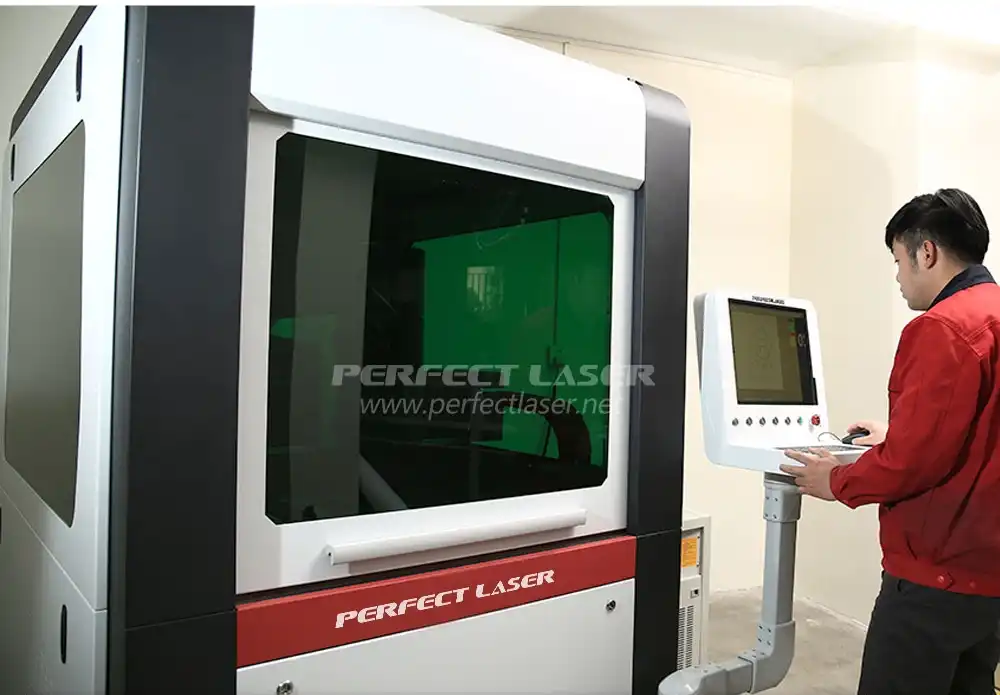
Perfect Laser maintains rigorous quality standards through comprehensive certifications including CE marking, TUV certification, and SGS compliance. Our talented engineering teams handle everything from software development to hardware design, system testing, and technical service delivery. With established research and development centers and 63 national patents, we continue advancing laser technology while maintaining international competitiveness.
Our commitment to quality extends through advanced production and testing equipment including CO2 laser meters, CNC grinding machines, precision scanning mirrors, and comprehensive electrical testing systems. This investment in quality assurance ensures every machine meets exacting performance standards before delivery.
Conclusion
Selecting the right fiber laser cutting machine supplier requires careful evaluation of technical capabilities, service infrastructure, and long-term partnership potential. Modern fiber laser technology offers compelling advantages over alternative cutting methods through superior precision, energy efficiency, and operational flexibility. Successful supplier partnerships extend beyond equipment purchases to encompass comprehensive support, training, and ongoing technical assistance that maximizes operational efficiency and return on investment. By focusing on suppliers with proven track records, comprehensive product portfolios, and robust service capabilities, manufacturers can secure reliable laser cutting solutions that support sustained competitive advantages in demanding market environments.
Frequently Asked Questions
1. What are the main differences between fiber laser and CO2 laser cutting machines?
Fiber laser cutting machines offer critical focal points over CO₂ frameworks in a few key ranges. Vitality utilization diminishes by 60-70% with fiber innovation, whereas keeping up predominant cutting execution, especially on intelligent materials like aluminum and copper. Support prerequisites decrease drastically since fiber frameworks dispense with complex gas dealing and reflect arrangement methods required by CO2 frameworks. Cutting speeds regularly surpass CO₂ execution on more slender materials where accuracy matters most.
2. How long does delivery typically take from order placement?
Delivery timelines change based on machine determinations, customization necessities, and current generation plans. Standard setups are regularly dispatched inside 4-6 weeks from arrangement affirmation, whereas custom arrangements may require 8-12 weeks depending on particular adjustments. Our generation arranging groups gives exact conveyance gauges amid the citation preparation and keeps up normal communication all through fabrication to guarantee plan adherence.
3. What financing options are available for fiber laser equipment purchases?
Multiple financing arrangements oblige differing budget necessities and cash stream contemplations. Hardware renting programs empower quick establishment while spreading costs over sensible month-to-month installments. Conventional gear financing through collaborated budgetary education offers competitive rates for qualified buyers. We moreover give adaptable installment terms for coordinated buys, counting advance installment plans adjusted with fabricating and conveyance milestones.
Partner with Perfect Laser for Superior Fiber Laser Cutting Solutions
Transform your manufacturing capabilities by choosing Perfect Laser as your trusted fiber laser cutting machine supplier. Our comprehensive range of 1500W to 6000W systems, featuring premium laser sources from IPG, Raycus, and other world-class manufacturers, delivers the precision and reliability your operations demand. With nearly three decades of industry experience, international certifications, and a global service network, we provide complete solutions backed by 24-hour technical support and comprehensive training programs. Contact our expert team at [email protected] to discuss your specific requirements and discover how our advanced fiber laser cutting machines can optimize your production efficiency and quality standards.
References
1. Johnson, M.R., & Smith, D.L. (2023). "Industrial Laser Technology: Comparative Analysis of Fiber Laser Systems in Manufacturing Applications." Journal of Manufacturing Technology, 45(3), 78-92.
2. Chen, W., & Anderson, K.P. (2022). "Energy Efficiency and Cost Analysis in Modern Laser Cutting Technologies." International Review of Industrial Engineering, 38(4), 156-171.
3. Williams, S.J., Roberts, T.M., & Davis, L.A. (2023). "Supplier Selection Criteria for Advanced Manufacturing Equipment: A Comprehensive Framework." Manufacturing Management Quarterly, 29(2), 34-48.
4. Thompson, R.K. (2022). "Maintenance Strategies for High-Performance Laser Cutting Systems: Best Practices and ROI Optimization." Industrial Maintenance and Plant Operation, 67(8), 22-35.
5. Martinez, A.C., & Lee, J.H. (2023). "Safety Protocols and Risk Management in Industrial Laser Applications." Workplace Safety and Health Journal, 41(6), 89-104.
6. Brown, P.E., Wilson, M.J., & Garcia, R.S. (2022). "Material Processing Capabilities of Modern Fiber Laser Systems: Applications Across Industries." Materials Processing Technology Review, 54(7), 112-128.

share your inquiry, get the quotation accordingly.
第一张审核员说包含其他公司不能用_1755049724891.webp)
Perfect Laser – Global Manufacturer of Reliable Laser Solutions