Fiber Laser Cutting Machine Maintenance Guide
Taking care of a fiber laser cutting machine isn't just about keeping it from breaking down; it's also about protecting your production capacity and making sure the quality stays the same. Good repair has a direct effect on your bottom line, whether you're cutting thick steel plates for big machinery or precise sheet metal for car parts. Even though modern fiber laser systems are very reliable, they still need to be carefully maintained in order to work the way that manufacturing shops, companies that make heavy machinery, and transportation companies count on them every day. Knowing the basics of upkeep can help you get the most out of your equipment's life and keep it from breaking down at inconvenient times, which can cause shipping delays and broken promises to clients.
Understanding Common Fiber Laser Cutting Machine Issues
Using a fiber laser system means dealing with a number of possible problems that could affect the cutting quality and the ability to keep production going. If you catch these problems early, you can choose between making quick changes and shutting down for a long time.
Beam Quality and Cutting Performance Degradation
One of the most common problems users run into is beam instability. When the laser beam loses its targeted strength, the edges will be less smooth, more dross will form, and the cutting speed will slow down. This damage usually happens because the protected screens are dirty, the optical parts are out of place, or the cooling isn't working properly. Heavy machinery makers who cut thick steel plates are especially at risk because garbage builds up faster during long periods of high power use.
Environmental and Operational Factors
The setting where you work has a big impact on the health of your tools. Changes in temperature can make machines less accurate, and high humidity can cause condensation, which can damage sensitive electronics and glasses that are sensitive. Dust and metal bits in the air in the workshop land on important parts over time, making the system less effective. Transportation companies that work multiple shifts need to think about how these natural factors build up over long production cycles.
Component Wear and System Degradation
Systems wear out over time, even if they are well taken care of. Nozzles break down when they are exposed to heat and metal spray. Constantly speeding up and slowing down wears down the parts of the drive system. As filters get clogged and fluid breaks down, the cooling system works less well. If these slow changes aren't noticed, they can cause sudden crashes that stop output without warning. Managers in charge of buying things know that replacing parts on a regular basis is much cheaper than fixing them in an emergency, which could mean missing a delivery date.
Comprehensive Maintenance Checklist for Fiber Laser Cutting Machines
Setting up an organized repair schedule for a laser cutting machine will protect your investment and maintain the quality of the cuts. The schedule below strikes a balance between thorough care and operating speed
Daily Maintenance Procedures
Every day of production starts with important checks that stop problems before they happen. Check to see if the safety lenses and screens are dirty, and use the right cleaning products to get rid of any dust or residue. Check that the cooling systems keep the right temperature ranges. Laser sources such as IPG, Raycus, and JPT work within certain thermal factors that affect the steadiness of the beam. Make sure that the pressure of the help gas stays the same and that the tubes don't have any damage that can be seen. These quick checks only take minutes, but they save hours of fixing later.
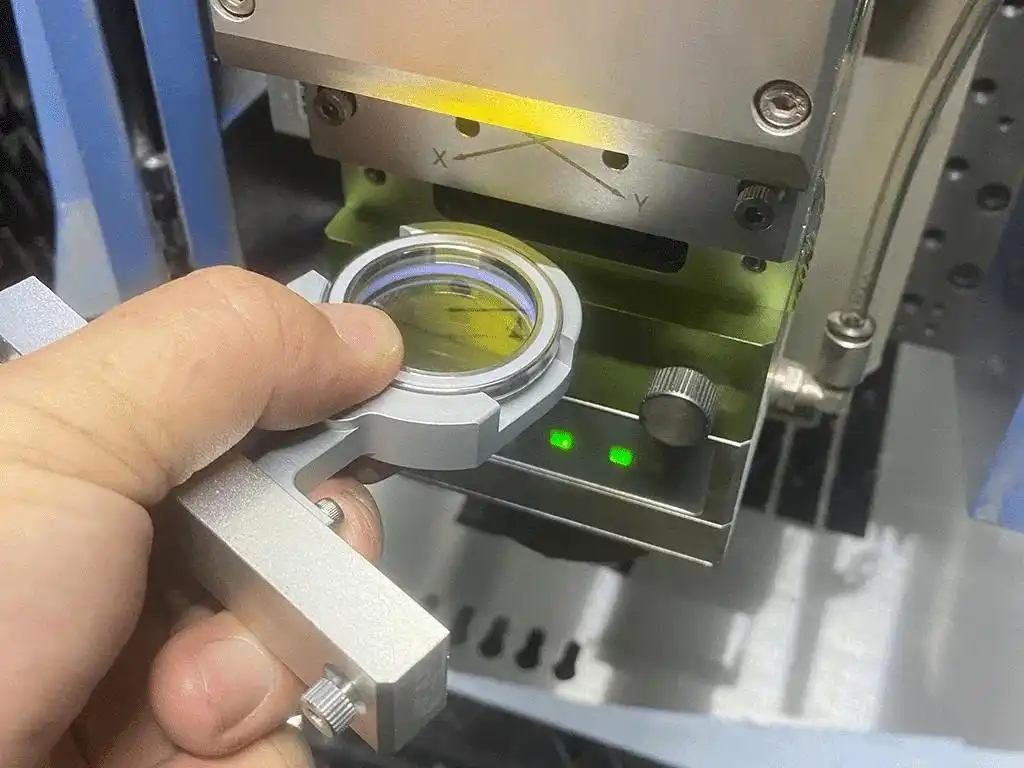
As you walk around the machine, listen for any strange sounds, movements, or warning signs. Check the cutting sample quality from the last shift for changes in edge smoothness or kerf width that could mean problems are starting to form. Clear out the cutting table and collection system of any waste to keep things from piling up and making the action less accurate.
Weekly and Monthly Maintenance Tasks
Set aside some time every week to look at the method in more detail. Clean or repair the air screens that keep dirt and dust out of the internal parts of the workshop. As directed by the maker, grease linear guides, rack and pinion systems, and other mechanical parts. Check lines and wire chains for wear patterns that could cause them to break.
As part of monthly maintenance, the accuracy is checked. Use the right monitoring tools to check the beam alignment and make sure the laser path stays in the best possible shape. Check the accuracy of the cutting by using common parts and comparing their sizes to the specs. Look through software logs for trends of errors that could mean problems are getting worse. When makers release fixes that make software more stable or add new features, you should install them.
Annual Comprehensive Servicing
Set up a full inspection by trained experts once a year. This includes a full evaluation of the optical system, testing of the laser source's performance, and evaluation of mechanical parts. Replace items like cooling system filters, focus lenses, and nozzle parts, even if they don't seem to be broken. It's cheaper to replace them before they break than to fix problems that happen because of failure.
Recalibrate the whole system to get it back to its original speed levels. Heavy machinery makers who cut materials up to 40 mm thick can really benefit from this once-a-year restart because it fixes the problem of mechanical wear that affects setting accuracy over time. Keep track of all repair tasks so you can see patterns in performance and guess when to replace parts in the future.
Best Practices for Fiber Laser Cutting Machine Care and Longevity
Besides regular repair, the way things are used has a big impact on how long equipment lasts and how consistently it cuts.
Environmental Control and Operator Training
Keep the workshop in the conditions suggested by the maker. Stable temperatures between 20°C and 25°C keep mechanical precision from being affected by problems with thermal expansion. Keeping the humidity below 60% lowers the chance of condensation on optical parts. Set up ventilation and filter systems that work well and catch flying pollutants before they land on equipment.
Spend a lot of money on teaching operators in the laser cutter. People who have been trained well can spot early warning signs that computers might miss. They know how to properly load materials so that they don't damage the table and how to change the cutting settings so that they work with different sizes and materials. Manufacturers of industrial systems that work with a wide range of materials, from aluminum to stainless steel, gain greatly from having workers who know how the properties of the material affect the best settings for the machine.
Energy Efficiency and Cost Management
Regularly check the output efficiency of the laser source. When efficiency goes down, it means that there may be problems that need to be fixed before they affect the quality of the cutting. Improve the way your cooling system works. Chillers that are too big or too inefficient waste energy, and units that are too small can make the beam less stable. Commercial production shops that work on jobs of different sizes should create parameter sets that make setup as quick as possible while still making sure that the right amount of power is used for each task.
Keep an eye on how much compressed air and gas are being used. Unexpected rises often cause signal leaks or problems with parts that need to be fixed. Managing gas properly cuts costs by a large amount over thousands of hours of production.
Safety Protocol Adherence
Safety and upkeep go hand in hand in a big way. Follow strict lockout/tagout steps before you do any service work. Even when the machines look like they are turned off, the electrical parts in laser systems still have dangerous voltages. Teach repair workers how to use personal safety equipment (PPE), such as the right glasses to wear when working near active laser sources.
Set up clear ways for the production and support teams to talk to each other. Unexpected behavior from tools should be looked at right away instead of continuing to use it, which could do a lot of damage. Transportation companies that have to stick to tight production plans may feel pushed to put off repair, but the cost of big failures is much higher than the effects of planned downtime.
Troubleshooting and Problem-Solving Strategies
Even with good care, problems do happen from time to time that need to be systematically identified and fixed.
Diagnosing Beam Quality Issues
When the quality of the cut gets worse, you should start with an optical path check. Check each lens and protected window for dirt or damage. Even small flaws in the surface spread the beam energy, which makes cutting less effective. Make sure the focusing point stays in the right place. If the focus distance is off, the edges won't be as sharp and the cutting speed will slow down.
Use the right troubleshooting methods to check the orientation of the beams. Cutting patterns that aren't even and kerf widths that aren't uniform are caused by misalignment. If the alignment checks go well but the problems still happen, use diagnostic tools allowed by the laser source maker to check how well it is working. New sources from IPG, Max Phoenix, and N-Light have built-in tracking that finds speed degradation.
Addressing Software and Control System Problems
Control system problems are often fixed by following a set of steps to restart the system. By turning off and on the system's power, the capacitors can fully drain before the system is turned back on. Make sure that all of the wire connections are still tight. Over time, vibration can make joints come loose. Check for problems that may have been caused by recent program updates or changes.
If the mistakes keep happening, look through the error logs for trends that show which parts are failing. There is a lot of troubleshooting information stored in many control systems that trained techs can use to quickly find problems. Keep backup copies of software settings that have been shown to be stable so that you can quickly restore them if changes cause problems you didn't expect.
Mechanical Wear Identification
Pay close attention to how the machine works. Changing motor sounds, strange noises, or motion patterns that don't make sense are all signs of mechanical problems that are getting worse. Check the drive parts for clear signs of wear. Rack teeth that are worn down, belts that are broken, or couplings that aren't working right can make positioning less accurate, which is needed for precise cutting.
Use precise measuring tools to check the correctness of motion. When backlash or positioning mistakes get worse, it means that a part needs to be replaced before it breaks. Heavy equipment makers can't stand it when expensive materials get damaged during placement problems because they need consistent hole spacing and tight standards.
Choosing the Right Maintenance Support and Service Providers
How long your equipment lasts rests in part on the system that backs it up.
Evaluating Manufacturer Support Capabilities
When choosing equipment providers, make sure you fully understand how committed they are to you after the sale. Reputable makers, such as Perfect Laser, offer a wide range of support services, such as expert help, access to extra parts, and regular service updates. Perfect Laser has built global support networks in Germany, Japan, Italy, Russia, Brazil, India, and the United Arab Emirates since 1995. This way, you can get help no matter where you are.
The coverage of warranties in fiber laser cutting machines changes a lot from one provider to the next. Standard guarantees usually cover major parts for one to two years, but it's very important to know what they don't cover and how long they say they'll respond. Machines that work with valuable materials can't afford to be down for long periods of time while they wait for parts or repair clearance.
Spare Parts and Consumables Management
Keep a stockpile of important spare parts that is right for the amount of output you're doing. Businesses that do a lot of work should keep extra tools, protective screens, and focus lenses on hand so that they don't have to wait for parts to break down. Build ties with sources that offer fast shipping. Commercial fabricators who work on pressing custom projects need to be able to get parts quickly.
Make sure that the new parts meet the requirements of the original equipment. Substitutes that aren't up to par lower the quality of the cuts and could damage other parts of the system. Perfect Laser uses fiber laser sources from well-known brands like IPG, Raycus, Max Phoenix, JPT, and N-Light to make sure stable performance backed by global service networks. When looking for supplies, make sure they work with your laser source and power level. Systems that use 1500 to 6000 watts of power need parts that are rated correctly.
Service Contract Considerations
Look at preventive repair plans based on how busy the business really is. Machines that only work one shift need to be serviced less often than machines that work all the time. To avoid unexpected costs, contract terms should spell out reaction times, what is covered, and trip costs.
Think about training packages that improve the ability to do internal repair. Specialized fixes need factory experts, but trained operators can do regular maintenance that lowers service costs and speeds up response times for small problems. Textile gear and food processing equipment makers often build strong internal maintenance teams that handle daily and weekly tasks. For yearly full service, they rely on outside help.
Conclusion
Fiber laser cutting machine goes from being complicated technology to dependable workhorses that give the same results every year with regular repair. Taking care of the optical cleaning and cooling system function every day stops problems before they happen, and weekly and monthly maintenance checks catch problems as they start to happen before they become failures. Comprehensive service once a year returns peak performance and greatly increases the equipment's useful life.
In addition to following the steps that are supposed to be taken, controlling the surroundings and teaching operators make it so that the equipment does better than just surviving. When your team knows the basics of fixing, they can quickly fix small problems and tell when they need professional help. When you choose suppliers with strong support systems, you can be sure that you will always be able to get help when you need it. This keeps downtime from messing up production plans and breaking customer promises.
FAQ
1. How often should I clean the protective window on my laser cutting system?
Cleaning the protected windows every day is an important part of preventative maintenance, especially when cutting materials that make a lot of waste. If you don't want to scratch optical surfaces, only use cleaning products that the maker recommends and lint-free cloths. Systems that cut carbon steel repeatedly may need to be cleaned more than once during a shift. On the other hand, handling stainless steel creates less contamination and needs less attention less often.
2. What signs indicate my laser source requires professional service?
Loss of cutting speed, even though the settings are correct, more trouble cutting materials that were previously easy to work with, and a noticeable drop in beam quality are all signs of problems with the laser source. Diagnostic systems in modern sources keep an eye on internal conditions; they pay close attention to danger signs right away. Under normal conditions, the average laser source lasts more than 100,000 hours. However, if the cooling system is contaminated or there is too many heat cycles, the lifespan is greatly reduced.
3. Can I perform calibration procedures without factory technician assistance?
Operators can still do basic parameter checking as long as they use the right measuring tools and follow the written steps. For full optical alignment and mechanical calibration, you usually need special tools and training that only plant workers have. If you try to do complicated adjustments without the right tools, you could damage sensitive parts or make alignment problems worse than they were before.
Partner with Perfect Laser for Reliable Maintenance Support
To keep your laser cutting equipment running at its best, you need both organized internal processes and trusted outside help partnerships. With over 30 years of experience, Perfect Laser is a reliable company that makes fiber laser cutting machines for heavy machinery, transportation, and manufacturing shops around the world. Our range of tools has power outputs from 1500 to 6000 watts, which means it can cut thick steel plates, precise sheet metal, and everything in between.
We know that worries about upkeep have a big impact on buying choices. Because of this, our machines naturally need little upkeep because they are built to last and use only proven parts. Automatic edge finding and dynamic laser focusing systems cut down on factors that depend on the operator and would need to be adjusted often otherwise. When service is needed, our world support network is ready to help, and we have a wide range of extra parts available.
Our tech team is still available to talk about your unique working setting and repair needs. We offer advice that matches the technology's powers with your production needs, whether you're looking at a new fiber laser cutting machine for sale or trying to get the most out of the tools you already have. Please email us at [email protected] to talk about how our services can help the advertising, HVAC manufacturing, food processing equipment, rail transportation, and building machinery businesses. Our online service is available 24 hours a day, 7 days a week, so technical questions are always answered quickly, no matter what time zone they are in.
The fact that Perfect Laser is certified by CE, TUV, and SGS shows that we are dedicated to high standards that protect your investment. Our two-year warranty on marking systems and one-year guarantee on cutting tools show that we are confident in the quality of our manufacturing, which means that you won't have to worry about maintenance from the start.
References
1. Laser Institute of America. (2021). Industrial Laser Safety and Maintenance Standards: Best Practices for Manufacturing Operations. Orlando: LIA Publications.
2. Powell, J., & Kaplan, A. (2020). Fiber Laser Cutting Technology: Principles, Applications, and Maintenance Protocols. Berlin: Springer Advanced Manufacturing Series.
3. International Organization for Standardization. (2019). ISO 11553-2: Safety of Machinery - Laser Processing Machines - Part 2: Safety Requirements for Laser Cutting Machines.
4. Chen, M., & Williams, R. (2022). "Predictive Maintenance Strategies for High-Power Fiber Laser Systems in Heavy Manufacturing." Journal of Manufacturing Systems, 64(3), 289-304.
5. German Machine Tool Builders' Association. (2021). Maintenance Guidelines for Industrial Laser Equipment: Technical Documentation and Service Intervals. Frankfurt: VDW Publications.
6. National Institute of Standards and Technology. (2020). Calibration Procedures for Precision Laser Cutting Equipment: Measurement Science Applications. Gaithersburg: NIST Technical Report 1875.

share your inquiry, get the quotation accordingly.
第一张审核员说包含其他公司不能用_1755049724891.webp)
Perfect Laser – Global Manufacturer of Reliable Laser Solutions