Fiber Laser Cutter Selection Guide for Buyers
To pick the best fiber laser cutting machine, consider your production, operational, and long-term company objectives. Industrial consumers of laser cutting technology must determine power requirements and source reliability. Fiber laser cutting machines employ optical fibers to concentrate and swiftly cut various metals. This thorough handbook streamlines the complex decision-making process for procurement personnel to choose tools that enhance production and minimize expenses.
Understanding Fiber Laser Cutting Machines: Technology and Advantages
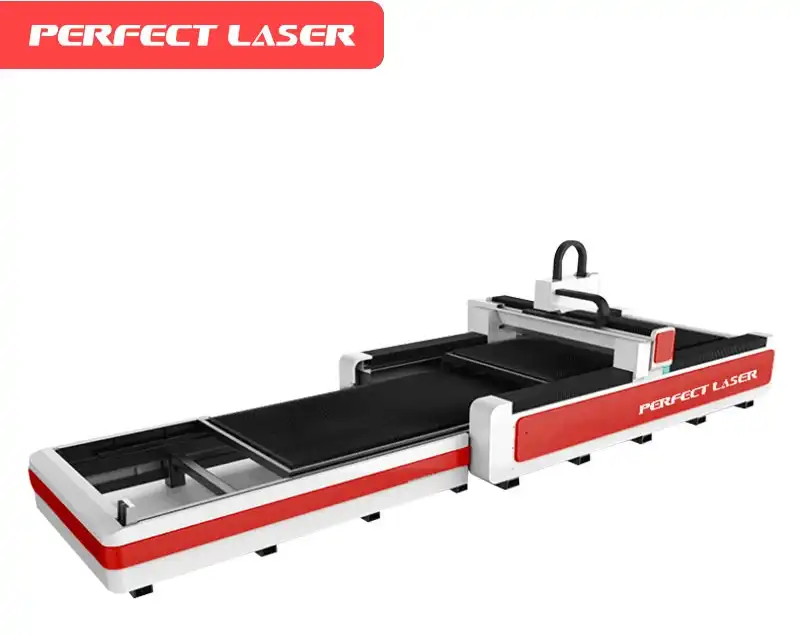
Cutting-edge fiber laser cutting devices offer precise, fast metal cuts for business-to-business. These systems employ powerful fiber lasers. An optical cable with rare-earth elements like ytterbium delivers strong light. Laser light focuses on a lens via fiber optic cable. A concentrated energy region may melt, burn, or evaporate materials accurately.
Superior Performance Characteristics
Science makes fiber lasers better at cutting than prior methods. CO2 lasers have sophisticated mirror systems, whereas fiber lasers do not. Beam quality is maintained during cutting. Metals absorb light best at 1064 nanometers. Cutting is quicker and edges seem better.
Energy Efficiency and Cost Benefits
Fiber lasers consume less power than previous laser systems because they may attain 45% electrical efficiency. This reduces running expenses and environmental impact. Traditional systems need gas filling, laser tube replacement, and mirror adjustment. Solid-state architecture eliminates these issues. fiber laser cutting machines save 50–70% of energy over CO2 machines, according to companies.
Minimal Maintenance Requirements
Fiber laser devices don't need as much upkeep because they are built to last. Fiber lasers work reliably for long periods of time with little maintenance, unlike gas lasers that need tubes and mirrors to be cleaned and replaced on a frequent basis. Because there are no moving parts in the laser generation process, it has very high uptime rates, which are very important in settings with a lot of output.
Key Factors to Consider When Selecting a Fiber Laser Cutter
You must weigh several scientific and practical considerations to pick the best fiber laser cutter. Knowing your application's demands is the first step to making a good purchase decision that meets current and future needs.
Material Specifications and Cutting Requirements
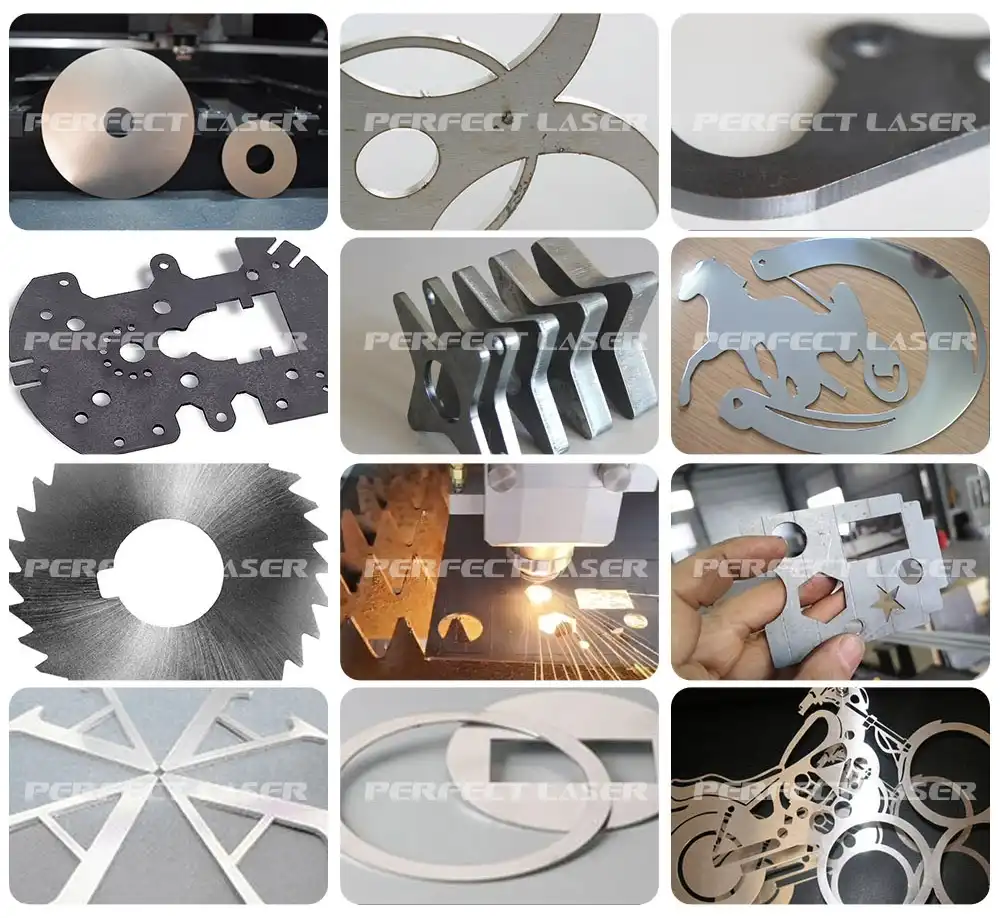
Varied industries demand varied cutting skills depending on material and thickness. Manufacturing heavy equipment with 10mm to 50mm steel plates requires 3000W to 6000W high-power systems. Transportation manufacturers excel in sheet metal processing for body panels and other elements. Precision and edge quality trump cutting power. Working with different metals affects your laser choice. Lower power levels cut carbon steel effectively, while stainless steel and aluminum need setting tweaks for optimal results. Some systems can handle reflective brass and copper, but not all.
Power Requirements and Production Volume
Laser power depends on cutting speed and material thickness. A 1500W fiber laser cutting machine can cut 8 mm materials. It cuts plates over 25 mm thick at 6000W. Production also impacts electricity choice. Power speeds up cycle times for mass-produced goods, although work shops may favor flexibility above speed.
Machine Configuration and Workspace Considerations
The largest piece of work you can cut depends on the size of your cutting table. Standard sizes range from 3000mm x 1500mm for small activities to 6000mm x 2000mm for making a lot of things. When deciding on workspace measurements, you should think about how much room your facility has, how much material you need to move, and whether you want to add on in the future. More advanced features, like automatic loading systems, dual-table setups, and built-in storage solutions, make work easier but cost more. Think about these choices based on your unique workflow needs and how much staff costs.
Market Insights and Supplier Selection: Making a Rational Procurement Decision
The process of buying fiber laser cutting machine systems includes more than just looking at the technical specs. It also includes judging the quality of the service, figuring out the total cost of ownership, and evaluating the suppliers. By understanding how the market works and what suppliers can do, you can be sure to work with makers who will help your business succeed in the long run.
Leading Laser Source Technologies
When selecting a fiber laser cutting machine, laser source performance directly impacts cutting speed, precision, and long-term stability. Perfect Laser offers flexible configurations with high-quality fiber laser sources, ensuring efficient energy output and consistent cutting results across various metal materials. Combined with advanced control systems and strict testing standards, these machines deliver reliable performance, low maintenance, and optimized efficiency, helping buyers make a rational and cost-effective procurement decision.
Supplier Evaluation Criteria
Beyond tool specs, supplier capabilities affect laser cutting machine success. Check prospective partners' professional assistance, replacement parts, and service response times. Skilled technicians and local service locations reduce downtime and speed up repairs. Quality approvals for manufacturing like ISO 9001, CE marking, and TUV compliance show that the product meets foreign quality standards. When a company sells goods in a regulated industry or an overseas market where equipment compliance affects product acceptance, these licenses become even more important.
Warranty and Support Considerations
Full warranty protection keeps your investment safe and gives you peace of mind during the important early working time. Standard warranties usually cover important parts for 12 to 24 months, and laser sources usually get longer coverage terms. Carefully read the guarantee terms, paying special attention to what they don't cover, how long they say they'll respond, and if they offer local help. Training programs for workers and repair staff make sure that equipment is used properly and that it lasts as long as possible. Suppliers who offer full training packages show that they care about their customers' success and want to build long-term relationships with them.
How to Evaluate and Finalize Your Fiber Laser Cutter Purchase
To complete the purchase of a fiber laser cutting machine, you need to carefully compare the technical features with the operational needs, as well as carefully evaluate the seller and come up with ways to reduce risk. This organized method makes sure that the capabilities of the tools are in line with the company's goals, and it also lowers the risks associated with purchasing it.
Technical Specification Benchmarking
Compare the cutting capacity specs from different brands, paying special attention to the thickest materials that can be cut, the ranges of cutting speeds, and how accurately the blades can be placed. Pay close attention to acceleration rates and fast travel speeds because they have a big effect on cycle times in places where there is a lot of mix. The specs for positioning accuracy should match the tolerances you need. Most systems can achieve repeatability of ±0.03mm, which is good enough for most commercial uses. The powers of a control system affect both how well it works and how easily it can be upgraded in the future. Modern CNC controls have advanced nested software, automatic parameter optimization, and remote tracking features that make them more productive and lower the level of skill needed by operators.
Supplier Reliability Assessment
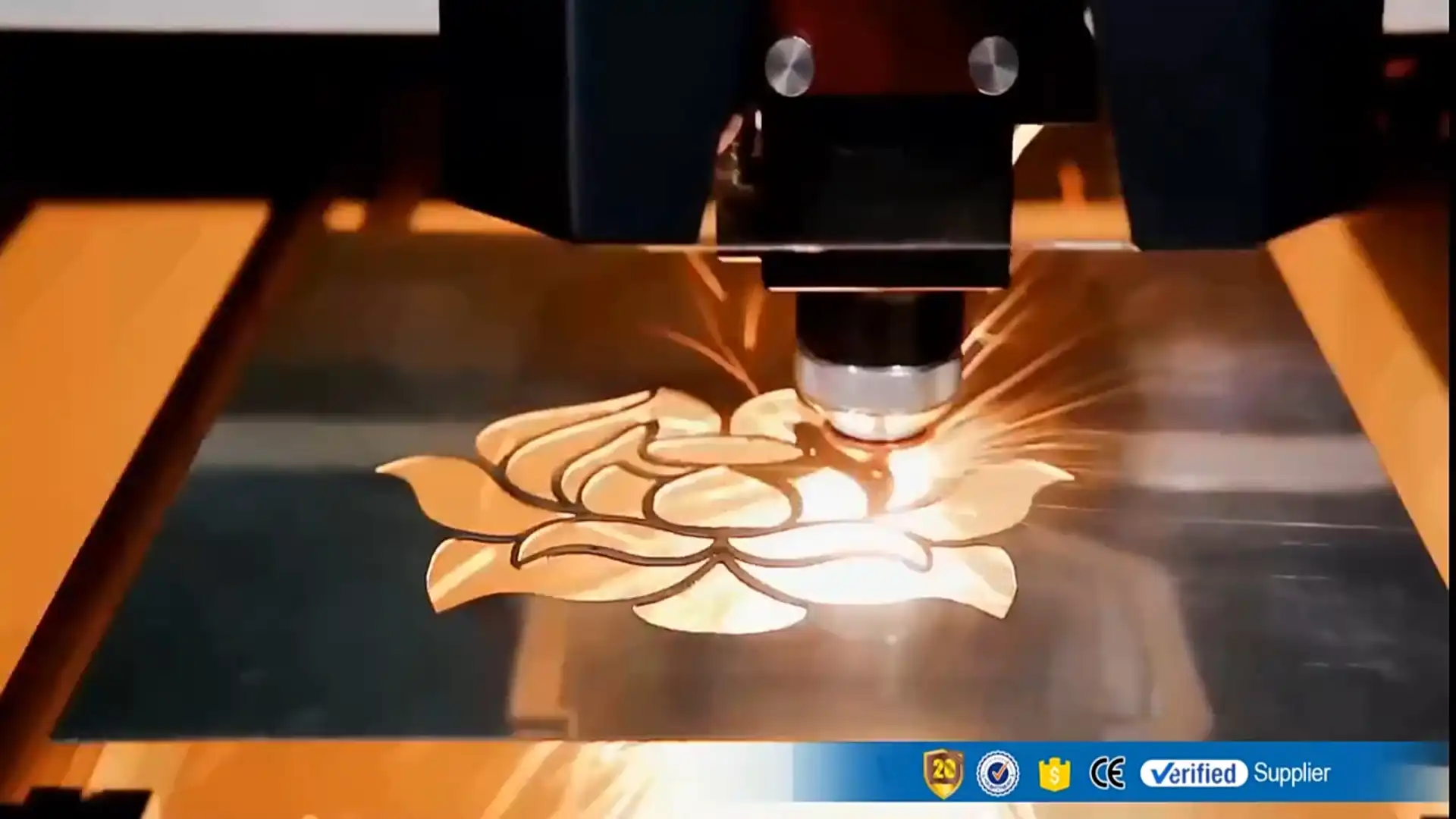
Case studies and customer reviews may reveal a provider's laser cutting machine's real-world performance. Ask existing users in relevant sectors how the equipment performs, how excellent the service is, and how happy they are with the experience. Industry reviews and third-party assessments reveal a supplier's competence and reputation. To prove that performance claims are true, ask for sample cuts made from the materials and sizes you want to use. This hands-on test shows you the real cutting quality, edge finish features, and operating factors that have an impact on your production processes.
Return on Investment Analysis
Find the total cost of ownership, which includes the price of buying the tools, the cost of setting it up, the cost of hiring staff, and the ongoing costs of running the business. When making ROI estimates, you should think about how much energy the business will use, how much maintenance it will need, and how much output it expects to gain. Many makers say that replacing earlier cutting technologies with newer fiber laser systems pays for itself in 18 to 36 months. Think about finance and leasing choices that can help your cash flow while giving you access to the newest technology. Some sellers offer flexible payment plans or programs to improve equipment, which lowers financial risk and makes sure that customers can use new technologies.
Ensuring Long-Term Satisfaction and Performance Optimization
To get the most out of your fiber laser cutting machine, you need to follow best practices when setting it up, using it, and keeping it in good shape. When these practices are used correctly, they ensure consistent performance, extend the life of tools, and keep competitive benefits throughout the working life cycle.
Installation and Setup Best Practices
Professional installation by qualified experts guarantees the best performance and compliance with the warranty. The quality of the compressed air, the electrical links, and the weather controls all have a big effect on the quality of the cutting and the life of the equipment. Adequate air systems and the ability to remove fumes keep the workplace safe and keep sensitive optical components from getting dirty. Safety rules, basic operation, regular upkeep chores, and how to fix problems should all be covered in operator training programs. Operators who have been properly trained get better cutting results, have fewer problems, and help equipment last longer by using it correctly.
Preventive Maintenance Protocols
Setting up regular repair plans for a laser cutter for metal keeps it running smoothly and cuts accurately for as long as it's used. Lens cleaning, protective window inspection, and quality checking of cutting gas are all daily upkeep chores. As part of weekly processes, mechanical parts are oiled, filters are changed, and the position of the cutting head is checked. Every month, maintenance procedures include fully calibrating the system, checking the quality of the beam, and carefully inspecting important parts. Following the maintenance plans suggested by the maker protects the warranty and ensures the best performance.
Technology Upgrade Considerations
Manufacturing needs are always changing, which drives the need for more powers and better efficiency. Modern fiber laser cutting machine systems let you add new control software, automation, and cutting head technologies that make the equipment more useful without having to buy a whole new one. By forming relationships with sellers who offer ongoing technology updates and retrofit choices, you can keep your investment safe and stay ahead of the competition. Regular reviews of technology help find ways to improve it that will lead to real cost savings and increased efficiency.
Conclusion
Selecting the right fiber laser cutting machine involves balancing technical requirements with operational needs and supplier capabilities. Understanding the benefits of laser technology, weighing the most important selection factors, and working with dependable providers are all things that will help with successful adoption and long-term happiness. Buying good equipment pays off in the form of higher output, lower operating costs, and a stronger place in the market. Carefully thinking about the needs of your specific application and carefully evaluating suppliers will help you make decisions that will help your business grow and improve the quality of your products.
FAQ
1. What power level fiber laser cutting machine do I need for my application?
How much power you need depends on the types of materials and sizes you work with most often. Heavy machinery makers who work with steel plates 20 to 50 mm thick usually need 4000W to 6000W systems, while sheet metal designers who work with materials less than 10 mm thick can get by with 1500W to 3000W machines. 2000W–4000W systems are good for transportation makers because they cut body panels and parts quickly and precisely.
2. How do fiber laser cutters compare to CO2 laser systems?
Fiber lasers are much more energy efficient than CO2 units of the same type, using 50–70% less power. You can cut metals faster with them, they don't need much upkeep, and you don't have to pay for gas. Because of the way wavelengths work, fiber lasers can make cleaner cuts in reflective materials like brass and aluminum, which can be hard for CO2 devices.
3. What maintenance is required for fiber laser cutting machines?
As part of daily upkeep, the lenses are cleaned and the quality of the cutting gas is checked. Filters need to be replaced and motor parts need to be oiled once a week. As part of the monthly routine, the system is calibrated and the beam quality is checked. Fiber lasers are much easier to maintain than gas laser systems because they are solid-state. Laser sources can work for more than 100,000 hours without needing to be replaced.
Choose Perfect Laser for Your Fiber Laser Cutting Machine Needs
Since 1995, Perfect Laser has provided cutting-edge laser cutter for metals for metal solutions. Our 1500W to 6000W systems use IPG, Raycus, Max Phoenix, JPT, and nLight laser sources. We supply dependable equipment for heavy machinery, transportation, appliance production, and commercial fabrication with CE certification, TUV compliance, and 63 national patents.Our machines deliver exceptional cutting speed, precision, and low maintenance requirements while offering automatic edge finding and dynamic laser focusing systems. Contact our expert team at [email protected] to discover how our fiber laser cutting machine for sale can transform your manufacturing capabilities.
References
1. Johnson, M. (2023). Industrial Laser Cutting Technology: Advances in Fiber Laser Applications. Manufacturing Technology Review, 45(3), 78-95.
2. Chen, L. & Rodriguez, A. (2024). Comparative Analysis of Metal Cutting Technologies in Heavy Industry. Journal of Advanced Manufacturing Systems, 18(2), 156-174.
3. Williams, K. (2023). Energy Efficiency in Modern Laser Cutting Systems: A Cost-Benefit Analysis. Industrial Equipment Quarterly, 29(4), 23-41.
4. Thompson, R. et al. (2024). Supplier Selection Criteria for Industrial Laser Equipment Procurement. B2B Manufacturing Insights, 12(1), 89-107.
5. Martinez, S. (2023). Maintenance Strategies for Fiber Laser Cutting Systems in High-Volume Production. Laser Technology Applications, 31(6), 245-263.
6. Anderson, P. & Lee, J. (2024). Return on Investment Analysis for Advanced Metal Cutting Technologies. Manufacturing Economics Review, 22(3), 134-152.

share your inquiry, get the quotation accordingly.
第一张审核员说包含其他公司不能用_1755049724891.webp)
Perfect Laser – Global Manufacturer of Reliable Laser Solutions