Dot peen marking vs engraving for deep and permanent marking
Dot peen and engraving are usually the only permanent marking alternatives for commercial usage. A dot peen marking machine swiftly hits a hardened stylus on a substance to create deep, long-lasting lines. This creates a precise indentation pattern for letters, numerals, and logos. This unique method can permanently label metals and hard polymers and performs better than many others in chemicals, high temperatures, and wear and tear. Understanding the technical and operational distinctions between engraving and dot peen marking helps electronics, metalworking, and automakers pick marking systems that meet their production needs for durability, speed, and total cost of ownership.
Understanding the Basics of Dot Peen Marking and Engraving
Even though industrial marking technologies have changed a lot, there are still two main ways to do things when deep, lasting identification is needed. Both methods change the physical properties of surfaces, but they work in very different ways and have very different effects.
What Is Dot Peen Marking Technology?
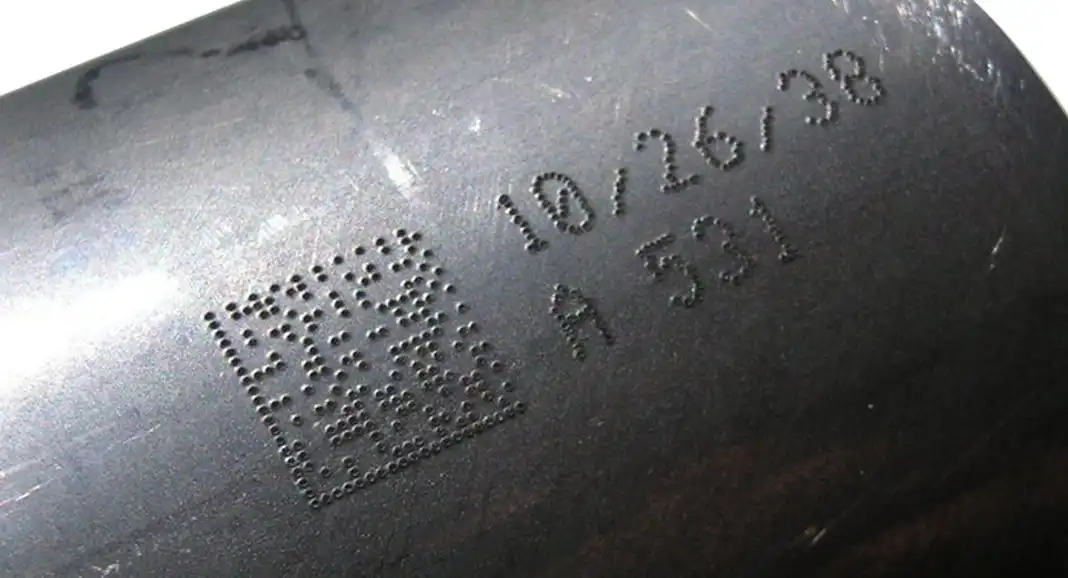
Dot peening controls impact. Fast styluses with carbide or diamond tips hit the object repeatedly. Typically pneumatic or electromagnetic. Small depressions result after impacts. When placed properly, these dots may represent writing, barcodes, Data Matrix codes, or company logos.
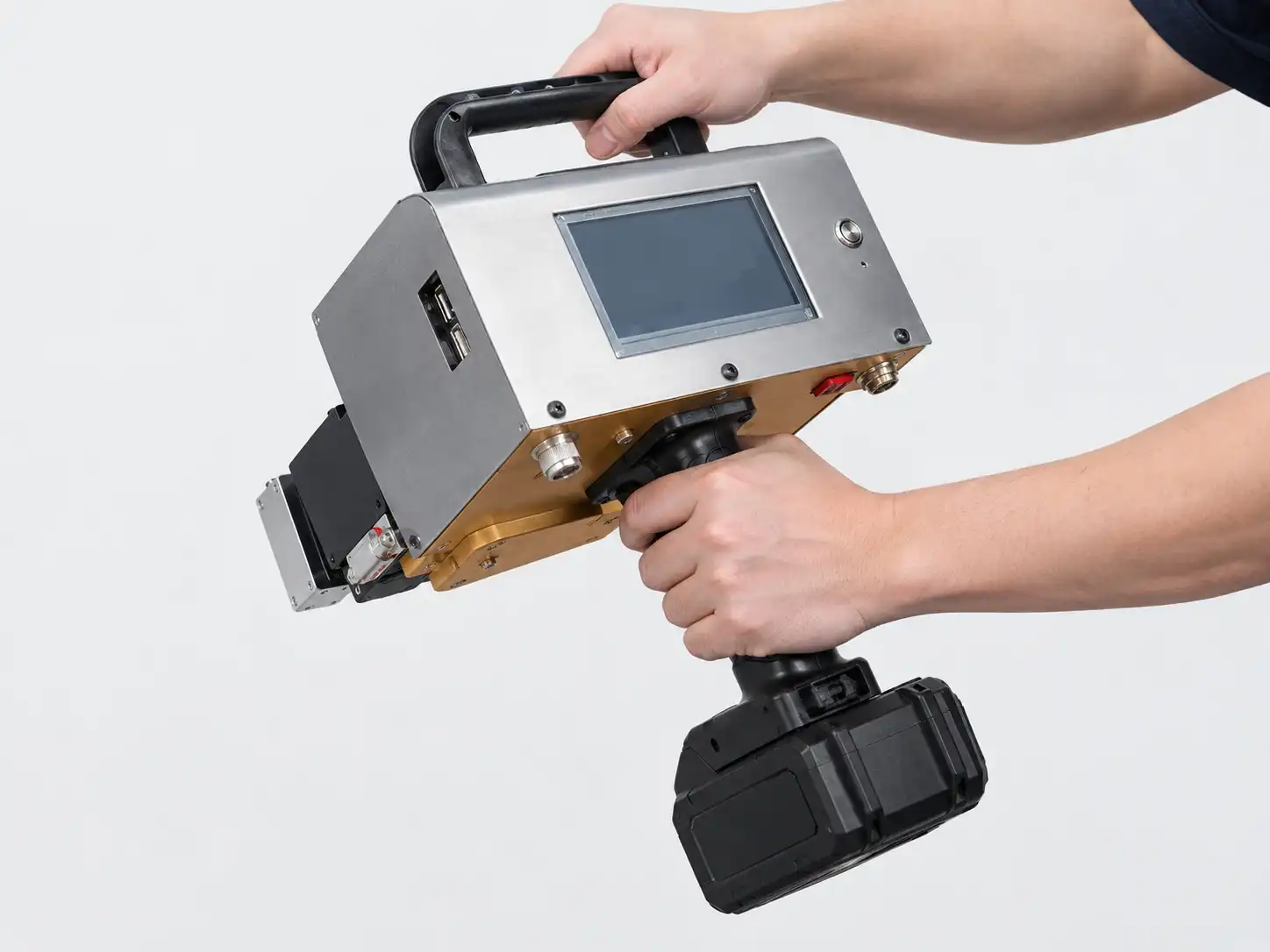
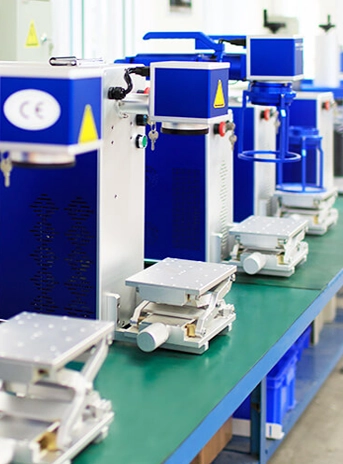
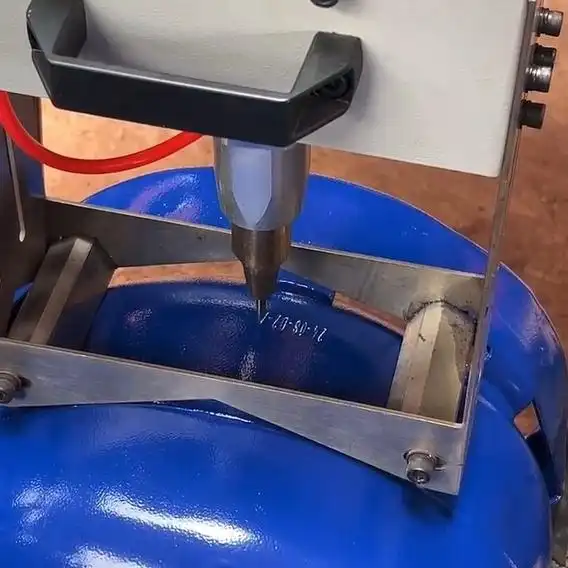
Flexible equipment configuration is possible using the method. Production floor workers label engine blocks using mobile metal marking equipment. Round oxygen bottles and pipe flanges may be rotary dot peened. Benchtop systems accurately place small components, and LCD control pin indications simplify setup. Since it works on bending and irregular surfaces, dot peening is perfect for oxygen bottle cylinder necks and flange pins.
Engraving Methods and Their Variations
Several engraving processes exist. Mechanical engraving uses spinning cutting blades to remove material, creating lines instead of dots. Rotary engravers revolve a cutter against the work. Smooth, moving lines may be utilized for signage and decorations.
Laser marking belongs elsewhere. Fiber lasers may melt or discolor objects without touching them. Contactless systems may be superior than impact-based ones, but they need additional safety requirements and more money.
Each etching type affects the surface differently. Lasers may create heat-affected zones, while mechanical engraving requires coolant systems. They impact how materials perform together and what duties they're ideal for in various industrial contexts.
Key Differences Between Dot Peen Marking and Engraving for Deep, Permanent Marking
To choose the right marking technology, you need to look at a number of important performance factors that have a direct effect on how efficiently you can make things and how easily you can track them over time.
Depth and Permanence Characteristics
Deep branding affects identification in tough workplaces. A dot peen marking machine may create 0.005–0.030-inch-deep holes, depending on the material and tool pressure. This shifting can't be rectified by painting, cleaning, or chemical exposure. After years of usage in acidic, hot, and hard circumstances, dot peen-marked parts may be read.
Mechanical engraving may achieve similar depths but has distinct surface qualities. Dust and debris may settle in metalworking continuous grooves, lowering contrast. Laser marking affects surfaces less profoundly, particularly on harder metals, which may reduce their durability in extreme conditions.
Testing shows that dot peen markings on steel bearings may still be read after 500,000 operating cycles in automobile plants, however some laser marks were destroyed by lubricants and heat cycling.
Speed and Efficiency Metrics
Manufacturing expenses depend on production. The modern dot peen method marks letters and numbers in 2–5 seconds each line. Material hardness, character size, and depth effect marking speed. Programmable logic regulates machine cycle intervals, making them perfect for automated production.
Laser engraving is faster for minute marks but slower for deep ones. Changing tools and setup makes mechanical engraving slower. This restricts its use in fast-changing high-volume industrial situations.
Material Compatibility Spectrum
Surfaces influence marking differently. Steel, stainless steel, aluminum, brass, copper, and titanium are good for dot peening. This method wonderfully marks strong PVC and ABS. Dot peen systems are adaptable and excellent for locations with several materials and few marking methods.
Since aluminum and copper are softer, dot peen lines don't disturb them and have great contrast. It takes more force to erase marks from hardened tool steels. Without modification, the process works with metal automobile components, aircraft fasteners, and industrial valves.
Lasers work with ceramics and coatings. Lack of care for polished metal and other glossy materials causes issues. Machine engraving works best on soft materials, however thin-walled items may burr.
Cost Analysis and Maintenance Requirements
Technology startup capital varies. Basic dot peen marking machines are intermediate, with portable and desktop models cheap. Fiber laser platforms with enough power for metal marking need a significant initial investment.
The pricing show corporate information. Dot peen machines use minimal energy and resources, but the stylus must be changed every few hundred thousand marks. Stylus lubrication and testing are easy. Laser systems need complex optics cleaning, beam alignment checks, and cooling system repairs.
Dot peening metal goods for deep, permanent marks always wins five-year total cost of ownership estimates. Companies that want to make money should invest in durable identification systems, which are cheaper, simpler to maintain, and need fewer parts.
Selecting the Right Technology for Your Industrial Marking Needs
Making sure that the marking technology fits the needs of the application guarantees the best performance and return on investment throughout the duration of the equipment.
Industry-Specific Application Guidance
Automakers may label engine, transmission, and bearing parts using dot peening. Marks withstand oil, temperature, and engine wear. Rebuilds of vintage engines may expose cylinder head serial numbers.
Metalworking and hardware benefit from dot peening wrenches, sockets, and precision equipment with measurements, brand names, and model numbers. The approach precisions measurement instruments using calibration numbers. Tools used in hard work retain their individuality when broken by huge objects or weather.
Electronics manufacturers may permanently identify metal frames, heat sinks, and structural parts by dot peening. Stamped batch IDs and serial numbers prevent corrosion on stainless steel appliance panels. Anti-counterfeiting systems operate better when markings can't be erased without cheating.
Environmental and Compliance Considerations
For simpler tracking, rules increasingly mandate permanent branding of parts. Dot peen technology readily fulfills aerospace marking standards like AS9132. IATF 16949 requires automotive suppliers to mark items along the supply chain, and the markings must endure.
Environment influences technology choice. Dot peen engraver systems function well across a broad variety of temperatures without recalibrating, therefore facilities without climate control appreciate them. In unclean or humid environments, high-quality pin marking equipment's sealed construction maintains accuracy without environmental protection coverings like certain laser systems.
Critical Selection Criteria
Several considerations should influence buying decisions. Marking depth is really important. The optimal use of dot peen technology is for jobs deeper than 0.010 inches. Surface geometry matters. Curved surfaces, inner diameters, and strange shapes need portable marking machines or rotating devices that dot peen systems can manage.
Production affects equipment setup. Low-to-medium volume activities benefit from portable metal marking machines. High-volume production lines need automated benchtop part-handling equipment.
The after-sales service should be examined. Manufacturers purchasing equipment from abroad should ensure that professional advice, replacement parts, and service response times are readily available. Companies with worldwide servicing networks make critical industrial equipment safer.
Comparing Portable and Benchtop Configurations
Flexible portable dot peen marking machines can mark large assemblies, permanent parts, and parts at separate manufacturing locations. Battery-powered systems enable field marking without power connections. The trade-off is lower precision than benchtop systems and manual positioning, which affects operator accuracy.
Fixed positioning and built-in part fixtures make benchtop installations repeatable. Rotary dot peen marking machines with tabletop frames automatically rotate to suit cylindrical objects and uniformly mark their circumferences. These systems are effective at marking stations in manufacturing lines where components are transported to tools.
Benefits of Dot Peen Marking Machines Over Traditional Engraving
Long-term use in tough manufacturing settings makes the operational and cost benefits of dot peen technology clear.
Superior Durability Against Industrial Wear
Real-world performance shows dot peen marking lasts. After five years of continuous operation in mining equipment exposed to shaking, pollution, and temperature changes, a major bearing manufacturer revealed steel race serial numbers could still be read. Competing technologies have major issues when tested simultaneously.
Design makes dot peen indentations useful. Surface treatments and coatings fade, but material movement forms structural lines. Read dot peen marks after bead blasting or chemical stripping. Tracking is maintained during part repairs.
Another aspect is corrosion resistance. Salt spray testing with dot peening stainless steel. After 1,000 hours, the insignia remained, fulfilling maritime industry requirements. Marking toughens the material around each hole, making it rust-resistant.
Integration with Automated Production Systems
Tools must integrate seamlessly in modern production. Dot peen marking devices may be connected to CNC systems, robotic cells, and conveyor belt production lines utilizing industrial methods. Digital linkages designate production execution system data, avoiding human programming and mistakes.
Beyond launching events, integration continues. Upstream barcode scanners identify the component, databases provide marking content, marking operations are conducted, built-in vision systems assess mark quality, and production tracking software reports completion. All this happens in seconds without operator input.
Work is saved by technology. A hydraulic part manufacturer lowered marking labor expenses by 75% by moving from manual engraving to automated dot peen systems. Consistency decreases missing or mistaken part quality loss.
Financial Advantages and ROI Considerations
Dot peen technique always has the highest ROI for durable metal marking. Low upfront expenditures, nearly no recurring costs, and almost little maintenance provide excellent figures.
Comparing over 100,000 marking cycles shows cost structure variations. Stylus replacement is needed midway through a dot peen marking machine's run. This fix is cheaper than maintenance. To be equal, laser marking jobs need more power and frequent optics replacement. Mechanical engraving systems require frequent cutting tool replacement and cooling system maintenance.
Warranty support eases money worries. Two-year guarantees for dot peen marking equipment indicate quality and dependability from recognized manufacturers. This warranty is longer than most laser system warranties and highlights impact-based marking's mechanical simplicity.
Well-maintained dot peen systems should last more than 10 years, spreading out the expense. Unlike laser systems, which change frequently and may need to be changed sooner to be compatible with new control systems and software platforms, the technology is more established and less likely to become outdated.
Small and medium-sized manufacturers must justify their capital investments, thus these financial rewards are crucial. Obtaining affordable marking technology enables smaller enterprises to establish long-lasting traceability systems with permanent marks.
Procurement Guide: How to Buy the Best Dot Peen Marking Machine
To make strategic buying choices that lead to long-term satisfaction and operational success, you need to look at more than just the initial price of the equipment.
Evaluating Manufacturers and Suppliers
The manufacturer's image depends on equipment reliability and support. Established organizations with decades of experience contribute proven designs and technological expertise. Perfect Laser, which has made industrial laser and marking equipment since 1995, has over 300 products utilized in numerous industries worldwide.
Quality is shown via certification. CE-marked equipment fulfills European safety and performance requirements, giving you piece of mind wherever you place it. ISO quality standards and TUV certification demonstrate that companies plan and manage quality throughout the manufacturing process.
Customer reviews and case studies demonstrate the product's efficacy. When manufacturers provide references from satisfied customers, it demonstrates they know their equipment works. Speaking to individuals who have used comparable apps may reveal their reliability, speed of support, and long-term satisfaction.
Understanding Pricing Variables and Budget Planning
Design issues affect dot peen marking machine prices. Cost depends on marking area size since larger work areas need stronger motor systems. Cost depends on controller complexity. Complex computer-integrated systems with networks and databases cost more than basic LCD control devices.
Configuration choices effect investment amounts. Because their mechanical elements are simpler, portable metal marking machines cost less than tabletop systems. Their precision and automated features are lacking. Rotary dot peen marking machines and oxygen bottle cylinder neck pin marking systems cost more because they work better.
Include delivery, installation, operator training, and the initial stock of replacement parts in your budget. Customs and freight forwarding fees may significantly impact international goods landing costs. Full quotations including all costs prevent budget surprises.
Comparing new and old equipment requires extensive investigation. Used computers are cheaper, but they may have outdated software, unclear service records, and no warranty. The tiny price difference between decent new and used equipment frequently works out in your favor when you tally up the overall expenses of owning both.
Warranty Terms and Technical Support Quality
Ownership risk is directly affected by warranty coverage. Comprehensive warranties that cover parts and labor for lengthy periods of time indicate that the manufacturer is confidence in their goods and shield purchasers from unexpected repair expenditures in the early phases of operation, which is crucial. Knowing what parts and failures the warranty covers helps prevent conflicts during claims.
Work requires quick access to technical support. Manufacturers that provide 24/7 support by phone, email, and even videoconferencing can handle issues swiftly, regardless of time zone. Response time guarantees assess service quality.
Supplying training influences operations. Comprehensive operation and maintenance training, whether on-site or at the manufacturer's, accelerates learning and reduces user issues. Clear instructions, repair manuals, and maintenance plans encourage long-term self-sufficiency.
Check spare parts availability, particularly when purchasing abroad. Important worn parts should be in stock locally or easily transported to prevent downtime. Keeping components in stock for discontinued models indicates that a firm cares about its consumers long after the sale.
Considering International Shipping and Installation
Buying equipment abroad presents practical problems that must be considered for. Cost and time are combined in shipping. Ocean freight is cheapest for non-urgent orders, whereas air freight is better for urgent orders. International shipping of precise equipment is safe with the correct packing. Reliable manufacturers utilize shock-proof containers and environmental protection for delicate marking system elements.
Customs clearance procedures vary by nation and need precise documentation. Equipment classifications, country-of-origin certifications, and value documentation must be completed accurately to minimize clearance delays. Expert exporters assist consumers grasp these restrictions, and when they don't have adequate information, they recommend industrial equipment customs brokers.
Clearly state installation assistance plans during procurement. Some manufacturers install and test on-site as normal, while others provide it or use local service partners. Video-based remote installation aid is becoming more realistic, saving money while giving professional advise during system setup.
Conclusion
Dot peen marking or engraving depends on the application, work environment, and corporate objectives. A dot peen marking machine benefits manufacturers that need to permanently mark deep holes in metal and rigid polymers. Because it is durable, flexible, automatable, and cost-effective, the technique is ideal for creating automotive components, tools, and electronics. Dot peen technique is always best for markings that must survive in harsh industrial settings, withstand solvents, and remain legible throughout lengthy product lifecycles. Simple maintenance and reliable performance allow these systems to have low total ownership costs and minimal production disruptions. This makes them ideal for small work shops to major industrial operations.
FAQ
1. What materials can a dot peen marking machine mark effectively?
You can use dot peen technology on steel, stainless steel, aluminum, brass, copper, titanium, and many other metals and alloys that are widely used in industrial settings. It's also easy to mark hard plastics like ABS, rigid PVC, and some composites with these devices. Material hardness affects how fast you can mark and how much force you need to use with the stylus, but the technology works with a wide range of hardnesses without needing any special setups.
2. How does dot peen marking compare to laser marking for permanence?
There are permanent marks made by both systems, but they do so in different ways. Dot peen literally moves material around by impacting it, leaving marks that can't be removed without taking the object away. Laser marking changes the surface's qualities by using heat, which can make the mark last longer but may make it less resistant to rough treatments and wear. Dot peen technology is usually preferred for applications that need marks to last as long as possible in tough conditions.
3. What maintenance does a dot peen marking machine require?
There aren't many or complicated maintenance needs. Regular maintenance includes lubricating moving parts on a regular basis, checking the stylus and replacing it after hundreds of thousands of marks, and simple cleaning to get rid of dirt and dust that has built up. Most users don't need to have specialized technical training to do regular repairs. The main part that wears out is the stylus, and how often it needs to be replaced depends on how hard the material is and how much it is marked.
Partner with Perfect Laser for Reliable Dot Peen Marking Solutions
Perfect Laser is the finest industrial marker since 1995. They have helped electronics, metallurgy, and automobile firms build up permanent labeling systems to monitor and ensure product quality. We offer flat and rotary dot peen marking machines, portable metal marking machines, LCD control pin markers, and specific systems for marking flanges and oxygen bottle cylinders. Each system's strong construction and simple controls provide permanent marking on metals and hard plastics. We produce CE, TUV, and SGS-certified dot peen marking machines. Over 60 nations trust our products, which have two-year warranties and 24/7 professional assistance. Our IT staff collaborates with clients to recommend the best application alternatives. This ensures marking solutions meet manufacturing demands. Ask our specialists at [email protected] about permanent writing and how our proven technology may improve your production operations.
References
1. American Society for Testing and Materials. (2019). Standard Guide for Permanent Marking of Non-Porous Materials. ASTM F1806-19.
2. International Organization for Standardization. (2021). Marking of Products - General Principles for Permanent Direct Part Marking. ISO 16022:2021.
3. Society of Automotive Engineers. (2020). Performance Standard for Direct Part Marking Technologies Used in Aerospace Applications. SAE AS9132B.
4. Thompson, R. & Martinez, J. (2022). Industrial Marking Technologies: Comparative Analysis of Permanence and Durability. Journal of Manufacturing Processes, 78, 245-261.
5. European Federation of Materials Handling. (2021). Guidelines for Permanent Product Identification in Industrial Environments. EFMH Technical Report 2021-04.
6. National Institute of Standards and Technology. (2023). Traceability Marking Methods for Metal Components: Performance Evaluation Under Harsh Conditions. NIST Special Publication 1500-17.

share your inquiry, get the quotation accordingly.
第一张审核员说包含其他公司不能用_1755049724891.webp)
Perfect Laser – Global Manufacturer of Reliable Laser Solutions