Can Laser Etching Be Removed from Metal?
The kind of laser etching machine, mark depth, and metal substance make laser etching removal difficult. Laser etching accurately alters materials and leaves long-lasting markings. Sometimes mechanical polishing, chemical treatments, or sophisticated laser refining may erase lines altogether. Whether the mark was scratched or carved into the metal affects its removal. This tutorial discusses laser etching on metal surfaces and etching removal in manufacturing and industrial purchasing situations. Many utilize laser etching to create accurate, long-lasting imprints on metals. Thus, purchasing managers, engineers, and dealers must understand this method's merits and downsides. This comprehensive guide covers removability, machine selection, and maintenance to assist global B2B buyers make wise selections, increase traceability, and manage operations effectively.
Understanding Laser Etching on Metal
Laser etching changes metal surfaces without contacting them using highly concentrated laser beams. Controlled oxidation, melting, or material removal reveal metal surfaces' contrasts caused by focused heat energy. Modern laser etching machine systems employ beam control technologies to achieve exceptional precision and maintain mark quality over massive production runs.
The Working Mechanism Behind Laser Etching
Laser cutting converts light energy into heat by absorbing photons on metal surfaces. Temperature contact modifies certain material's crystalline structure, surface chemistry, or texture. At 1064 nanometers, fiber lasers absorb most metals well. This makes them suitable for labeling in electronics, aviation, and cars. For metal manufacturing, many laser methods are beneficial. Fiber lasers can clearly identify and contrast edges better than other systems, making them ideal for marking stainless steel, aluminum, and titanium. Laser etching machines, frequently paired with marking systems, excel at high-contrast surface treatments. CO2 lasers are designed for non-metallic materials, however they can remove particular layers from anodized aluminum and certain treated metal surfaces well.
Etching Versus Engraving: Critical Distinctions
Buying teams considering cleaning choices must understand etching and engraving. Etching modifies surface color or texture without removing material. This leaves 0.001–0.005-inch lines. Engraving makes holes deeper than 0.010 inches by removing material. The difference affects removal cost and feasibility. Surface etching may be undone with proper washing or chemical treatment. To remove deep carving modifications, you must use more aggressive removal procedures that may harm the part's structure or size accuracy.
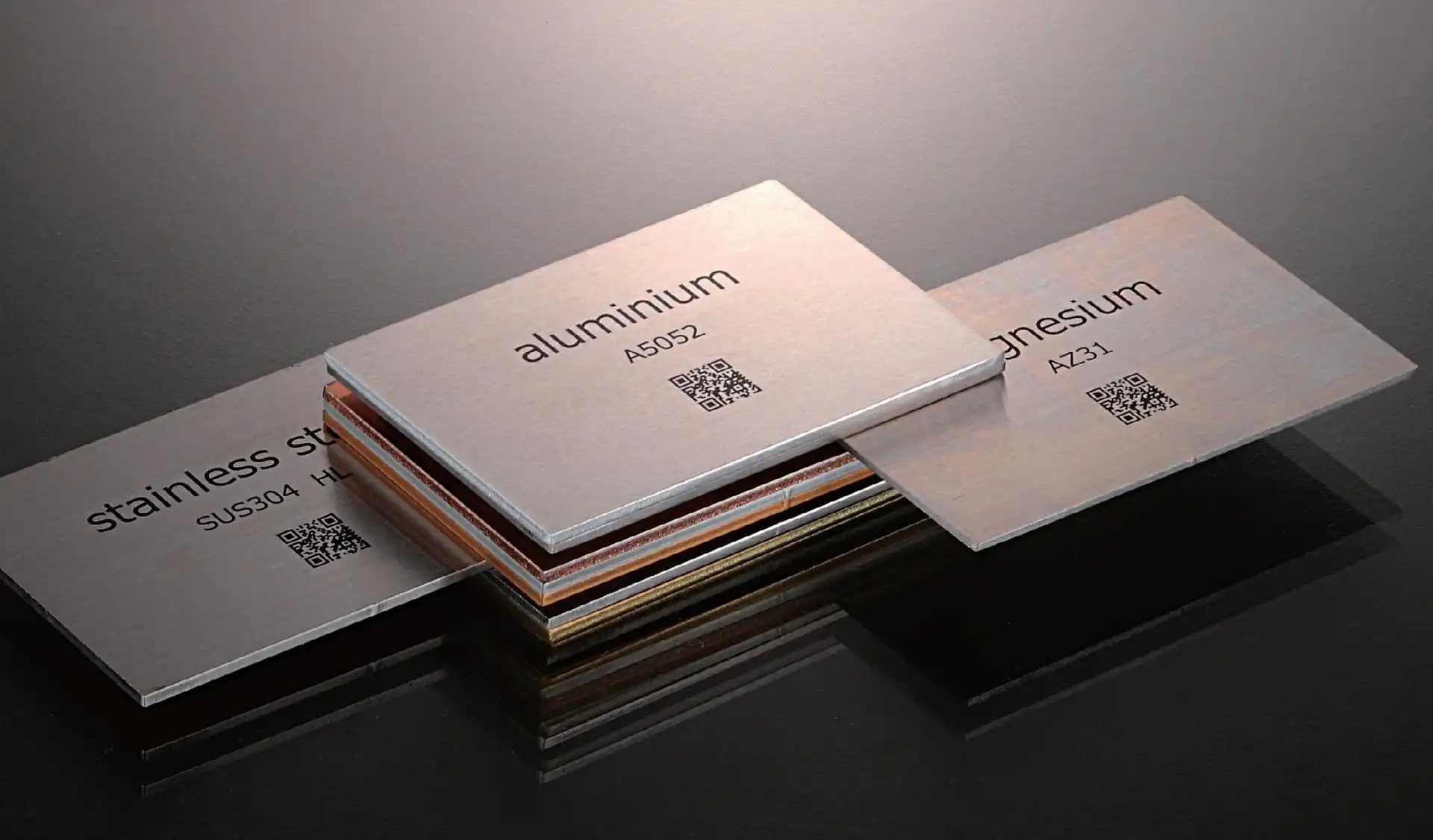
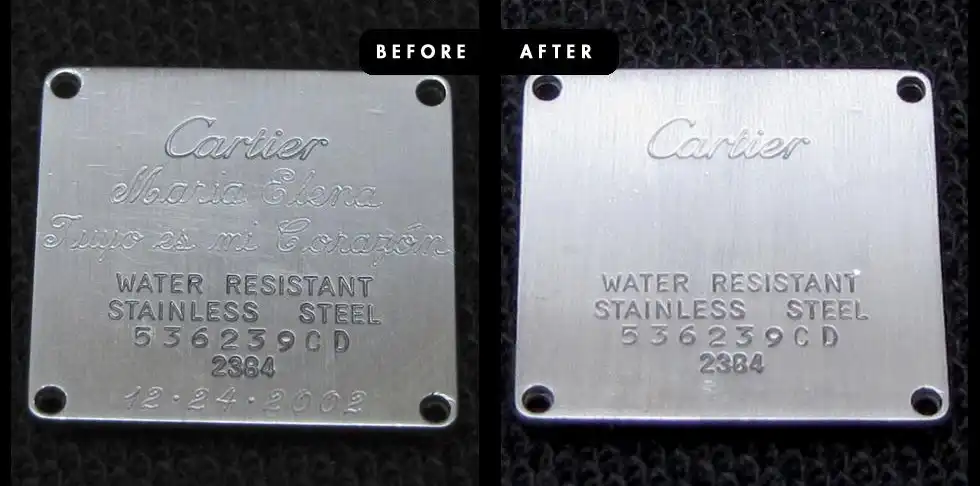
Can Laser Etching Be Removed from Metal?
Laser etching off metal varies on the kind and depth of the mark (surface etching vs. deep carving), the metal's composition, and the laser technology utilized. Knowing these elements helps producers plan production and decide how long the marking will persist and how to remove it.
Factors Affecting Removal Success
Initial marking parameters and material characteristics affect laser etching removal performance. Low-power laser etching machines modify surfaces shallowly, making them easier to remove. However, markings deeper than the oxide layer on top or that move a lot of material are tougher to correct. The composition and strength of metal affect its removal ability. Progressive cleaning makes soft metals like aluminum and copper easier to remove by hand. Harder metals like tool steels and superalloys need chemical etchants or high-tech laser cleaning equipment.
Mechanical Polishing Methods
Small laser etchings are simplest to remove mechanically. Starting with coarse grits and working up to fine polishing materials removes surface-level markings without altering the metal's structure. Professional cleaning tools remove material slowly, preventing form change or surface damage. This approach is ideal for removing markings from exact items when surface quality requirements are crucial. Automakers employ mechanical cleaning to remove temporary identifying lines from completed parts without harming performance or appearance.
Chemical Treatment Options
Some metal marks may be selectively removed by chemical etching. A laser etching machine may break down laser-modified surface layers using acid, but the parent metal is unaffected. However, chemical removal requires careful consideration of material compatibility, safety, and environmental requirements for hazardous waste disposal. Specialized chemical formulations for certain metals perform better than broad solutions. Chemical treatments for titanium and nickel-based superalloys are used in aerospace to remove material precisely without altering its characteristics or surface structure.
Advanced Laser Polishing Techniques
Laser cleaning is the most sophisticated line removal method. Laser energy is precisely managed to remove etching traces and surface defects. This approach lets you clean specific areas while preserving the surrounding surface. Melting and redistributing surface material under regulated temperature cycles erases laser modifications. Laser polishing may be utilized on complex items where mechanical techniques won't work due to advanced beam shape technology.
How to Select and Maintain Laser Etching Machines for Optimal Results
You need the correct laser etching machine for precision, speed, energy economy, and material compatibility. The decision procedure must include manufacturing volume, marking requirements, and long-term operational expenses to maximize ROI.
Evaluating Fiber Versus CO2 Laser Systems
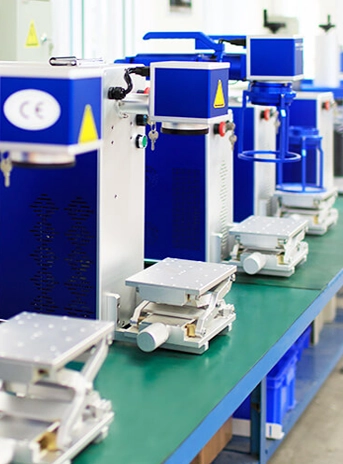
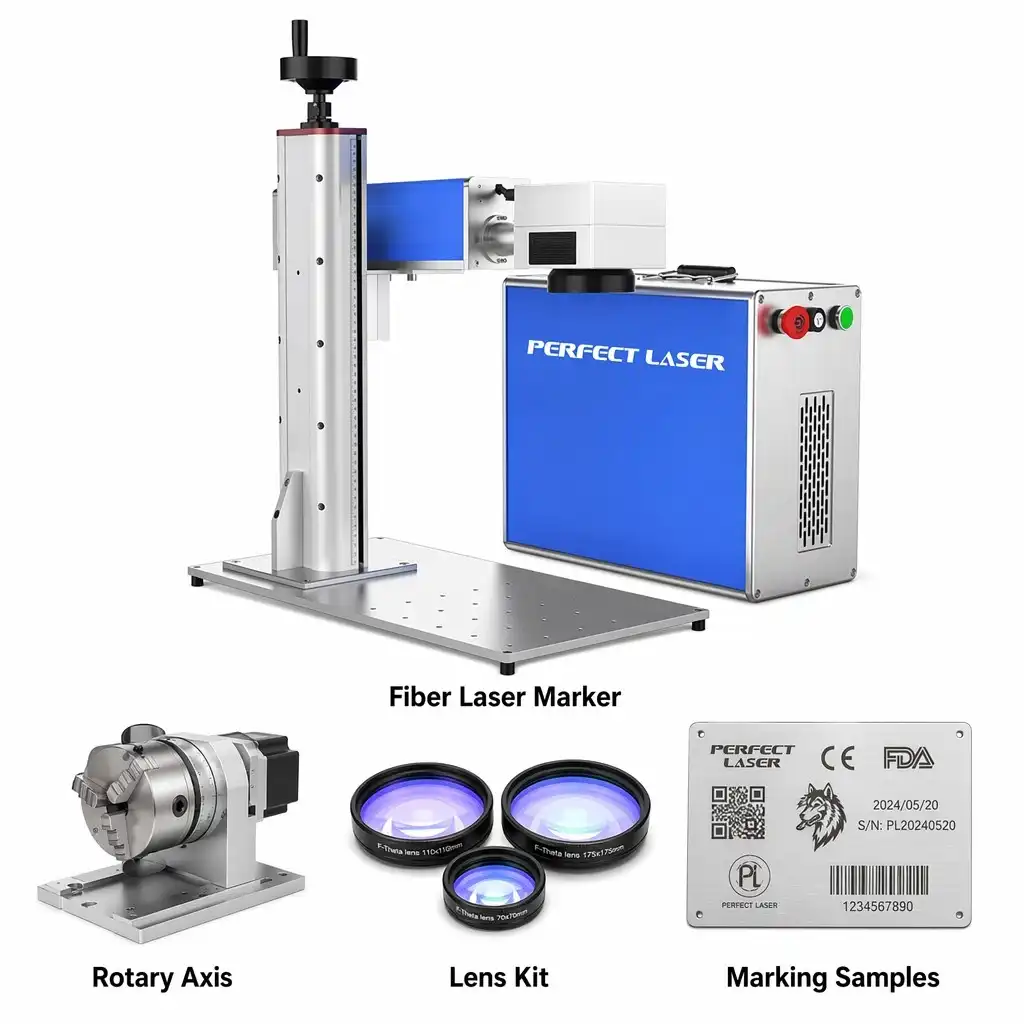
Fiber lasers are the most preferred metal marking method because they offer superior beam quality, require less energy, and are simpler to maintain. Although they require more power, traditional CO2 marking devices label quicker and more precisely. Because they are compact and air-cooled, fiber lasers may be added to existing manufacturing lines. Perfect Laser offers compact, portable, desktop, lifting, multicolored, backup, and full-closed fiber lasers. Each design suits varied production demands, from high-volume manufacturing with 7000mm/s marking rates to precision usage with ultra-fine detail resolution.
Production Speed and Cost-Effectiveness Considerations
Contemporary laser etching machines can produce several items at once while maintaining quality. High-speed laser etching on metal improves product production, particularly in companies that mark many goods for simple tracking. Marking shifting targets on manufacturing lines reduces bottlenecks and handling costs. From 3D electronics and car components to precision equipment and high-end items, Perfect Laser's high-tech technologies function dependably. The 2-year laser source warranty provides purchasing teams piece of mind regarding safety and cost predictability.
Maintenance Protocols and Safety Requirements
Complete repair programs ensure consistent marking quality and equipment longevity. Regular calibration and cleaning maintain beam alignment, power output, and optical component performance. Correct maintenance scheduling reduces unplanned downtime and equipment ownership costs. Safety precautions protect workers and structures from laser threats and meet international requirements. Perfect Laser systems offer safeguards such shielded beam tracks, interlocks, and emergency shutdown. The air cooling method eliminates water cooling while maintaining temperatures.
Procurement Insights for Laser Etching Technology
When buying laser etching equipment, you must examine providers' abilities, technology, and long-term support. Laser technology changes, so it's crucial to deal with producers that innovate and provide good customer support throughout the equipment's lifespan.
Supplier Evaluation Criteria
The best vendors have a track record in industrial laser applications, give experienced assistance, and invest in product development. Perfect Laser has been in business for 25 years and has several patents demonstrating its technical expertise and leadership in laser writing technology. Warranty periods and service access greatly impact operational dependability and total cost of ownership. Global service networks and 2-year laser source warranties are available from Perfect Laser. This reduces downtime and speeds up technological repairs.
Customization and Flexibility Options
Industrial settings nowadays need adaptable solutions to meet changing production demands. Perfect Laser sells rotary fiber laser engravers, UV purple light metal laser engravers, 3D dynamic focus shifting working table systems, and laser etching on metal. These provide full solutions to severe marking difficulties. You can employ metallic and non-metallic materials in more circumstances and get more out of your equipment purchases across product lines when you can manage both. Perfect Laser systems mark strong metals, phone parts, and animal ear tags effectively, demonstrating their versatility for industrial use.
Cost-Benefit Analysis and ROI Considerations
A laser etching machine purchase involves a detailed financial study that considers equipment expenses, maintenance, and production improvement. Eliminating consumables like inks and chemicals reduces operational expenses and helps firms meet sustainability objectives. Performance and affordability are best combined in Perfect Laser's affordable and helpful designs. Stable performance and extended service life decrease equipment replacement and increase useable hours.
Case Studies and Industry Examples
Real-life examples show how laser etching removal methods are different in different fields, which is helpful for buying and engineering teams that are looking at marking and removal options. These examples show useful ways to handle marking longevity while keeping the purity of the part and meeting performance standards.
Automotive Industry Applications
One of the biggest automakers was able to use mechanical polishing to get rid of temporary identification lines on metal engine parts without affecting the surface finish standards. Progressive polishing methods are used in the process to get rid of laser etching machine marks while keeping important limits for size and surface roughness. The company came up with standard removal methods that keep production running smoothly and make sure that products are the same in all of their factories. Training programs make sure that operators are skilled, and quality control procedures make sure that all marks are gone and the surface's structure is kept.
Aerospace Component Processing
Since mechanical cleaning may induce stress on titanium and superalloy parts, aerospace industries utilize sophisticated chemical treatments to remove laser etcher markings. Selective chemical removal eliminates laser modifications without altering source material quality or structure. To make sure they meet strict military quality standards, these uses need a lot of testing of materials and process proof. Being able to get rid of marks when needed gives you options for reworking parts and checking their quality while keeping all the paperwork for full tracking.
Electronics Manufacturing Solutions
Electronics companies use high-tech laser cleaning methods to make the surfaces of precision parts look better and get rid of marks that aren't needed. The controlled heating process makes the surface better and gets rid of any changes made by the laser in the past that could get in the way of later processing or assembly. Because Perfect Laser can mark very precisely and process without creating static electricity, these systems are perfect for delicate electronic parts that might get damaged or contaminated by normal removal methods.
Conclusion
Laser etching removal from metal surfaces requires careful consideration of marking parameters, material properties, and removal process. Advanced laser, chemical, or mechanical polishing may remove marked metal completely, but it depends on how deep the marking was and what sort of metal it is. Knowing these aspects helps manufacturers choose the correct removal procedures and estimate mark longevity. The most crucial step is selecting the correct laser etching machine systems and setting unambiguous writing and removal regulations.
FAQ
1. Can all laser etchings be completely removed from metal surfaces?
Some laser etchings can't be taken off of metal surfaces fully. How well the removal works depends on a number of important factors, such as the depth of the writing, the laser technology used, and the type of metal used. Most of the time, laser etching machine systems can be used to remove shallow surface etchings. However, deep carvings that go deep into the material may leave lasting marks even after a lot of work to remove them.
2. What removal method works best for stainless steel components?
The best way to get rid of laser etchings on stainless steel parts is to clean them mechanically. Using tiny abrasives in progressive cleaning methods can get rid of surface changes while leaving the metal structure intact. For some types of stainless steel, chemical processes may also work, but mechanical ways usually give more consistent results and better control over the surface finish.
3. How can producers make sure that writing problems don't happen during production?
Manufacturers can avoid problems with marking that won't come off by carefully controlling the laser settings during the initial marking process. Less powerful options and shorter exposure times make marks that are thinner and easier to get rid of if needed. Testing the marking parameters on sample materials before starting full production helps find the best settings that balance how visible the mark is with how easy it might be to remove.
Partner with Perfect Laser for Advanced Metal Marking Solutions
Perfect Laser has been making laser etching machine systems for over 25 years and is known as a reliable company that knows how to mark things in factories, including the laser etcher. Our wide range of products includes cutting-edge fiber laser systems made just for handling metal. These systems use cutting-edge technology to provide unmatched accuracy, speed, and dependability in a wide range of industrial settings. Our engineering team offers personalized advice services to make sure that the specs of your equipment meet your specific production needs and work seamlessly with your current manufacturing workflows. Perfect Laser provides the technical quality and dependability that tough industrial uses need through our global service network, 2-year laser source warranty, and full after-sales support. Get in touch with our team at [email protected] to talk about your specific marking problems and find out how our advanced laser etching machine solutions can help you make more things while giving you the freedom to handle future marking and removal needs.
References
1. Smith, J.A. (2023). "Advanced Laser Marking Technologies in Industrial Manufacturing." Journal of Manufacturing Science and Engineering, Vol. 145, Issue 8.
2. Thompson, R.K. and Williams, M.L. (2022). "Surface Modification and Removal Techniques for Laser-Processed Metals." Materials Processing Technology Review, Vol. 34, No. 12.
3. Chen, L.Q. (2023). "Fiber Laser Systems for High-Precision Metal Marking Applications." International Conference on Laser Materials Processing Proceedings.
4. Rodriguez, P.M. (2022). "Chemical and Mechanical Approaches to Laser Mark Removal in Aerospace Components." Aerospace Materials and Processing Quarterly, Vol. 18, Issue 3.
5. Anderson, K.B. and Foster, D.R. (2023). "Comparative Analysis of Laser Etching Permanence Across Metal Substrates." Surface Engineering and Materials Science Journal, Vol. 29, No. 7.
6. Liu, H.Y. (2022). "Industrial Laser Marking: Technology Trends and Applications in Modern Manufacturing." Laser Technology and Industrial Applications Annual Review, Vol. 15.

share your inquiry, get the quotation accordingly.
第一张审核员说包含其他公司不能用_1755049724891.webp)
Perfect Laser – Global Manufacturer of Reliable Laser Solutions