Best Wall Printer for Small Business: Buyer’s Guide
Choosing the best wall printer for your small business requires careful consideration of technology, applications, and operational needs. Modern wall printing systems have revolutionized how businesses approach branding, décor, and customization across diverse industries. These advanced devices utilize sophisticated inkjet technology to produce high-resolution graphics directly onto vertical surfaces, eliminating traditional limitations of manual painting or wallpaper installation.
Introduction
Technology must be carefully considered when selecting the finest wall printer for your small business. Wall printing technology is transforming how small businesses handle unique graphics, branding, and décor. Efficiency and creative possibilities have significantly increased with the transition from manual to automated systems. For distributors, engineers, and procurement specialists looking for efficient visual communication options, these cutting-edge devices are perfect.
Key commercial issues including labor costs, time limits, and uniformity in quality are resolved by modern wall printers. Automated wall printing yields professional results with less manual labor, in contrast to traditional methods that need specialized personnel and time-consuming installations. Advertising agencies, interior designers, gift makers, electronics businesses, and fashion labels stand to gain the most from this technology.
The use of wall printing technology improves cost control and operational effectiveness in a number of industries. Businesses may make better judgments, increase visual impact, and streamline procurement and installation procedures by acknowledging fundamental advantages including speed, accuracy, and automation.
Understanding Wall Printers: Technology and Benefits
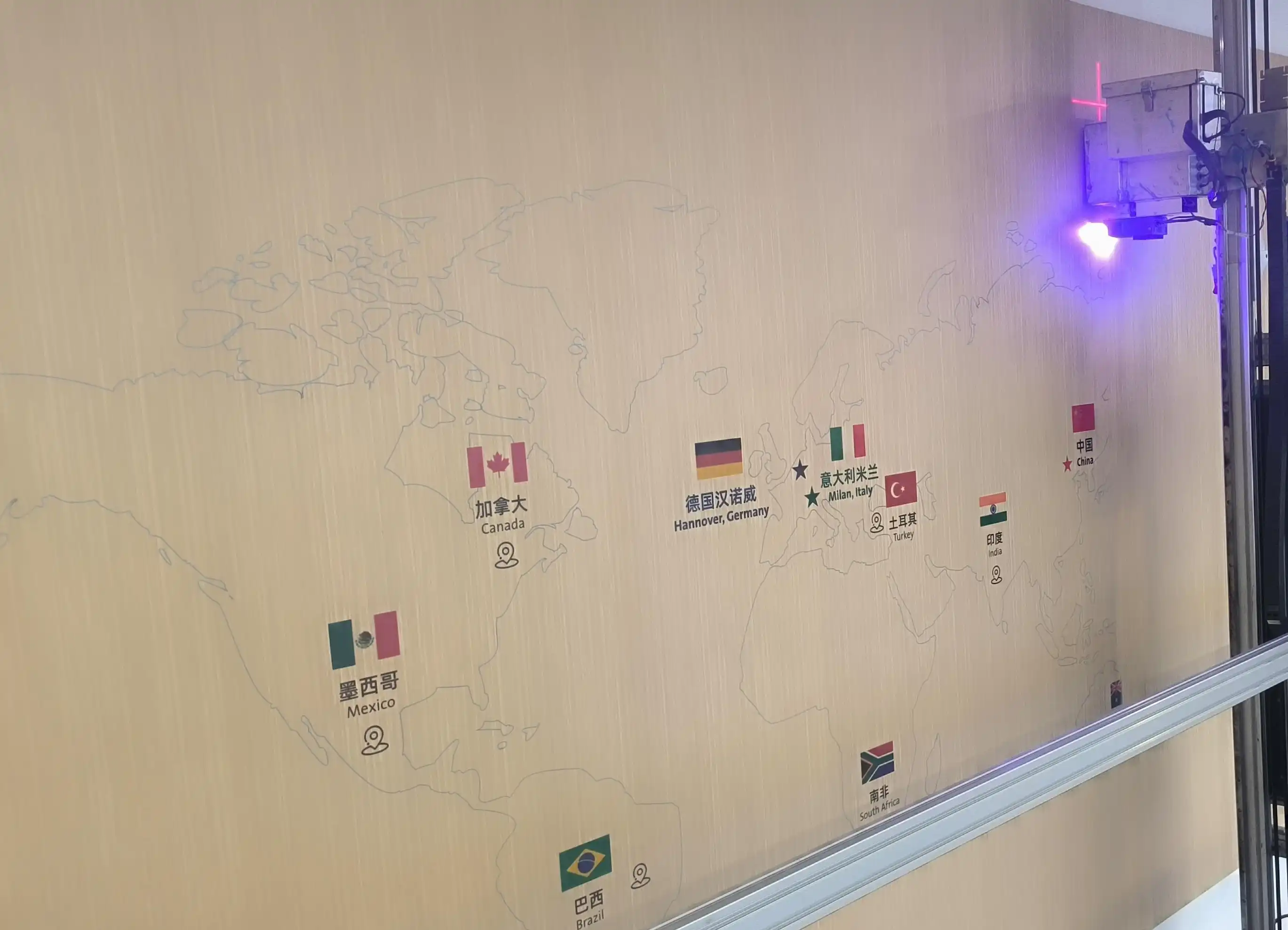
Wall printers are an advanced example of the fusion of precision engineering, robotics, and inkjet technology. In order to produce intricate drawings, patterns, and pictures, these systems use sophisticated print heads that travel over vertical surfaces and apply ink with remarkable accuracy. By guaranteeing uniform color application and predictable outcomes across several projects, the system essentially differentiates from conventional projection technologies or human painting processes.
Advanced Inkjet Technology
Specialized inkjet systems that can handle different ink formulations are essential to the fundamental functionality. On both porous and non-porous substrates, UV-curable inks offer outstanding durability and vivid color reproduction. For indoor applications where environmental concerns are important, water-based pigment inks provide environmentally safe substitutes. Because these ink solutions cure quickly, processing times are shortened and completed goods may be handled right away.
Versatile Material Compatibility
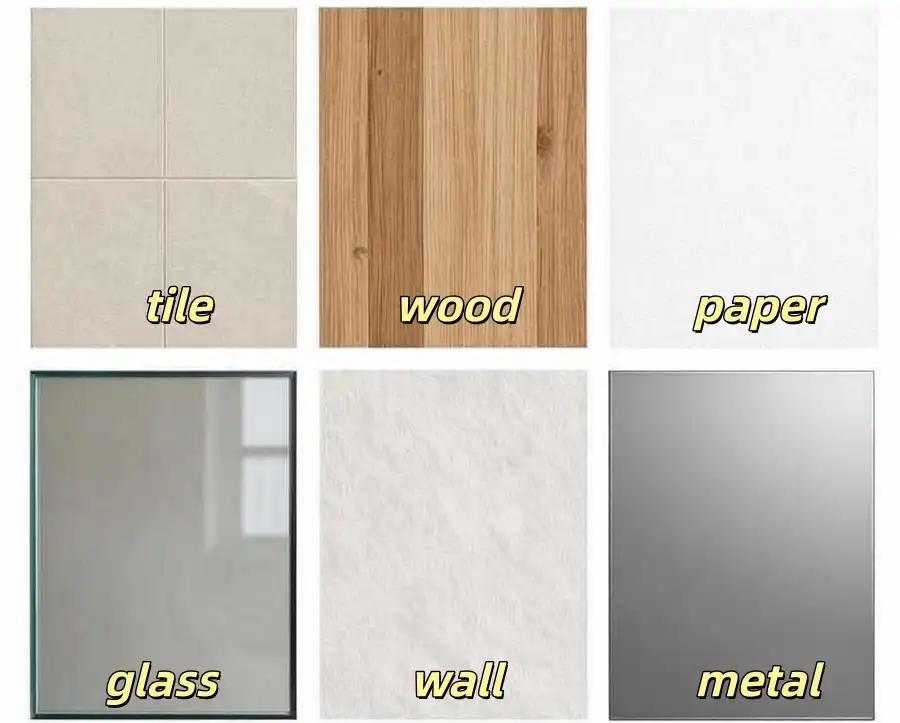
Beyond conventional painted walls, a remarkable variety of substrates are supported by contemporary wall printing technologies. Ceramic tiles, glass panels, wood boards, metal sheets, aluminum composite panels, acrylic surfaces, UV boards, foam core boards, corrugated panels, leather, textiles, and paper goods are all compatible materials. Because of its adaptability, companies may target different market niches and broaden their service offerings with a single equipment investment.
Operational Benefits
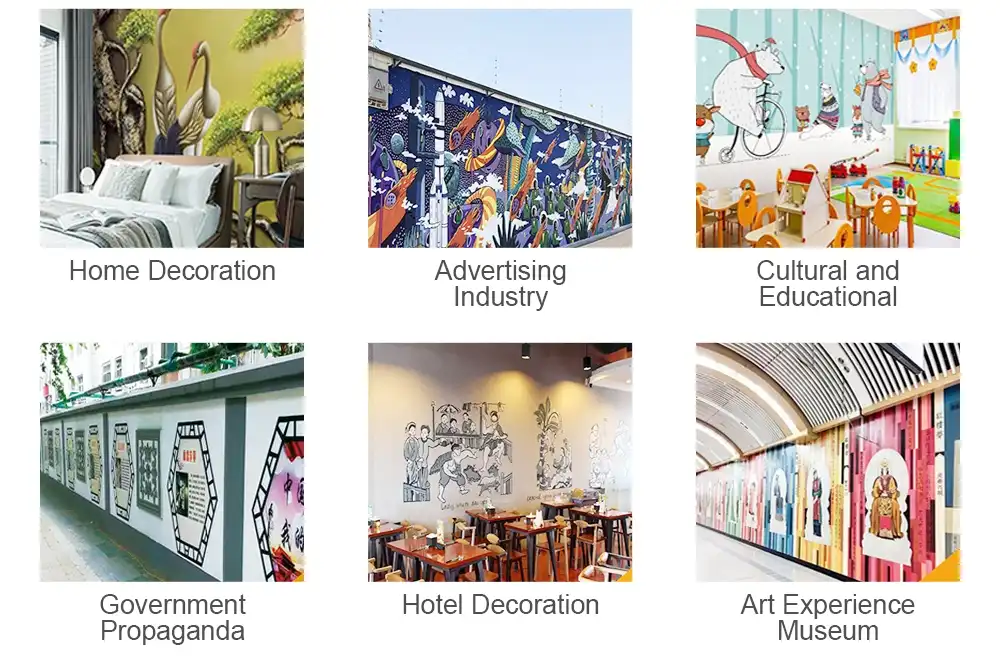
The use of wall printers has significant benefits for small enterprises. Large-scale projects may be finished in a matter of hours as opposed to days thanks to rapid execution capabilities. Unique designs are made possible by a wide range of customisation choices without the need for extra setup or tooling. Lower operating costs and higher profit margins result from less labor requirements. The automated component ensures constant quality throughout manufacturing runs while reducing human error.
Criteria for Choosing the Best Wall Printer for Small Business
A thorough assessment of technical parameters and business needs is necessary when choosing the best wall printer. To determine the best equipment configuration, the decision-making process entails examining planned applications, operating settings, and long-term corporate goals.
Application Environment Analysis
Equipment selection is greatly influenced by indoor versus outdoor usage. Standard UV or water-based inks with a modest level of environmental resistance are usually needed for indoor applications. Improved durability characteristics, such as weather-resistant inks, sturdy mechanical parts, and sophisticated sealing systems, are necessary for outside installations. Both printer performance and print lifetime are impacted by climate factors such temperature swings, humidity levels, and exposure to direct sunshine.
Technical Specifications
The quality and level of detail that may be achieved in final images depend on print resolution. Although they may slow down printing, higher resolution capabilities allow for the reproduction of complex design elements and fine text. Brand consistency across various projects and materials is ensured by color accuracy. Professional applications require accurate color matching and calibration capabilities, which are provided by sophisticated color management systems.
Everyday operational efficiency is impacted by user interface design. Intuitive control systems decrease operational mistakes and lessen the need for training. Workflow procedures are streamlined and the need for user intervention is decreased by automated features such material identification, height adjustment, and print head cleaning.
Maintenance and Support Considerations
Profitability and company continuity are directly impacted by equipment dependability. The maintenance needs of various printer types and manufacturers range greatly. Print head cleaning, ink system maintenance, and calibration processes are examples of routine maintenance duties. Equipment uptime and troubleshooting speed are impacted by manufacturer support quality. Calculations of the total cost of ownership are influenced by warranty coverage and service response times.
Budget Planning
A thorough budget study takes into account prospective facility changes, maintenance services, and consumable supplies in addition to the initial equipment expenditures. Print coverage, resolution settings, and material kinds all affect ink consumption rates. Long-term operating expenses are impacted by the availability and cost of replacement parts. When calculating the entire investment, training costs and productivity losses throughout implementation stages must be taken into account.
Comparing Top Wall Printers for Small Business
The market for wall printers provides a variety of options suited to certain operational needs and corporate applications. Improved automation, increased material compatibility, and decreased operational complexity are the main focus of current technological advancements. Prominent producers keep improving print quality while streamlining maintenance processes and user interfaces.
Perfect Laser UV Printer Series
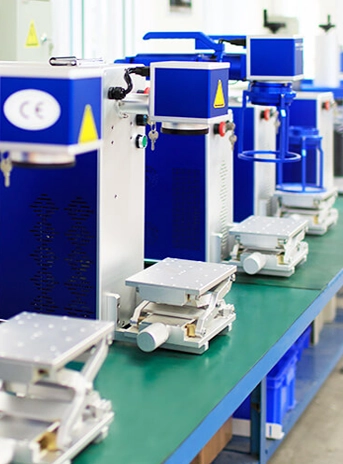
Perfect Laser's comprehensive UV printer lineup addresses varied business needs through multiple configuration options. The UV flatbed printer series provides versatile platform printing capabilities suitable for rigid materials including ceramics, glass, wood, and metal components. Mini UV printer models offer compact solutions for small-batch production and limited workspace environments. Specialized phone case printers target the growing mobile accessory market with precise fit and finish capabilities. Large format flatbed UV printers accommodate oversized materials and high-volume production requirements.
The Perfect Laser systems deliver excellent production efficiency through continuous printing capabilities and minimal downtime requirements. Rich, vibrant colors result from advanced ink formulations and precision color management systems. These printers serve diverse sectors including advertising, decoration, industrial manufacturing, leather goods, crafts, furniture, toys, accessories, and souvenir production.
Key Technical Features
Modern wall printers have advanced automation features that improve print quality and operating efficiency. Accurate picture insertion and alignment over several color passes are guaranteed by high precision positioning technologies. Real-time status monitoring and easy operation management are offered by colorful touchscreen interfaces. Print head height is automatically adjusted by infrared induction auto-lifting devices in response to changes in material thickness.
Consistent print quality is maintained across wide surface areas by precise positioning systems. Protective coatings are applied automatically during printing, doing away with the need for separate finishing operations. Options for varnish printing provide textured surfaces and unique effects that improve tactile qualities and aesthetic appeal.
Performance Comparisons
The speed capabilities of various printer types and settings fluctuate considerably. The quality produced by entry-level devices is usually appropriate for ornamental and simple signage applications. The better resolution and color fidelity needed for demanding commercial applications are provided by professional-grade equipment. Production volume capabilities include continuous high-volume manufacturing as well as small-batch customizing.
Mean time between failures, maintenance intervals, and component replacement schedules are examples of reliability measures. Ease of use, consistency in print quality, and manufacturer support response are frequently cited as crucial success criteria in user satisfaction surveys.
Procurement Tips & Best Practices for Small Business Buyers
Successful wall printer acquisition requires strategic planning and thorough vendor evaluation. Smart procurement practices, such as knowing where to buy wall printer systems, can significantly reduce total costs while ensuring optimal equipment performance and long-term business value.
Vendor Selection Strategy
Authorized distributors have direct access to manufacturer assistance, genuine warranty coverage, and a guarantee of product authenticity. Reputable vendors provide extensive technical know-how, training courses, and continuous support. Experience with comparable applications and needs is shown by a vendor's reputation within particular industrial sectors.
Compliance with certification guarantees that equipment satisfies performance and safety requirements. European conformance criteria are shown by CE certification. Extra certifications like SGS and TUV show thorough testing and quality management practices.
Negotiation Opportunities
Negotiating purchase conditions can result in significant cost savings over stated equipment pricing. Purchases of several units or combined accessory packages may qualify for volume discounts. Optimizing shipping operations lowers delivery times and expenses. Options for extended warranties offer further defense against unforeseen repair costs.
By lowering learning curves and increasing operational effectiveness, training inclusion delivers substantial value. Technical assistance packages guarantee prompt resolution of operational inquiries and troubleshooting requirements. Equipment competitiveness is maintained throughout its operating lifecycle by software upgrades and feature improvements.
Integration Planning
Careful examination of current production procedures and facility designs is necessary for workflow integration. Equipment footprint, material storage, and ventilation concerns are all part of the space requirements. Facility renovations or alterations may be necessary for power and utility connections.
Programs for staff training guarantee both maximum performance utilization and safe operation. Process standardization and quality consistency are maintained through the creation of operational procedures. Scheduling maintenance keeps equipment warranty coverage intact and avoids unplanned downtime.
Perfect Laser has been manufacturing laser equipment since 1995, thus it has a wealth of knowledge with industrial printing solutions. Their presence in Germany, Japan, Italy, Russia, South Korea, Turkey, Brazil, India, and other nations shows their dependability and capacity for worldwide assistance. Smooth deployment and continuous operational success are made possible by the company's free consultation, 24-hour online assistance, and solution recommendations.
Conclusion
Modern wall printing technology offers small businesses unprecedented opportunities to enhance their creative capabilities while improving operational efficiency. The best wall printer selection depends on specific application requirements, budget considerations, and long-term business objectives. Comprehensive evaluation of technical specifications, vendor support, and total ownership costs ensures optimal investment decisions.
Perfect Laser's advanced UV printer series provides proven solutions for diverse business applications with excellent production efficiency and superior print quality. Their extensive material compatibility and comprehensive feature sets address the varied needs of advertising, decoration, manufacturing, and specialty production sectors. Strategic procurement planning and proper vendor selection maximize equipment value and ensure successful implementation outcomes.
Frequently Asked Questions
1. What distinguishes wall printers from traditional projectors?
Wall printers create permanent images through direct ink application onto surfaces, while projectors display temporary images through light projection. Wall printers produce durable, weather-resistant graphics suitable for long-term installations. Projectors require dark environments and continuous power for image display but offer flexibility for temporary presentations and dynamic content changes.
2. How often do wall printers require maintenance?
Maintenance frequency depends on usage intensity, environmental conditions, and specific equipment models. Daily maintenance typically includes basic cleaning and ink level monitoring. Weekly procedures involve print head cleaning and calibration verification. Monthly maintenance covers mechanical component inspection and software updates. Annual service includes comprehensive system evaluation and component replacement as needed.
3. Can wall printers operate effectively on outdoor surfaces?
Outdoor applications require specialized ink formulations and enhanced environmental protection features. UV-resistant inks maintain color stability under direct sunlight exposure. Weather-sealed components protect internal systems from moisture and temperature fluctuations. Surface preparation becomes critical for outdoor installations to ensure proper ink adhesion and longevity. Proper equipment selection enables successful outdoor printing with multi-year durability expectations.
Transform Your Business with Perfect Laser UV Printing Solutions
Ready to revolutionize your production capabilities with cutting-edge wall printing technology? Perfect Laser's comprehensive UV printer lineup offers unmatched versatility and reliability for small business applications. Our expert team provides personalized consultations to identify optimal solutions for your specific requirements. Experience the Perfect Laser advantage through our proven track record of international success and comprehensive support services. Contact us today at [email protected] to explore how our best wall printer manufacturer solutions can enhance your business operations and unlock new revenue opportunities.
References
1. Johnson, M. & Williams, R. (2024). "Industrial Inkjet Printing Technology: Applications and Market Trends." Journal of Advanced Manufacturing Systems, 45(3), 78-92.
2. Chen, L., Rodriguez, A., & Patel, S. (2023). "UV Curable Inks in Digital Printing: Performance Analysis and Business Applications." International Printing Technology Review, 38(7), 156-171.
3. Thompson, K. & Anderson, J. (2024). "Small Business Automation: Impact of Digital Printing Technologies on Operational Efficiency." Business Technology Quarterly, 29(2), 34-48.
4. Garcia, M., Liu, X., & Brown, T. (2023). "Surface Treatment and Material Compatibility in Direct-to-Surface Printing Applications." Materials Science and Engineering Journal, 67(4), 203-218.
5. Davis, R., Kumar, V., & Smith, P. (2024). "Cost-Benefit Analysis of Automated Printing Systems for Small and Medium Enterprises." Economic Business Review, 52(1), 89-104.
6. White, S., Taylor, N., & Jones, M. (2023). "Environmental Impact Assessment of UV Printing Technologies in Commercial Applications." Sustainable Manufacturing Journal, 41(6), 245-260.

share your inquiry, get the quotation accordingly.
第一张审核员说包含其他公司不能用_1755049724891.webp)
Perfect Laser – Global Manufacturer of Reliable Laser Solutions