Benefits of Using Laser Cleaning Machines
Laser cleaning machines are a huge step forward in industrial surface preparation because they offer unmatched accuracy and get rid of the problems that traditional methods cause for the environment and workers. These systems quickly clear rust, paint, oxides, and other contaminants from metal surfaces without using chemicals, abrasives, or touching the metal. They do this by using directed laser energy. This technology is being used more and more in fields like aircraft and shipbuilding to meet strict quality standards, lower prices, and meet sustainability requirements. When procurement professionals know all the benefits that laser cleaning technology has to offer, they can make choices that boost output, keep workers safe, and give a clear return on investment.
Understanding Laser Cleaning Machines and Their Technology
Using high-intensity laser beams to clean objects is how laser cleaning technology works. When the laser beam hits rust, paint, or oxide layers, the layers quickly heat up because they absorb the energy. This makes the unwanted material evaporate or separate from the base. Because it reflects or receives less energy, the metal below stays unharmed. This creates a selective cleaning effect that can't be achieved with normal means.
Types of Laser Technology Used in Cleaning Systems
Fiber lasers dominate industrial cleaning due to compact size, energy efficiency, and excellent beam quality for rust and coating removal on metals. CO2 lasers offer versatility for non-metallic objects or specific coatings. Perfect Laser PE-X500 and PE-X1000 models feature Germany IPG or China Top Raycus sources with 500W to 1000W power. These laser cleaning machines handle diverse commercial applicat
Handheld vs. Stationary Configurations
Configurations of equipment change depending on the needs of the activity. Handheld units are very flexible and let workers get to complicated shapes, tight spaces, and hard-to-reach spots that are common in shipbuilding and aircraft repair. Perfect Laser has fiber lengths that are 20 or 30 meters long, which lets workers move around big parts without having to move base units. Stationary systems work with automatic production lines to get regular results in places where repeatability is very important, like high-volume manufacturing.
Key Components and Safety Integration
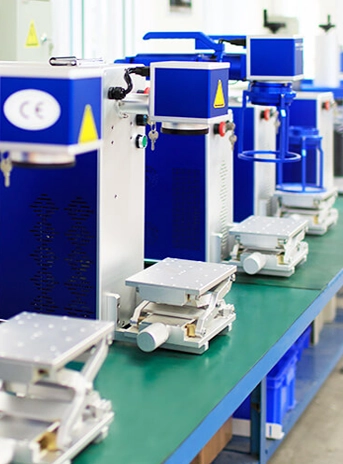
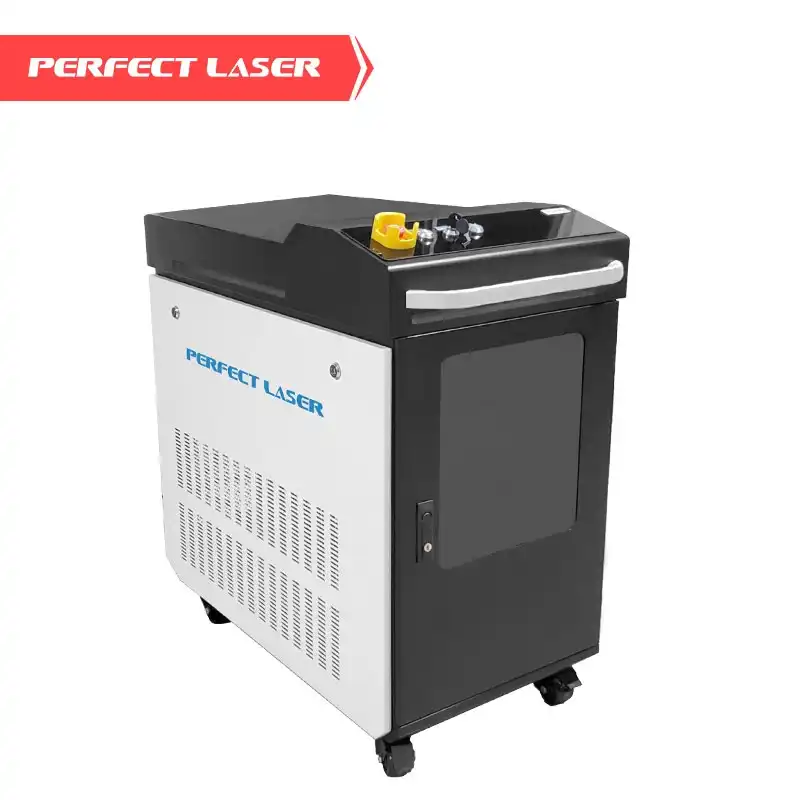
Laser source, control unit, handheld cleaning head, and built-in safety devices form core components of an industrial laser cleaning machine. Modern industrial laser cleaning machines feature tablet controls enabling operators to adjust cleaning patterns, pulse frequency, and energy levels for different contamination types. Integrated safety features on an industrial laser cleaning machine protect workers from laser hazards while the non-contact process eliminates chemical exposure or abrasive particle inhalation risks. Processing speeds of an industrial laser cleaning machine often exceed conventional methods, reducing cycle times and increasing throughput without quality compromise.
Core Benefits of Using Laser Cleaning Machines in Industrial Procurement
Using laser-based surface preparation technology has huge benefits that have a direct effect on how well operations run, how much they cost, and how well they follow the rules.
Enhanced Cleaning Accuracy and Efficiency
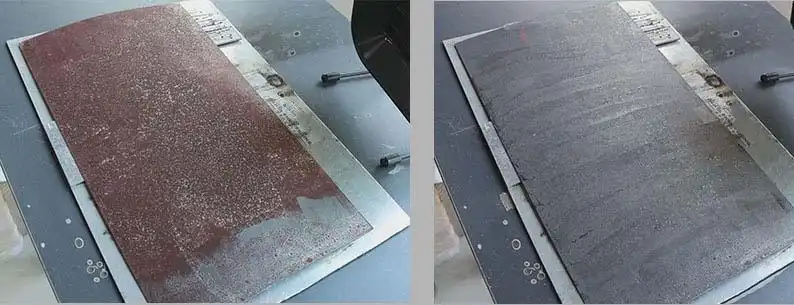
Laser systems remove contaminants with micrometer precision, targeting unwanted layers while preserving base material integrity. This accuracy proves valuable in aerospace applications where aluminum and titanium alloy surfaces require preparation before welding to prevent defects. The PE-X500 model excels at rapid rust and oxide removal, processing parts significantly faster than manual methods while delivering uniform results across production runs. Laser cleaning eliminates the need for consumables like sandblasting media or chemical solutions.
Environmental and Safety Compliance
As governments around the world tighten rules on the use of industrial chemicals and the production of trash, regulatory demands keep building. Laser cleaning technology gets rid of the need for solvents, acids, and abrasive media. It also doesn't make any toxic trash that needs to be handled or thrown away in a certain way. The PE-X500 and PE-X1000 types only use power and have built-in features that keep costs and environmental impact to a minimum.
Compelling Return on Investment
Initial capital investment may exceed conventional equipment, but total ownership analysis reveals significant savings. Laser cleaning machines require minimal ongoing consumable purchases—no sandblasting media, chemical solutions, or replacement brushes. Processing speed improvements enable skilled workers to operate more equipment or focus on higher-value tasks, reducing labor costs. The PE-X500 operates safely and steadily in harsh conditions. Longer fiber lengths allow continuous work without frequent repositioning, while ergonomic design prevents operator fatigue.
Versatility Across Industries and Applications
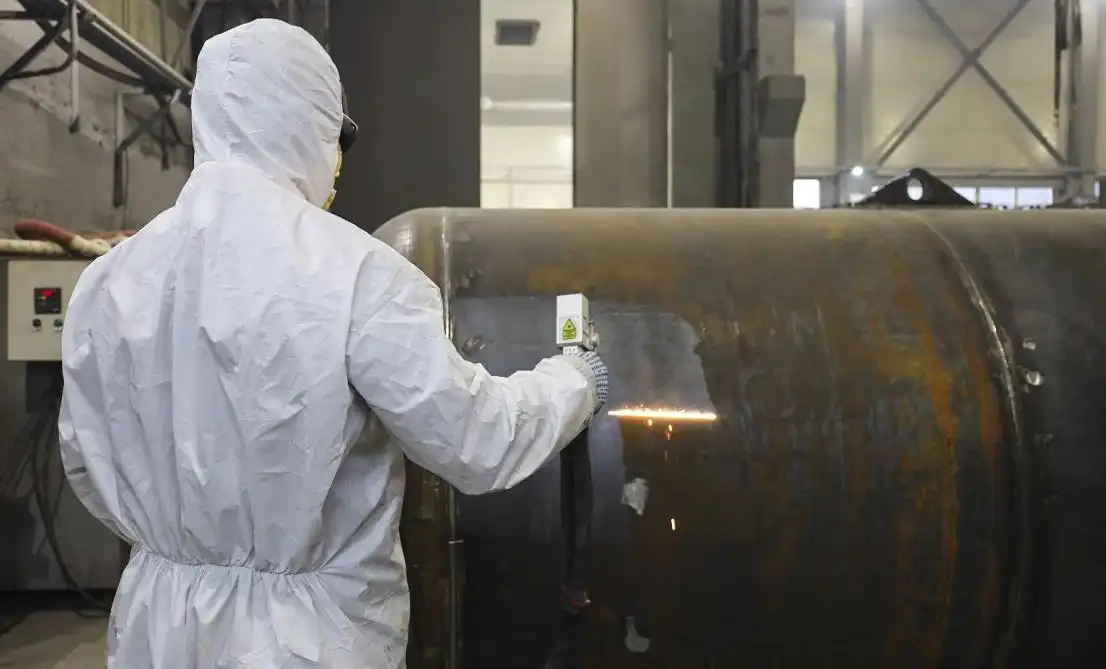
Perfect Laser industrial rust remover prepares metal surfaces, removes oil from precision parts, and cleans molds for tire, electronics, and food industries. Shipbuilding uses laser cleaning for large-area oxide treatment and coating removal before protective finishes. Aerospace repair teams clean turbine blades and prepare structural components where material integrity cannot be compromised. Cultural artifact restoration benefits from controlled laser cleaning removing grime without damage. Nuclear power plants use laser cleaning for part reconditioni
How to Choose the Right Laser Cleaning Machine for Your Business Needs?
To choose the right tools, you need to carefully think about practical needs, material properties, and integration issues.
Assessing Cleaning Scale and Material Types
Start by looking at the parts that need to be cleaned in terms of their size, shape, and amount of dirt. In shipping or steel production, higher-power systems and longer fiber lengths may help with large structural elements. On the other hand, electronics manufacturing may focus on accuracy and lower power settings to keep substrates from getting damaged. The 500W power of the PE-X500 is good for light rust and coating removal, while the 1000W power of the PE-X1000 is better for heavy-duty tasks that need to remove thick metal layers or a lot of paint.
Evaluating Power Output and Form Factors
Required power for a laser cleaner depends on contamination thickness and throughput needs. Higher-wattage laser cleaner systems clean more aggressively but may prove unnecessary for light maintenance tasks. Perfect Laser handheld laser cleaner models offer mobility for job shops and repair businesses serving diverse clients. Companies with dedicated cleaning stations may prefer stationary laser cleaner models with automated part handling. Workspace availability influences laser cleaner equipment choice. PE-X500 and PE-X1000 laser cleaner models feature compact footprints with extended fiber options for flexible positioning.
Supplier Evaluation and Support Services
Working with established manufacturers ensures access to quality components, technical expertise, and responsive customer service. Perfect Laser has designed and built laser equipment since 1995. Their laser cleaning machines carry CE certification with TUV and SGS verified quality management systems. This certification background protects buyers from substandard products while demonstrating international safety and performance compliance. Technical support availability significantly affects operational continuity for laser cleaning equipment.
Maintenance and Safety Best Practices for Laser Cleaning Machines
Following the right maintenance and safety rules will protect your machine purchases and keep operators safe and ensure consistent performance.
Scheduled Maintenance and Preventive Care
Daily maintenance includes inspecting fiber cables for damage, cleaning protective windows on handheld heads, and verifying cooling system function. Operators must ensure fume extraction systems properly remove ablated material preventing accumulation that could degrade beam quality. Monthly scheduled maintenance checks electrical connections, safety interlocks, and laser calibration. PE-X500 and PE-X1000 integrated designs require less maintenance than chemical processing systems or abrasive equipment needing continuous media replacement and wear part management.
Safety Protocols and Operator Training
Even though laser cleaning doesn't involve touching anything, it is still important to follow safety rules. Laser safety glasses that are rated for the frequency that the equipment uses must be worn by operators. Comprehensive training programs should cover laser safety, how to properly operate equipment, how to shut down in an emergency, and how to spot situations that aren't normal and mean that repair is needed.
Controlling the work area means setting up laser-controlled areas with the right signs, blocking beam paths to avoid unintended exposure, and following lockout-tagout processes during repair tasks. Perfect Laser's tools have safety interlocks and shields that stop beam output when safety covers are taken off or safety conditions are not met.
Troubleshooting Common Issues
Power instability typically results from electrical supply fluctuations or cooling system problems, usually resolved by verifying proper ventilation and electrical connections. Fiber cable damage or improper handling causes beam misalignment—careful cable management and periodic alignment verification maintain beam quality. Software issues occur rarely on modern systems, but proper startup and shutdown routines prevent control problems. Perfect Laser 24-hour technical support assists when problems exceed operator capability. Remote diagnostics often identify issues and guide solutions without on-site service visits.
Case Studies: Proven Successes Using Laser Cleaning Machines
Examples from real life show how laser cleaning technology can be used to improve performance and make a variety of businesses better.
Industrial Rust and Paint Removal Applications
A large steel production plant in the Midwest of the United States switched from sandblasting to laser cleaning machines to meet environmental standards and lower costs. The change cut down on the cost of getting rid of toxic trash and improved the quality of surface preparation for later coating operations. Compared to abrasive methods, processing time dropped by 40%. This allowed the center to increase output without adding shifts or hiring more people. Better surface quality cut down on coating failures and guarantee claims, which made customers happier and helped the company's image.
Aerospace and Automotive Component Preparation
A company that makes aerospace parts started using laser cleaning to get titanium alloy parts ready to be welded before they were used in business airplane structures. Laser surface preparation improved the quality of the weld by being precise and consistent. This cut down on defects and the cost of repairs. Operators liked that it was easier on their bodies than hand grinding, and quality testers liked that the surface conditions were more uniform, which made it easier to check that the acceptance standards were met. With the non-contact process, there were no worries about gritty particles getting stuck in the weld, which could happen with traditional ways.
Environmental Impact Quantification
A shipbuilding company found that using laser cleaning for deck preparation and upkeep was better for the environment. The amount of chemicals used dropped by 95%, which got rid of thousands of gallons of liquid trash every year. The use of abrasive media stopped completely, which cut down on waste costs and the risk of dust exposure for workers. Even though the original throughput was higher, less energy was used because efficient fiber laser technology needed less power than the heating systems and compressors that supported older ways. These measurable changes to the environment helped the company's sustainability reports and made it more reputable with clients who care about the environment.
Conclusion
Laser cleaning machines have huge advantages that make industrial buying goals like working efficiency, environmental compliance, worker safety, and financial performance possible. This technology is better than standard surface preparation methods in many areas, such as automotive, aircraft, electronics, heavy industry, and specialized uses, because it is precise, flexible, and long-lasting. The PE-X500 and PE-X1000 business movable models from Perfect Laser are great examples of advanced engineering and useful design that meet tough production needs while keeping costs and complexity to a minimum. It is a smart move to use laser cleaning technology as regulations get stricter and competition gets tougher. This will improve industrial capabilities, lower environmental effect, and increase long-term profits.
FAQ
1. What materials can laser cleaning machines effectively process?
Metals like steel, stainless steel, aluminum, titanium, brass, and copper can all be cleaned very well with laser technology. These materials can be cleaned of rust, paint, oxide layers, and oil pollution with the PE-X500 and PE-X1000 types. It can be used to clean mold in many different businesses, restore cultural artifacts, and maintain nuclear parts. Material compatibility depends on choosing the right laser settings. Perfect Laser's systems are changeable so they can work with a wide range of surfaces.
2. How do long-term costs compare with traditional cleaning methods?
The initial cost of laser cleaning machines is higher than the cost of standard tools, but a total ownership study shows that it saves a lot of money in the long run. Getting rid of products like rough media and chemical solutions cuts costs by a huge amount. Because things are processed faster, fewer workers are needed, and repair downtime is cut down. This makes operations more efficient. With efficient fiber laser technology, less energy is used. Most sites get their money back within two to three years, and they continue to save money on costs as long as the equipment is in use.
3. Can operators without specialized technical backgrounds safely use these machines?
After some training, modern laser cleaning tools are easy to use because they have touchscreen displays and settings that make sense. Perfect Laser gives full instructions to the user, covering everything from safety rules to choosing parameters and simple troubleshooting. The handheld form of the PE-X500 and PE-X1000 models makes them comfortable to use for long amounts of time. Integrated safety systems protect workers with interlocks and covers, and the non-contact process gets rid of the risks of breathing in chemicals or gritty particles.
Partner with Perfect Laser for Advanced Cleaning Solutions
With 30+ years of experience as an industrial laser cleaning machine provider, Perfect Laser is ready to help you make the switch to more advanced surface preparation technology. The CE, TUV, and SGS approvals on our PE-X500 and PE-X1000 portable rust removal systems show that they work very well and meet international quality and safety standards. We use high-quality laser sources from Germany IPG or China Top Raycus to power our tools. These sources are reliable and accurate for hard tasks. Our technical help is available 24 hours a day, 7 days a week, and we offer full operator training and customization options to make sure that our systems work seamlessly with your current processes. Email our team at [email protected] to talk about your particular needs, get competitive pricing, or set up product demos that show how laser cleaning technology can change the way you do business.
References
1. Li, C., Wang, Y., & Zhang, H. (2021). "Laser Cleaning Technology and Its Applications in Industrial Surface Treatment." Journal of Manufacturing Processes, 68, 1247-1265.
2. Schmidt, M., Belegratis, M., & Merklein, M. (2020). "Comparative Analysis of Surface Preparation Methods for Aerospace Alloys: Laser Cleaning vs. Traditional Approaches." International Journal of Advanced Manufacturing Technology, 109(7-8), 2103-2118.
3. Anderson, T. & Williams, R. (2022). "Environmental and Economic Assessment of Laser Cleaning in Automotive Manufacturing." Journal of Cleaner Production, 342, 130964.
4. Chen, G., Xu, X., & Pei, Y. (2019). "Fiber Laser Cleaning Systems: Principles, Applications and Industrial Implementation." Optics and Laser Technology, 117, 18-32.
5. Johnson, P., Martinez, L., & Thompson, K. (2023). "Safety Protocols and Best Practices for Industrial Laser Cleaning Operations." Safety Science, 158, 105967.
6. Roberts, D. & Singh, A. (2021). "Total Cost of Ownership Analysis for Laser Cleaning Technology in Heavy Industry Applications." Industrial Engineering Journal, 53(4), 412-428.

share your inquiry, get the quotation accordingly.
第一张审核员说包含其他公司不能用_1755049724891.webp)
Perfect Laser – Global Manufacturer of Reliable Laser Solutions