Automatic Channel Letter Bending Machine: Speed, Accuracy
An automatic channel letter bending machine uses a computer to exactly shape thin metal strips into three-dimensional letters that can be used for lighted signs. These high-tech systems use servo motors, CNC programming, and automatic feeding systems to carry out complicated bending routines with repeatable accuracy. This gets rid of the problems that come with doing things by hand and greatly speeds up production cycles. Modern tools can work with iron, metal, and stainless steel all at the same time. This gives sign makers the speed and accuracy they need for advertising, retail, and business uses.
Introduction
The signage industry has altered dramatically in the last decade. The main reason is new technologies that have revolutionized manufacturing. Companies worldwide use channel letters, those fascinating three-dimensional forms that illuminate from the inside, for branding. Hand-bending tools were used by expert artisans to make these letters, which may go awry or become trapped. Today, automated solutions have transformed this landscape.
More procurement managers, manufacturing engineers, wholesalers, and OEM partners in Europe and North America are under pressure to create more items without decreasing quality. The automatic channel letter bending machine immediately addresses this issue by combining mechanical correctness with clever automation to speed up production. This tutorial discusses how these devices increase working performance, what aspects to consider when buying equipment, and how to use and maintain it to maximize returns.
Signmaking nowadays requires speed and precision. Clients desire fast responses and flawless work, particularly when corporate credibility is at risk. Understanding these machines' technical capabilities, how to acquire them, and how to manage them empowers decision-makers to make wise choices that boost competitiveness.
Understanding Automatic Channel Letter Bending Machines
Core Technology and Components
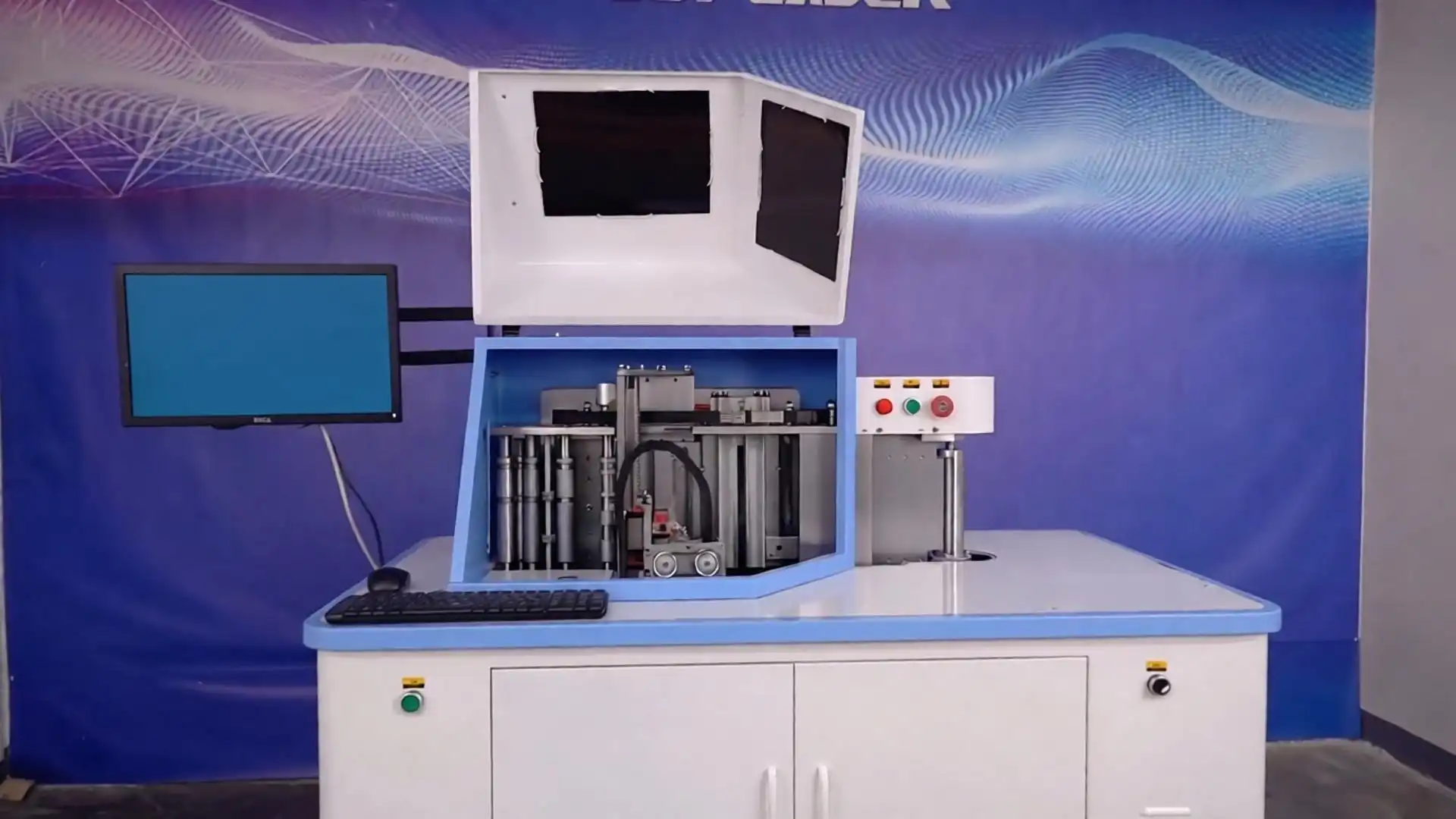
A lot of different tools have to work together for these complex systems to work. At their core is a precise control system, which reads design files and turns them into exact mechanical movements. These systems are usually PC-based and have easy-to-use interfaces. Material feeders move metal coils or sheets automatically at set times, and servo-driven bending heads make complex curves with accuracy down to the micron level.
Integration of software is another important factor. Standard design forms, such as DXF files, can be read by modern equipment. This makes it possible to go straight from Adobe Illustrator or CorelDRAW to the production floor. This digital consistency gets rid of transcription mistakes and greatly speeds up the process of setting up a project compared to writing by hand.
Different models have different mechanical architectures, but some things they all have in common are hydraulic or gas motors for bending force, tools that can be adjusted to fit different thicknesses of material, and automatic slotting functions that get channels ready for corner assembly. High-end systems can automatically change the level and cut the edges, which further reduces the need for human work.
Automation Advantages Over Manual Methods
To bend things by hand, you need to be a skilled user who can train their muscles to remember angles and shapes. Even skilled workers have physical limits and get tired, which causes variations between runs of production. It takes months to train new employees, which leaves the staff open to threats.
These problems are completely gone with automated methods. Once they are set, robots can keep making the same letters over and over again with no loss of accuracy in the dimensions. When something is automatic, it can be done in less than three minutes, while it might take an operator fifteen minutes to do by hand. This efficiency multiplier is very important when there are a lot of sales or tight dates.
One more huge benefit is that it is scalable. Manual processes have a hard time handling sudden increases in work without having to hire more people. Automatic machines just work extra shifts, so the quality of their work stays the same no matter how much they have to do. This adaptability is very helpful for companies that go through yearly changes or times of rapid growth.
Benefits of Using Automatic Channel Letter Bending Machines in B2B Procurement
Efficiency and Quality Control
When procurement workers look at investments in capital tools, they need to figure out how much better operations will be. When you compare making channel letters by hand vs. automatically, there are a few things that stand out right away. Cycle times are often cut by sixty to seventy percent, which means that businesses can handle more orders with the space they already have. It becomes possible to redistribute workers' jobs, so they can switch from doing boring bending tasks over to more valuable ones, like quality control, finishing work, or customer service.
Consistency in quality has a direct effect on customer happiness and cuts down on expensive repairs. Automated systems keep limits within +/- 0.5 millimeters over thousands of repeats, which makes sure that all the letters are lined up perfectly when they are put together. With this level of accuracy, gaps, misaligned corners, and differences in size that happen with hand production are gone. Sign makers say that after installing an automatic channel letter bending machine, the number of guarantee claims dropped by more than 40%.
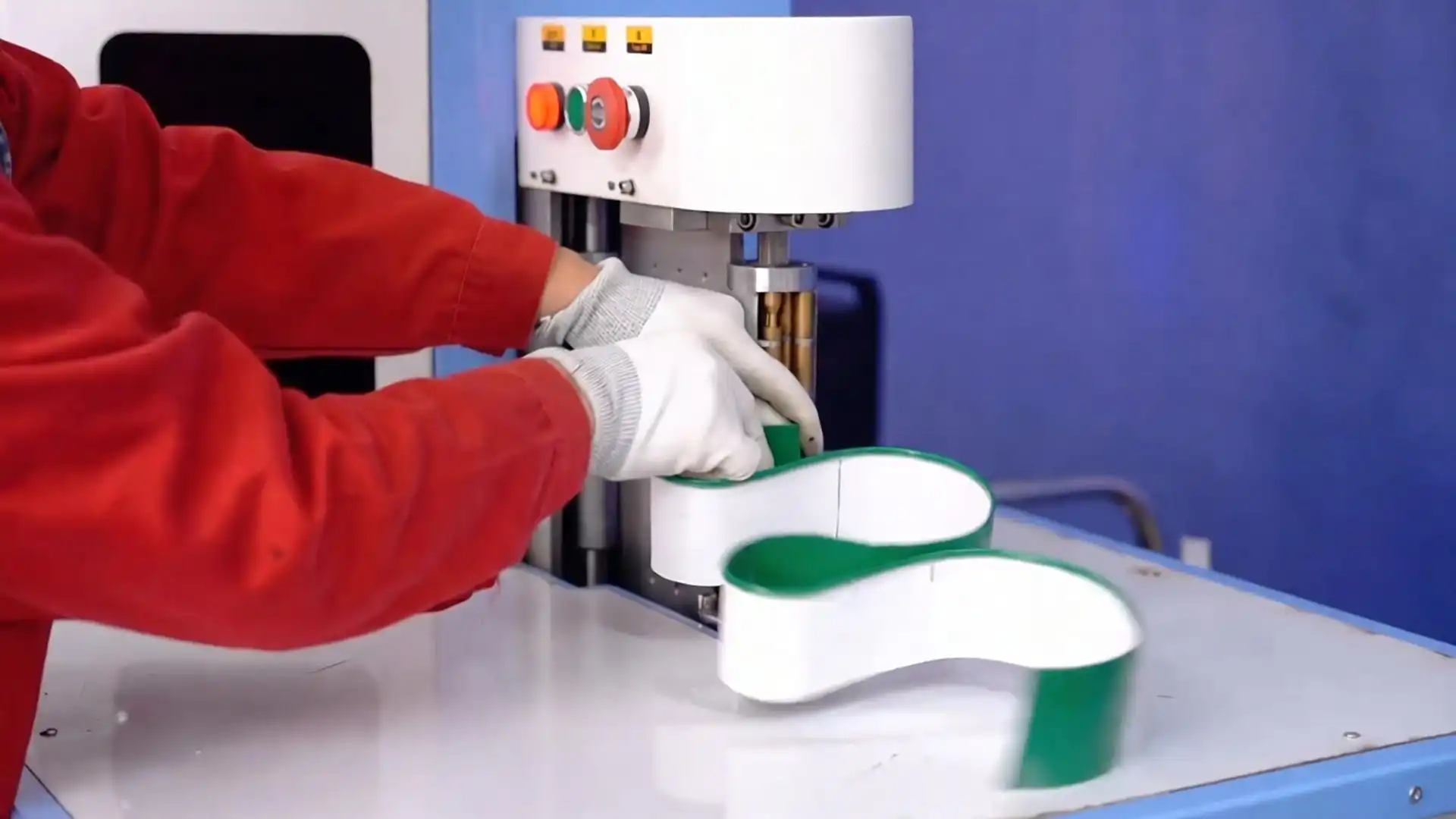
The amount of material loss also goes down a lot. Precise feeding and cutting mechanisms make the best use of the coil, and customizable tooling changes let you use different sizes of material without having to set them up by trial and error. In high-volume production settings, these saves add up quickly and directly lead to better profit performance.
Return on Investment Considerations
Automation has financial benefits beyond salary savings. Lower scrap rates, quicker order fulfillment, greater quality, and more manufacturing flexibility should be included in a total cost of ownership evaluation. Based on revenue and labor expenses, many firms have 18–30 month payback timeframes.
Properly maintained equipment requires little upkeep. Channel letter bending devices feature fewer moving parts and need less maintenance than laser or plasma cutting. Lubricating the machine, checking settings, and replacing worn elements like bending dies are typical maintenance tasks.
Operational savings accumulate over time. It consumes less energy than heat-intensive manufacturing processes and allows enterprises maximize their facilities. Instead of having many equipment, one machine can meet a variety of project demands since it works with varied paper and letter sizes.
Scalability Across Business Sizes
Basic core bending solutions that fit a small manufacturing shop's budget are beneficial. These PC-controlled equipment can open standard design files and work with aluminum and stainless steel. Regional sign firms serving small stores and businesses might leverage their manufacturing capability.
Medium-sized firms require material flexibility and productivity. These firms can compete for larger tasks and turn things around rapidly owing to two-head systems, automated material changes, and built-in fitting features. Handling iron, aluminum, and stainless steel offers up new markets.
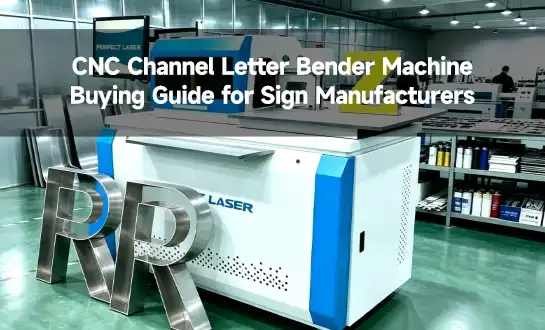
Large manufacturers and OEMs require industrial-grade machinery that can handle several materials, are highly automated, and durable. Most high-tech systems include comprehensive software for handling complex projects and automated edge-cutting and trim cap bending. Perfect Laser's 3-in-1 bending machine can bend aluminum, stainless steel, and iron plate on one base.
How to Choose the Right Automatic Channel Letter Bending Machine for Your Business
Assessing Production Requirements
Before choosing equipment, you must be honest about your existing and future production. Businesses that handle less than 50 letter sets per month may benefit from semi-automatic solutions. Businesses processing over 200 sets per month require completely automated solutions with minimal to no human involvement. You can identify letter size, material, and complexity distribution patterns in historical order data to assist you develop new specs.
Consider how beautifully the materials blend. Due to its ease of use and corrosion resistance, aluminum remains the norm. However, stainless steel projects cost more and need greater bending. Iron or coated steel is needed for big exterior buildings. Multi-material machines allow consumers flexibility as their demands evolve.

Facility limits greatly impact tool selection. Verify floor space, electricity, and storage. Industrial systems need work rooms with enough airflow and power distribution, although small desktop versions perform well in tight settings.
Key Evaluation Criteria
Different types of tools have very different bending speeds. Basic machines can move ten to fifteen meters per minute, newer ones can go 25 meters or more. Throughput capacity includes setup time, material changeover efficiency, and software integration.
Details concerning accuracy should be examined beyond marketing promises. Request measurement tolerance evidence and sample work. Current industry requirements need equipment with 0.3 millimeter accuracy over two meters. Temperature adjustment ensures consistent results regardless of surroundings.
Control system complexity affects operating efficiency. PCs with complete English interfaces, USB file sharing, and simple graphics reduce training needs significantly. Software should manage batch operations, have extensive material libraries, and provide real-time production monitoring. Perfect Laser equipment has simple controls that workers learn in days, not weeks.
Support after the sale is frequently more crucial than the purchase price for long-term pleasure. Check the manufacturer's service networks, spare parts, and professional support speed. Companies having a North American delivery and service network are less likely to encounter downtime issues with foreign suppliers.
Comparative Considerations
There are a lot of different price and feature ranges on the market right now. Basic LCD control systems offer basic bending functions at prices that most people can afford, making them good for businesses that want to start automating production or serve specific niche markets. These tools usually only work with one type of material, and they need more help from an operator to set up and change.
Mid-level equipment has PC control, automatic slotting, and a wider range of materials that it can work with. For production businesses that want to grow, these systems are the perfect balance of advanced features and low capital needs. U-disk file sharing and programmable depth control are two features that make workflow more efficient without making workers too busy.
Premium systems offer full automation, including automatic edge-cutting, dual metal trim cap bending, and processing of multiple materials on a single platform. Perfect Laser's automatic channel letter bending machine setups are great examples of this type of machine because they offer flexible production that can handle a wide range of projects. For businesses with high volumes or that want to grow their markets, the extra investment pays off in a big way.
More and more financing choices include lease agreements, equipment-as-a-service models, and longer payment terms that make it easier to handle cash flow during the implementation phase. Depending on the type of equipment, warranties usually last between one and two years. For important work settings, you can get extended service agreements.
Maintaining and Troubleshooting Your Automatic Channel Letter Bending Machine
Routine Maintenance Protocols
Scheduled preventive maintenance enhances tool availability and lifespan. Daily, examine bent tools for damage or wear, align the material feed, and clean up metal fragments on the work area. These basic procedures prevent little issues from becoming business issues.
The manufacturer recommends weekly maintenance to lubricate moving components, check hydraulic or gas connections for leakage, and test the control system. Operators should record unusual noises, vibrations, or performance changes throughout this examination.
Monthly service requires extra attention. Calibration checks ensure accuracy in all twisting directions, while software upgrades repair errors and add capabilities. Production logs may reveal new patterns that may indicate technical issues before they break down.
Common Issues and Solutions
Uneven material feeding is typically caused by worn or misaligned advance rollers. These issues are usually resolved by altering roller pressure or replacing parts. Maintaining cleanliness is vital since metal buildup might hinder movement.
Worn tools or loose mechanical fasteners cause bending precision loss. Change the bent dies at the recommended periods to maintain precision, and tighten the mounting bolts regularly to prevent alignment movement. In regions without climate control, extreme temperatures and other natural conditions may modify dimensions.
Current PC-based systems are reliable, although software defects might cause problems. Update software and backup design files to prevent data loss.
Professional Service Relationships
For complicated fixes and replacements of major parts, you should only work with authorized service providers who have the right training and real parts. If you try to make changes without permission or use non-OEM parts, you may cancel the warranty and put safety systems at risk. Building ties with skilled technicians before an emergency happens makes sure that help is available quickly when something goes wrong.
Professional checks once a year are useful for more than just fixing problems right away. Techs with a lot of experience can find patterns of wear and offer repairs for parts as well as changes to the way things are run that will improve performance, such as when they integrate a channel letter bender into the workflow. These relationships help a lot to get the most out of investments in an automatic channel letter bending machine.
Future Trends and Innovations in Channel Letter Bending Technology
Automation and Connectivity Advances
Industry 4.0 principles are influencing sign-making equipment design. Centralized tracking systems get real-time production data from IoT equipment. This helps managers track efficiency measures, predict maintenance needs, and schedule installation work. This relationship makes equipment a production resource rather than a tool.
Artificial intelligence is being employed in quality control and process optimization. Vision systems automatically flag size and surface faults in final letters for operators to review. Machine learning systems employ production data to determine the ideal settings for new materials or patterns. This reduces setup and waste.
Cloud-based design libraries and collaborative workflows enable file sharing and output organization easier for remote teams. These digital ecosystems make it simpler to address client requests while maintaining quality standards across production locations.
Mechanical Innovations
As technology for servo motors keeps improving, they can accelerate faster, be more precise, and use less energy than hydraulic systems. These changes directly lead to faster output and lower costs of doing business. Traditional commutator systems need to be maintained, but brushless motor types don't need that.
New tools are focusing on quick-change systems that cut down on the time needed to switch between materials. Automatic tool identification and magnetic mounting systems make setting faster and easier, so operators can work on a variety of projects without having to spend a lot of time rearranging things. These improvements are especially helpful for companies that have a lot of different customers whose needs change all the time.
Integrated cutting and notching functions cut down on extra work, getting rid of the need to handle materials and the quality risks that come with them. Equipment that combines bending, cutting, and corner preparation on a single base is the next step toward fully automated letter production cells that need little to no human input.
Sustainability Considerations
Energy-efficient designs address environmental concerns and increasing power bills. Newer systems consume less electricity because motors are more efficient, hydraulic circuits are better, and smart sleep modes reduce power use when not in use.
Material optimization systems determine the most effective and waste-free methods to utilize coils. This computer utilization reduces raw material consumption, waste, and helps firms reach sustainable objectives. More firms are understanding that commercial efficiency and environmental protection go together.
Recycling ease affects equipment design. Manufacturers chose parts that can be disassembled and reused, supporting the cycle economy. Customers that care about the environment will welcome these innovative solutions that comply with evolving laws.
Conclusion
Investing in automated channel letter manufacturing technology is a business choice that affects how the company positions itself in the market, how efficiently it runs, and how fast it grows. The automatic channel letter bending machine has clear benefits over human methods, including faster production, more accurate results, and more production options. Procurement pros who carefully compare the capabilities of equipment to what the business needs, who look at the total cost of ownership instead of just the purchase price, and who set up proper upkeep routines set their companies up for long-term success. As the market for signs continues to change toward more customization and faster lead times, automation goes from being a competitive benefit to an operational necessity. Manufacturers like Perfect Laser offer comprehensive features, easy operation, and strong construction that make their products safe bases for companies that want to improve their manufacturing abilities.
FAQ
1. What price range should we expect for quality equipment?
Automatic channel letter bending machine of good quality usually cost between $15,000 and $50,000 for entry-level models with LCD control systems and more than $50,000 for full 3-in-1 platforms with advanced automation. Small businesses that only work with aluminum can use entry-level tools, while multi-material systems can handle a wide range of output needs. Options for financing and guarantee coverage have a big effect on the total costs of ownership after the initial purchase price.
2. Do these machines accommodate LED channel letter production?
Yes, current equipment especially supports the creation of LED channel letters by allowing for exact control of dimensions and built-in slotting functions. Accurate bending makes sure that the LED modules fit correctly and that the light is spread evenly. Automated notching gets the corners ready for clean assembly, and the fact that aluminum and stainless steel are compatible means that they perfectly meet the standards for LED housing.
3. How do we maintain bending precision over time?
To keep precision, you need to do regular preventative maintenance like lubricating, checking the calibration, and replacing worn parts like bent dies when they need to be. Controlling the environment so that temperature changes are kept to a minimum helps keep dimensions consistent. By following the manufacturer's maintenance plans and having qualified service providers check the equipment once a year, you can be sure that it will continue to work to the original specs for as long as it is working.
Partner With Perfect Laser for Your Channel Letter Production Needs
For long-term satisfaction after delivery, choose the correct automated channel letter bending machine supplier. Perfect Laser has helped sign producers worldwide since 1995, giving them over 30 years of expertise. LCD control systems, automated stainless steel benders, auto-edge-cutting setups, and flexible 3-in-1 platforms that operate with iron, aluminum, and stainless steel are among our many items. Each system contains an English-language PC control panel, a USB connector for file sharing, and automated bending and fitting that revolutionizes manufacturing.
Our dedication goes beyond selling tools. We also offer quick technical support, legitimate substitute parts, and application help to help customers make their manufacturing processes more efficient. Our quality standards are backed up by CE approval, TUV accreditation, and SGS recognition. Two specialized research centers make sure that we are always coming up with new ideas. Perfect Laser offers custom solutions that are made to fit your needs, whether you're starting up a new production line or growing a current one. Get in touch with us at [email protected] to talk about your channel letter bending machine needs and find out how our technology can help you compete in the sign market.
References
1. Thompson, R. & Martinez, S. (2023). Advanced Manufacturing Systems for Commercial Signage Production. Industrial Fabrication Press.
2. Chen, L. (2022). "Automation Technologies in Metal Forming: Applications and Economic Analysis." Journal of Manufacturing Engineering, 48(3), 215-234.
3. Anderson, K. (2024). Precision Metal Bending: Technology, Applications, and Best Practices. Technical Publishing International.
4. Williams, D. & Foster, J. (2023). "Quality Control in Automated Channel Letter Production." Signage Technology Review, 17(2), 89-106.
5. Brown, M. (2023). B2B Procurement Strategies for Production Equipment. Business Management Publishers.
6. Roberts, A. (2024). "Future Trends in CNC Metal Forming Equipment." Manufacturing Innovation Quarterly, 31(1), 45-62.

share your inquiry, get the quotation accordingly.
第一张审核员说包含其他公司不能用_1755049724891.webp)
Perfect Laser – Global Manufacturer of Reliable Laser Solutions